



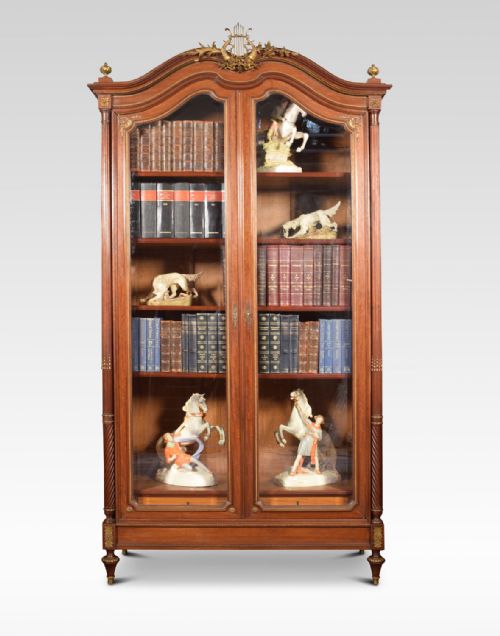


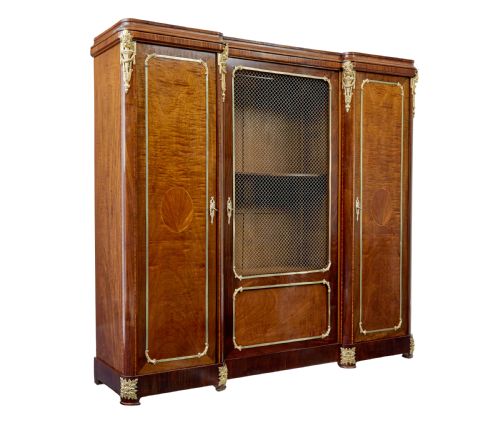

French Armoire Display Cabinet
These french armoire display cabinet pieces combine grand proportions with refined glazing, offering a commanding presence and generous storage for collections.
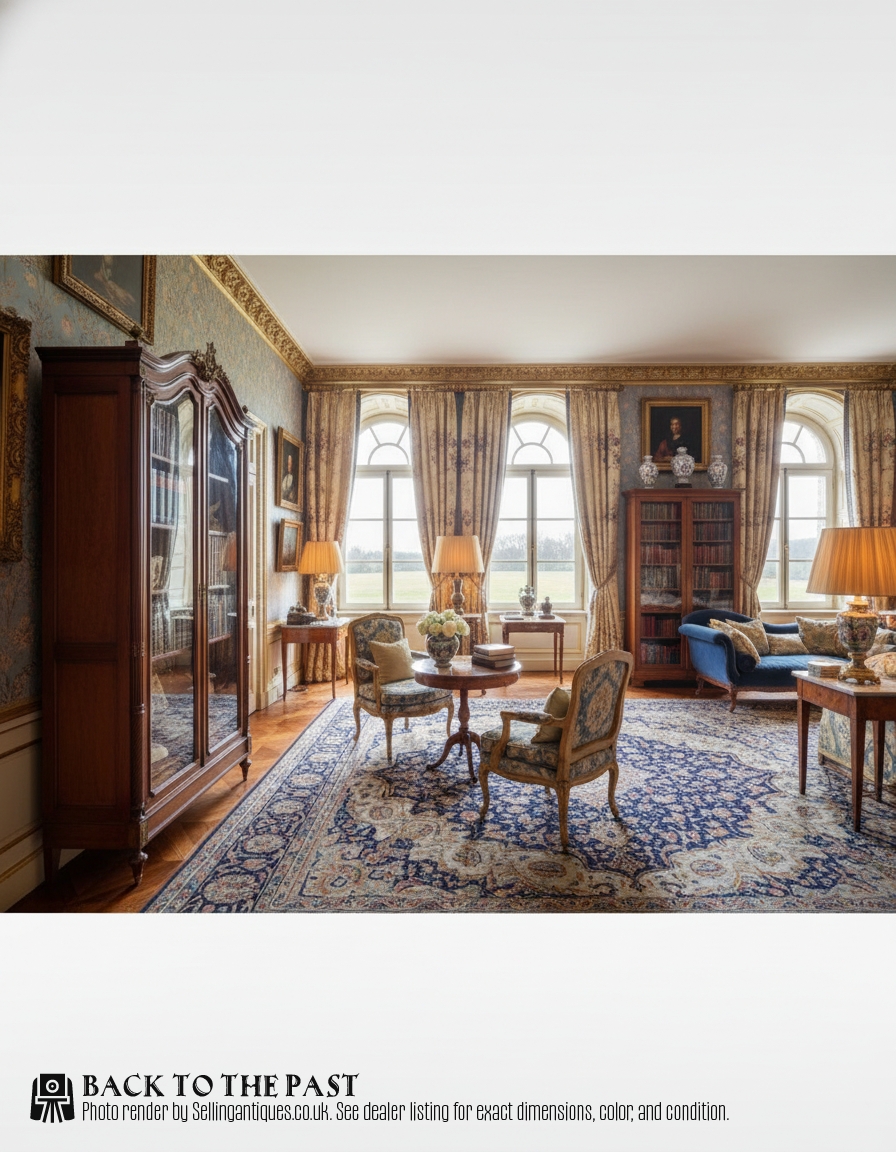
French Armoire Display Cabinet
A french armoire display cabinet brings together the architectural scale of a large storage piece and the transparent display function of a vitrine. These items appear across several historic periods, predominantly spanning the eighteenth and nineteenth centuries with influences from Louis XV to Empire styles.
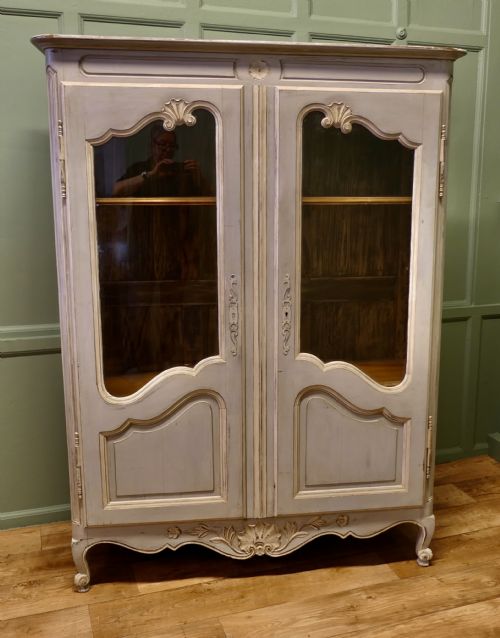
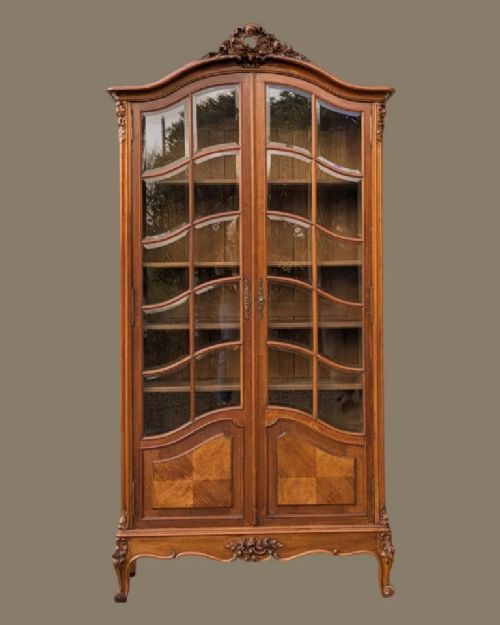
Buyers encounter diverse formats ranging from grand library bookcases and double-door cabinets to single-door wardrobes fitted with glass panels or mesh doors. The origin points are distinctly continental, favouring traditional French provincial, chateau and revival designs.
The combination of enclosed cabinet bases with upper display shelving defines the hybrid nature of these furnishings. Pieces frequently integrate bookcase and vitrine functions, allowing both the concealment of utilitarian items and the presentation of decorative objects.
Craftsmanship and Proportion
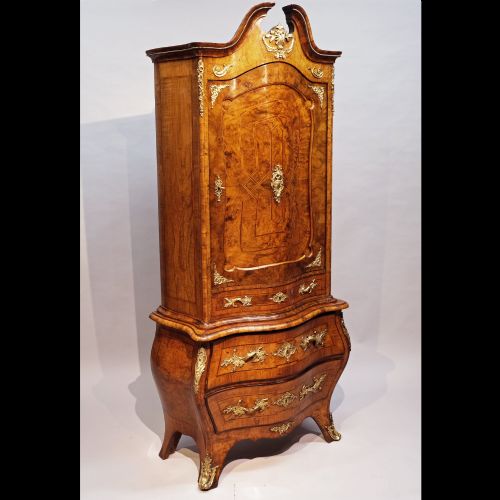
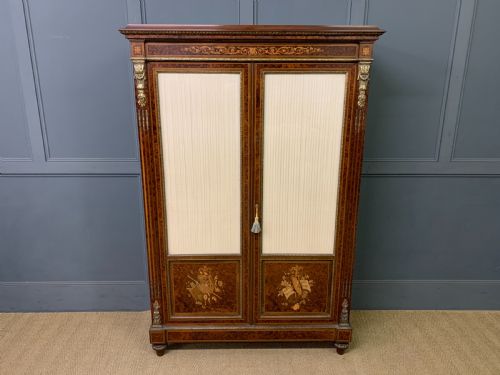
Superior examples distinguish themselves through the precision of their timber matching, particularly in marquetry patterns and book-matched veneers. The harmony of architectural proportions, from the sweep of the cornice to the alignment of panelled doors, separates finer workshop productions from simpler regional pieces.
The integration of metalwork mounts and the quality of the glass panes indicate the original tier of manufacture. Heavy cast ormolu mounts, well-fitted hinges and sound structural joinery without excessive modern intervention represent the higher standard of surviving items.
French Armoire Display Cabinet Retail Price Guide 2026
Typical asking prices for french armoire display cabinet among the pieces listed under this phrase on Sellingantiques today, from the lower quarter to the upper quarter. They describe what is for sale here now, not the wider market.
Materials represented across the selection include glass, brass, ormolu, oak, mahogany, walnut, rosewood and kingwood.
The French Armoire Display Cabinet Glossary
- Vitrine
- A glass-fronted cabinet designed specifically for the display of porcelain, glassware or curiosities. These pieces use transparent panels on the doors and sometimes the sides to maximise light inside.
- Ormolu
- Gilded bronze mounts applied to furniture for decorative effect. This technique was widely utilised during the eighteenth and nineteenth centuries to accent key architectural points.
- Marquetry
- The art of applying pieces of veneer to a structural structure to form decorative patterns and pictures. Craftsmen selected different woods to create tonal contrasts without using paint.
- Commode
- A low chest of drawers or cabinet originating in France. In hybrid forms, it serves as the lower section beneath an upper display case.
French Armoire Display Cabinet: Frequently Asked Questions
What is a french armoire display cabinet used for?
These pieces serve primarily to store and display books, porcelain, or collectables behind protective glass doors. The enclosed lower sections provide hidden storage for items you prefer not to keep on open view.
Their substantial height and decorative presence also make them natural focal points for high-ceilinged rooms, combining utility with formal interior decoration.
How do I identify a nineteenth-century piece?
Nineteenth-century examples often exhibit revival styles such as Louis XV or Empire influences, utilising hardwoods like mahogany, walnut and rosewood. Construction details include machine-sawn timber elements alongside hand-finished dovetails and brass or ormolu mounts.
Look closely at the backboards, interior shelving and lock mechanisms, as these areas frequently retain the construction methods characteristic of the eighteen-hundreds.
Are these cabinets suitable for modern homes?
Their large scale requires careful measurement of ceiling heights and floor space before placement. They anchor a room effectively and work well in living spaces, dining rooms or studies where books and display items need containment.
Interior lighting can often be added discreetly behind the glass doors to highlight collections without altering the historic structure of the cabinet.
What distinguishes provincial styles from chateau pieces?
Provincial pieces generally feature simpler lines, regional timber choices like oak, and painted finishes suited to country houses. They prioritise robust construction and modest ornamentation over courtly display.
Chateau and formal revival pieces incorporate sophisticated veneers, elaborate marquetry, and heavier brass or ormolu mounts reflecting urban French design traditions.