





Gilt Brass Display Cabinet
A gilt brass display cabinet brings architectural glass and golden mounts together to showcase cherished objects.
Gilt Brass Display Cabinet
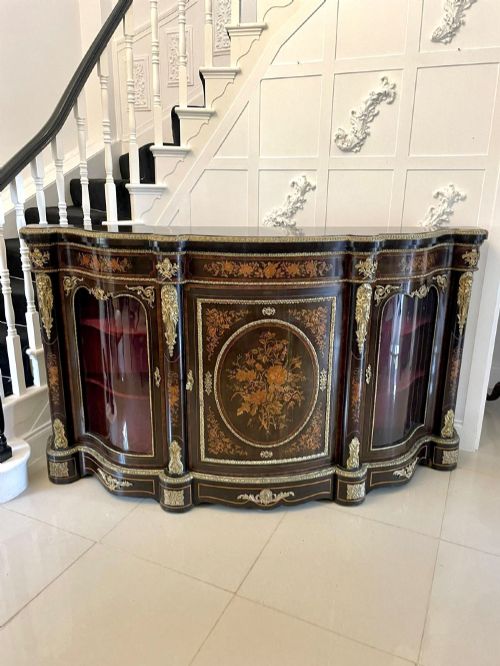
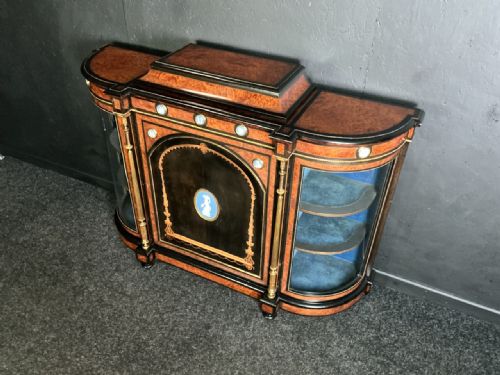
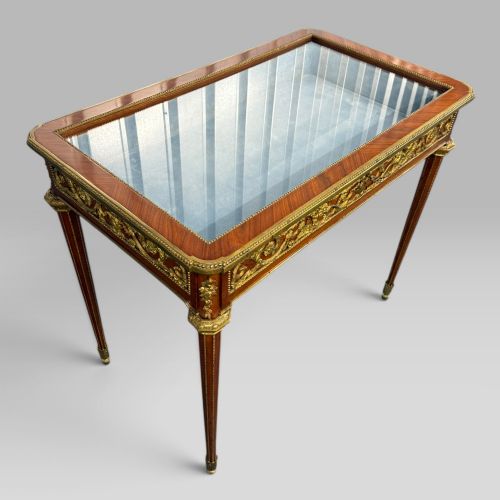
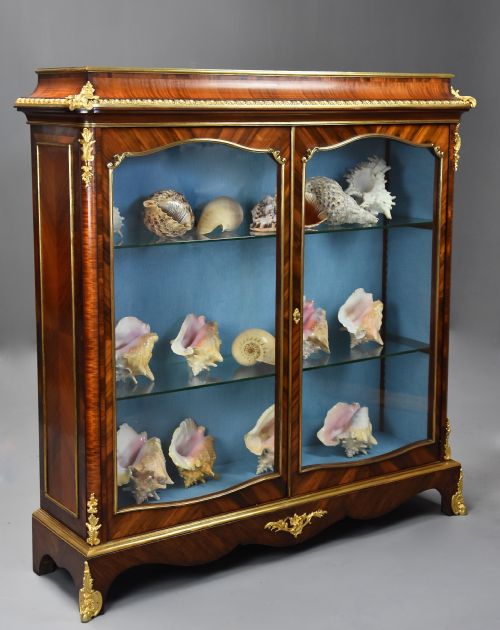
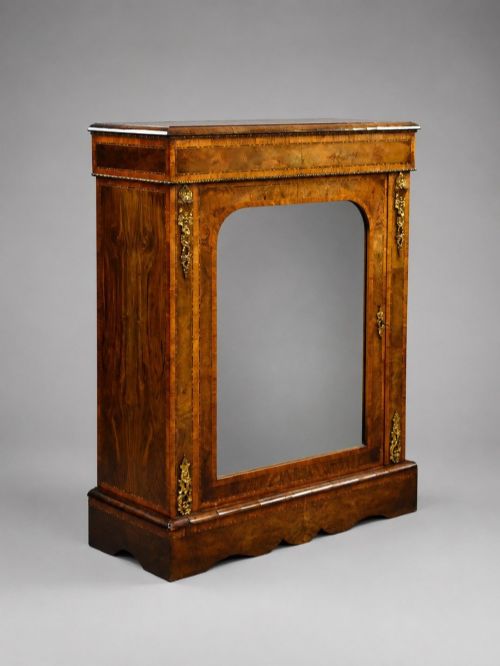
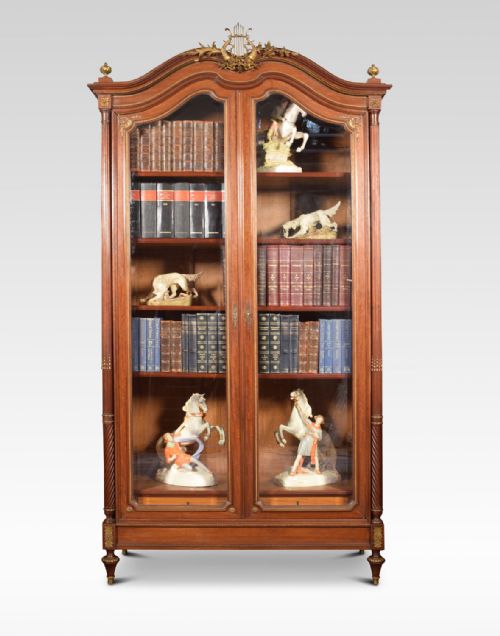
A gilt brass display cabinet uses glass panels and metal framing to show off collections while protecting them from dust. These pieces range from upright pier cabinets and corner cupboards to low credenzas and freestanding vitrines.
The nineteenth century provides most of the examples found here, drawing heavily on French revival styles and Victorian tastes. Makers combined timber structures with brass or ormolu mounts to create refined furniture for the home interior.
Forms vary from narrow cabinets designed for tight spaces to grand breakfront credenzas and specialised bijouterie tables. Each type offers a specific way to exhibit small ornaments, porcelain plaques, or bound books.
How they were made
Cabinetmakers built solid frameworks using timbers such as mahogany, kingwood, burr walnut, and ebonised wood. Veneers and marquetry inlay added decorative patterns across doors and panels.
Gilt brass, ormolu, and gilt metal mounts were cast and applied to corners, borders, and friezes. Glass panels were fitted into doors and sides to let light enter the interior shelving.
Gilt Brass Display Cabinet Retail Price Guide 2026
Typical asking prices for gilt brass display cabinet among the pieces listed under this phrase on Sellingantiques today, from the lower quarter to the upper quarter. They describe what is for sale here now, not the wider market.
Listings feature nineteenth-century pieces spanning the Victorian, Regency, and 1960 eras, constructed from mahogany, burr walnut, and ebonised wood.
What varies in quality
The crispness of the cast brass and ormolu mounts dictates much of the visual success of the piece. Sharply detailed chasing separates superior hardware from softer, mass-produced alternatives.
Timber selection and inlay precision determine the integrity of the cabinet body. Fine marquetry work and well-figured veneers reflect high standards of nineteenth-century workshop execution.
François Linke·Paul Sormani
The Gilt Brass Display Cabinet Glossary
- Ormolu
- Gilded bronze mounts used extensively on French and Victorian furniture. This decorative technique added metallic lustre to cabinet frames.
- Credenza
- A low cabinet, often fitted with doors and glass display sections, originating for dining rooms and salons. These pieces frequently feature elaborate marquetry and gilt mounts.
- Pier Cabinet
- A narrow cabinet designed to stand against the wall space between windows. They typically house display shelves behind a single glass door.
- Vitrine
- A glass-sided cabinet specifically built for displaying porcelain, curiosities, and small objects. These enclosures protect delicate items while offering all-round visibility.
- Marquetry
- Inlaid wood patterns arranged to form decorative pictures or geometric designs on furniture surfaces. Craftsmen used contrasting timbers to achieve tonal depth.
Gilt Brass Display Cabinet: Frequently Asked Questions
What is a gilt brass display cabinet?
A gilt brass display cabinet is a piece of nineteenth-century furniture featuring glass panels for viewing contents and metallic brass or ormolu mounts for decoration.
These cabinets protect small collections while adding a decorative focal point to a room through refined timber work and glazing.
How do I style a cabinet at home?
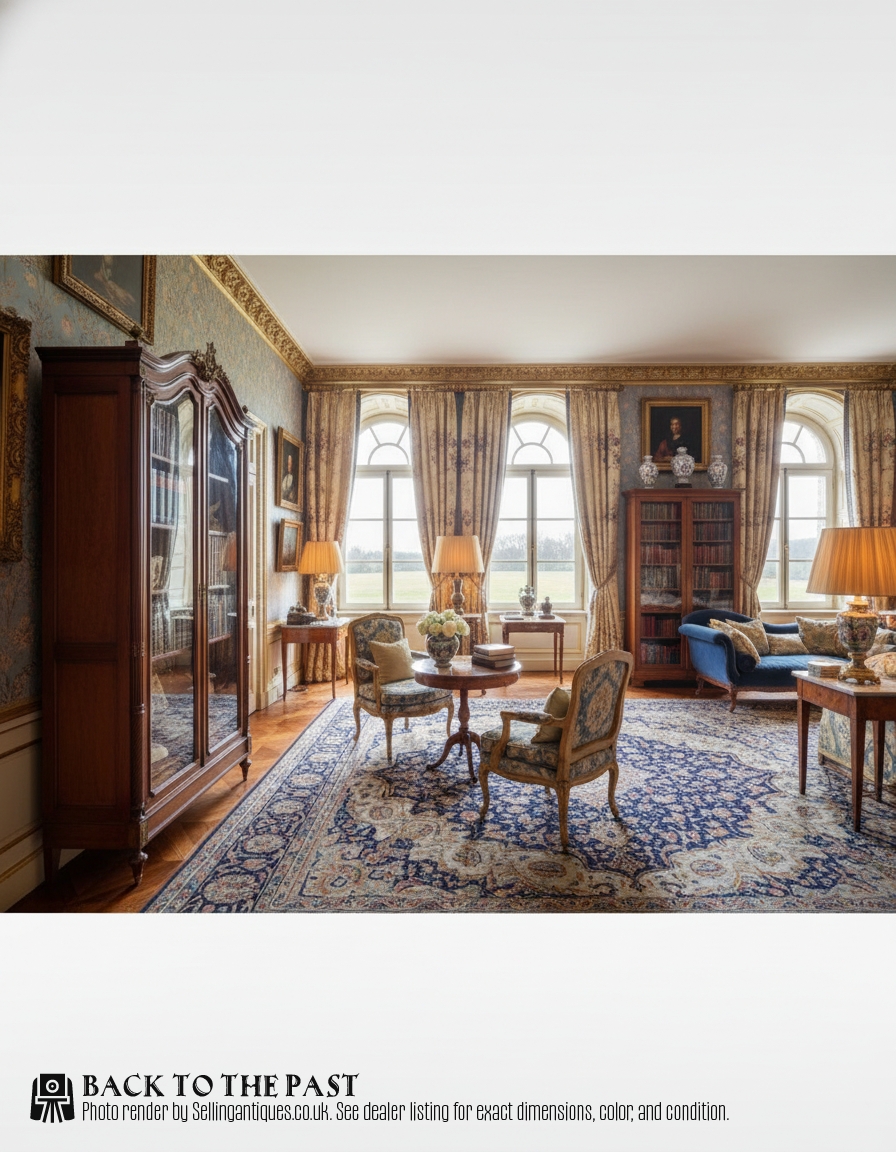
Place the cabinet in a room with good natural light to illuminate the glass viewing areas and highlight the gilded brass mounts.
Group ceramics, glassware, or small sculptures inside with adequate spacing between objects to maintain a balanced, uncluttered look.
How do I identify Victorian pieces?
Victorian cabinets often utilise ebonised wood, burr walnut, or amboyna, frequently incorporating porcelain plaques or intricate marquetry.
Look for nineteenth-century construction methods and stylistic revivals such as French Rococo or Aesthetic Movement influences.
Where were these cabinets placed originally?
Owners positioned these cabinets in formal drawing rooms, reception spaces, and parlours to display valuable possessions to visitors.
Narrow pier cabinets stood between windows, while larger credenzas occupied main wall spaces in nineteenth-century interiors.