




Marquetry Bonheur Du Jour
A marquetry bonheur du jour is a refined ladies writing desk combining a tiered superstructure with fitted compartments and a delicate writing surface.
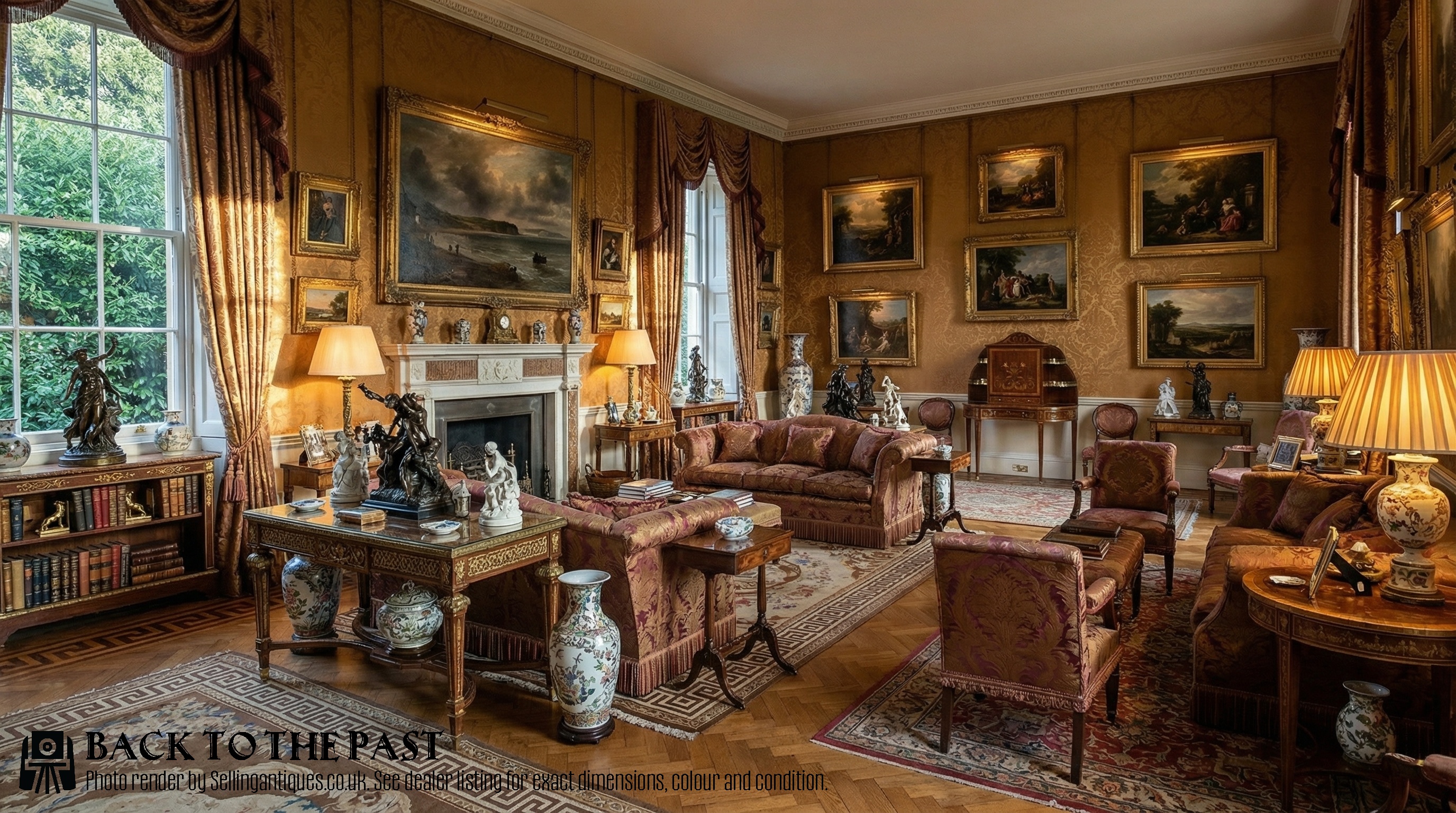
Marquetry Bonheur Du Jour
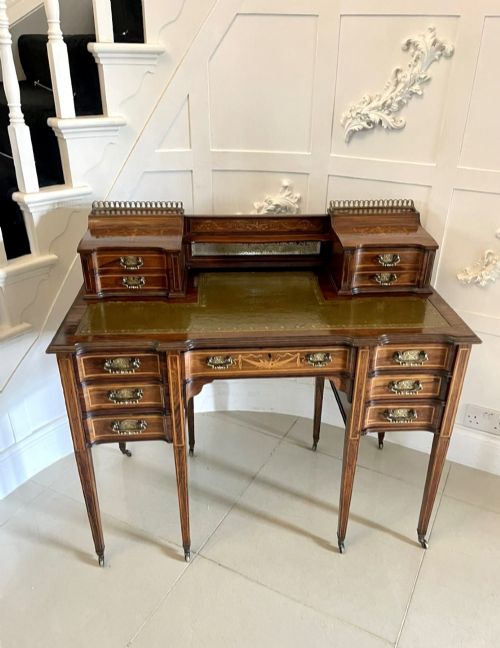
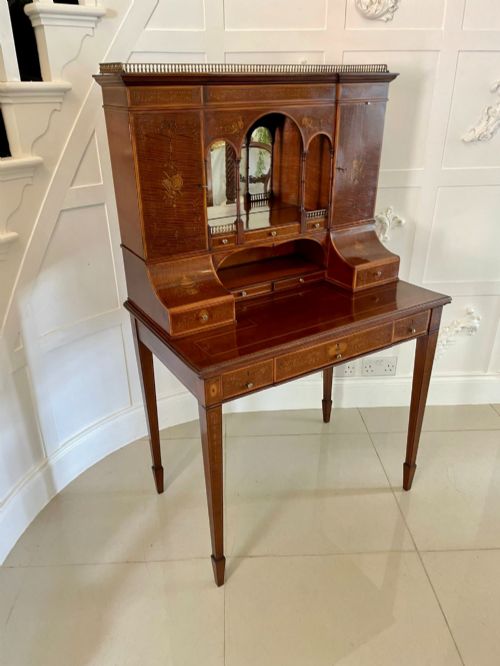
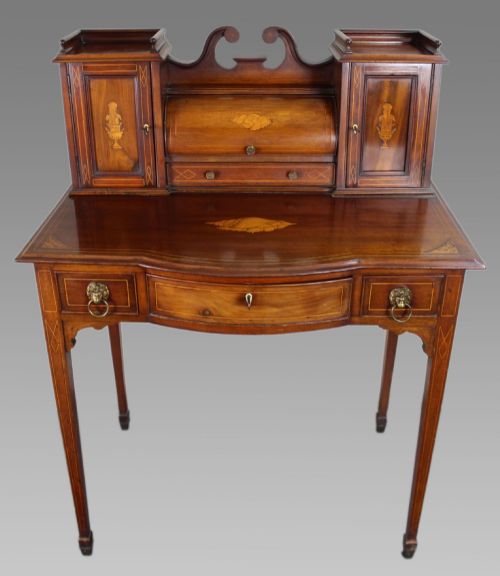
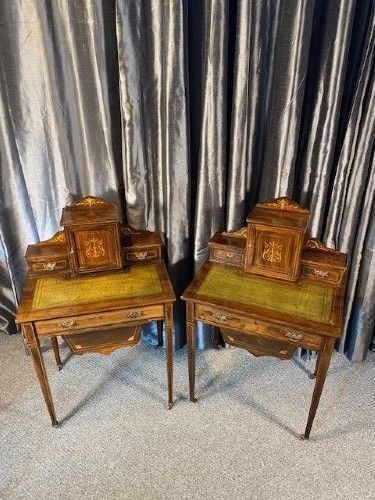
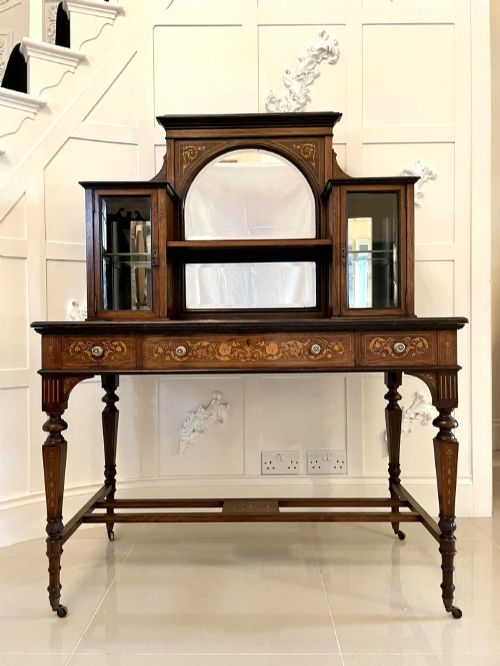
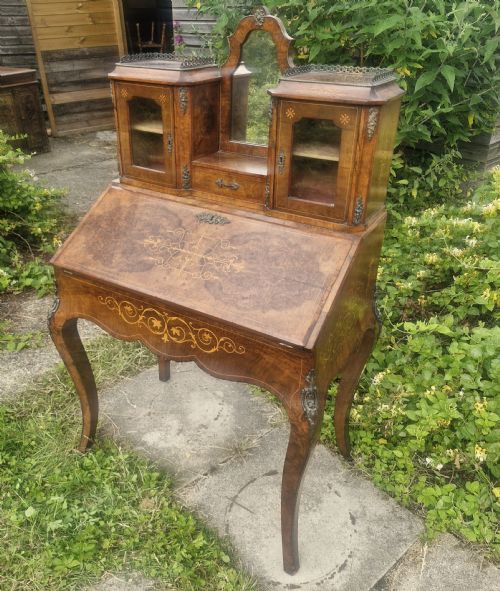
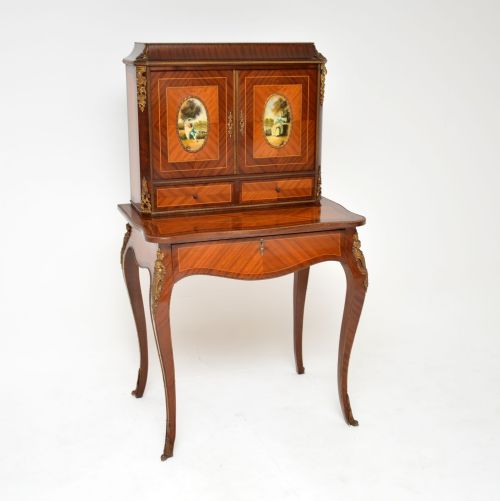
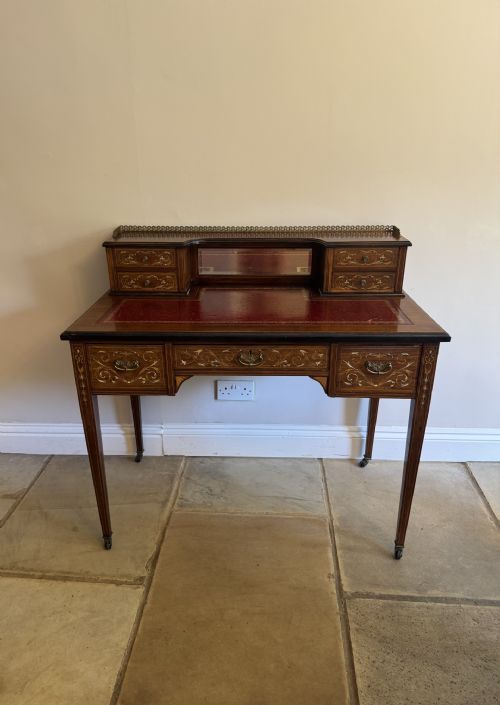
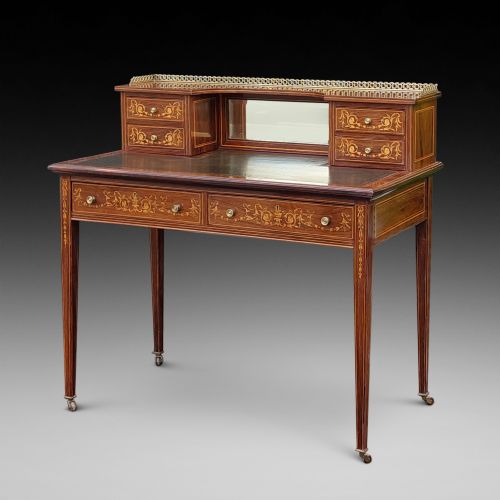
When you search for a marquetry bonheur du jour, you are looking at small, elegant writing cabinets designed primarily for women during the nineteenth and early twentieth centuries. These pieces typically feature a tiered superstructure with shelves, small drawers, or a cabinet space above a pull-out or hinged writing surface.
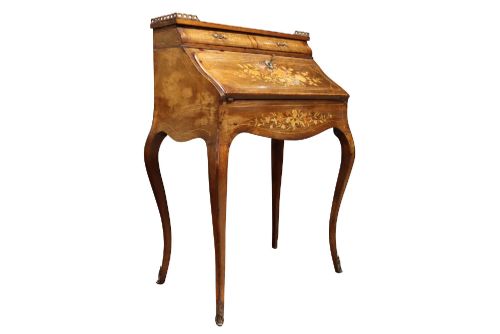
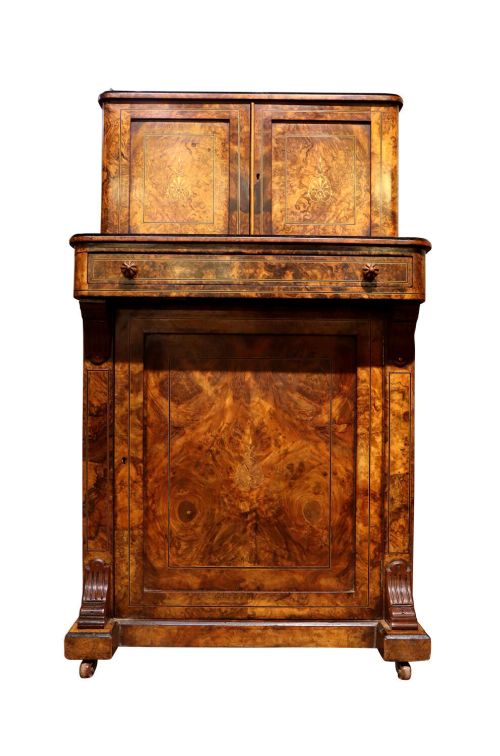
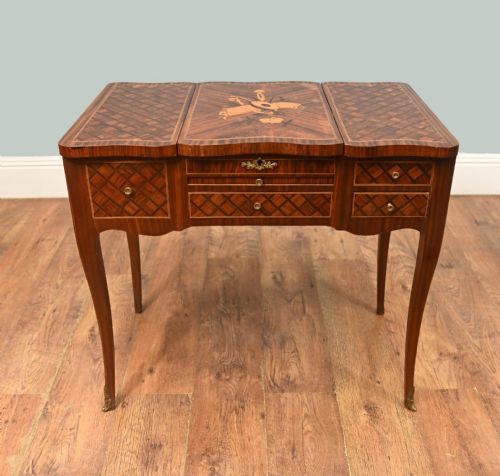
On this page, the pieces you are most likely to encounter span the Victorian, Edwardian, and late nineteenth-century periods, often manifesting in French Louis XV or Sheraton Revival styles. They appear in diverse timbers such as rosewood, walnut, satinwood, and kingwood, frequently enriched with floral marquetry and brass or ormolu mounts.
How They Were Made
Cabinetmakers constructed the carcase using secondary timbers like mahogany or pine, veneered with decorative woods such as burr walnut, satinwood, kingwood, or rosewood. Intricate floral and geometric marquetry patterns were hand-cut from contrasting veneers and inlaid directly into the surface.
Metal embellishments such as cast ormolu mounts, brass galleries, and hardware complemented the woodwork, while leather inserts provided a durable surface for writing.
Marquetry Bonheur Du Jour Retail Price Guide 2026
Typical asking prices for marquetry bonheur du jour among the pieces listed under this phrase on Sellingantiques today, from the lower quarter to the upper quarter. They describe what is for sale here now, not the wider market.
Some miniature cylinder display desks provide an unexpected hiding spot for your very smallest secrets.
What Varies in Quality
The sophistication of the veneer work and the precision of the marquetry cutting distinguish standard examples from exceptional ones. Finer pieces display meticulously shaded woods that create a strong sense of three-dimensional depth within the floral or pictorial designs.
The quality of the secondary materials, the weight and detail of the cast ormolu mounts, and the integration of maker signatures from notable firms all elevate the standing of a piece within the range.
Maple And Co·Edwards And Roberts·Shoolbred Of London·Druce And Co·Adriano Brambilla·Linke
The Marquetry Bonheur Du Jour Glossary
- Marquetry
- The art of forming decorative patterns by fitting together small pieces of wood veneer, shell, or ivory onto a structural carcase. This technique defines the visual character of the surfaces.
- Bonheur du jour
- A light lady's writing desk featuring a small cabinet or shelving superstructure above the desk top. The term translates from French as day's delight.
- Ormolu
- Gilt-bronze mounts applied to furniture for decorative effect and edge protection. These metallic elements are cast and chased to add relief.
- Superstructure
- The tiered arrangement of small drawers, pigeonholes, or a small cupboard mounted on the upper rear of the desk surface. It provides specialised storage for correspondence materials.
Marquetry Bonheur Du Jour: Frequently Asked Questions
What is a bonheur du jour used for?
These desks served as private writing spaces for ladies to handle correspondence, keep journals, and store small personal items. The upper tiers held stationery while the lower surface provided space for writing letters.
Over time, they evolved from functional writing furniture into decorative display pieces within drawing rooms and boudoirs.
How do I identify French versus English styles?
French examples often lean towards Louis XV and Louis XVI revivals, displaying curvaceous cabriole legs, extensive ormolu mounts, and elaborate floral marquetry. English versions, particularly from the Victorian and Edwardian eras, frequently show Sheraton Revival influences with straight tapering legs and satinwood banding.
Maker labels from London firms can also help confirm an English origin for pieces matching these descriptions.
Which woods are most common?
Rosewood, walnut, and mahogany form the foundation of many pieces seen across nineteenth-century examples. Exotic veneers like kingwood and satinwood frequently appear in geometric or floral marquetry designs.
Ebonised finishes and burr walnut are also common among Victorian specimens.
How should I care for a marquetry surface?
Keep these pieces away from direct sunlight and heat sources to prevent the delicate wood veneers from drying out, shrinking, or lifting. Dust gently with a dry, soft cloth and avoid chemical polishes that can degrade older finishes.
Maintaining a stable room humidity preserves both the timber carcase and the inlaid marquetry.