



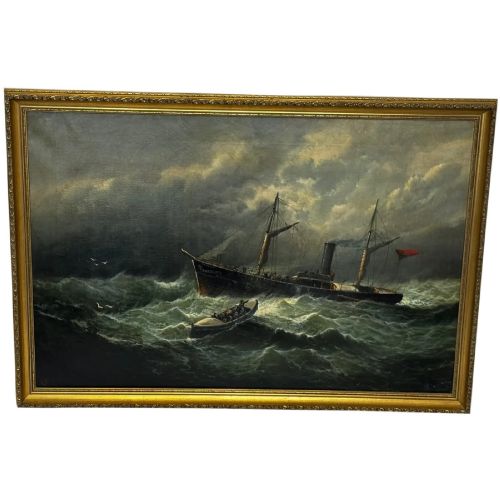
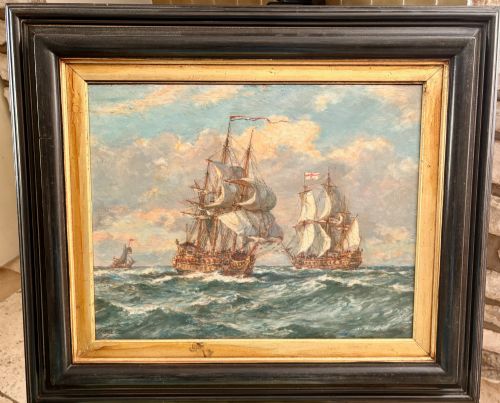
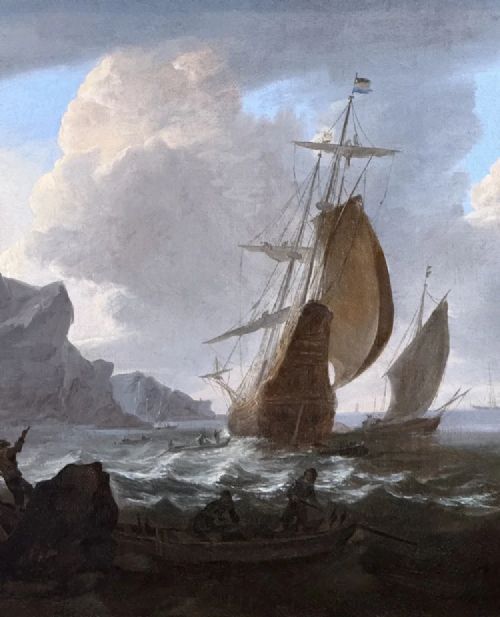
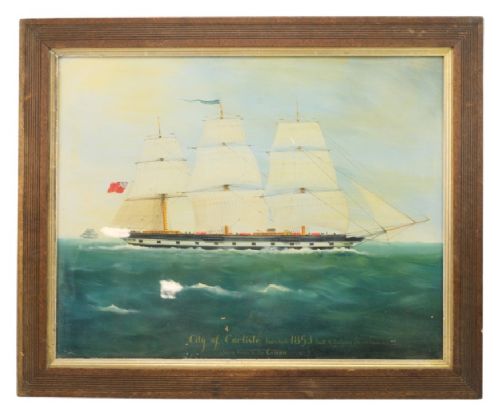

Marine Vessel Artwork
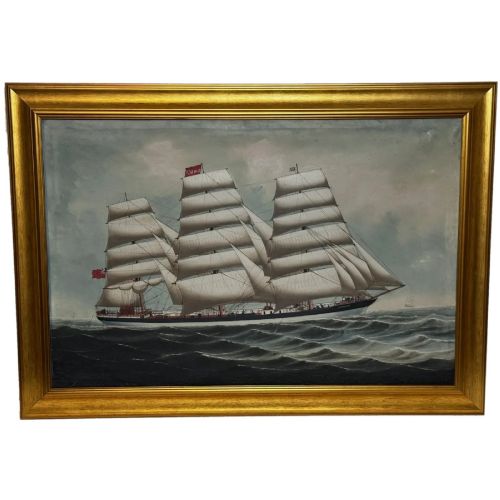
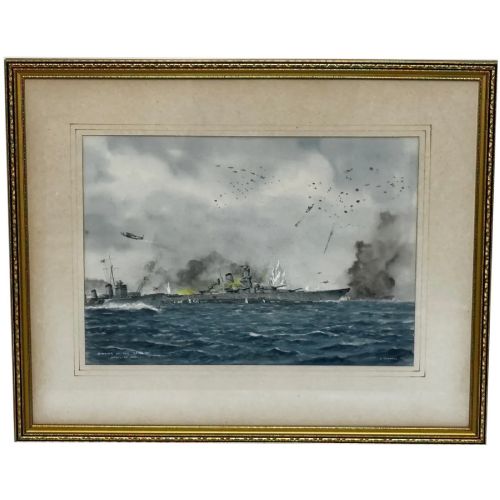
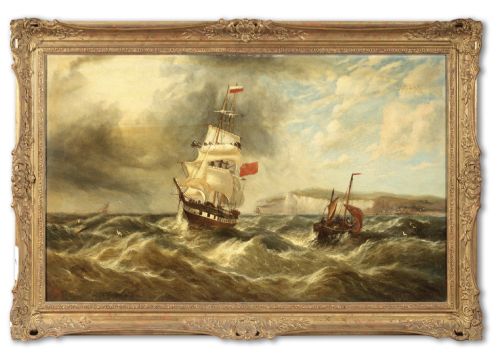
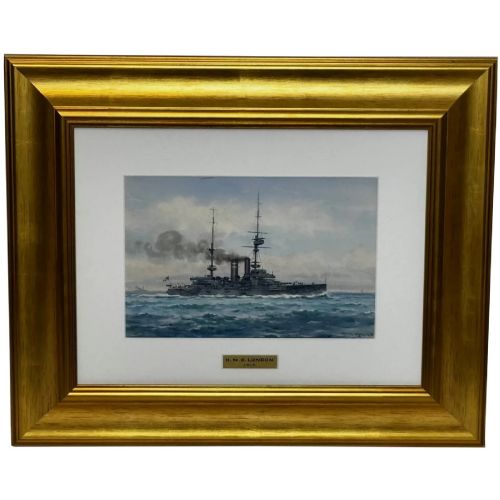
These pieces of marine vessel artwork capture centuries of seafaring history through detailed oils and watercolours of warships, clippers and coastal scenes.
Marine Vessel Artwork
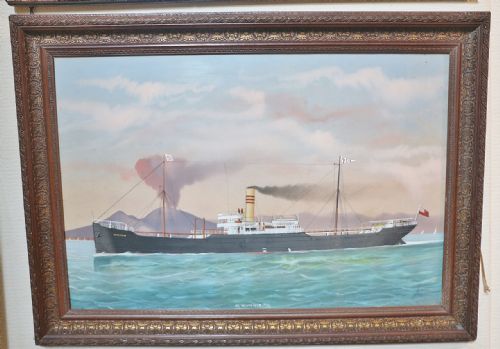
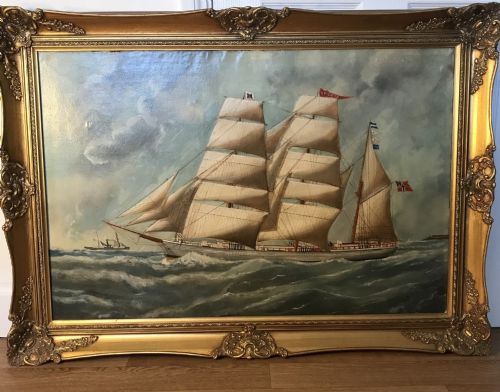
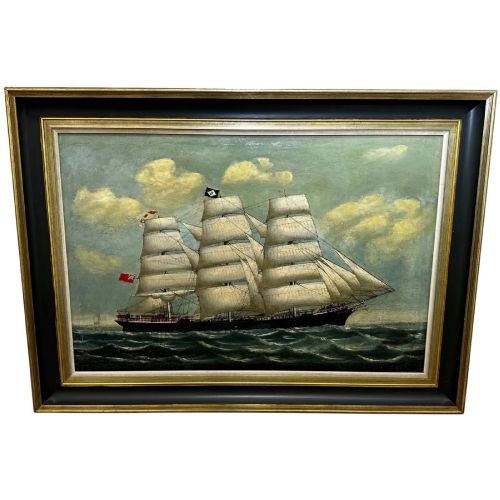
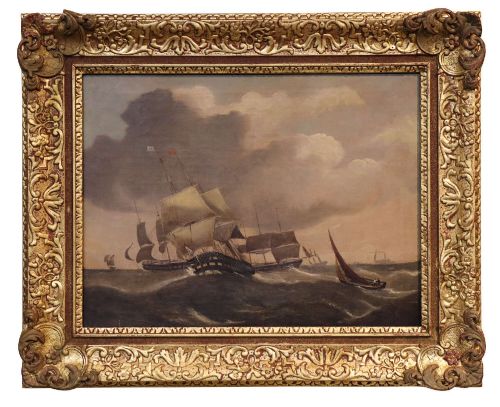
Marine vessel artwork encompasses historical depictions of ships, harbours and naval engagements spanning from the eighteenth century through to the mid-twentieth century. A buyer searching this phrase encounters framed paintings executed in oil, watercolour and gouache.
The selection on this page leans heavily towards nineteenth-century canvases and early twentieth-century watercolours. Works feature named vessels, merchant steamers, clippers and battleships recorded by both named marine artists and competent regional hands.
How they were made
Painters utilised oil on canvas or board to build luminous coastal scenes and dramatic storm effects. Watercolours and gouache on paper capture sharp linear details of naval rigging and hull construction.
Support materials range from traditional wooden panels and stretched canvas to heavy paper sheets. Surviving examples frequently retain period gilt framing that complements the maritime subject matter.
Mediums documented include oil paint, watercolour, gouache, canvas and wood.
What varies in quality
Quality rests upon the artist's precise understanding of maritime architecture, rigging accuracy and the movement of water. Skilled hands render the weight of hulls and the behaviour of wind in sails convincingly.
Compositional balance and historical documentation elevate certain works above standard decorative pieces. Provenance regarding specific vessels or documented actions distinguishes fine artist attribution from anonymous studio output.
Reginald Arthur Borstel·Frank Watson Wood·Bernard Gribble·Daniel Sherrin·Dion Pears
The Marine Vessel Artwork Glossary
- Pierhead painting
- A specialised genre of marine art depicting specific merchant or naval ships, often commissioned by captains or shipowners while in port.
- Gouache
- An opaque water-based medium that allows for rich, solid areas of colour and sharp detailing on paper or board.
- Barque
- A sailing vessel with three or more masts having the fore and main masts square-rigged and the mizzen mast fore-and-aft rigged.
- Seascape
- A painting or other work of art that depicts the sea, typically featuring waves, ships and coastal horizons.
- Gilt frame
- A wooden picture frame coated with gold leaf or metallic paint, common to nineteenth-century salon presentations.
Marine Vessel Artwork: Frequently Asked Questions
What subjects appear in marine vessel artwork?
The subjects cover a vast range of maritime activity, including named warships, merchant steamers, fishing trawlers and sailing barques. Scenes frequently record specific historical events or harbour approaches across various weather conditions.
Artists also documented naval engagements and routine coastal passages, providing an accurate visual record of maritime technology from earlier centuries.
How do I identify the period of a marine painting?
Dating relies heavily on the type of vessel depicted, as steam propulsion, ironclad construction and specific rigging styles evolved rapidly between the eighteenth and twentieth centuries. Clothing styles of any figures on deck or shore offer additional clues.
Framing methods, canvas preparations and artist signatures or attribution notes provide further confirmation of a piece's era.
Where were these maritime paintings created?
Works originate from various maritime hubs and studios across Britain, Europe and international ports where artists observed shipping traffic firsthand. Harbour cities and coastal settlements fostered specialised marine painters who recorded local fleets.
Some pieces were produced in port cities like Hong Kong or Valletta by local studios catering to visiting naval officers and merchant captains.
How should I care for antique marine art?
Preservation requires keeping paintings away from direct sunlight and maintaining stable indoor humidity levels to protect canvas and paper supports. Watercolour works especially benefit from UV-filtering glass during framing.
Dusting should be done gently with a soft, dry brush, avoiding liquid cleaners or harsh solvents on the painted surfaces.