
Marble Topped Hall Table
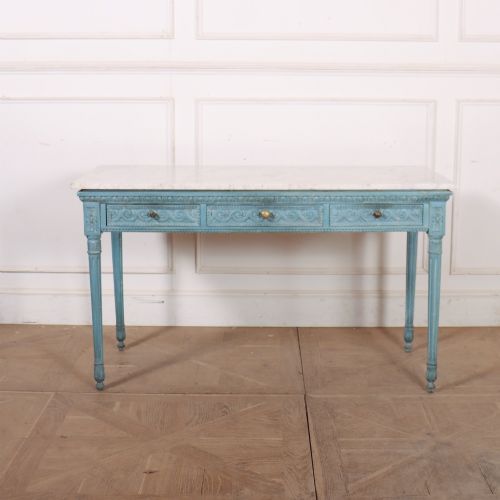
A marble topped hall table provides a sturdy stone surface and a striking silhouette for an entranceway.
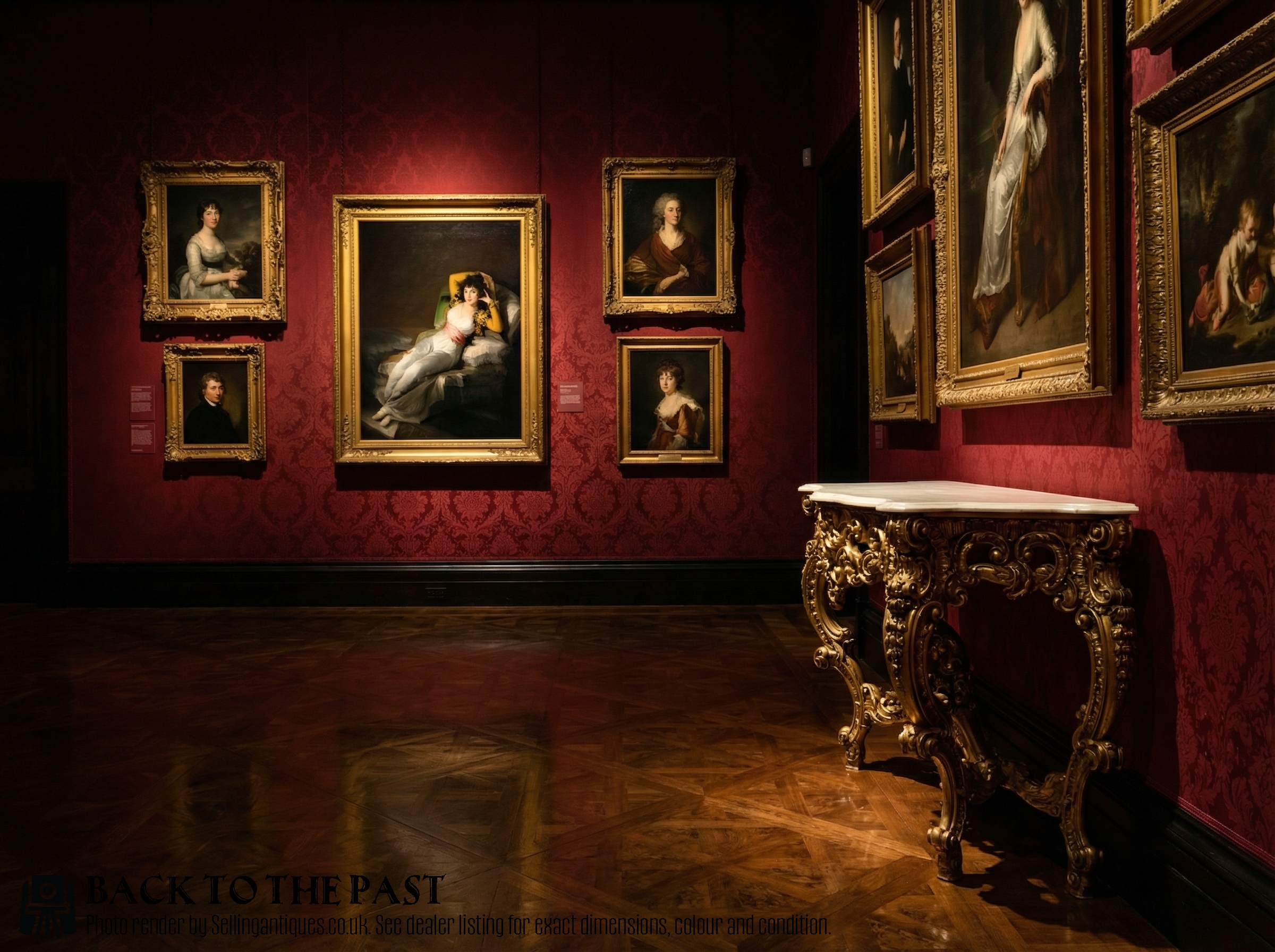
Marble Topped Hall Table
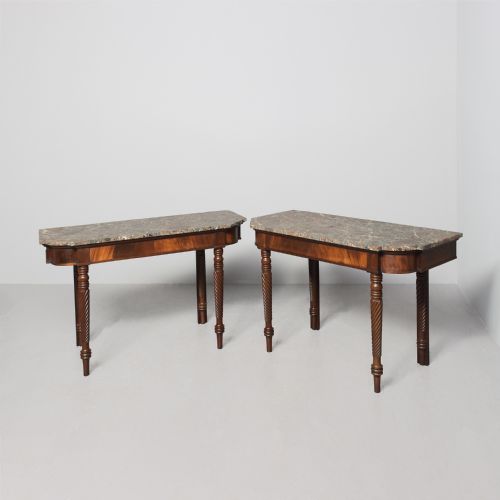
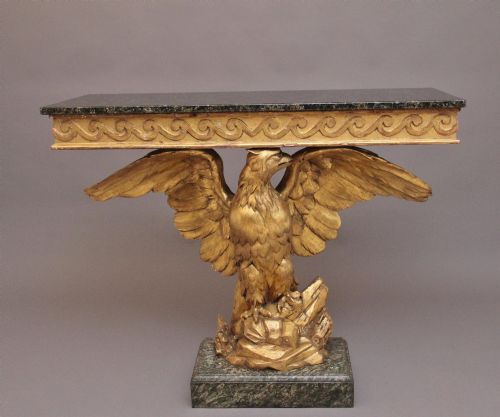
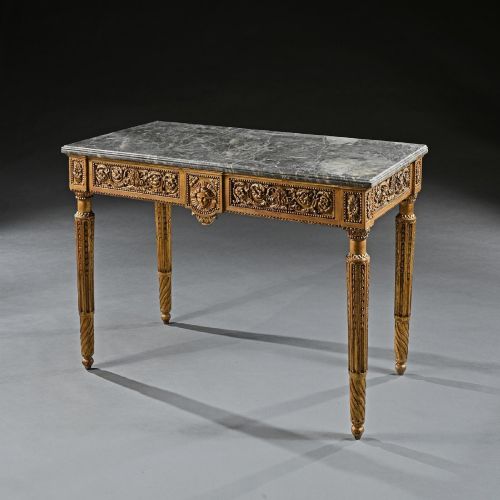
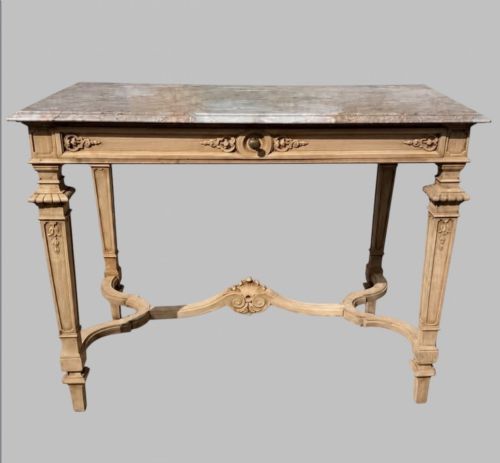
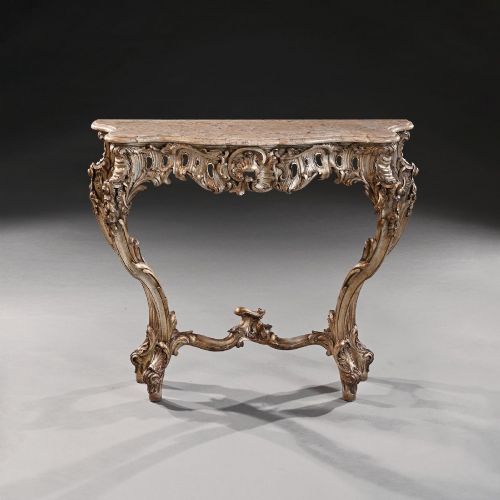
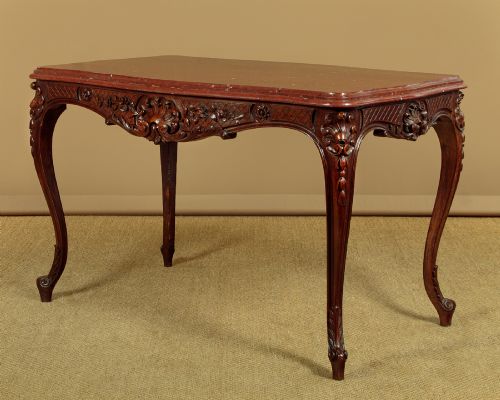
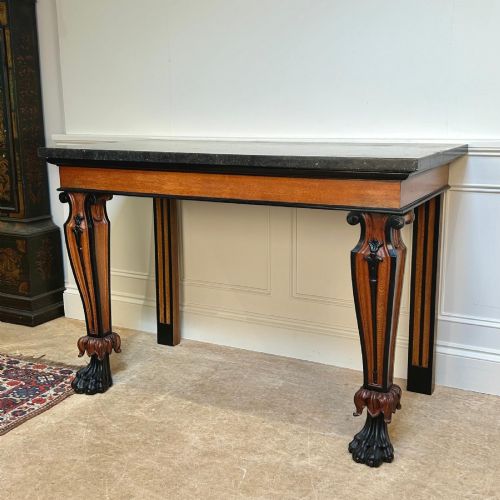
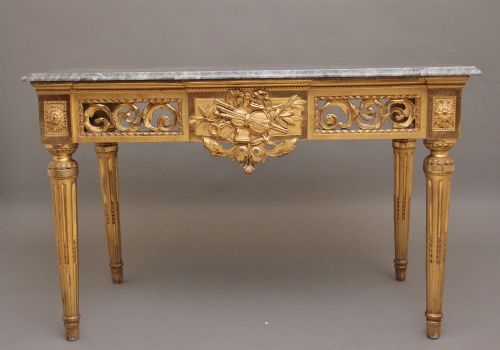
A marble topped hall table serves as a functional and decorative surface in an entranceway, often taking the form of a console or narrow side table. These pieces frequently appear in 18th century, 19th century, and early 20th century iterations spanning Regency, Victorian, and Neoclassical styles.
Buyers encounter console tables, centre tables, and side tables designed to sit flush against a wall or anchor a reception space. The selection draws heavily from French and Italian workshops, alongside British examples in mahogany and oak.
How they were made
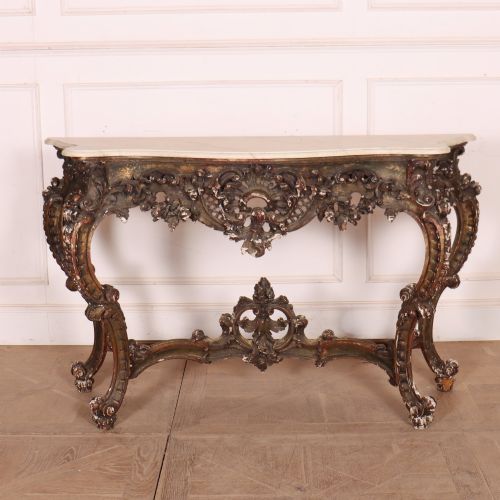
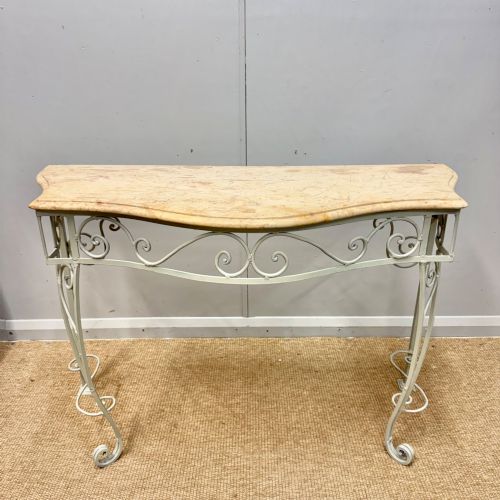
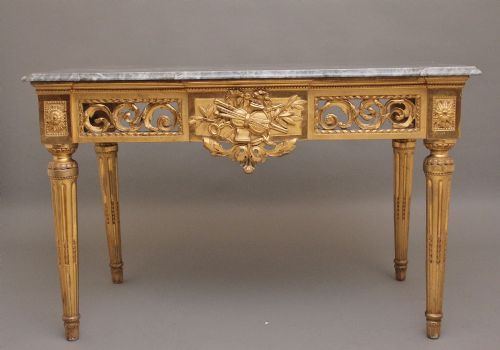
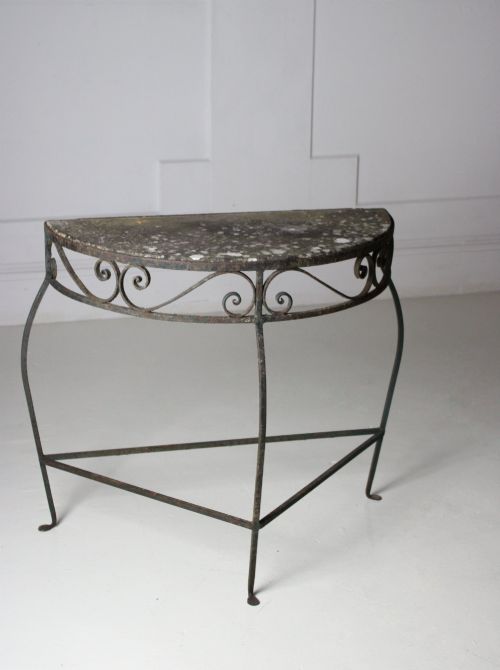
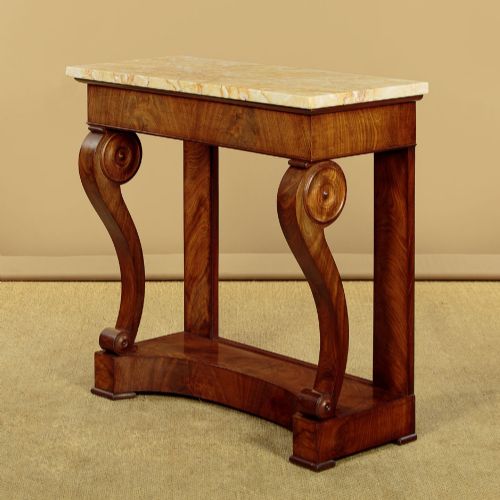
Cabinet makers utilised dense hardwoods such as mahogany, walnut, and oak for the foundational frames, frequently applying giltwood, gesso, or gold leaf for decorative effect. Wrought iron also appears as a structural material in specific French regional pieces.
The heavy stone tops rely on precise masonry to fit the shaped, serpentine, or break-front wooden bases. Artisans employed carving and parcel gilding by hand to finish the timber and iron structures.
Wrought iron frames sneak into the French selections, proving that even heavy stone needs a bit of rustic industrial charm.
What varies in quality
The standard of carving on the wooden or giltwood frames dictates much of the distinction between ordinary and superior pieces. Crisp, deep relief work by hand separates finer examples from simpler production.
The selection and thickness of the marble slab, along with the precision of its edge moulding and fit to the frame, signal the original maker's investment in materials.
Amleto Bertoni
The Marble Topped Hall Table Glossary
- Console table
- A table designed to stand against a wall, frequently secured to it with brackets because of its narrow depth. These tables often support heavy stone tops.
- Gueridon
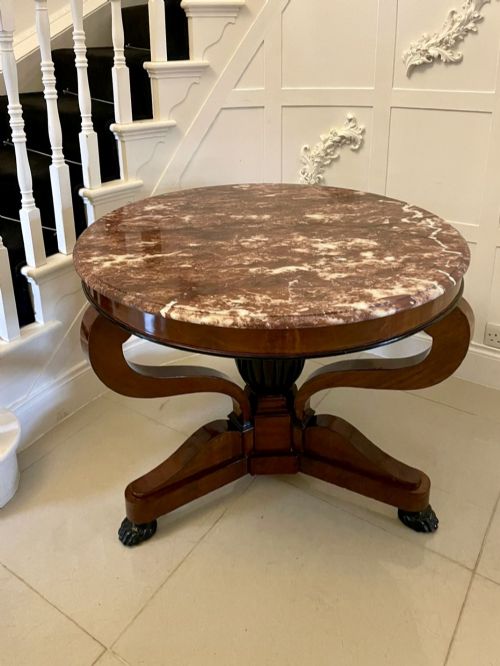
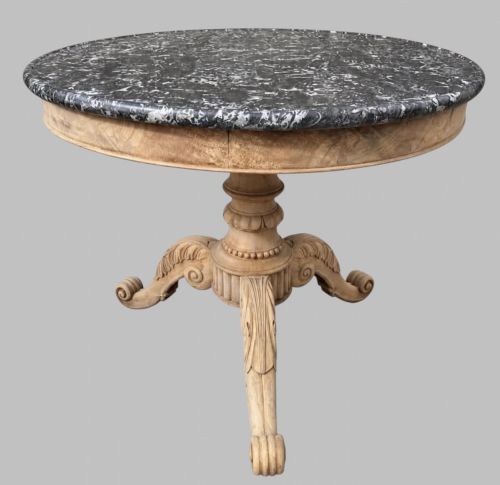
- A small round table, typically supported by a central pillar or tripod base, originating in France. Many examples feature inset marble or onyx tops.
- Giltwood
- Timber that has been coated with a thin layer of gold leaf or gold paint. This finish appears extensively on Neoclassical and Rococo Revival furniture.
- Serpentine
- A furniture front or marble top that curves outward at the centre and inward at the sides, or vice versa. This contour requires skilled shaping.
- Break-front
- A piece of furniture whose front projects forward in sections. This architectural arrangement creates visual depth in large hall tables.
Marble Topped Hall Table: Frequently Asked Questions
Where should a marble topped hall table be placed?
These tables suit entrance halls and narrow corridors where a slim profile maintains floor space while offering a hard-wearing surface for everyday items.
Because many console designs require wall attachment for stability, positioning them against a solid structural wall ensures safety in busy thoroughfares.
How do I care for the stone surface?
Marble requires gentle cleaning with warm water and a soft cloth, avoiding acidic substances that can etch the polished finish over time.
Using coasters and mats protects the historic stone from liquid rings and physical impacts during daily use.
Are these tables heavy to move?
The combination of dense timber frames and thick stone slabs creates substantial weight, meaning repositioning usually requires two people.
Lifting the marble top off the base separately makes moving and transporting older console tables much safer.
How can I tell the period of the frame?
Stylistic cues such as the asymmetry of Rococo Revival or the strict symmetry of Neoclassical design help date the woodwork.
Construction marks, timber shrinkage, and hand-tool signatures on the underside of the frame provide further clues to the manufacturing era.