


Irish Georgian Console Table
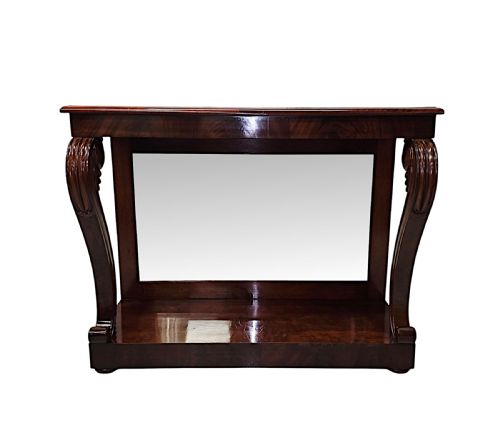
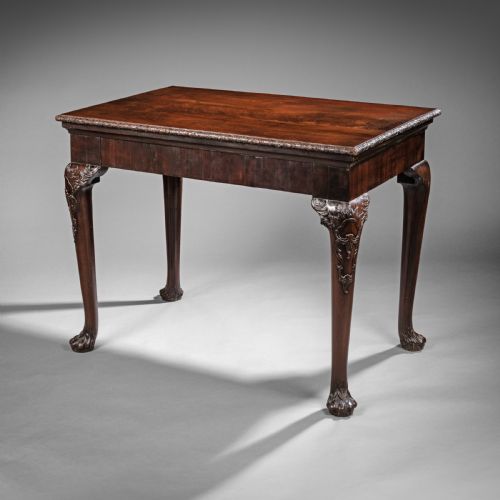
An irish georgian console table is a substantial piece of formal furniture designed for display, appearing here primarily in rich mahogany with carved details.
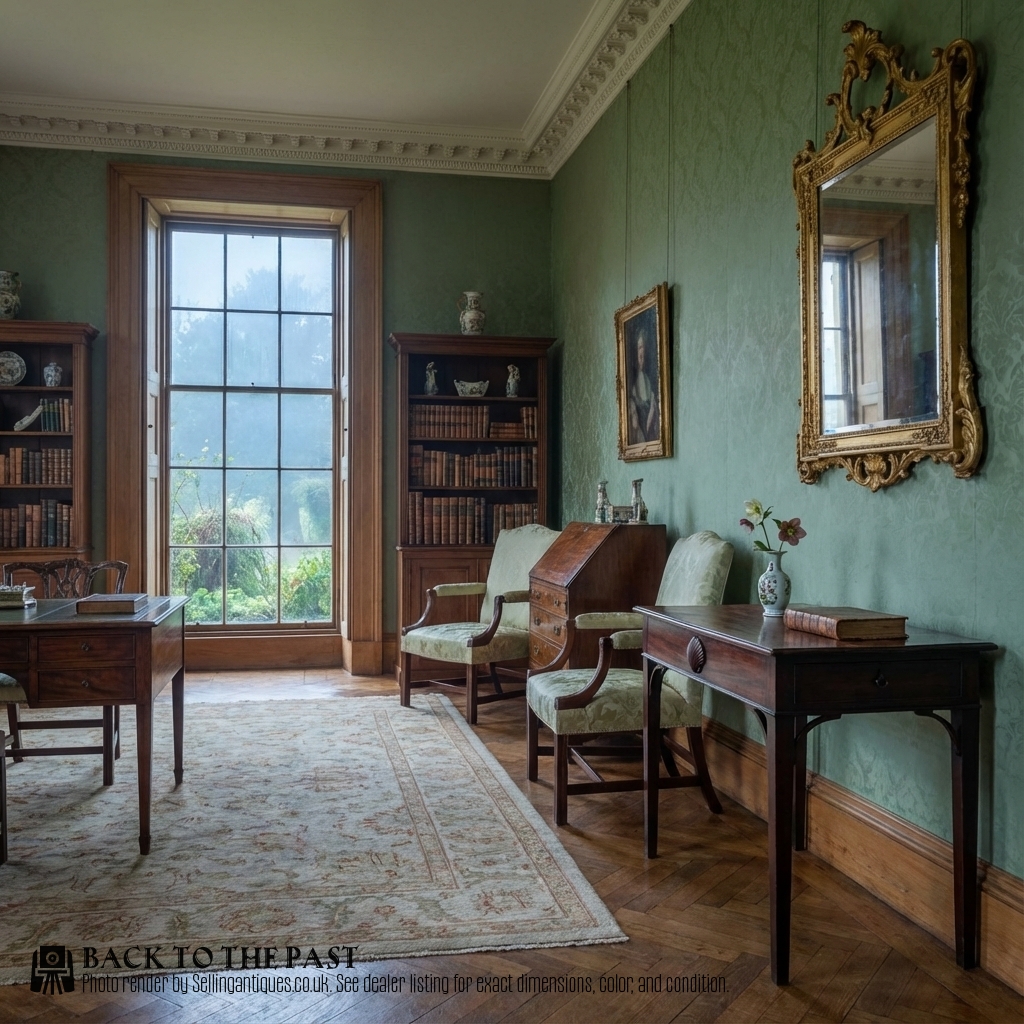
Irish Georgian Console Table
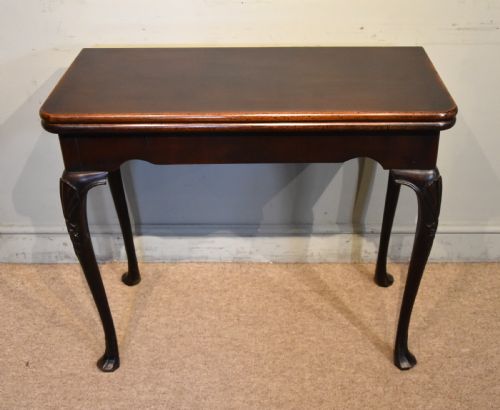
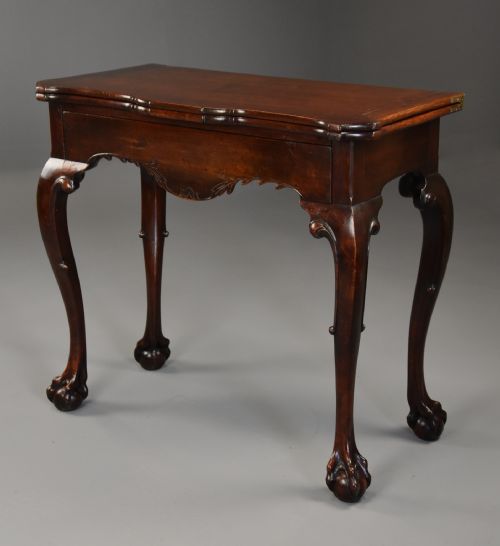
An irish georgian console table sits against a wall as a decorative and functional surface, frequently accompanied by closely related forms such as card tables, games tables, tea tables, and serving tables. The pieces found here span the eighteenth and nineteenth centuries, including items from the Georgian and Regency periods alongside later revival works.
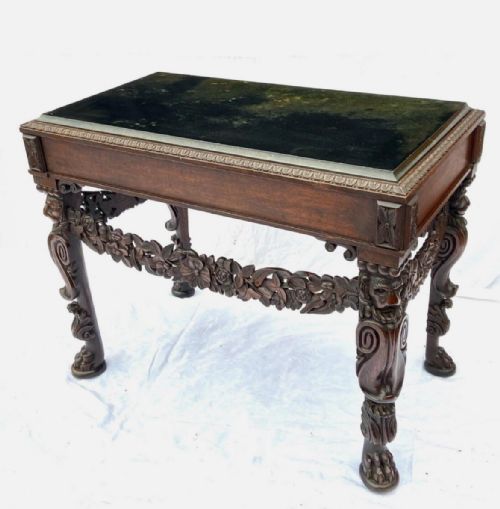
Mahogany dominates the selections, though walnut, oak, and satinwood inlay appear across the listings. Walnut examples and pieces featuring marble tops or brass hardware demonstrate the variety available within these formal domestic forms.
How they were made
Makers utilised solid timbers including mahogany, walnut, and oak for structural frames and surfaces, often selecting dense grain configurations that accepted deep carving. Turn over leaves, concertina actions, and foldover mechanisms allowed card and games tables to transform for domestic use.
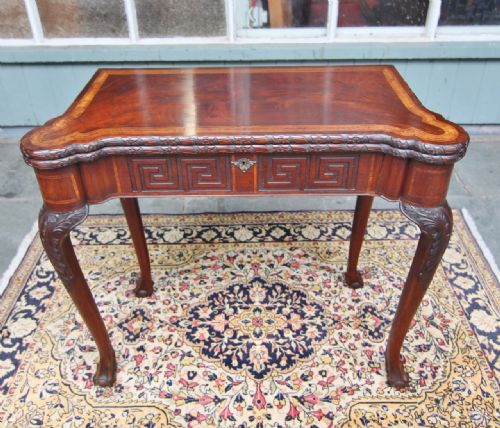
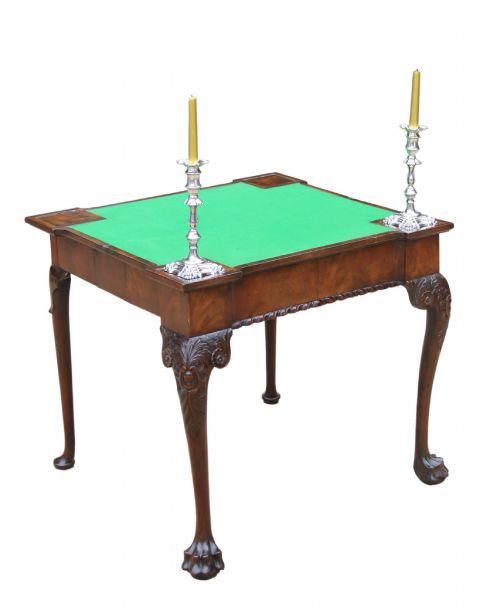
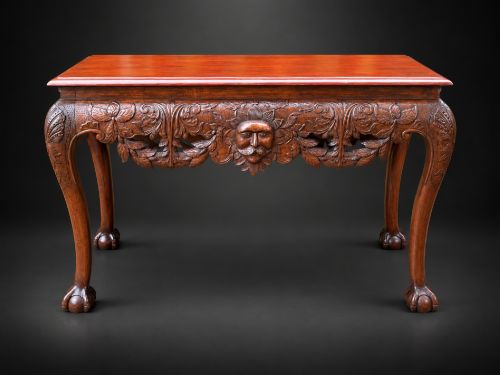
Decorative work involved intricate carving, such as lion masks and paw feet, alongside delicate satinwood inlay and serpentine shaping. Some pieces incorporated marble inserts or glass elements to create contrasting textures on the top surfaces.
The selection spans multiple eras, incorporating eighteenth-century Georgian designs alongside nineteenth-century Regency and later revival periods.
What varies in quality
The refinement of the carved ornament separates standard joinery from exceptional work, particularly where lion masks, paw feet, or elaborate borders define the silhouette. Crisp detailing in the wood demonstrates the hand of a skilled cabinet maker.
The choice of primary timber and secondary woods affects the overall presence of the table, with deeply figured flame mahogany or figured walnut elevating the visual impact. The integrity of folding mechanisms and the preservation of original surfaces also distinguish finer examples.
Gillingtons of Dublin·Hicks of Dublin
The Irish Georgian Console Table Glossary
- Console table
- A wall table supported on brackets or legs, designed primarily for display rather than freestanding use. These pieces often anchor the decor of a formal room.
- Concertina action
- An expanding frame mechanism used on card tables that pulls outward like an accordion to support a foldover top. This design allows four legs to remain visible when the table is open.
- Serpentine front
- A furniture front characterised by a concave central section flanked by two convex curves, or the reverse. This flowing contour requires precise woodworking skill.
- Silver table
- A specialised occasional table with a raised gallery edge designed to hold tea services or silver display items. They are typical of formal eighteenth-century entertaining.
- Turn over leaf
- A hinged table top that folds open to double the surface area for gaming or dining. The rotating or pivoting leaf rests on a swing leg or concertina frame when extended.
Irish Georgian Console Table: Frequently Asked Questions
How do I use a console table?
A console table sits flat against a wall in a hallway, drawing room, or dining space, serving as a surface for lamps, mirrors, or decorative objects. Because they are shallow, they provide a focal point without obstructing movement in narrow areas.
Many variations include foldover leaves or concertina actions that allow the table to function as a card or games surface when needed. This versatility makes them practical for entertaining as well as daily display.
What is the difference between a console and a side table?
Console tables are traditionally designed to stand against a wall, sometimes secured with wall brackets, and often feature finished decoration primarily on the front and sides. Side tables are generally freestanding items finished on all sides for placement anywhere in a room.
In historical listings, these terms often overlap because both forms share similar proportions and uses. Examining the back edges and leg configuration helps determine how the table was intended to be positioned.
How do I care for mahogany furniture?
Mahogany requires stable indoor humidity and protection from direct sunlight to prevent the timber from drying out or fading over time. Regular dusting with a soft, dry cloth preserves the finish without building up heavy wax residues.
Avoid placing hot cups or damp items directly on antique polished wood surfaces to prevent ring marks. Applying a specialist beeswax polish occasionally helps nourish the grain and maintain the natural lustre.
How can I tell the period of a table?
Dating relies on examining the timber species, construction methods, and stylistic details such as cabriole legs, lion masks, or inlaid satinwood. Eighteenth-century pieces often exhibit hand-cut joinery and dense, heavy mahogany stocks.
Later nineteenth-century and revival pieces may incorporate machine-sawn elements or interpret earlier George II and Chippendale styles with different proportions. Comparing the hardware, secondary woods, and overall wear patterns provides further clues to the date of manufacture.