
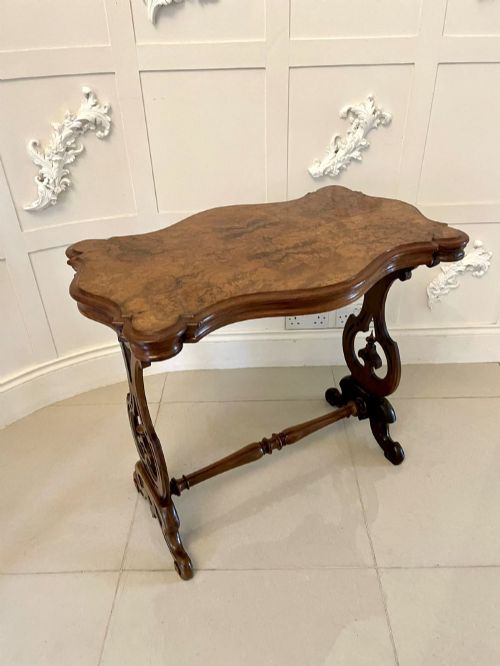
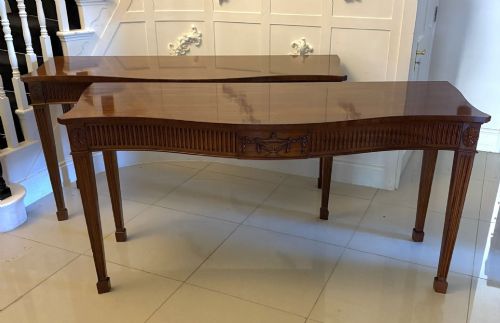
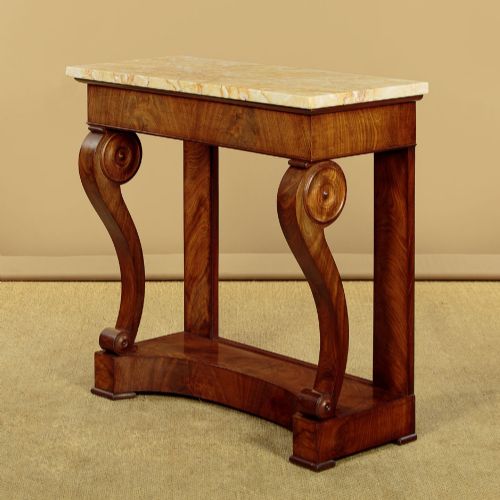
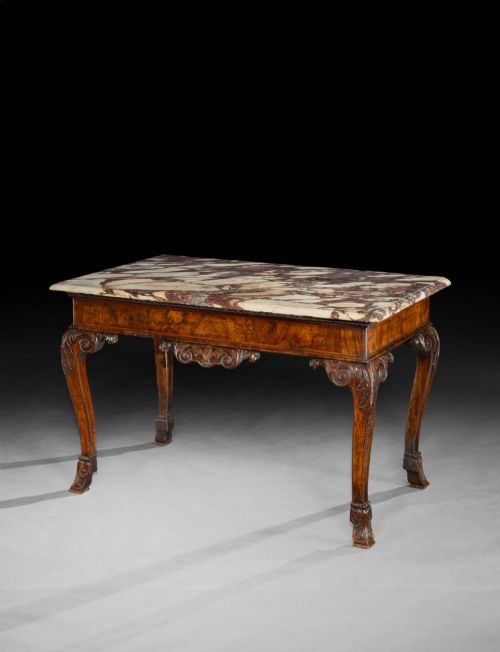




Brown Carved Pier Table
A brown carved pier table brings architectural presence and rich timber grain to a hallway or drawing room.
Brown Carved Pier Table
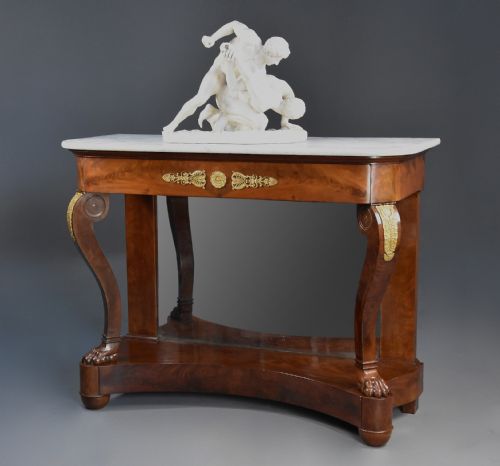
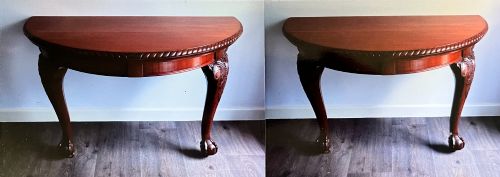
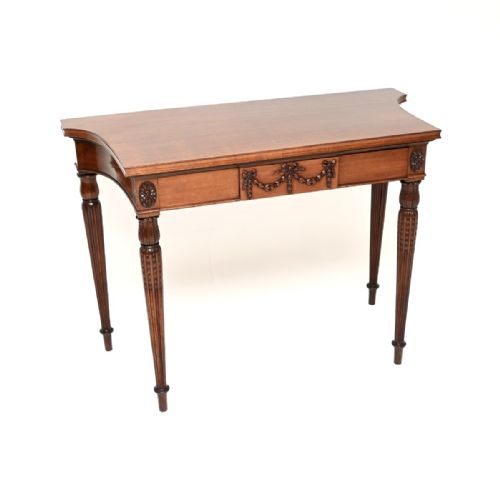
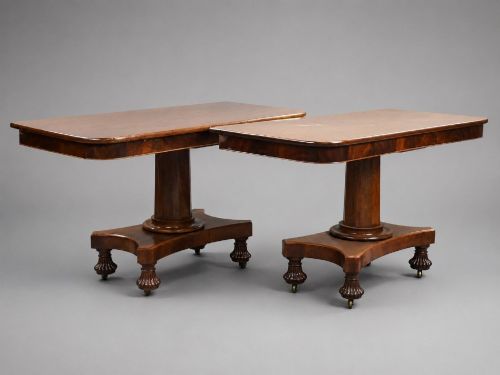
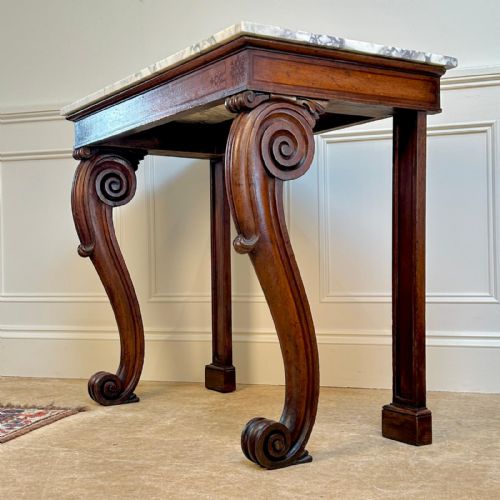
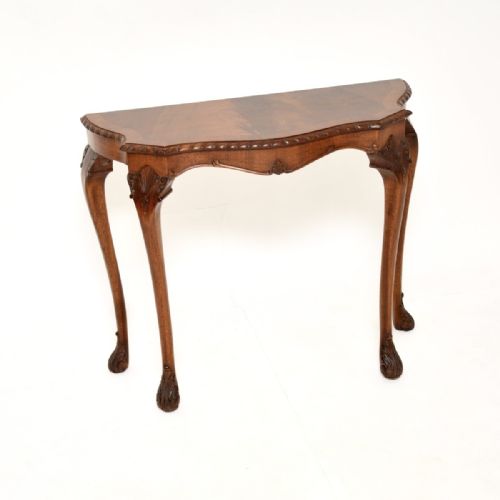
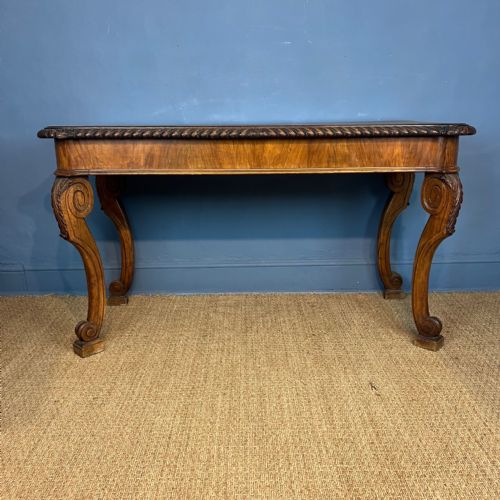
A brown carved pier table is a console or side table designed to sit flat against a wall, frequently beneath a mirror or architectural opening. The examples appearing under this search phrase span centuries of cabinet-making, encompassing periods from the seventeenth century through to the twentieth century.
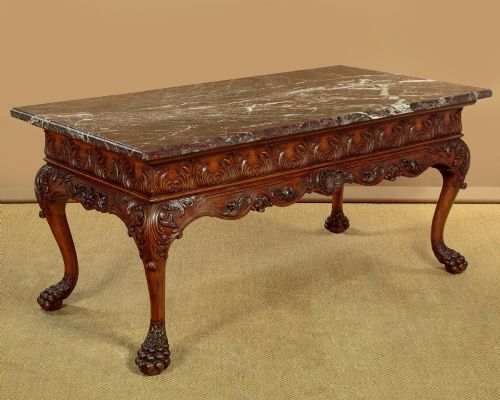
The most frequent versions met on this page are mahogany and walnut pieces built during the nineteenth century, including William IV, Victorian, and Regency interpretations. These tables often incorporate marble tops and intricate carvings reflecting Neoclassical, Baroque, or Rococo Revival influences.
How they were made
Cabinet-makers constructed these tables using dense hardwoods such as mahogany, walnut, and oak, frequently applying flame mahogany veneer or burr walnut to create striking figured surfaces. Selected pieces integrate heavy marble slabs inset into the timber frame.
Carving was executed by hand, ornamenting legs, aprons, and friezes with motifs derived from classical architecture and revival styles. Giltwood, brass mounts, and ormolu details occasionally accent the primary timber structure.
Listings feature mahogany, walnut, and oak timbers paired frequently with marble tops across Regency, Victorian, and Georgian styles.
What varies in quality
Quality rests in the depth and crispness of the hand carving, the choice of timber figure, and the architectural proportion of the frame. Superior examples display carefully matched veneers and robust structural joinery that supports heavy marble tops without sagging.
Lesser pieces rely on simpler mechanical moulding or later stylistic copies that lack the substantial weight and integration of period materials seen in eighteenth-century and nineteenth-century originals.
Epstein and Co·Freeman
The Brown Carved Pier Table Glossary
- Pier table
- A side or console table designed specifically to stand against the wall space between two windows. It frequently supports a matching wall mirror above.
- Marble top
- A polished stone slab fitted to the upper surface of a table. This provided a durable, cool surface often utilised in French and English nineteenth-century designs.
- Flame mahogany veneer
- Thin slices of mahogany timber cut from the fork of the tree where branches join. This technique produces a distinctive flickering flame pattern across the table surface.
- Burr walnut
- Timber harvested from walnut tree growths, yielding a swirling, highly figured grain pattern. Cabinet-makers prized this material for decorative drawer fronts and table tops.
- Ormolu
- Gilt bronze ornamentation applied to furniture mounts and architectural details. It adds metallic contrast to dark timber surfaces in neoclassical and empire pieces.
Brown Carved Pier Table: Frequently Asked Questions
Where do you place a pier table?
These tables are traditionally positioned against a flat wall, often between two windows or in a grand hallway where floor space is shallow. They anchor a room visually without projecting too far into the walking path.
Pairs of these tables frequently flank a fireplace or anchor opposite walls in formal reception rooms to create architectural symmetry.
What is the difference between a console table and a pier table?
While the terms are often used interchangeably in trade, pier tables historically stood against the wall between architectural openings. Console tables share the wall-anchoring function but can include freestanding or bracketed wall-mounted designs.
Both forms serve similar decorative and functional purposes in period interiors.
How do I identify a Regency period table?
Regency tables typically display clean classical lines, dark mahogany or pollard oak timbers, and restrained brass or giltwood accents. The influence draws heavily from ancient Greek and Roman design.
Carvings on these pieces are generally crisper and more geometric than the exuberant curves found on later Victorian revival examples.
Can these tables support heavy objects?
Period tables fitted with solid marble tops are structurally robust, designed to hold heavy decorative items such as bronze urns or large lamps. The stone adds significant weight which helps steady the timber frame against the wall.
Tables with delicate cabriole legs or slender stretcher bases require more careful placement regarding weight distribution.