
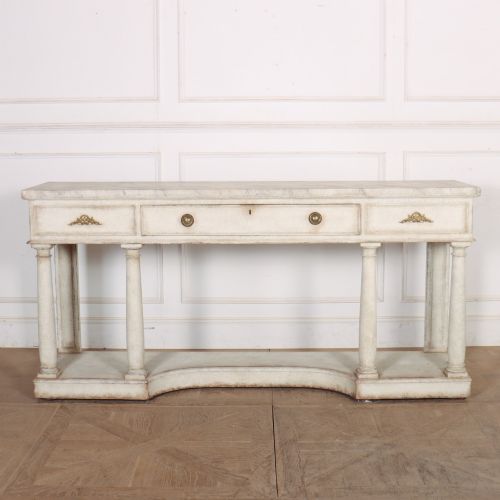


Antique Marble Server
An antique marble server brings solid stone and warm timber together in a piece built to hold dishes or display silver.
Antique Marble Server
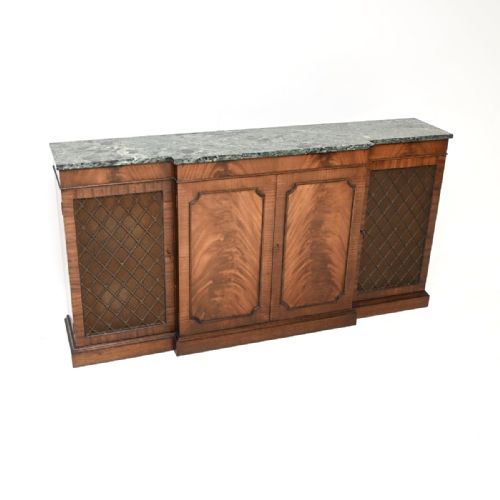
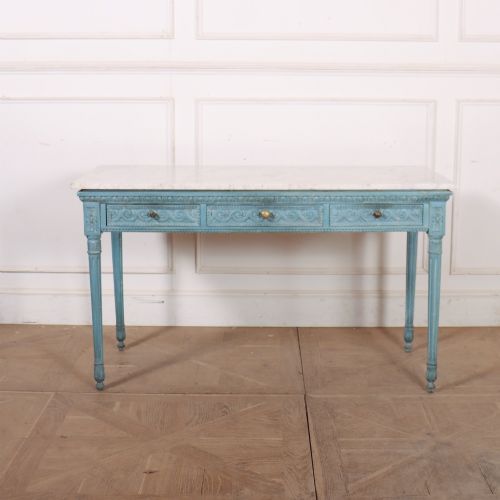
An antique marble server combines a durable stone slab with a timber base designed for dining rooms or hallways. When you search for an antique marble server, you encounter console tables, sideboards, and washstands fitted with stone surfaces.
The pieces appearing here span from the eighteenth century through the Edwardian era and the 1930s. French provincial, Victorian, and Regency examples dominate the selection.
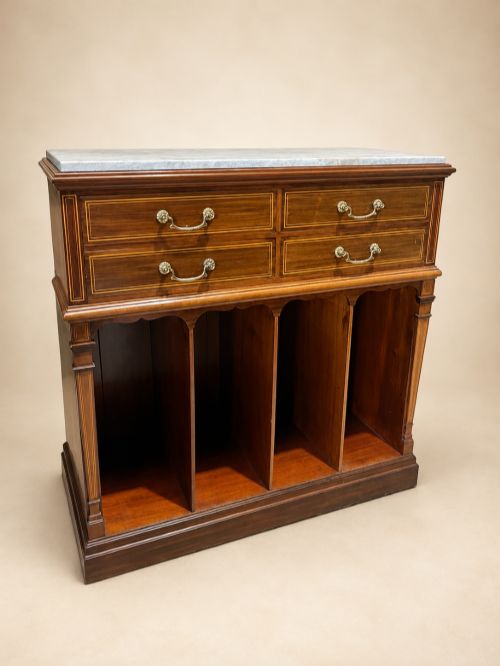
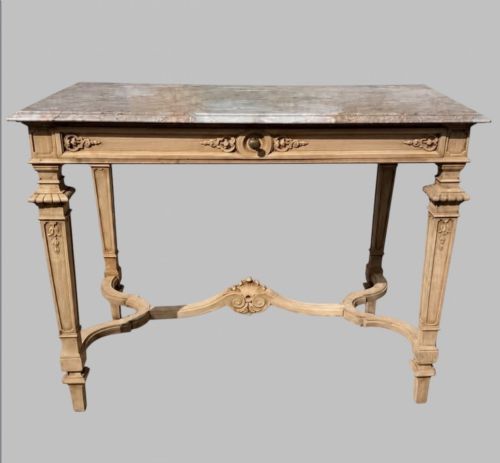
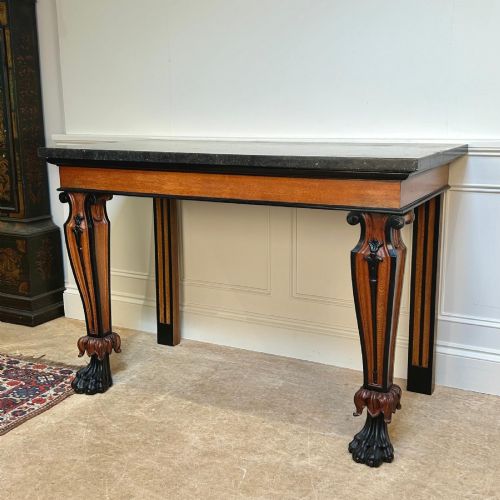
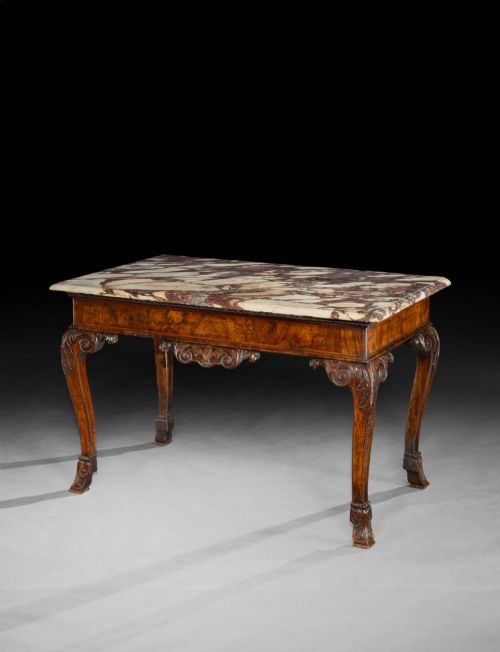
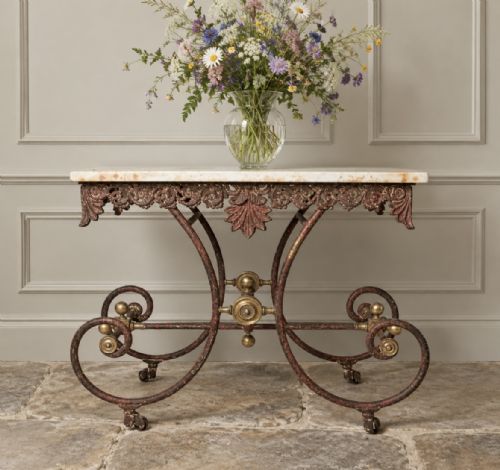
Forms range from carved walnut console tables to mahogany sideboards and patisserie display tables. Each item provides a flat stone top paired with timber cabinetry or legs.
Materials and Construction
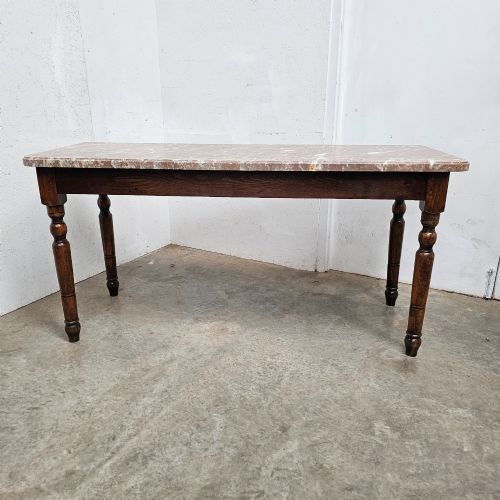
Cabinetmakers built the supporting frames using mahogany, walnut, oak, and pine. Timber surfaces often feature intricate carvings, inlay work, or painted finishes.
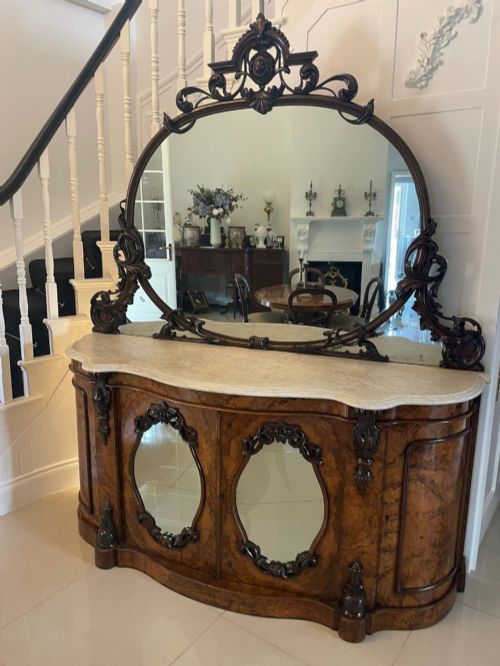
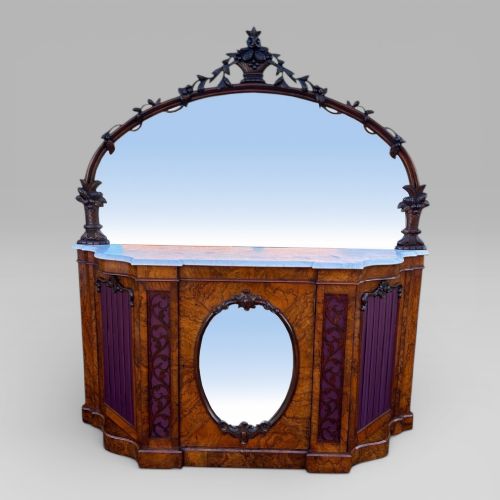
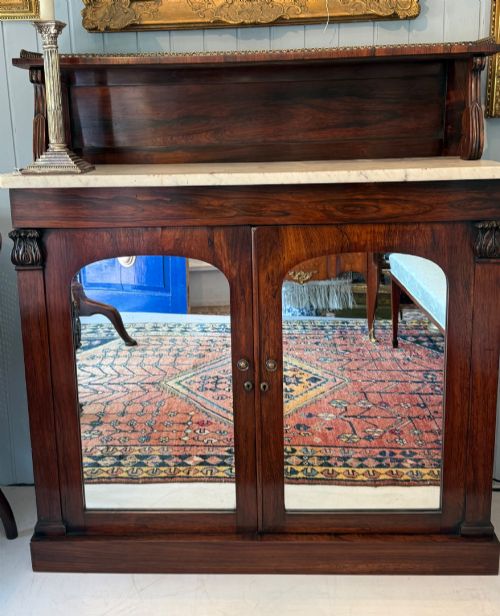
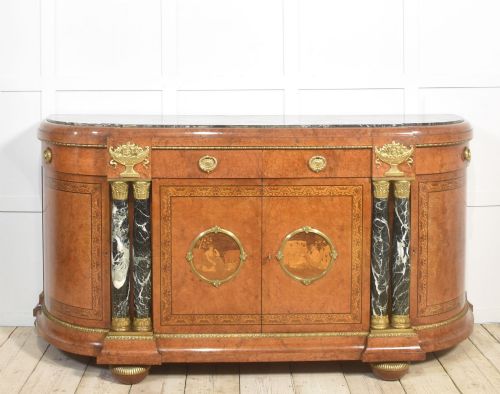
Slabs of marble form the defining top surface, sometimes paired with brass mounts, ormolu, and glass elements. Carved mirror backs also accompany several of the larger sideboard and credenza formats.
Periods represented span from the 18th century through the Victorian era to the 1930s.
Distinctions in Quality
Quality rests in the selection of the timber and the weight and figure of the marble slab. Finely carved details on the legs and frame distinguish finer examples from plain utility pieces.
The integration between the stone top and the wooden base determines the structural integrity. Superior pieces demonstrate precise joinery and balanced proportions across console and sideboard formats.
KRIEGER of Paris
The Antique Marble Server Glossary
- Console table
- A table designed to stand against a wall, frequently supported by ornate legs or brackets. These often feature the stone tops typical of serving tables.
- Ormolu
- Gilded bronze mounts applied as decorative ornaments on furniture frames. This technique appears frequently on French nineteenth-century pieces.
- Chiffonier
- A compact sideboard or cabinet equipped with drawers and doors. They often include shelving or a raised back.
- Credenza
- A sideboard or buffet cabinet used for serving food and storing dining ware. Victorian examples frequently incorporate carved mirror backs.
Antique Marble Server: Frequently Asked Questions
What rooms suit an antique marble server?
These pieces fit naturally into dining rooms as functional serving surfaces or display stations. They also serve well in large hallways as console tables.
The stone top offers a durable surface that handles everyday items while the timber base anchors the room visually.
How do I care for the marble top?
Clean the stone surface using a damp cloth and mild soap, avoiding acidic cleaners that etch the polished finish. Wipe up spills promptly to protect the porous material.
Regular dusting keeps the timber frame and brass mounts in sound condition without harsh polishes.
Are these servers purely French?
While many examples originate from France, English, Irish, and Italian pieces also appear within these styles. Regional carving traditions distinguish the origins.
French pieces often showcase ormolu mounts and Louis styles, whereas English versions rely on mahogany or oak.
How do I distinguish a console from a sideboard?
Console tables feature open legs and stand primarily against a wall for display. Sideboards incorporate enclosed cupboards and drawers for storage.
Both formats utilise stone tops, but sideboards provide significantly more internal capacity.