


Marble Bust Stand
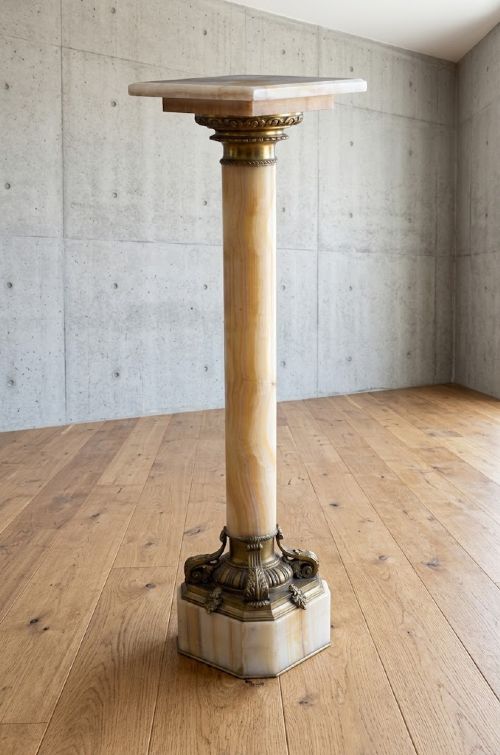
A marble bust stand elevates a carved likeness to eye level, combining solid stone columns with cast metal mounts for dramatic display.
Marble Bust Stand
A marble bust stand appears on this page in various architectural forms, including classical columns, pedestals, and torchere stands designed specifically to support heavy stone or bronze sculptures. Buyers searching for a marble bust stand will encounter pieces spanning the nineteenth century through the twentieth century, alongside earlier Regency and Victorian interpretations.
Many examples double as plant stands or urn supports, reflecting the versatile interior display habits of the nineteenth century. Common configurations range from rotating marble platforms and square scagliola pillars to paired columns featuring ormolu collars.
Origin points across the selection point toward French and Italian workshops, alongside English painted timber alternatives that imitate stone. Neoclassical, French Empire, and Egyptian Revival styles dominate the design vocabulary, incorporating decorative motifs drawn from antiquity.
Craftsmanship and Proportion
Quality rests in the precision of the stone turning and the crispness of the cast metal ormolu mounts fitted to the columns. Superior examples demonstrate harmonious proportions between the capital, the central shaft, and the supporting base, ensuring stability for heavy sculptures.
The choice of materials distinguishes standard utilitarian stands from ambitious decorative pieces, particularly where variegated marbles, rich patinated bronzes, or finely carved Carrara elements are present. Surviving original surface finishes, such as simulated marble paint on timber or fire-gilt bronze details, elevate the integrity of a piece.
One historical stand even doubles as an inkwell, proving that a desk accessory can share space with a miniature Napoleon.
E. Laurent
The Marble Bust Stand Glossary
- Ormolu
- Gilded bronze applied as a decorative mount on furniture and architectural supports. This technique was widely utilised during the nineteenth century in French neoclassical design.
- Scagliola
- A composite material made from selenite, glue, and pigments, embedded to imitate natural marble and other hardstones. Artisans polished the surface to achieve a stone-like sheen.
- Torchere
- A tall stand or pedestal originally intended to hold a candle or torch, later adapted to support decorative urns, plants, and busts. These slender supports frequently feature fluted columns.
- Serpentine
- A dark green silicate mineral with a mottled appearance resembling snake skin, carved into ornamental columns and architectural bases. It offers a distinct alternative to standard white or grey marble.
- Neoclassical
- A revival style drawing inspiration from the classical art and architecture of ancient Greece and Rome. It prioritises symmetry, restraint, and classical column orders.
Marble Bust Stand: Frequently Asked Questions
Where do you place a bust stand?
These supports suit corners, hallways, and living spaces where a vertical architectural element creates visual focal points.
Rotating platforms allow the displayed sculpture to be turned toward different angles of natural light.
How do I identify nineteenth century pieces?
Nineteenth century stands typically display characteristic neoclassical or French revival styling, utilising genuine ormolu mounts and quarried stone.
Construction methods often involve hand-turned timber shafts and traditional joinery beneath the stone top.
Are faux marble stands genuine antiques?
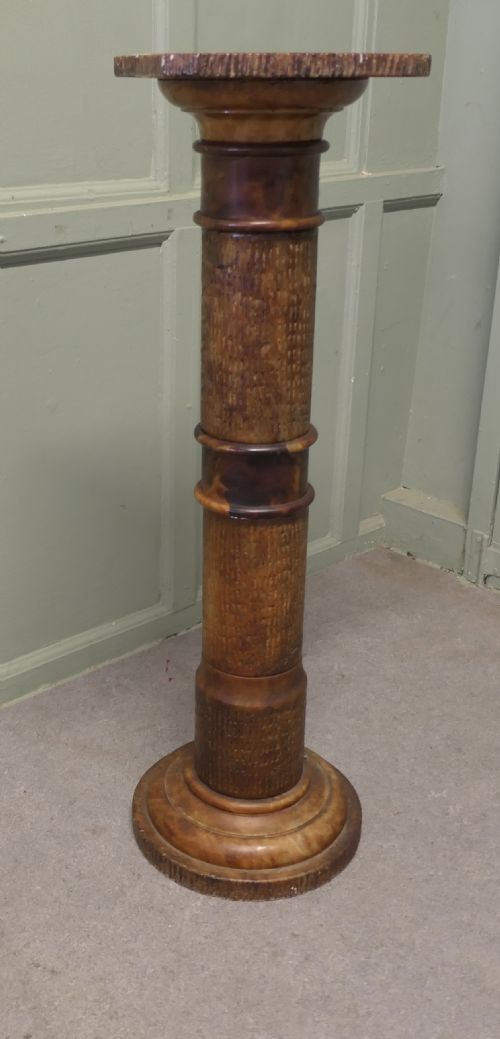
Painted wooden stands featuring simulated marble finishes date back to the Victorian and Regency periods as an accessible alternative to solid stone.
These pieces rely on skilled decorative paint techniques applied over pine or other domestic timbers.