


French Style Column
These pieces built around a french style column bring classical architectural gravitas to an interior through marble, bronze, and ormolu.
French Style Column
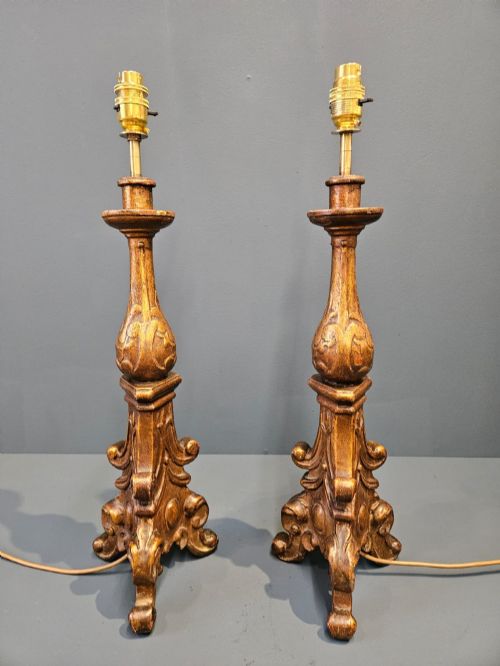
A french style column defines grand pedestals, architectural mantel clocks, and tall lamp bases designed to elevate objects or command a corner. These forms draw directly on Neoclassical, Empire, and Louis XVI vocabularies that privilege verticality and symmetry.
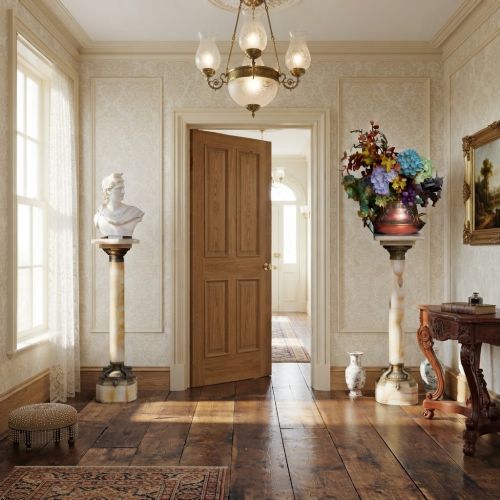
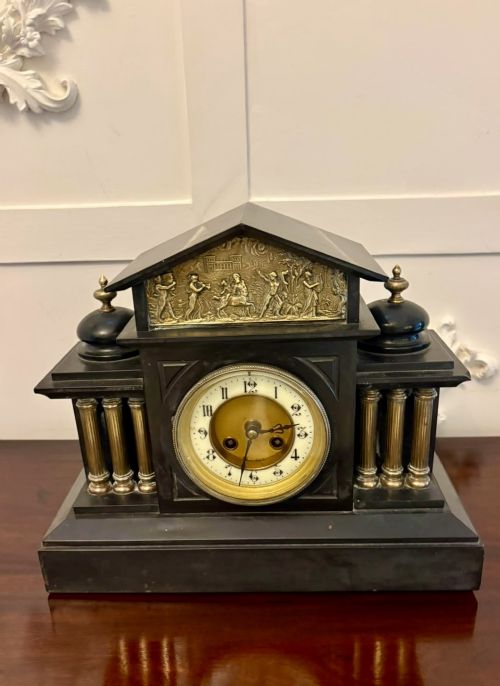
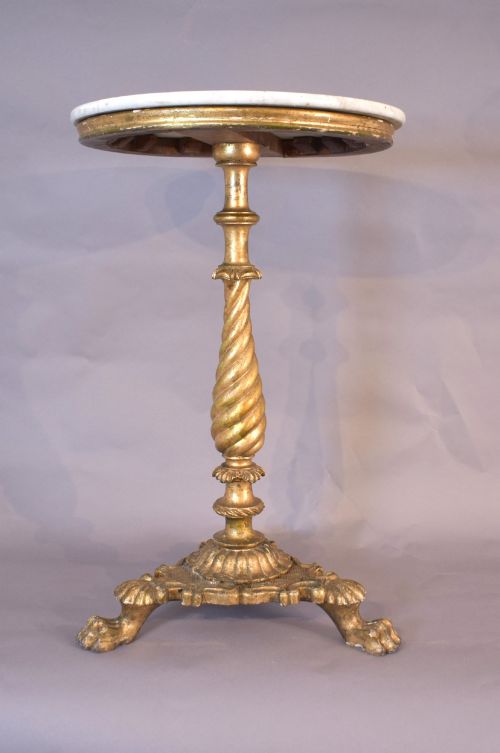
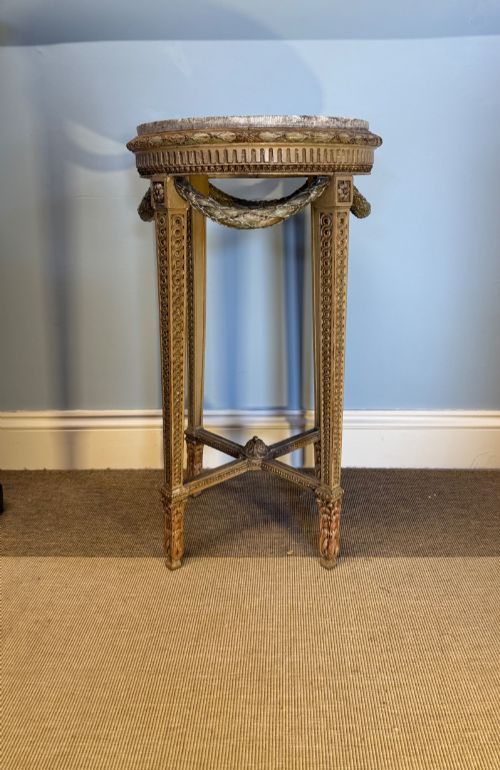
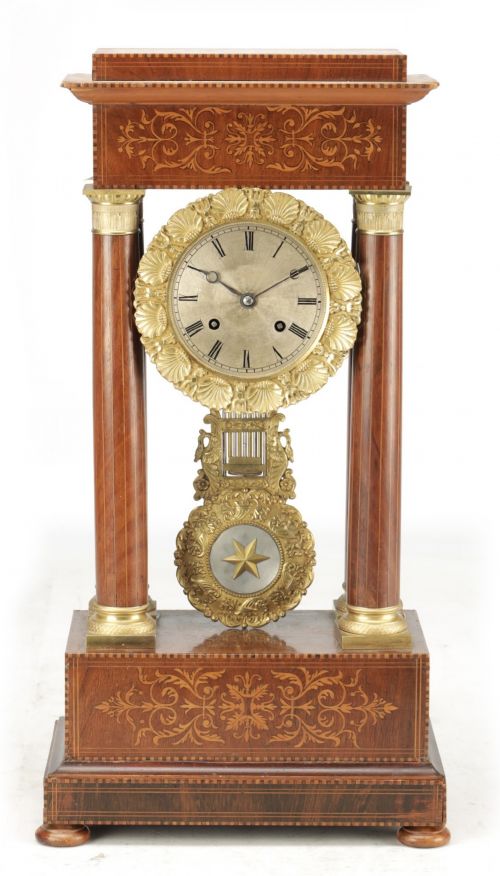
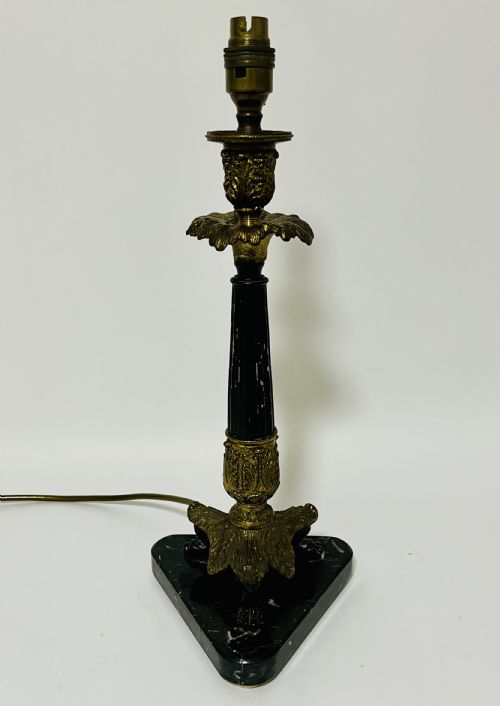
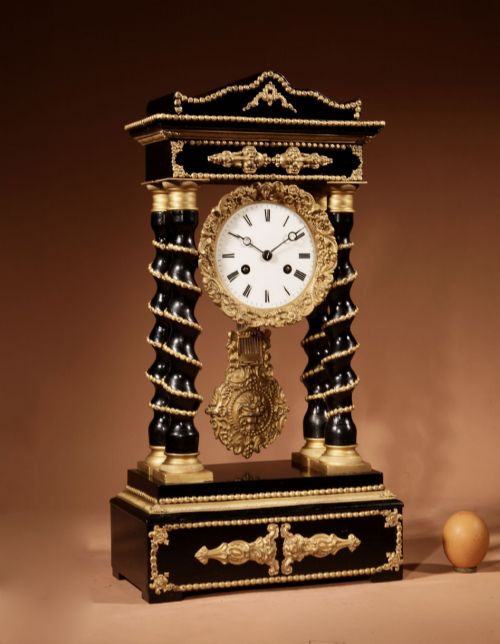
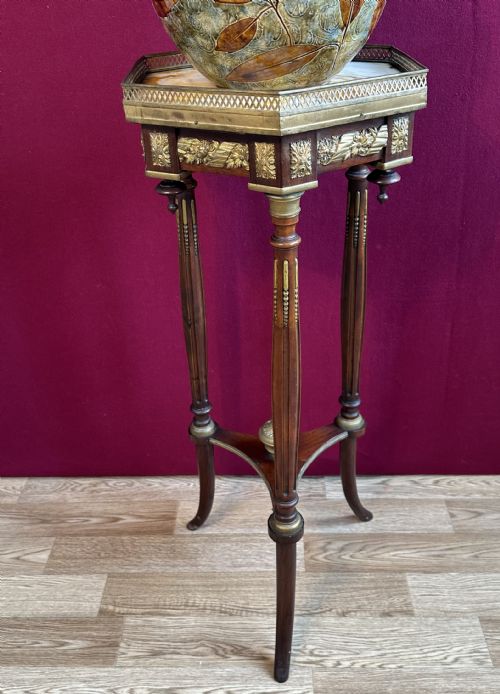
The version most commonly met on this page is the nineteenth-century display pedestal or plant stand, frequently combining turned marble shafts with cast ormolu collars and mounts. Alongside these stands, architectural portico clocks and classical column table lamps appear repeatedly across the listings.
Origins stretch across the nineteenth century into the early twentieth, reflecting revivals from the French Empire through to later neoclassical interpretations. The surviving evidence shows these vertical supports executed in stone, carved wood, and chiseled brass.
Materials and construction methods
Makers utilised dense natural materials like black, white, and vert de patricia marbles, onyx, and alabaster for the main shaft, turning and polishing the stone to a smooth finish. These heavy stone columns often rest upon stepped wooden or bronze bases to distribute weight evenly.
Gilt bronze, ormolu, and chiseled brass provide the decorative collars, capitals, and mounts that punctuate the stone or mahogany. Fire gilding and patination techniques were applied to the metal elements to create sharp contrast against the polished mineral shafts.
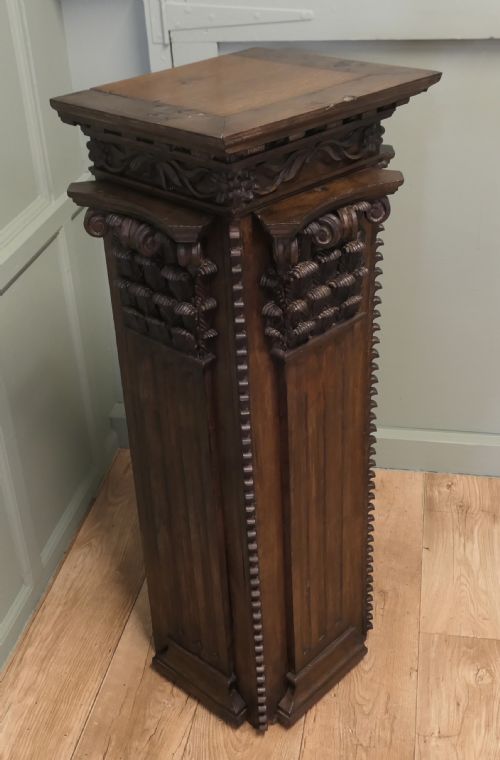
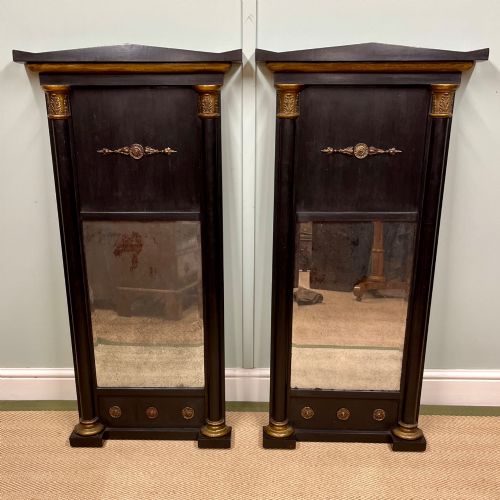
Carved timber frameworks in mahogany, oak, gesso, and giltwood appear where the column form serves as a display stand or frames an overmantle mirror. Joinery relies on traditional pegged and dowelled construction to support the considerable weight of stone tops.
Listings demonstrate that nineteenth-century French columns frequently pair black or vert de patricia marble with fire-gilded ormolu collars.
Distinctions in quality and execution
The refinement of the cast metal mounts separates superior examples from routine production. Crisp chasing in ormolu and gilt bronze reveals hand-finishing by skilled artisans, whereas inferior pieces rely on softer, shallower factory casting.
The choice and integrity of the stone dictate the standing of the piece. Solid, well-figured marble and flawless onyx columns command greater presence than composite or veneered substitutes, maintaining structural rigidity and weight.
The French Style Column Glossary
- Ormolu
- Gilt bronze mounted on decorative arts and furniture. The technique involves applying a mercury and gold amalgam to bronze before firing.
- Portico clock
- A striking clock housed within an architectural frame supported by columns. They are most frequently styled in the French Empire manner.
- Commode
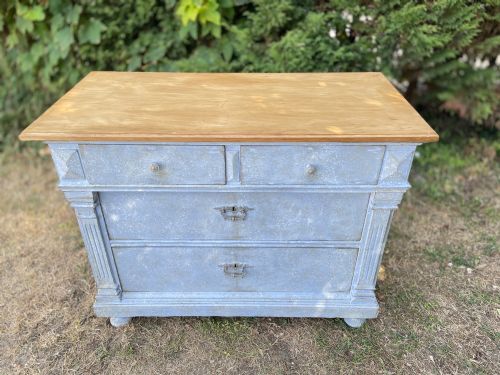
- A low chest of drawers, often featuring marble tops. French examples from the nineteenth century frequently utilise flame mahogany or burr elm.
- Gueridon
- A small round table supported by a central column or pedestal. These often feature decorative flower mouldings or stone tops.
- Capital
- The topmost member of a column, situated above the shaft. Classical examples follow Doric, Ionic, or Corinthian orders.
French Style Column: Frequently Asked Questions
What rooms suit a french style column pedestal?
These vertical stands suit high-ceilinged reception rooms, hallways, and studies where they provide a dedicated platform for bronzes, busts, or large urns.
Because their footprint is modest, they occupy minimal floor space while drawing the eye upward to create a strong architectural focal point.
How do I distinguish Empire style from Louis XVI pieces?
Louis XVI pieces tend to show lighter, more restrained neoclassical proportions with fluted columns and delicate carved floral swags. Empire designs are heavier, more martial, and feature bolder use of ormolu mounts against dark mahogany or black marble.
Examining the crispness of the bronze casting and the choice of timber helps confirm the specific revival period.
Can these heavy marble columns support large bronze sculptures?
Solid marble and onyx columns are engineered to bear substantial weight, making them entirely suitable for heavy bronze figures or large marble busts. The central core and stable base provide the necessary equilibrium for top-heavy display items.
How should I clean ormolu and marble columns?
Dust marble and stone shafts gently with a dry microfibre cloth, avoiding acidic cleaners that etch the mineral surface. Ormolu mounts require minimal intervention; dusting with a soft brush preserves the patination without wearing the thin layer of gold.