





Marble Bust on Plinth
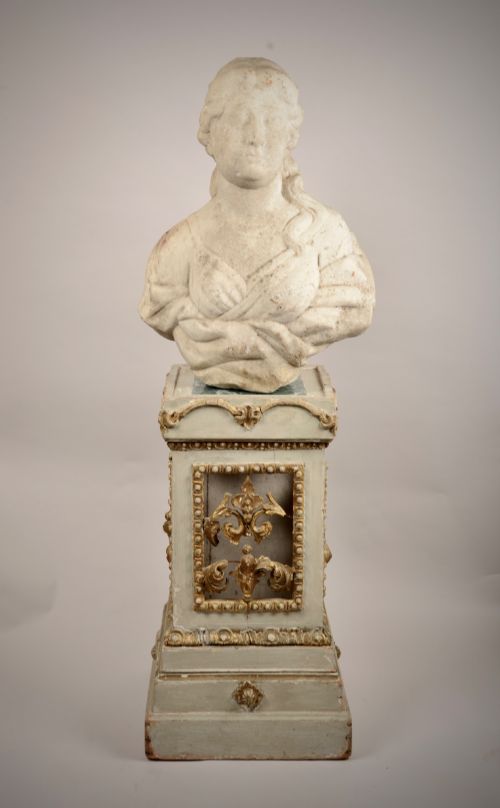
A marble bust on plinth is a classical sculpted portrait elevated on a stone or metal column, bringing tangible antiquity and gravitas into a room.
Marble Bust on Plinth
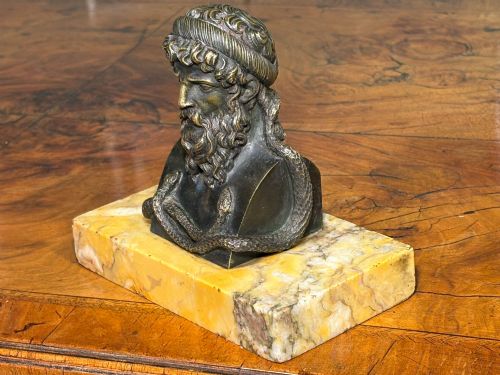
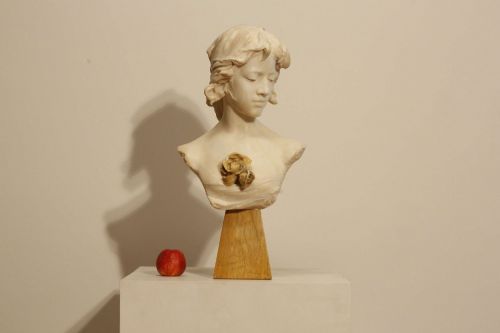
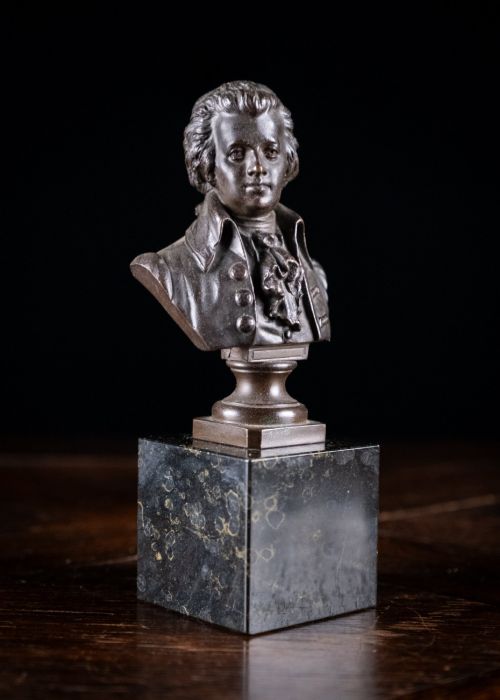
A marble bust on plinth brings together carved sculptural portraits and elevated architectural stands. When exploring this phrase, collectors encounter pieces ranging from ancient-inspired depictions of philosophers and literary figures to Grand Tour souvenirs brought back from Italy.
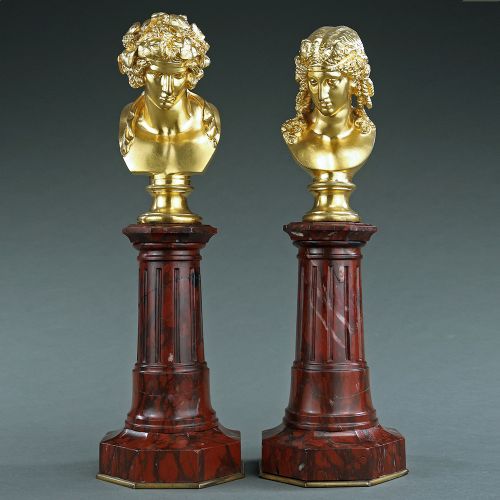
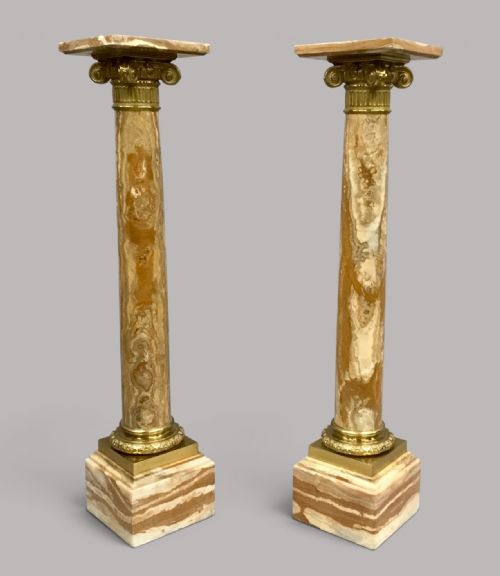
The materials span classical Carrara marble, variegated green stone, and honey-coloured onyx, frequently paired with gilt bronze or ormolu collars. These sculptures draw heavily upon Neoclassical, Baroque, and Victorian Classical Revival aesthetics.
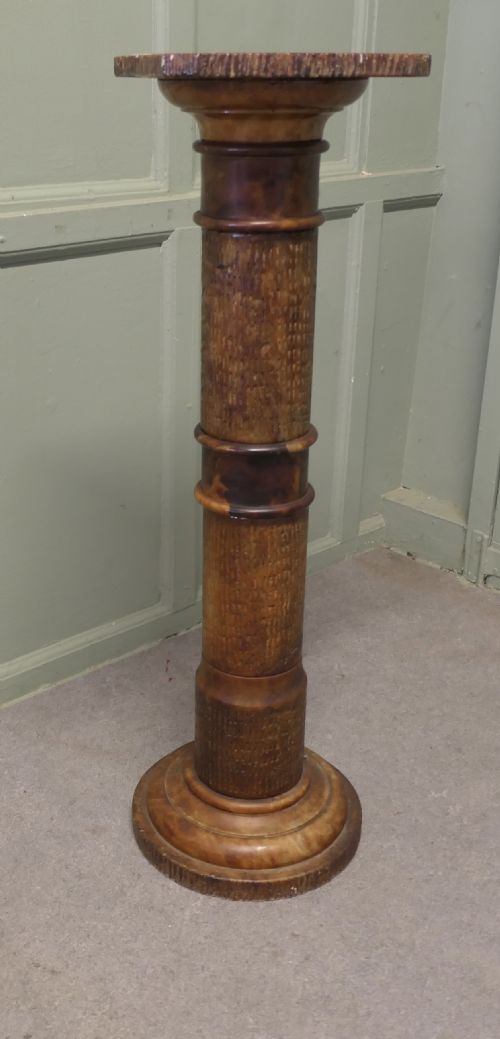
Many of these works sit upon matching pedestals, columns, or specialised stands designed to elevate the portrait at eye level. The grouping unites individual sculptural busts with dedicated plinths and torcheres.
Factors of Quality
The finesse of the stone carving dictates the visual success of the portrait, particularly in the rendering of hair, expression, and musculature. Softer, more naturalistic folds in drapery and precise facial detailing separate masterworks from routine workshop production.
The integration between the sculpture and its mount matters greatly. High-grade examples feature heavy cast ormolu collars and substantial stone plinths that complement the proportion and weight of the bust above.
Marble Bust on Plinth Retail Price Guide 2026
Typical asking prices for marble bust on plinth among the pieces listed under this phrase on Sellingantiques today, from the lower quarter to the upper quarter. They describe what is for sale here now, not the wider market.
One listed ormolu bust of Apollo carries provenance from the collection of Gianni Versace.
The Marble Bust on Plinth Glossary
- Carrara marble
- A type of white or blue-grey marble from the city of Carrara in Tuscany, widely used for neoclassical sculpture. It is prized for its fine grain and luminous quality.
- Ormolu
- Gilding technique of applying finely ground high-carat gold to a bronze object. This French-derived process prevents tarnishing and adds rich warmth to metal mounts.
- Neoclassical
- A style revving classical antiquity, emerging in Europe during the mid eighteenth century. It prioritises restraint, symmetry, and subjects drawn from mythology and philosophy.
- Scagliola
- A composite material made from glue, binders, and pigments mixed with marble chips. Artisans use it to imitate scagliola or variegated stone surfaces with convincing depth.
Marble Bust on Plinth: Frequently Asked Questions
Where should I place a heavy marble bust?
These sculptures require substantial weight support, making corner tables, sturdy hallways, or dedicated masonry pedestals ideal locations. Ensure the floor surface is level before positioning stone works.
Keep them away from direct heat sources and high-traffic pathways where accidental knocks might occur.
How do I clean marble and ormolu?
Dust marble surfaces gently with a soft, dry cloth rather than using chemical household cleaners. Avoid abrasive pads that can scratch the polished stone finish.
Gilt bronze mounts require similar care, using only a dry microfibre cloth to preserve the metallic lustre.
Are these pieces from the Grand Tour?
Many nineteenth-century examples originate from the Grand Tour tradition, where affluent travellers collected classical antiquities and smaller souvenir sculptures across Italy. These pieces often depict philosophers, emperors, or mythological figures.
Such works reflect the classical education and refined tastes of the period.
How can I tell different marble types apart?
Carrara marble presents a characteristic white or pale grey ground with subtle veining, while onyx exhibits translucent banding in honey or amber tones. Variegated green marbles display complex, multi-coloured mineral inclusions.
Close inspection of the grain and translucency helps identify the specific stone used.