
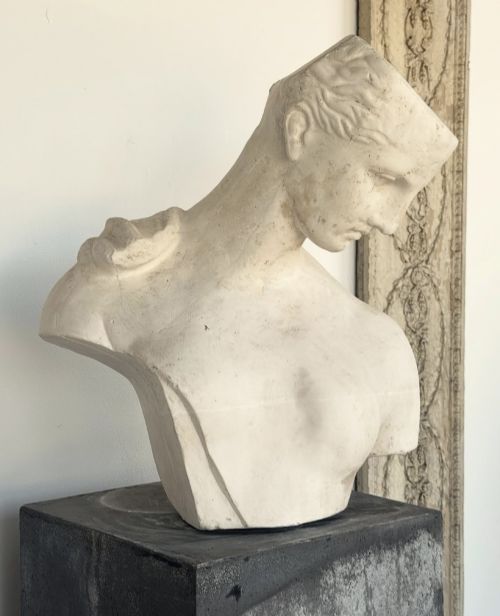
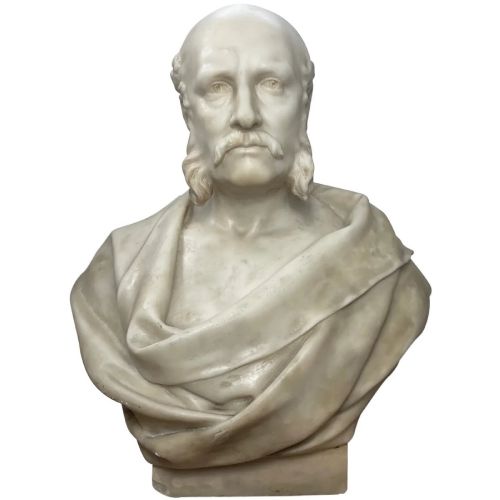
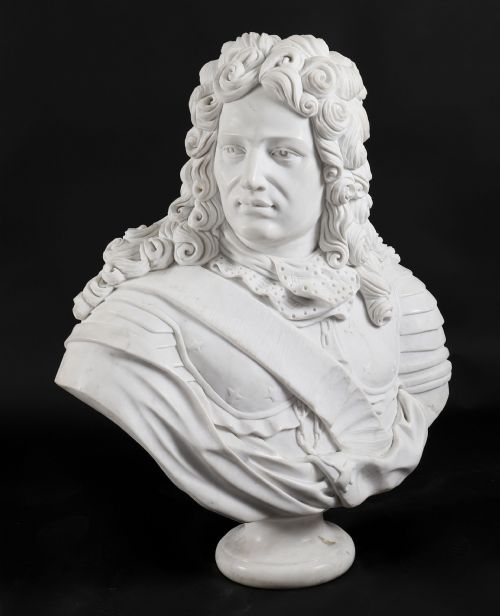
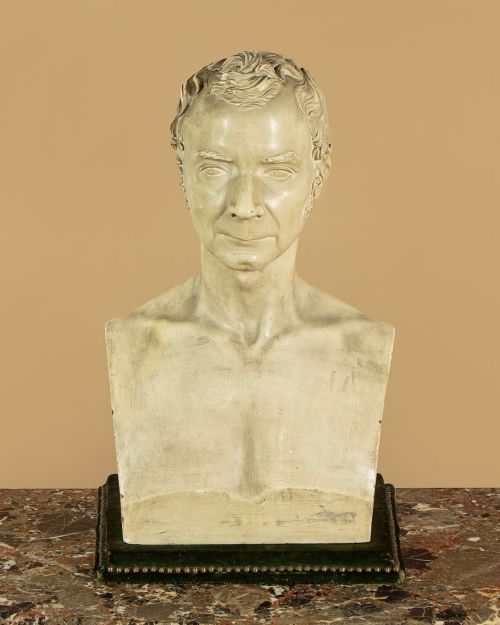


Male Bust Sculpture
These male bust sculpture pieces capture likeness and character in bronze, marble, plaster, and terracotta across several centuries.
Male Bust Sculpture
A male bust sculpture is a three-dimensional portrait focusing on the head, neck, and shoulders of a man, ranging from classical figures to Victorian gentlemen and modern studies.
You will most frequently meet plaster and marble examples from the nineteenth century alongside bronze castings and terracotta works.
The selections span library figures, grand tour souvenirs, monumental civic portraits, and garden statuary.
Materials and methods
Makers shaped these works through carving in white marble, alabaster, stone, and wood, or through casting in bronze, brass, plaster, and terracotta.
Bronze pieces typically utilise the lost-wax casting method before receiving hand-finished patination, while plaster works rely on moulds taken from original models.
Signatures, inscriptions, and foundry marks occasionally appear on the base, plinth, or reverse of the sculpture.
Gentlemen portrayed span from Roman emperors and gladiators to medieval knights, philosophers, and twentieth-century South American men.
Assessing quality
Cast bronzes show distinction through the depth and warmth of the patina, whereas carved marble and stone reveal mastery in the handling of light across facial contours.
Sir Thomas Brock·Alajos Strobl·Mathurin Moreau·Richard Aurili·Giuseppe Moretti
The Male Bust Sculpture Glossary
- Bust
- A sculpted representation of a person from the chest or shoulders up. It focuses attention entirely on facial expression and headwear.
- Patina
- The surface appearance and coloration developed by age or chemical treatment on metal, wood, and stone. It adds depth to bronze castings.
- Maquette
- A small preliminary model or sketch sculpture made before creating a finished, full-scale work. These retain an immediate, hand-formed character.
- Écorché
- A figure drawn, painted, or sculpted showing the muscles of the body without skin. These studies were used for academic training in anatomy.
Male Bust Sculpture: Frequently Asked Questions
Where should I display a plaster bust?
Plaster works suit indoor library shelves, studies, or mantels where they remain protected from moisture and direct sunlight. They offer a classic, matte appearance that complements traditional and modern rooms alike.
Keep them away from high-traffic areas where they might suffer knocks, as plaster chips more readily than bronze or marble.
How do I clean a marble bust?
Dust marble gently with a soft, dry cloth or a fine brush to prevent dirt settling into the carved details. Avoid using harsh chemical cleaners or abrasive pads that can ruin the surface finish.
Consult a professional restorer if the stone has accumulated deep staining or old wax buildup.
What does Grand Tour mean?
Grand Tour pieces are sculptures or souvenirs acquired by travellers visiting cultural centres in Europe during the eighteenth and nineteenth centuries. They often reproduced famous classical antiquities in miniature form.
These works reflect the classical education and refined tastes of collectors from that era.