



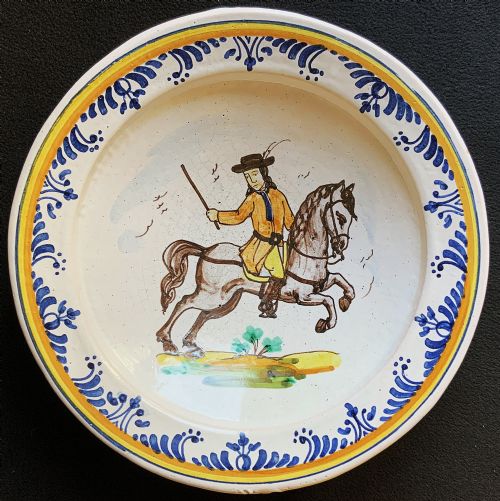


Majolica Ceramic Plate
These majolica ceramic plate examples bring vibrant tin glaze and lead glaze colour to a room through centuries of European potting traditions.
Majolica Ceramic Plate
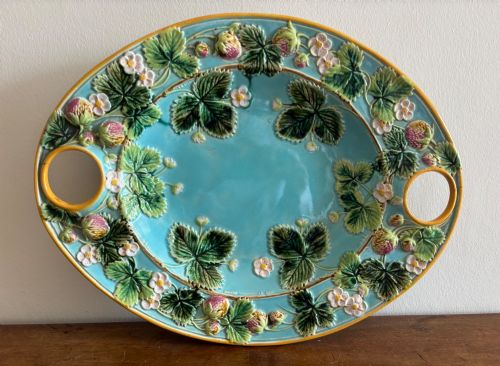
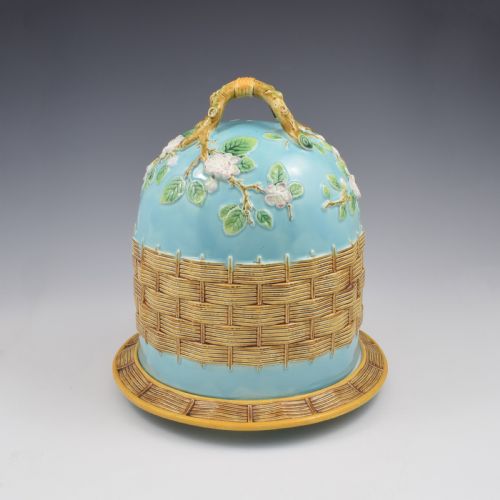
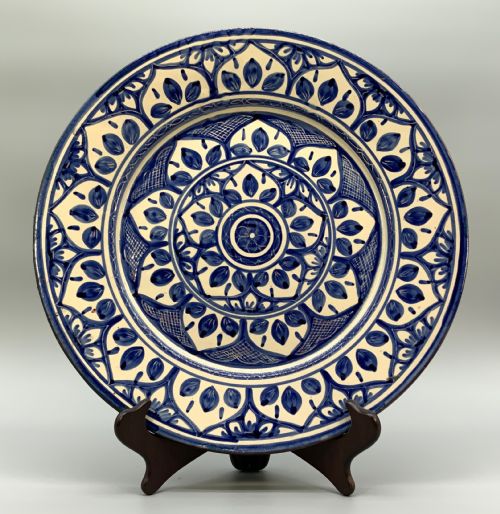
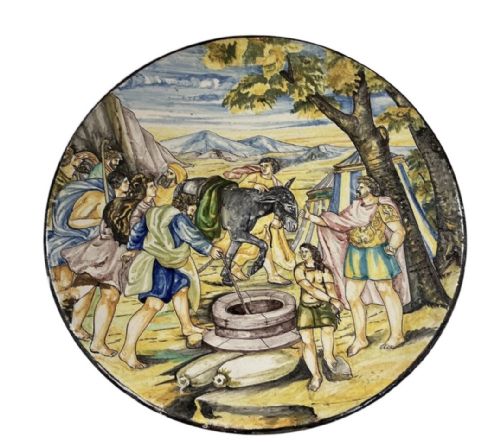
A majolica ceramic plate selection covers decorative plates, wall chargers, dessert service sets, and serving dishes spanning from the seventeenth century through to the twentieth century. These items encompass earthenware and tin-glazed earthenware shaped into chargers, platters, and specialised vessels like cheese dishes and tureens.
Buyers will encounter nineteenth-century pieces alongside eighteenth-century items and examples bearing Victorian, Renaissance Revival, Dutch Baroque, and Moorish Revival styles. The selection includes works originating from English potteries, Italian schools, Spanish tin-glazed production, and continental European workshops.
How they were made
Potters utilised earthenware bodies as the foundation for these vessels, applying tin glaze or lead glaze to seal the porous clay. Pigments were painted directly onto the unfired or fired glaze surface to create polychrome designs and historical scenes.
Firing techniques allowed oxide colours to fuse with the glaze, producing the glossy finish characteristic of maiolica and faience wares from various European regions.
Majolica Ceramic Plate Retail Price Guide 2026
Typical asking prices for majolica ceramic plate among the pieces listed under this phrase on Sellingantiques today, from the lower quarter to the upper quarter. They describe what is for sale here now, not the wider market.
Surviving nineteenth-century cheese bells and crab tureens prove that Victorian dining involved an immense amount of whimsy.
What varies in quality
The clarity and complexity of the painted decoration distinguish standard domestic items from ambitious exhibition chargers and specialised dessert services. Hand-painted historical scenes and intricate botanical or avian reliefs demand higher skill than simpler geometric or monochromatic glazed surfaces.
The crispness of the moulded relief work and the preservation of the polychrome glaze across centuries indicate the original standard of manufacture and subsequent handling.
George Jones·Minton·Wedgwood·Jose Alvez Cunah
The Majolica Ceramic Plate Glossary
- Maiolica
- The Italian spelling and tradition of tin-glazed earthenware. This term frequently applies to Renaissance style and nineteenth-century revival chargers.
- Charger
- A large decorative plate intended for display on a wall or sideboard rather than daily dining use. These often measure significantly broader than standard dinner plates.
- Faience
- European tin-glazed earthenware produced in France, Holland, Spain, and other continental regions. It shares technical roots with majolica production.
- Tin Glaze
- An opaque white glaze containing tin oxide that provides a smooth canvas for painted decoration. It defined much of European pottery production before creamware took over.
Majolica Ceramic Plate: Frequently Asked Questions
How do I hang a heavy wall charger?
Heavy earthenware and tin-glazed chargers require specialised wall fixings that distribute weight evenly across the base and rim rather than relying on simple wire clips.
Ensure the mounting hardware is anchored securely into wall studs or solid masonry to support the considerable weight of nineteenth-century ceramic pieces.
Can I use these plates for food?
Historic majolica and tin-glazed earthenware often feature lead or tin compounds in their glazes that can leach when exposed to acidic foods.
Displaying these items as decorative plates or serving dry items is generally safer for preserving both the glaze and your health.
How do I clean an antique majolica plate?
Dust these ceramic surfaces gently with a soft, dry cloth and avoid submerging historical pieces in water for extended periods.
Moisture can penetrate old earthenware through hairline crazing in the glaze, causing staining or structural weakening over time.
What is the difference between majolica and faience?
Majolica typically refers to brightly coloured lead or tin-glazed pottery with heavy relief modelling, particularly popular during the Victorian era and in Italian traditions.
Faience generally describes tin-glazed earthenware from French, Spanish, or Dutch traditions, often featuring flat painted scenes rather than raised sculptural details.