

Antique Delft Display
These antique delft display pieces bring together tin-glazed earthenware and timber plate racks designed to show plates to advantage.
Antique Delft Display
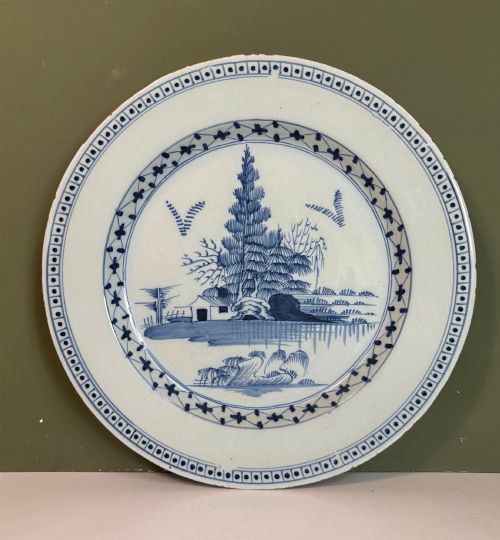
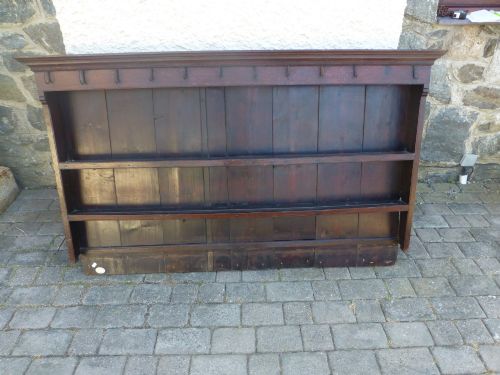
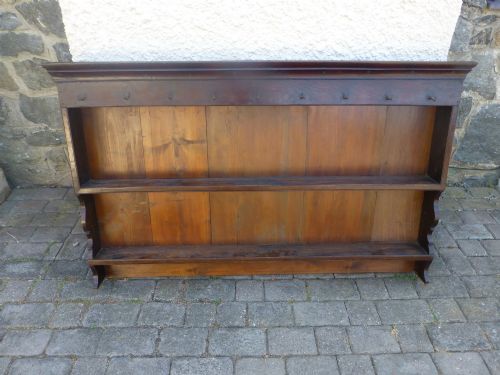
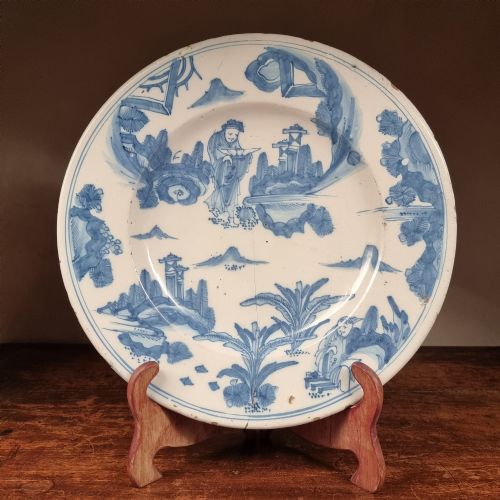
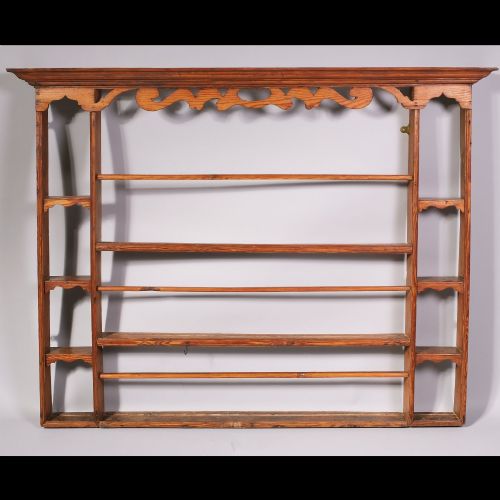
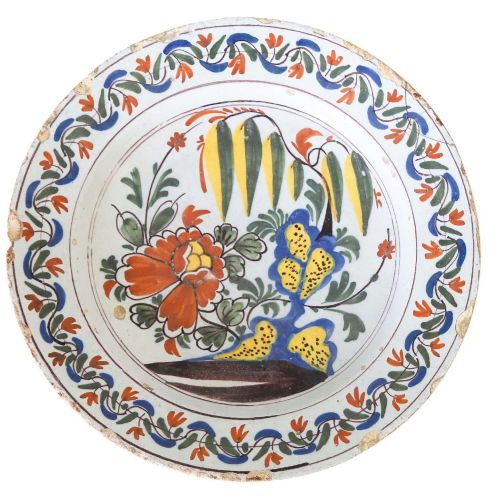
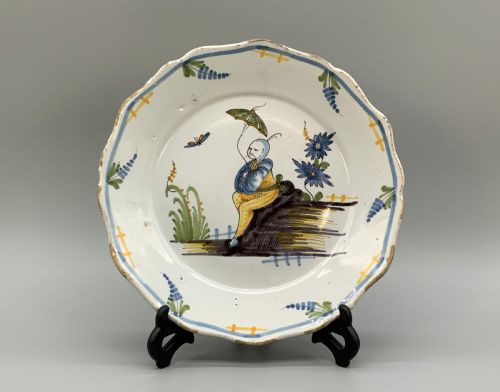
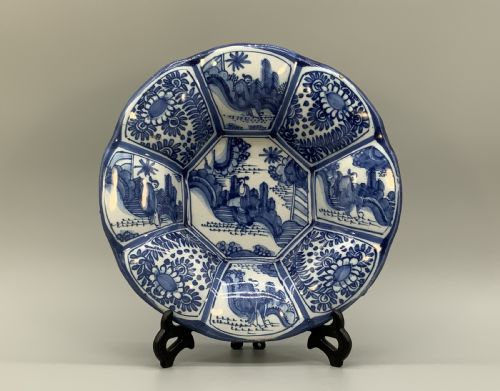
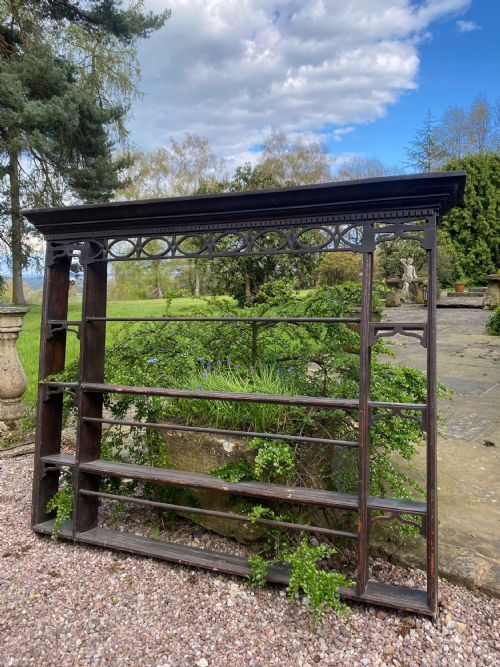
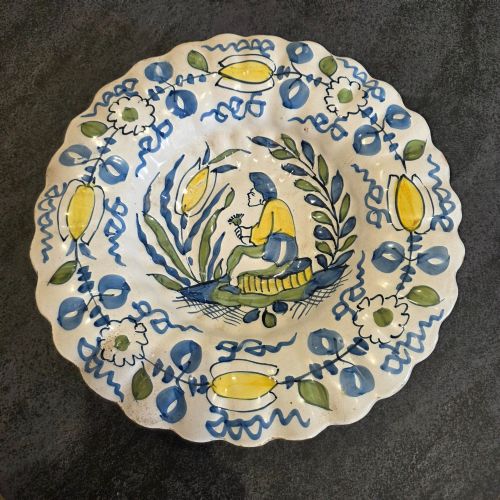
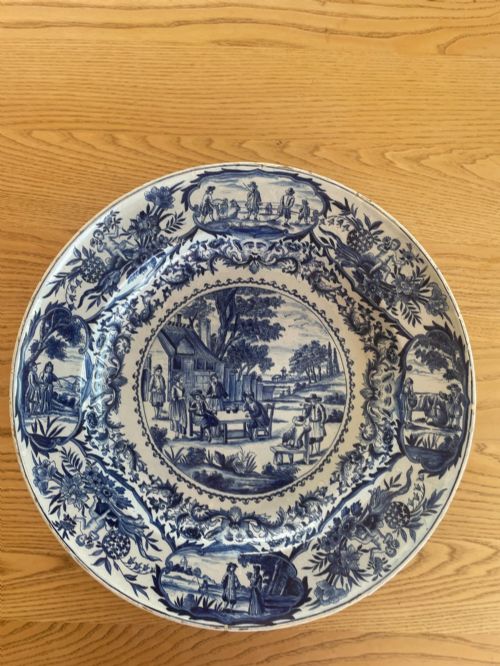
When you search for antique delft display, you encounter a combination of tin-glazed ceramic vessels and timber wall shelving built to hold them. The ceramics comprise large chargers, decorative plates, and vases decorated in blue and white, polychrome, or manganese pigments. Alongside these sit oak and pine plate racks originating in the eighteenth century and earlier.
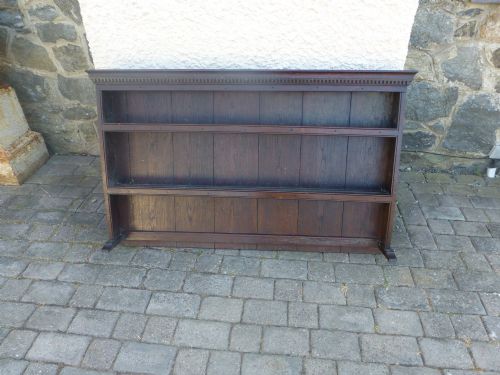
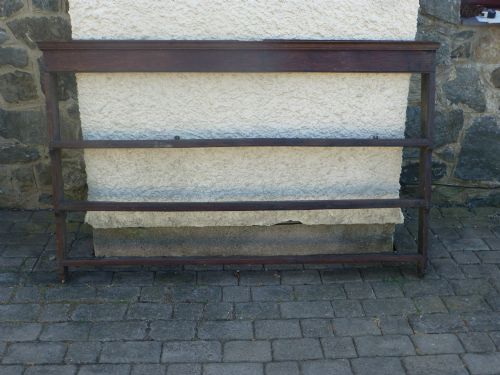
The ceramic components span seventeenth-century examples, eighteenth-century Dutch and English pieces, and later revivals. Chargers and plates frequently display Chinoiserie or floral motifs. The display furniture consists of wall-mounted racks made from native timbers, often designed with multiple tiers to support rows of heavy earthenware dishes.
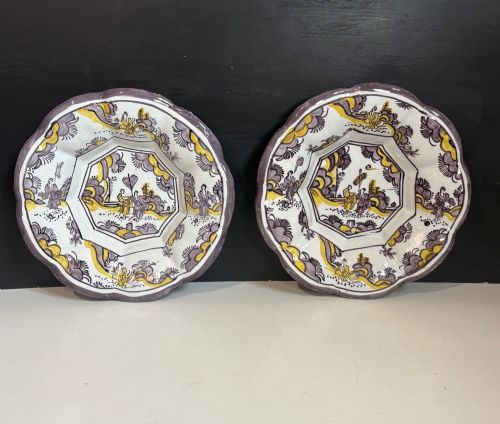
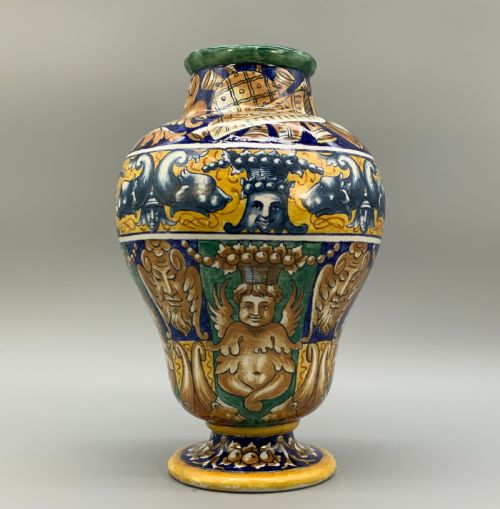
Vases and lobed dishes also appear within this category, representing the broader tradition of tin-glazed earthenware production in England, France, and the Netherlands. These ceramic forms sit within wooden racks or function as standalone decorative objects on walls and shelves.
Materials and Construction
The ceramics rely on an earthenware body coated in an opaque tin glaze that provides a white ground for painting. Cobalt pigment, manganese, and polychrome enamels apply directly to the unfired or fired glaze before a final kiln process fixes the colours. Grand feu techniques allow pigments to fuse into the glaze at high temperatures.
The display furniture utilises solid oak and pine timbers shaped through traditional carpentry methods. Workshops employed pegged joints, carved detailing, and occasionally marquetry or architectural elements such as Corinthian columns to construct wall shelves and plate racks capable of supporting heavy ceramic dishes.
Early kitchens required wooden plate racks simply to keep the family chargers from sliding onto the floor during a brisk gale.
Factors of Quality
Quality in the ceramics rests upon the crispness of the hand-painted decoration and the opacity of the tin glaze. Pieces with finely detailed Chinoiserie scenes, balanced polychrome palettes, or deep cobalt tones demonstrate superior ceramic skill compared to simpler, coarser wares.
In the wooden plate racks, quality is defined by the choice of timber, the depth of the grain, and the integrity of the original construction. Racks retaining their structural joinery and genuine period patina command greater interest than heavily altered or reconstructed shelving.
The Antique Delft Display Glossary
- Charger
- A large decorative plate, typically exceeding thirty centimetres in diameter, designed for wall display rather than table service.
- Tin-Glazed Earthenware
- Pottery covered in a glaze made opaque with oxide of tin, providing a white surface for painted decoration.
- Chinoiserie
- European decorative motifs imitating Chinese artistic styles, frequently found on seventeenth and eighteenth-century delftware.
- Grand Feu
- A high-temperature ceramic firing technique that fuses pigments into the wet glaze, producing durable colours.
- Plate Rack
- A wall-mounted wooden shelving unit featuring horizontal grooves or retaining rails specifically designed to hold plates upright.
Antique Delft Display: Frequently Asked Questions
What is an antique delft plate rack?
An antique delft plate rack is a wall-mounted wooden shelf, usually made of oak or pine, constructed with rails or ledges to display earthenware plates securely.
These racks originated in domestic kitchens and dining spaces to keep ceramic chargers and dishes visible and accessible.
How do you hang a heavy delft charger?
Heavy chargers require secure wall fixings and specialised wire or brass spring hangers that distribute the weight evenly across the rim and foot ring.
Because tin-glazed earthenware is substantial, wall-mounted display racks provide a safer alternative to individual plate hangers.
What is the difference between Dutch and English delft?
Dutch and English delft both utilise tin-glazed earthenware, but differences appear in the clay bodies, glaze tones, and regional painting styles.
English potteries, such as those in Lambeth, often developed distinct polychrome palettes alongside their blue and white wares.