

Mahogany Wooden Box
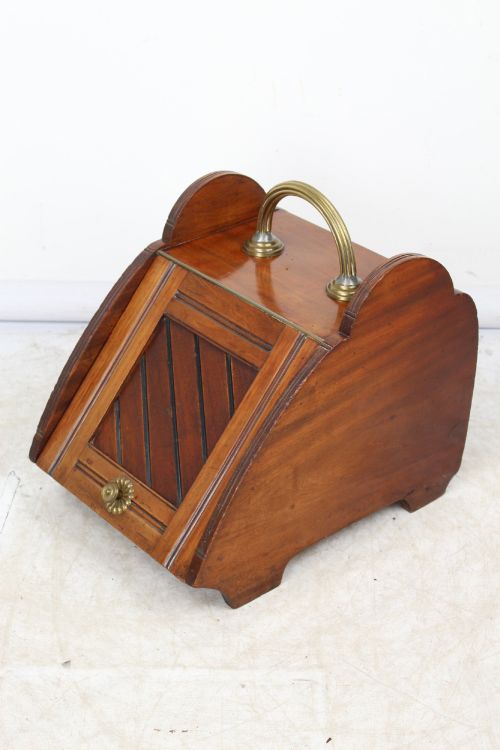
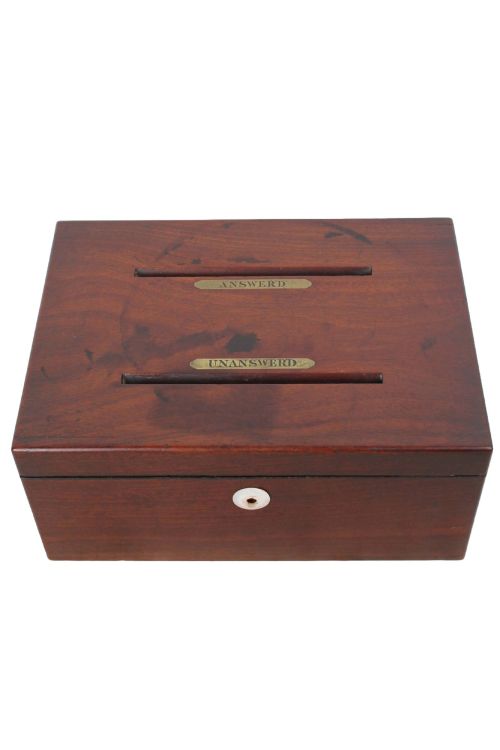
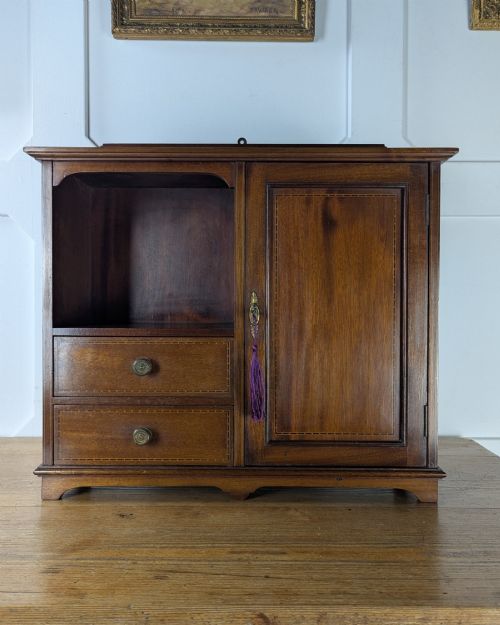
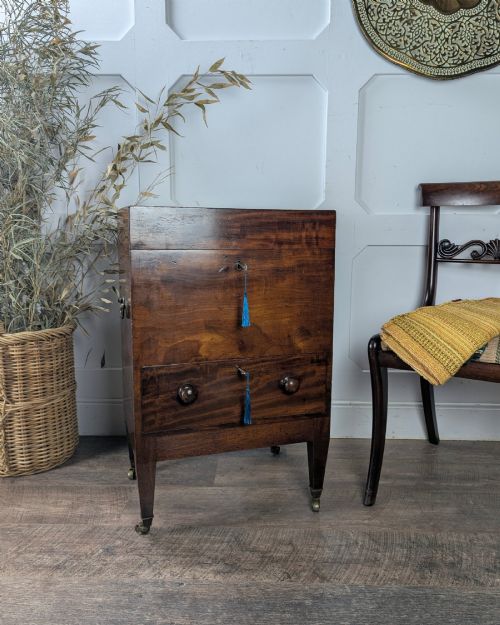
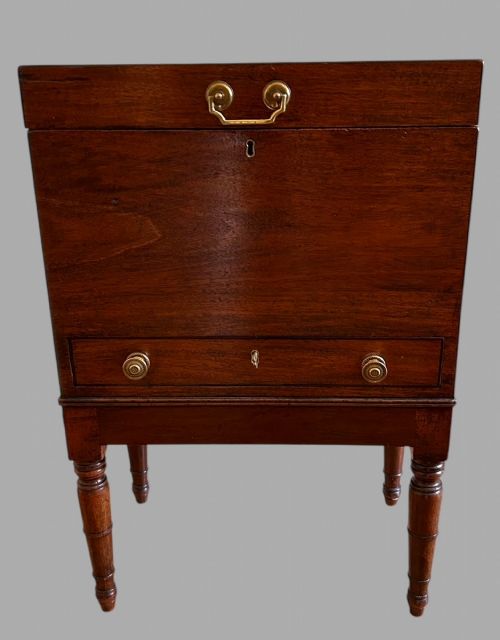
A mahogany wooden box brings rich grain and practical utility into a room, serving as a steadfast container for letters, tea, or valuables.
Mahogany Wooden Box
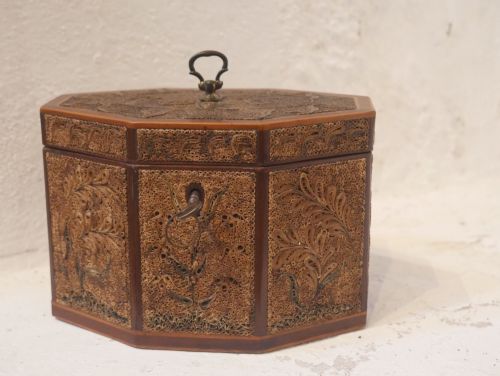
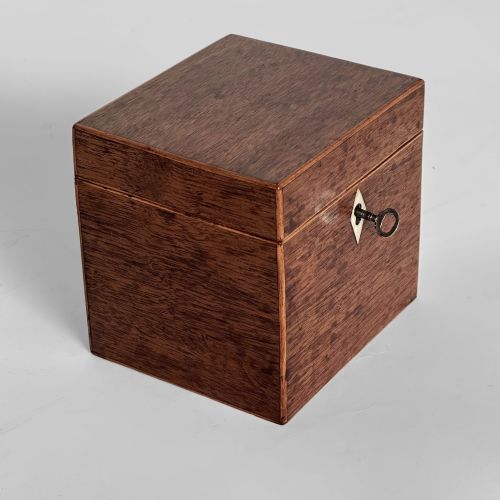
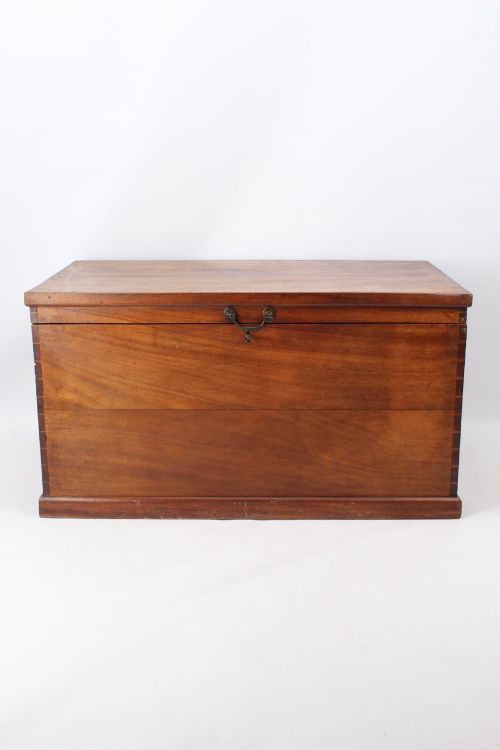
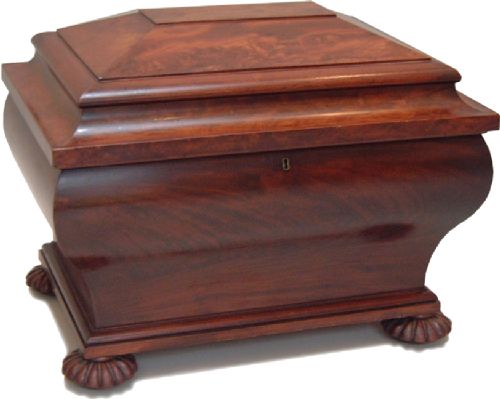
A mahogany wooden box encompasses a diverse range of functional containers, from compact tea caddies and document cases to large military chests and cellarettes. Buyers seeking these items will find pieces spanning the Georgian, Regency, and Victorian periods, reflecting centuries of cabinet-making skill.
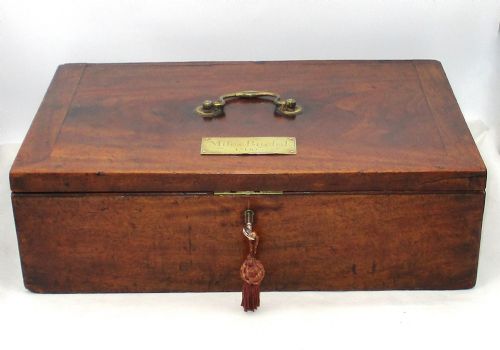
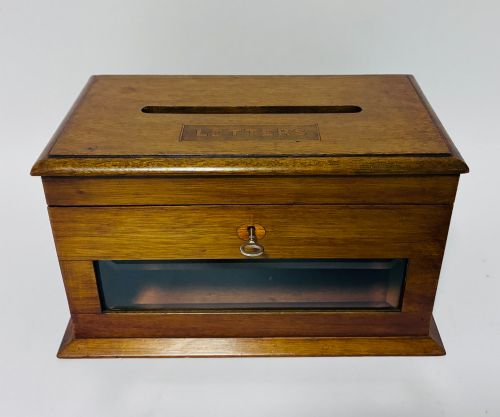
The selection on this page leans heavily towards Georgian and Victorian examples, featuring both domestic storage solutions and travel items. Common forms include slope-front writing boxes, correspondence letter boxes, and jewellery cases designed for everyday use or distant travel.
Materials and Construction
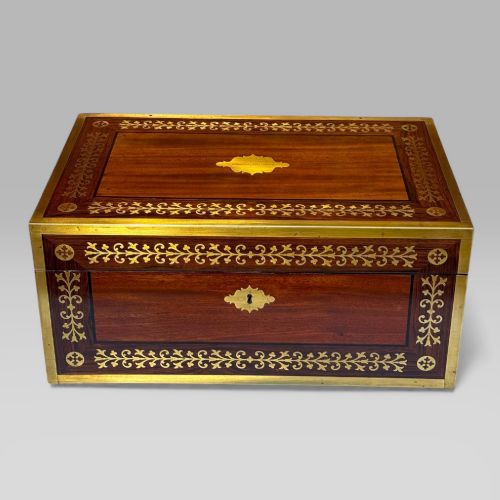
Craftsmen built these pieces using solid mahogany or applied rich mahogany veneers over secondary timbers, often selecting boards with striking flame figures. Workshops integrated contrasting boxwood stringing, satinwood details, and rosewood crossbanding to frame the primary timber.
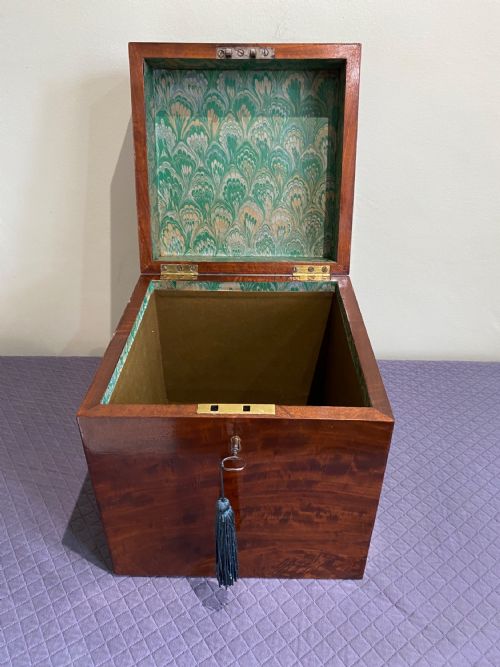
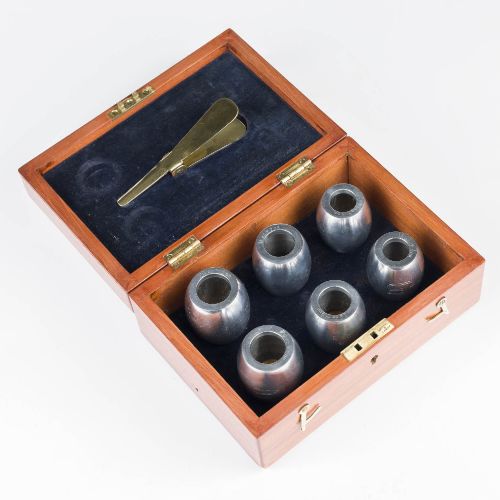
Hardware played an essential structural role, incorporating robust brass corners, flush-fitting campaign handles, and iron bindings to protect the wood during transport. Internal fittings frequently utilised secondary woods, green fabric linings, and fitted glass or metal compartments for specialised storage.
Listings feature 17th-century Portuguese colonial chests alongside 20th-century letter boxes and scientific instruments.
Judging Quality
Quality rests upon the selection of the timber grain, the precision of the cabinet joints, and the integrity of the original hardware. Superior boxes display seamless veneer work, tight dovetail joints, and well-matched timber panels across the lid and sides.
The sophistication of the interior fit-out distinguishes finer examples, such as secret drawers, working locks with original keys, and finely chased brass escutcheons. Retaining original interior compartments and untouched surface patination elevates a piece far above heavily restored alternatives.
De Grave Short And Co·G Davis Of Leeds
The Mahogany Wooden Box Glossary
- Cellarette
- A lockable freestanding cabinet or box designed to hold bottles of wine and spirits safely. These items often feature lead-lined interiors or fitted internal dividers.
- Teapoy
- A small pedestal table featuring a lidded box on top, traditionally used to store various teas in secure compartments. They gained popularity during the Georgian and Regency eras.
- Campaign Slope
- A portable writing desk built for travel, featuring a folding hinged lid that creates a sloping writing surface. They frequently include brass reinforcement and recessed carrying handles.
- Crossbanding
- A decorative border technique where thin strips of veneer are laid so the grain runs perpendicular to the main panel. This method frames the primary timber of the box lid.
- Escutcheon
- A protective plate surrounding a keyhole, usually fashioned from brass or bone. It prevents the surrounding wood from wearing down through repeated use of the key.
Mahogany Wooden Box: Frequently Asked Questions
How do I date a mahogany wooden box?
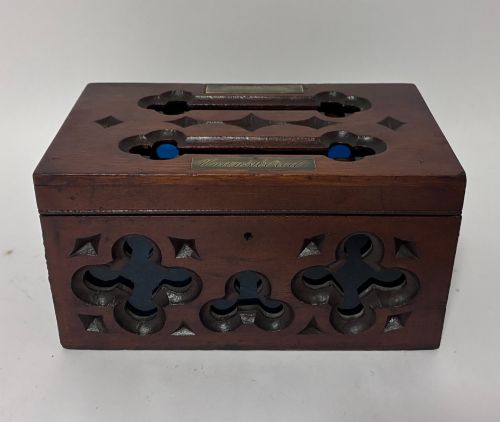
Dating relies on observing construction methods, handle styles, and locking mechanisms alongside the prevailing furniture design of the period. Georgian pieces often show hand-cut dovetails and simpler brassware, while Victorian versions may incorporate machine-sawn elements and Gothic Revival motifs.
Secondary woods used inside the box also offer clues, as specific timbers became common during certain decades. Comparing the overall proportion and secondary details helps narrow down the decade of manufacture.
What were tea caddies used for?
Tea caddies served as secure containers for storing high-value tea leaves when tea was an expensive, taxed commodity. They typically contained lidded compartments to keep black and green teas separate, often alongside a mixing bowl.
Servants kept the caddy locked in the parlour, bringing it out only when tea was prepared for the household and guests. This prevented theft and preserved the aromatic qualities of the leaves.
How should I care for antique mahogany?
Maintain antique mahogany by keeping it away from direct sunlight and sudden temperature changes, which can cause the timber and veneer to crack. Dust the surface regularly with a soft, dry cloth rather than using silicone-based polishes.
Occasional application of traditional beeswax feeds the wood and preserves the historical patination built up over centuries. Avoid placing damp items directly onto the polished wooden surfaces.