

Mahogany Wall Glass
Mahogany wall glass brings together deep timber and reflective silver, offering functional wall pieces that span Georgian to Edwardian periods.
Mahogany Wall Glass
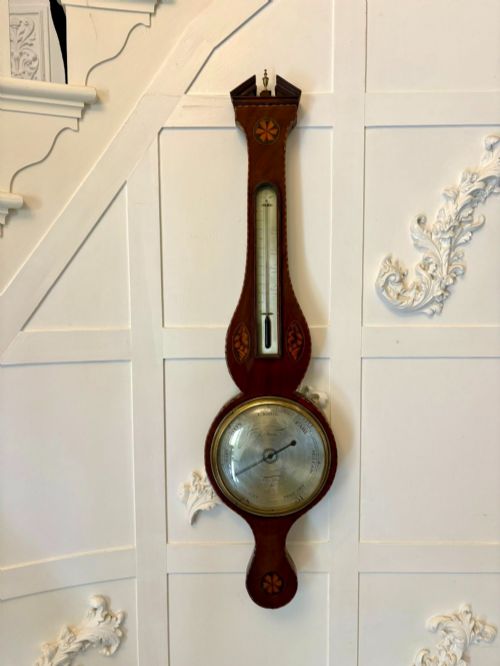
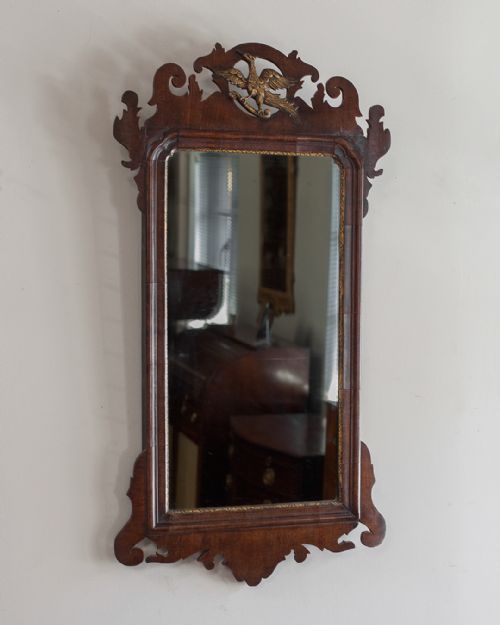
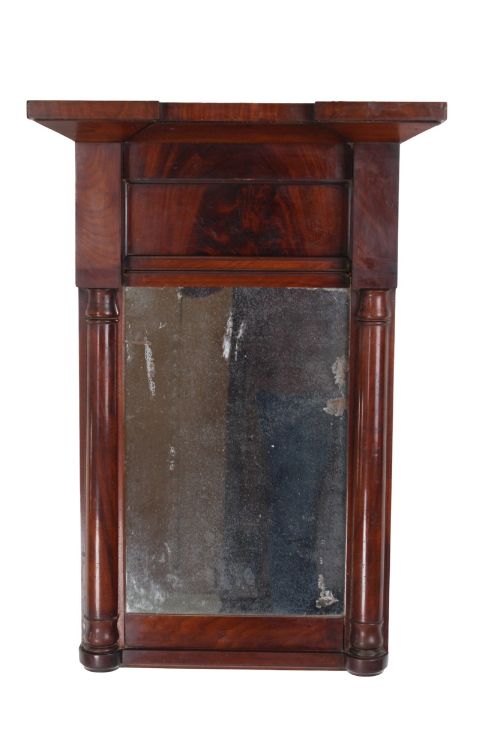
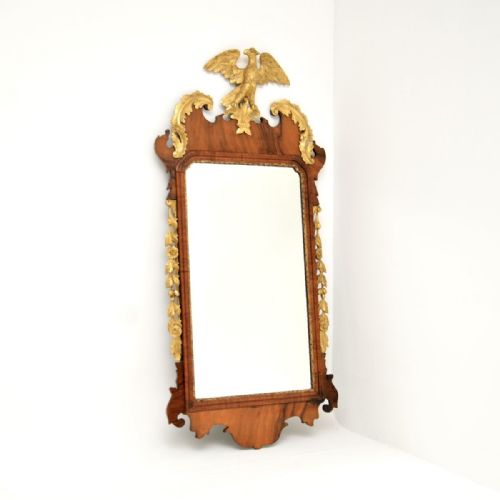
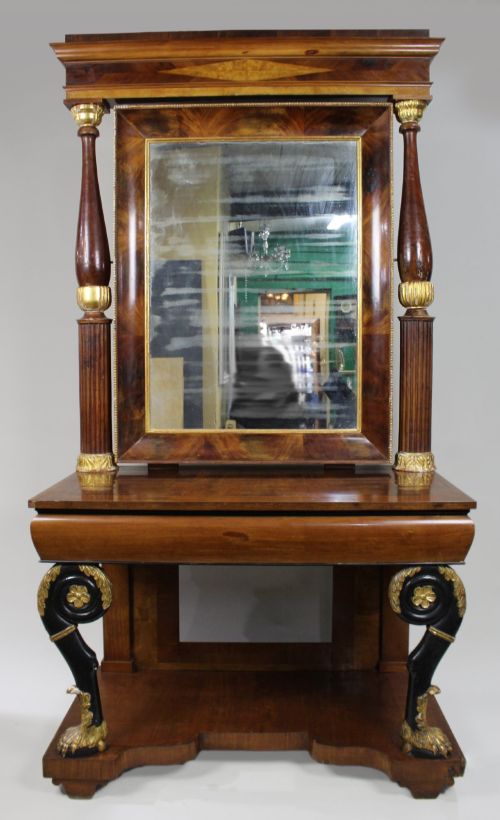
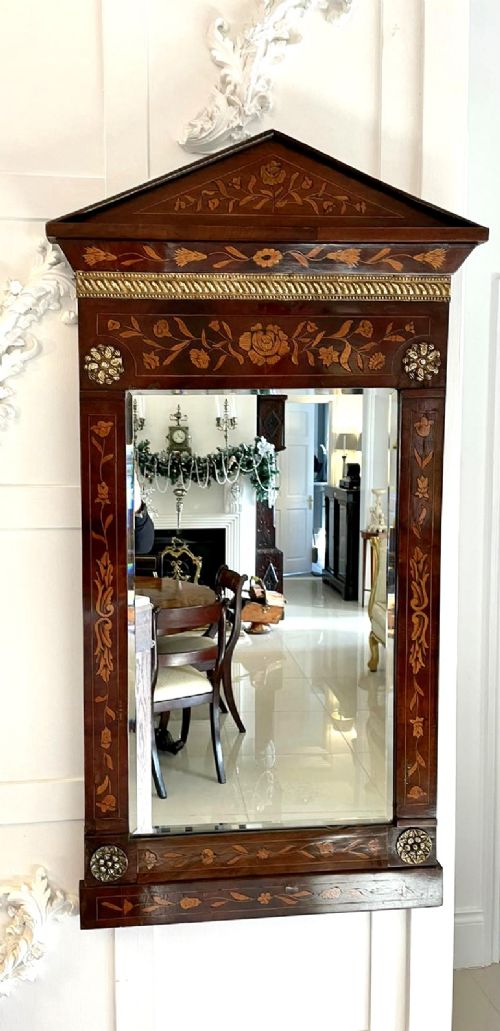
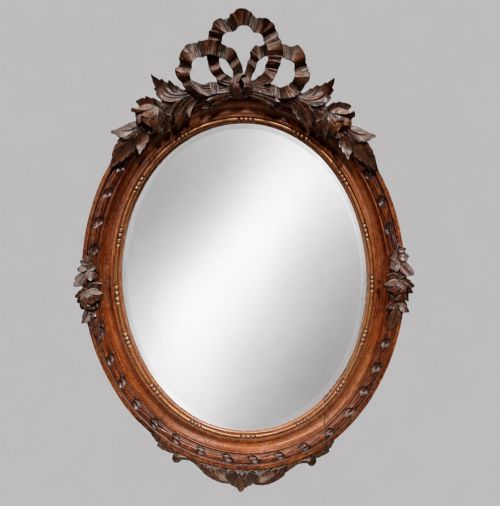
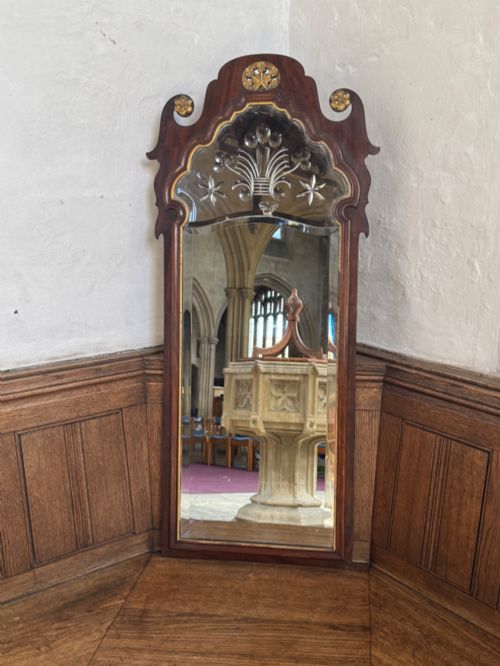
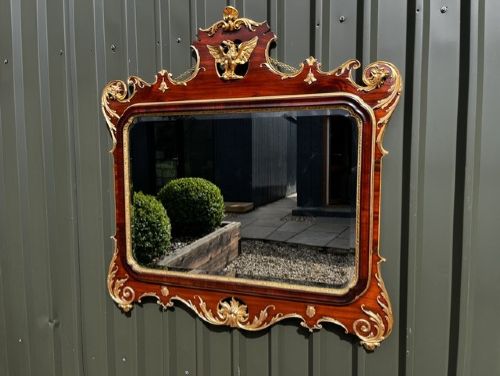
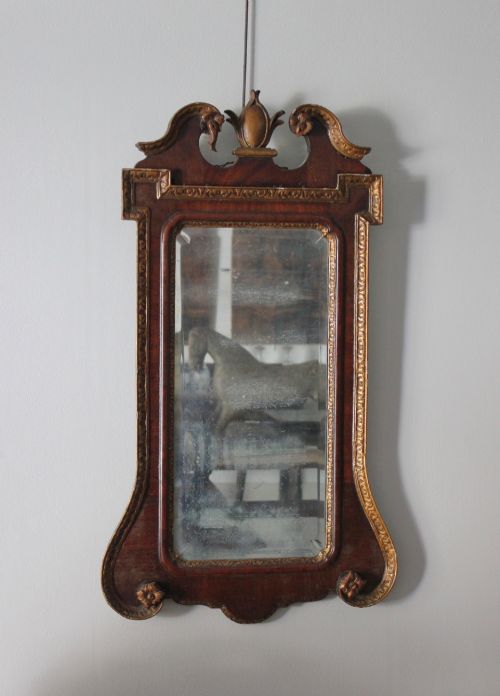
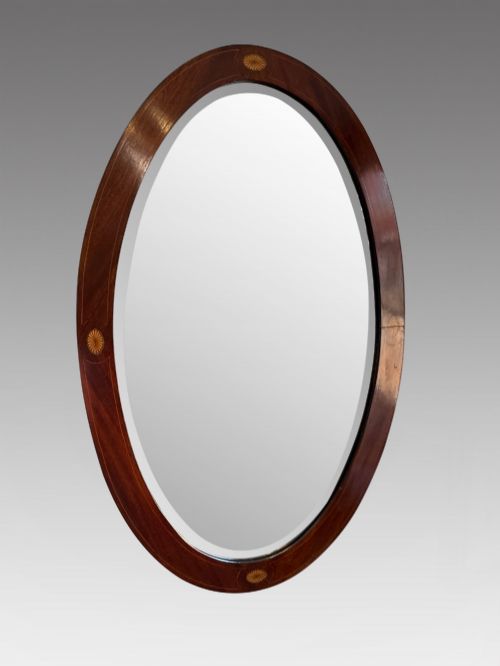
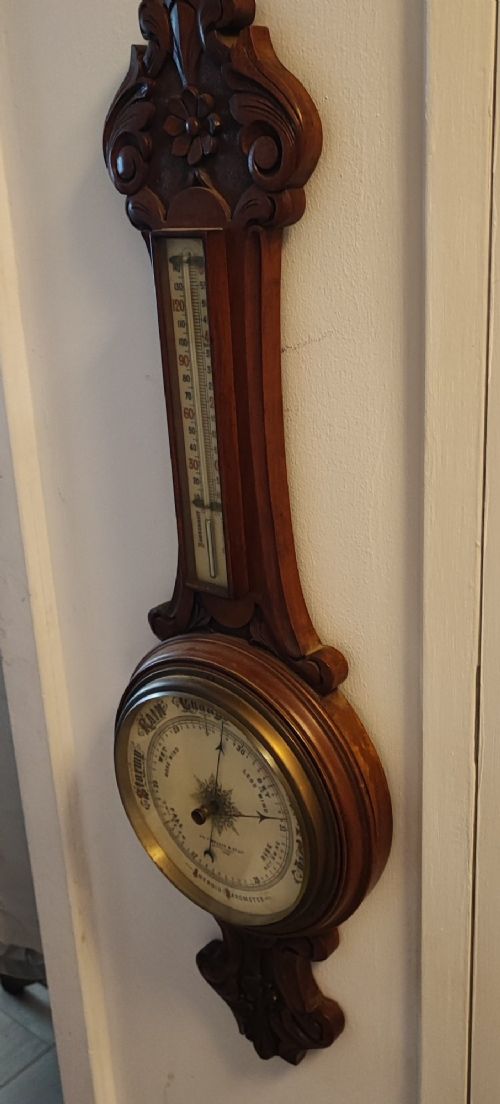
You are most likely to meet Georgian and Victorian examples featuring rectangular or oval plates set within mahogany frames, sometimes accented with parcel gilding or marquetry. The selection also includes functional scientific instruments like banjo and stick barometers housed in mahogany cases.
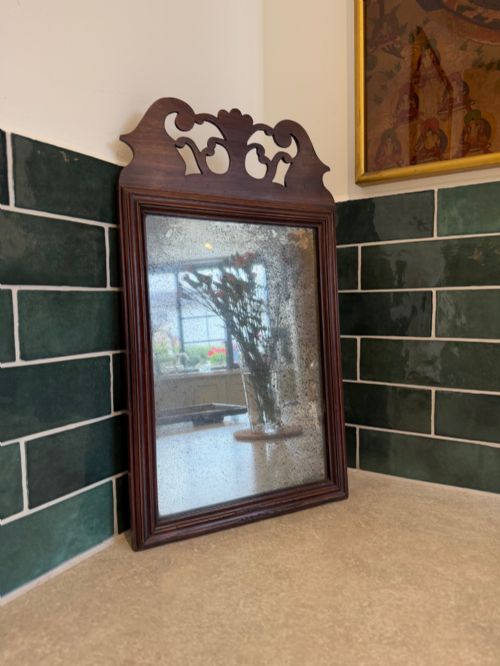
Origins span English workshops across the 18th, 19th, and early 20th centuries, reflecting changing domestic tastes from simple fret-cut designs to ornate revival styles. These items served both practical daily needs and decorative interior functions in period homes.
Materials and construction
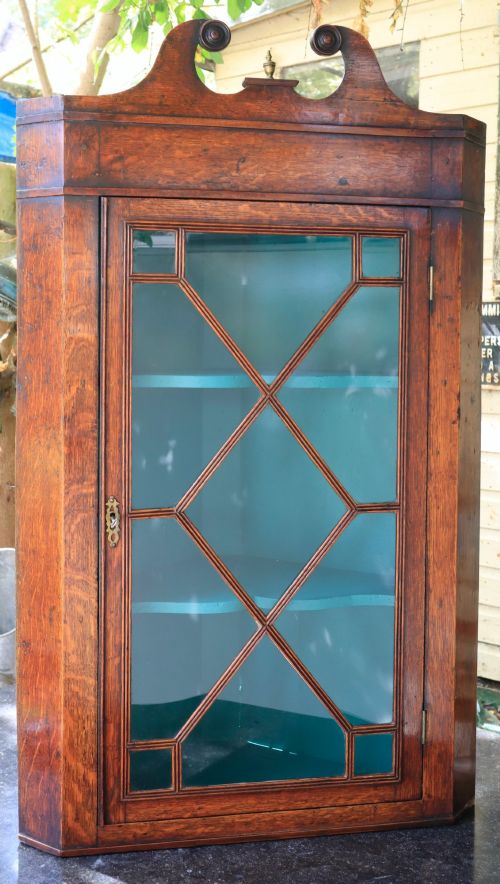
Makers utilised solid mahogany and mahogany veneers over secondary woods, often shaping the timber into fret-cut silhouettes or curving architectural frames. Brass hardware, bone inlay, and giltwood details frequently accent the primary wood surface.
Reflective surfaces include traditional mirror glass, reverse cut plates, and bevel-edged glass held securely within the wooden rabbets. Barometer cases combine the timber housing with delicate glass tubes, mercury columns, and inscribed brass dials.
Listings feature mahogany wall glass spanning the 18th, 19th, and early 20th centuries, including Georgian, Victorian, and Edwardian periods.
Distinctions in quality
The standard of carving and inlay separates ordinary joinery from finer examples, particularly where fretwork is crisp, deep, and balanced. Marquetry work shows distinction through the precision of contrasting wood and bone insertions.
The clarity and age of the mirror plate itself contribute to overall execution, alongside the preservation of original parcel gilt accents and brass mountings.
The Mahogany Wall Glass Glossary
- Pier glass
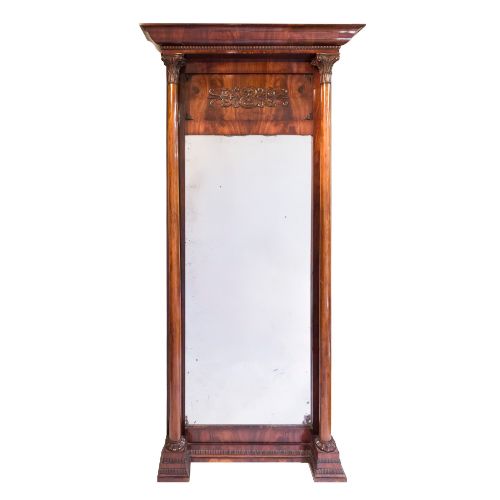
- A tall mirror designed to hang on the wall space between windows. It often sat above a matching console table.
- Fretwork
- Openwork ornamentation cut with a fretsaw, commonly seen in the pierced scroll ears of Georgian frames. This technique created lightweight decorative borders.
- Parcel gilt
- Partially gilded surfaces where gold leaf highlights specific carved details on the mahogany frame. This technique adds contrast against the dark wood.
- Banjo barometer
- A weather-measuring instrument shaped like a banjo, featuring a circular dial at the base and a long stem. They gained popularity during the Georgian and Victorian eras.
- Marquetry
- Inlaid patterns made from different coloured woods or bone fitted into the mahogany ground. Dutch examples frequently display floral designs using this method.
Mahogany Wall Glass: Frequently Asked Questions
How do I date a mahogany mirror?
Dating relies on observing construction methods, glass characteristics, and stylistic traits like fret-cut outlines or parcel gilding.
Earlier 18th century examples often show hand-beveled plates and specific mahogany grain patterns distinct from later Edwardian revivals.
What is a pier glass used for?
Pier glasses were originally hung on the narrow wall between two windows to reflect natural light into the room.
They frequently paired with console tables placed directly underneath to create a coordinated decorative scheme.
Are barometer glass tubes original?
Many surviving barometers retain their original glass tubes and mercury contents, though scientific instruments were often repaired.
Examining the backboards and brass scales helps determine the overall integrity of the piece.
How should I hang a heavy wall glass?
Heavy framed mirrors and overmantels require secure fixings into structural wall studs or appropriate masonry anchors.
The weight of old mahogany timber and glass demands professional installation to ensure safe wall support.