




Mahogany Triform Base Table
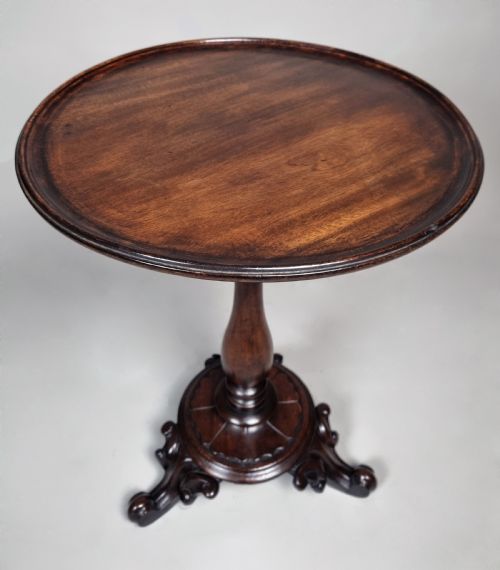
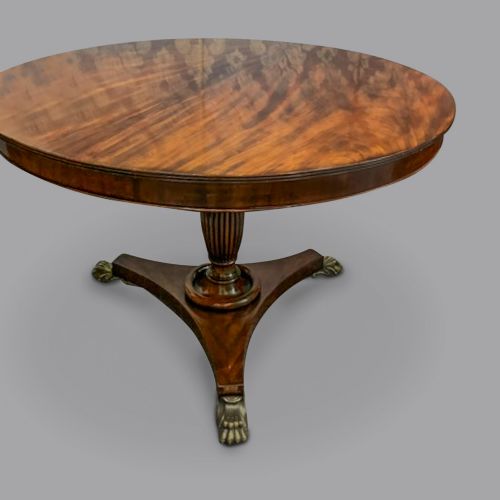
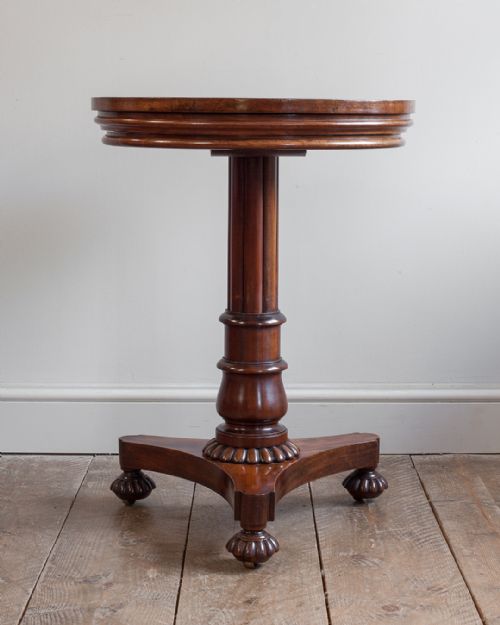
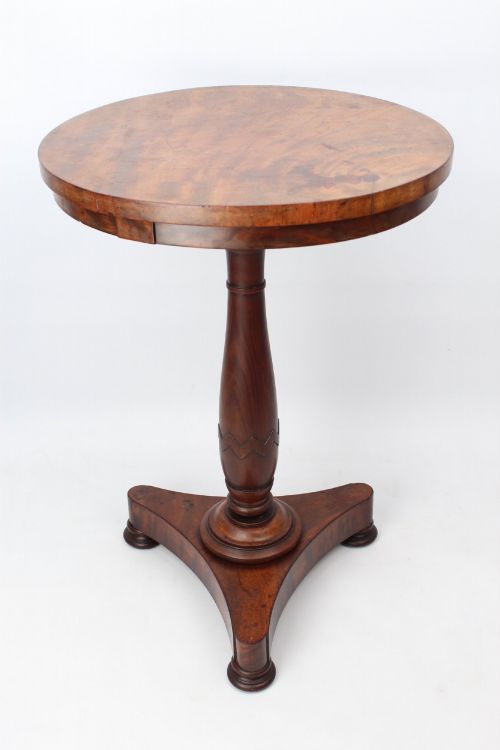
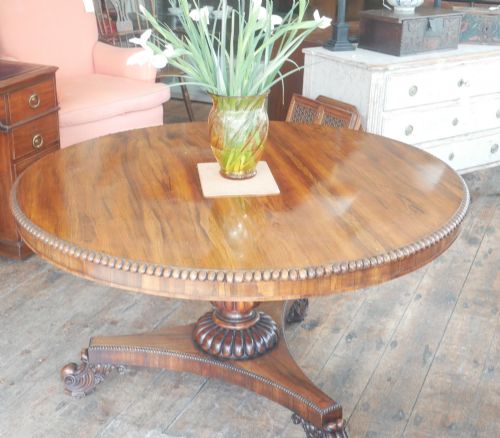
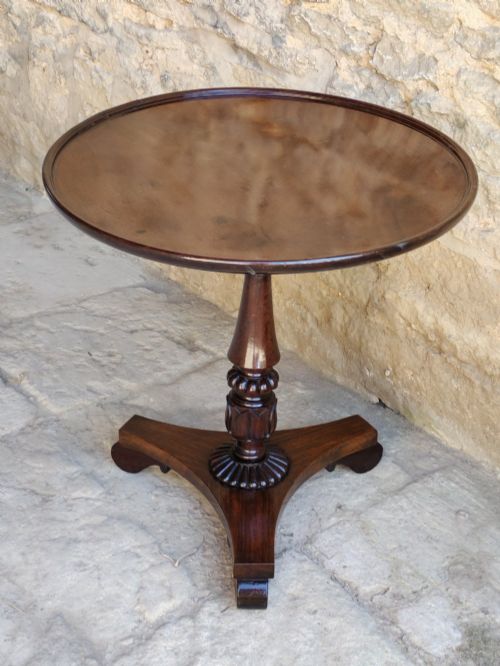
A mahogany triform base table brings architectural presence to a room, resting on a three-sided pedestal that balances stability with elegance.
Mahogany Triform Base Table
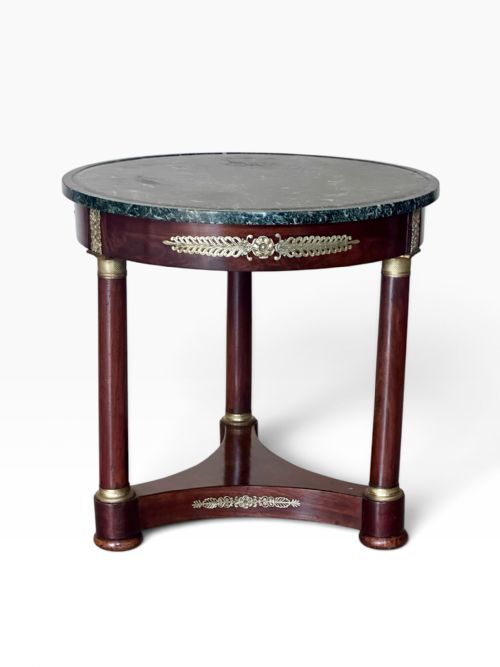
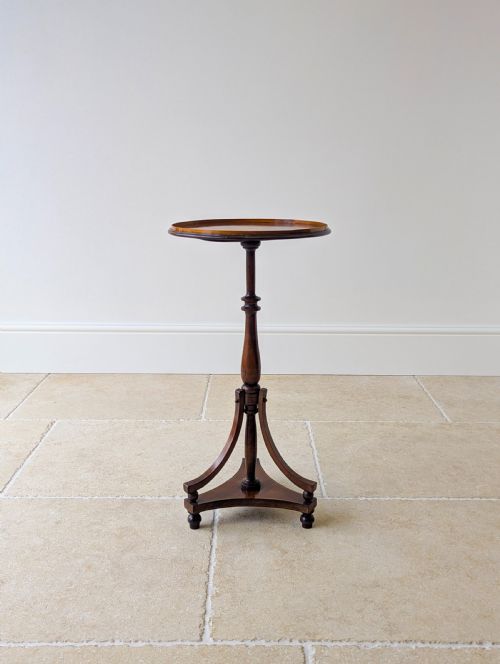
A mahogany triform base table is a piece of furniture defined by its distinct three-way support structure beneath a central pillar. These tables appear frequently in nineteenth-century forms, spanning Georgian, Regency, and William IV periods, alongside French Empire gueridons.
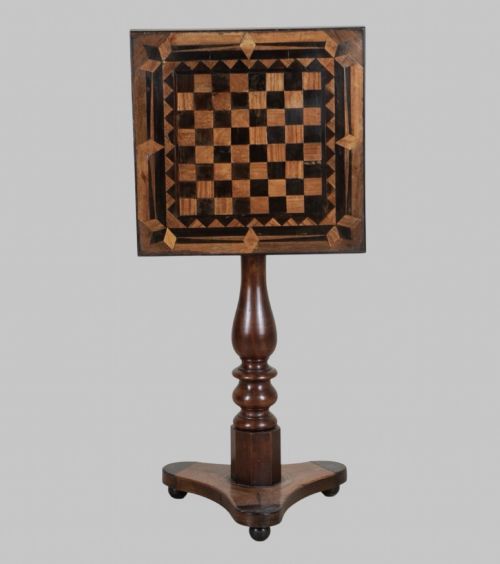
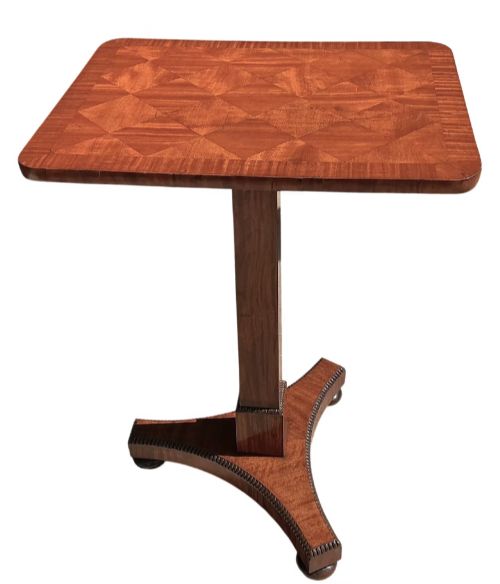
The selections on this page encompass various forms built upon this pedestal design, including centre tables, wine tables, breakfast tables, and occasional tables. Mahogany serves as the primary timber, often paired with contrasting materials like marble or rosewood.
Buyers encounter examples ranging from compact wine tables to large breakfast and centre tables designed for principal reception rooms. The triform configuration provides both a sturdy footing and a visually striking silhouette from every angle.
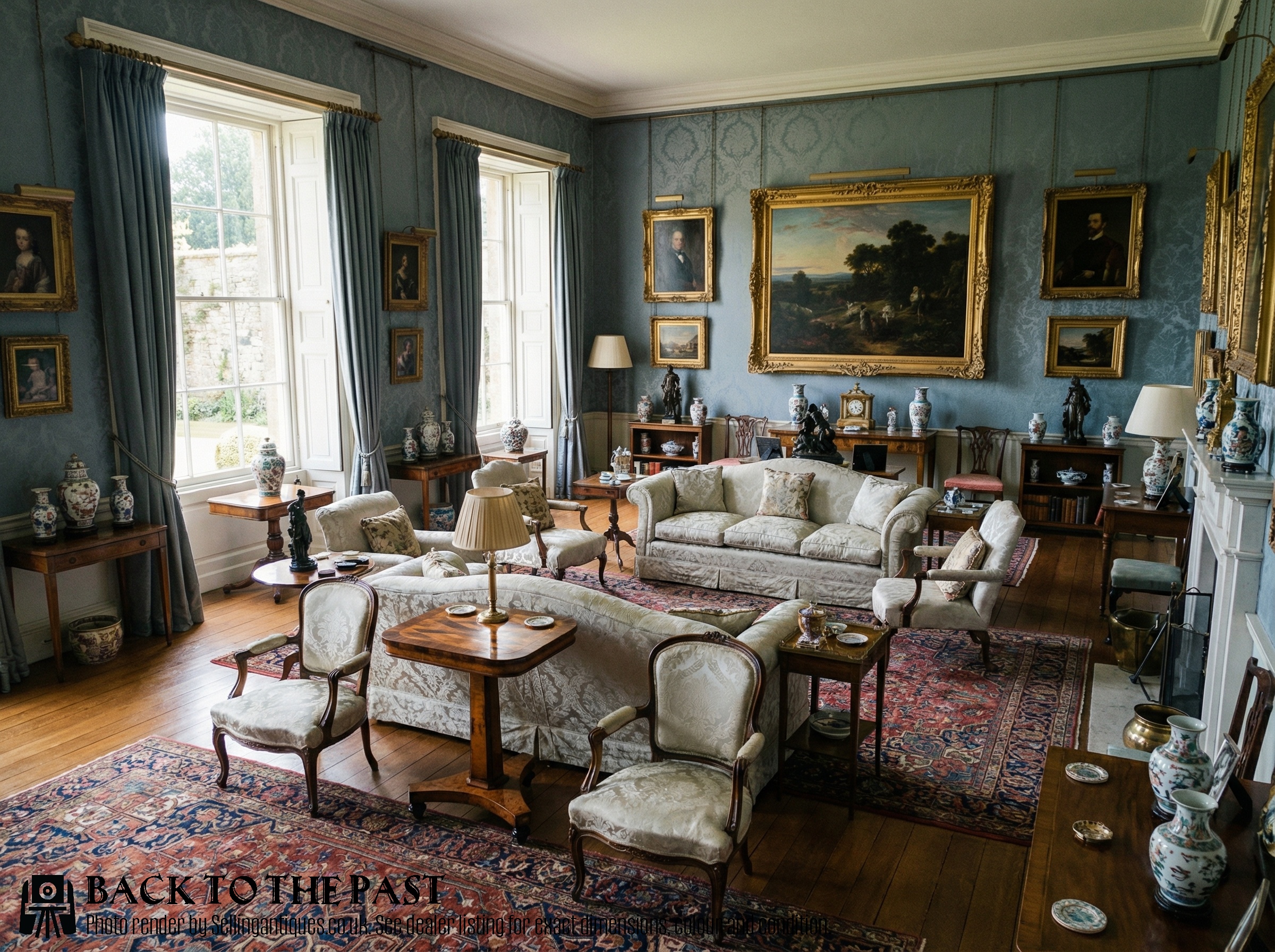
Distinctions in craftsmanship and design
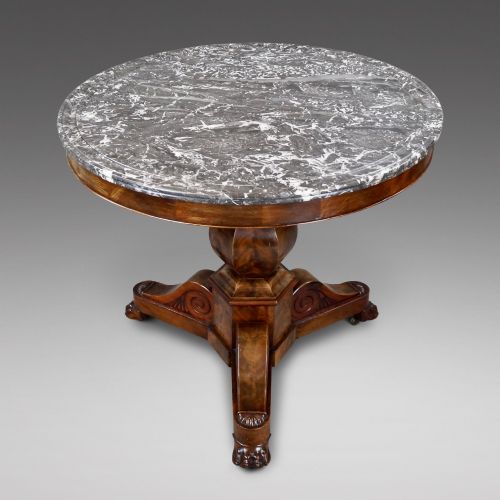
Quality rests in the selection of the timber and the depth of the carving on the triform base. Superior pieces display book-matched flame mahogany veneers and crisp, hand-carved details on the scrollwork rather than cast composition ornaments.
The stability of the central column where it joins the three-way base dictates the structural integrity of the piece. Master workshops ensured balanced weight distribution across the three feet, preventing the wobble often found in lesser constructions.
Listings feature mahogany triform base tables spanning the Georgian, Regency, William IV, and Victorian periods, alongside French Empire examples.
Gillows·Walker-Lancaster·Strahan
The Mahogany Triform Base Table Glossary
- Gueridon
- A small French occasional table supported by a central column. These tables frequently feature marble tops and round wooden frames.
- Flame mahogany veneer
- Thin slices of timber cut from mahogany forks to produce a flickering, flame-like grain pattern. Cabinet makers applied these to table tops for decorative impact.
- Specimen marble
- A table top composed of various pieces of coloured marble arranged in geometric or mosaic patterns. These tops are characteristic of high-status nineteenth-century tables.
Mahogany Triform Base Table: Frequently Asked Questions
What rooms suit a triform table?
These tables function effectively as centre tables in reception halls or as occasional tables beside seating areas. Their rounded tops and central pillars allow people to walk around them easily in open spaces.
The three-sided base provides a distinct profile that commands attention when placed in the middle of a room rather than pushed against a wall.
How do I identify a Regency period table?
Regency pieces often display classical architectural influences, drawing inspiration from ancient Roman and Greek designs. Look for bold mahogany grains, brass inlay, and carved paw feet on the pedestal base.
Proportions during this era tend to be clean and balanced, avoiding excessive ornamentation in favour of strong geometric forms.
Why do some tables have marble tops?
French gueridons and certain nineteenth-century centre tables utilised marble to create a durable, cool surface suitable for displaying decorative items. White, black, and multi-coloured specimen marble tops added weight and luxury.
This material combination protected the wooden frame below from spills and heat when used for serving refreshments or holding lamps.
What distinguishes a breakfast table?
Breakfast tables are generally larger than wine tables, designed for morning meals or as secondary dining surfaces in private chambers. Many feature tilt-top mechanisms allowing the surface to store flat against a wall.
The sturdy triform base ensured the larger top remained stable during daily use.