


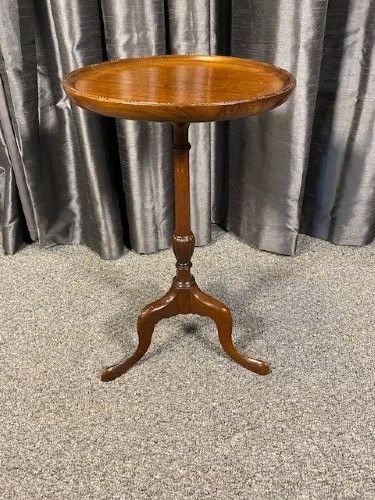
Mahogany Standing Lamp
A mahogany standing lamp delivers robust timber warmth and height, bringing traditional illumination and presence to a room.
Mahogany Standing Lamp
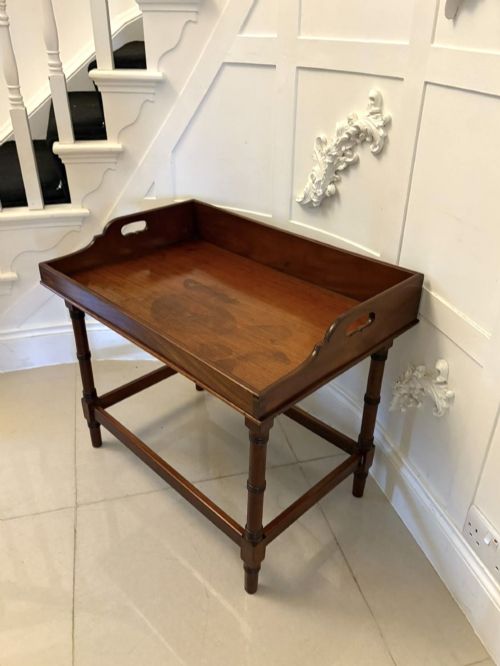
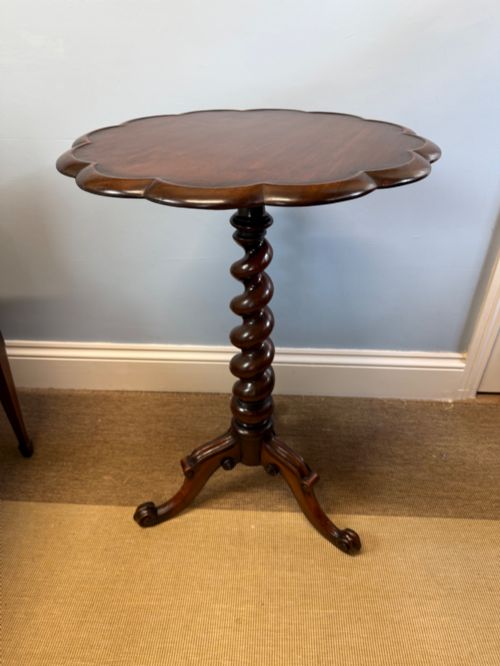
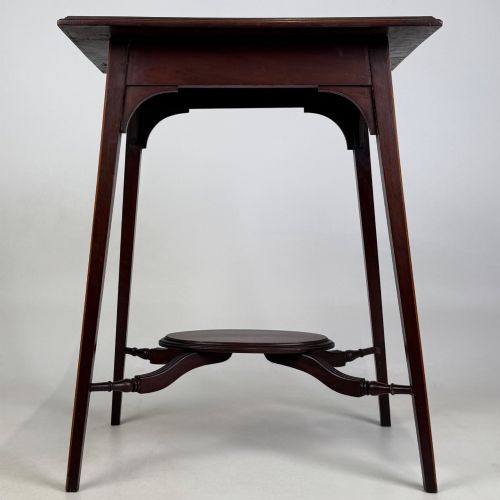
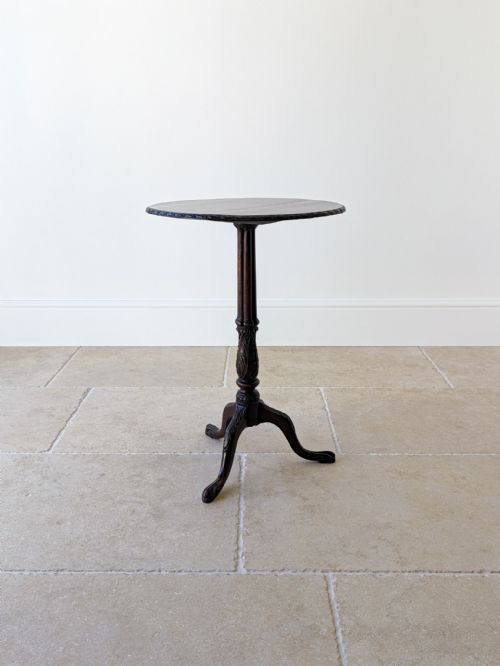
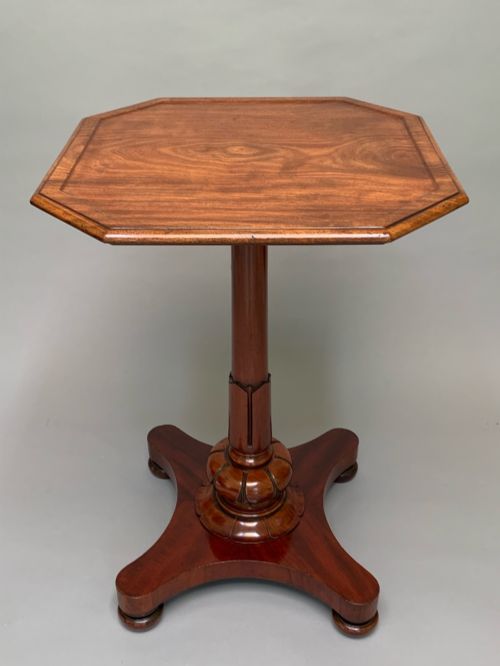
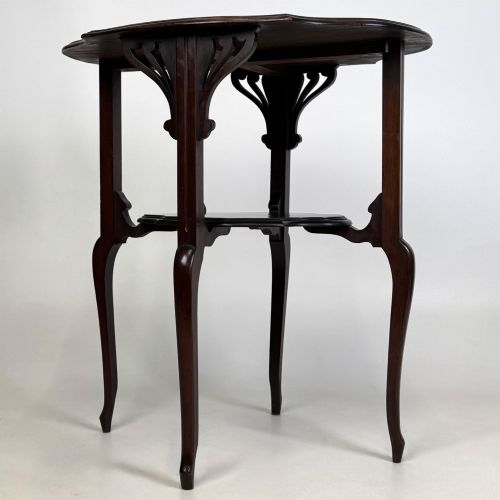
A mahogany standing lamp provides vertical lighting through turned columns or standard forms fashioned from rich tropical timber. Pieces matching this search phrase span multiple eras, appearing in Georgian, Regency, Victorian, and Edwardian guises.
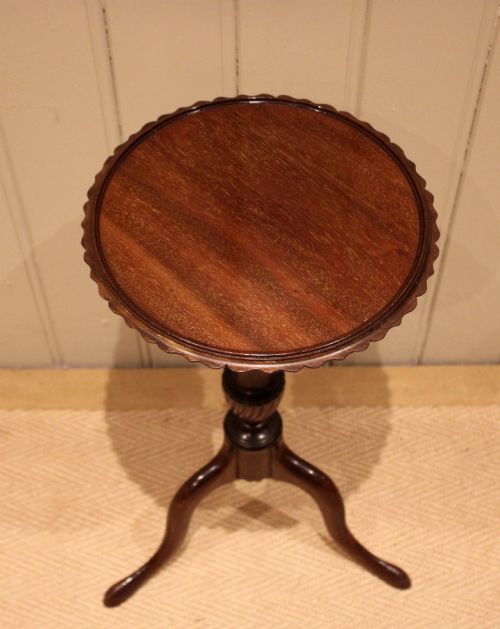
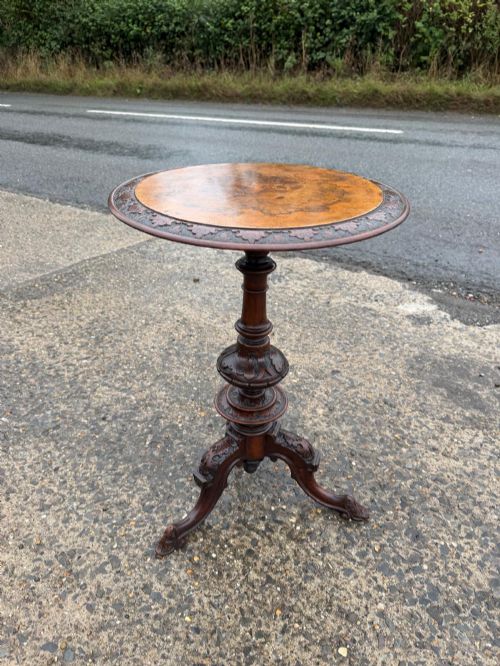
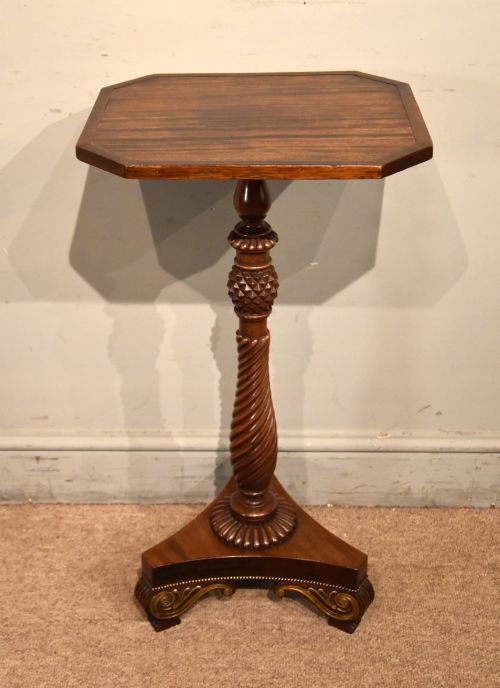
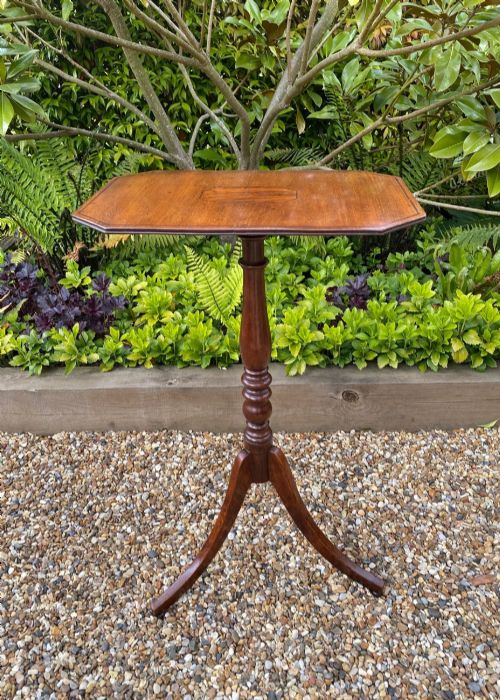
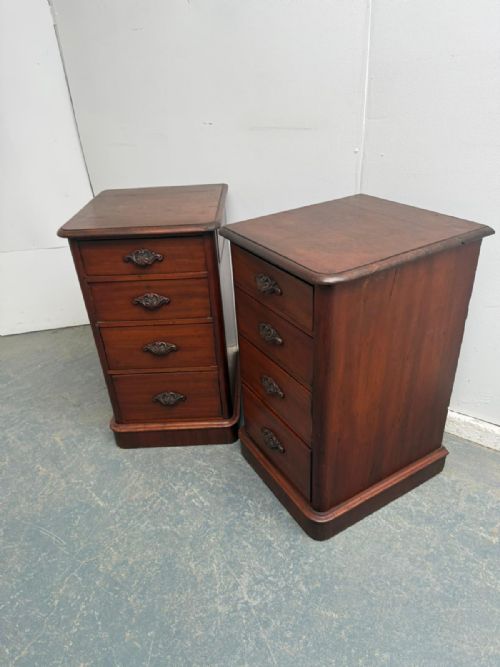
Buyers encounter both floor-standing lighting fixtures and smaller occasional lamp tables designed to hold a light source beside seating. The selection balances tall standard lamps with compact tripod and occasional tables built for domestic illumination.
Origins stretch across nineteenth-century workshops and early twentieth-century production, incorporating styles from Chippendale revival to Victorian French tastes. These items combine practical function with the deep reddish-brown grain characteristic of quality mahogany.
How they were made
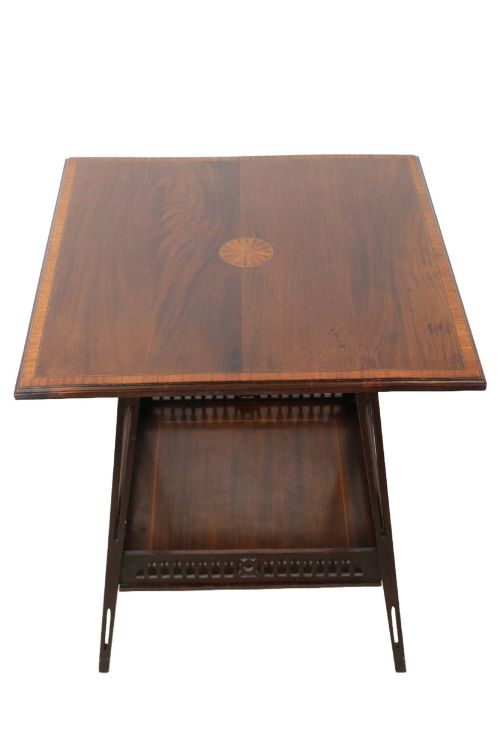
Craftsmen built these pieces primarily using solid mahogany and mahogany veneers, frequently supported by turned wooden columns or tripod legs. Brass, ormolu, and boxwood or satinwood inlay frequently appear as decorative enhancements on the timber surfaces.
Joinery methods included mortise and tenon construction for stability, alongside delicate wood inlay and hand-carved tripod bases. Wax finishing and French polishing protected the wood while highlighting the natural figuring of the grain.
Some tables possess hinged tops designed to tilt upright, proving that historical furniture makers valued clever space-saving tricks just as much as we do.
What varies in quality
Quality rests on the selection of timber, distinguishing plain stock from richly figured burr wood or carefully matched mahogany veneers. Superior examples display crisp hand-carved details, refined turning on the columns, and integrated brass or ormolu mounts rather than cast substitutes.
Structural integrity separates standard utilitarian items from finer showroom pieces, visible in the stability of tripod bases and the precision of inlaid boxwood or satinwood stringing. The weight of the timber and the depth of the hand-applied polish reveal the maker's original investment of time and skill.
Trevor Page & Co·Druce & Co London
The Mahogany Standing Lamp Glossary
- Mahogany
- A durable reddish-brown tropical hardwood prized for its stability and suitability for carving. It forms the primary structural material across these listings.
- Tripod Table
- A small table or lamp stand supported by three legs radiating from a central pillar. This form offers balance on uneven historical flooring.
- Inlay
- The technique of embedding contrasting woods such as boxwood or satinwood into the primary mahogany surface to create decorative patterns. It defines many Edwardian pieces.
- Standard Lamp
- A heavy floor-standing lighting column designed to support a shade and bulb at eye level. These provide ambient room illumination.
- Tilt Top
- A tabletop hinged to the central column allowing it to fold vertically when not in use. This mechanism saved space in period interiors.
Mahogany Standing Lamp: Frequently Asked Questions
How do I light a standard lamp safely?
Vintage wiring requires modern rewiring by a qualified electrician to meet current safety standards before regular domestic use.
Pairing the standard lamp with a compatible bulb ensures the heat output remains safe for historical lamp shades and fittings.
Where should I place a lamp table?
Lamp tables sit naturally beside armchairs, sofas, or beds to provide a stable surface for reading lights and small items.
Their compact footprints suit corners and smaller reception spaces where full-sized furniture would crowd the room.
How do I care for mahogany wood?
Regular dusting with a soft, dry cloth preserves the polished surface without building up excessive wax residues over time.
Keep wooden items away from direct heat sources and strong sunlight to prevent the mahogany from drying out or fading.
How do I distinguish Edwardian from Victorian pieces?
Edwardian items often feature lighter proportions, boxwood inlay, and a brighter finish influenced by neoclassical revivals. Victorian pieces tend towards heavier turned columns, darker finishes, and more robust structural forms.