



Mahogany Piano Bench
A mahogany piano bench brings solid timber and textured seat fabric together to support daily use at the keyboard.

What these pieces are
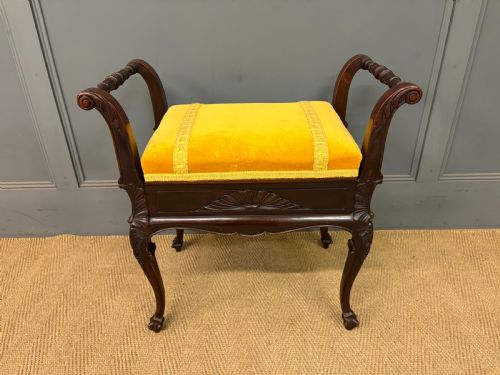
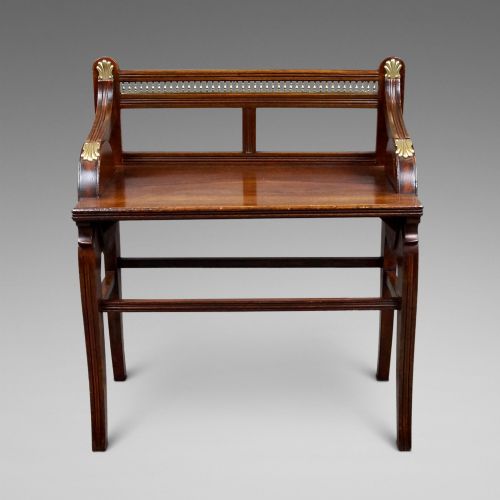
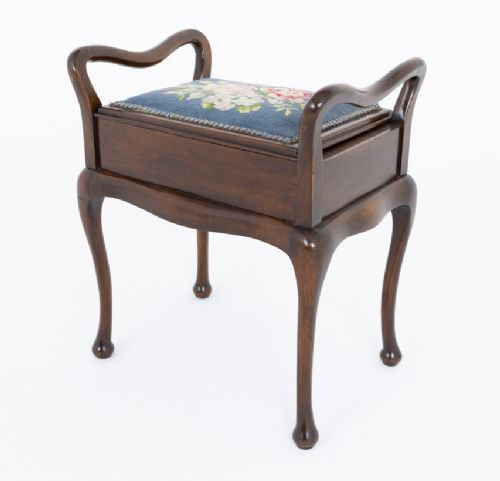
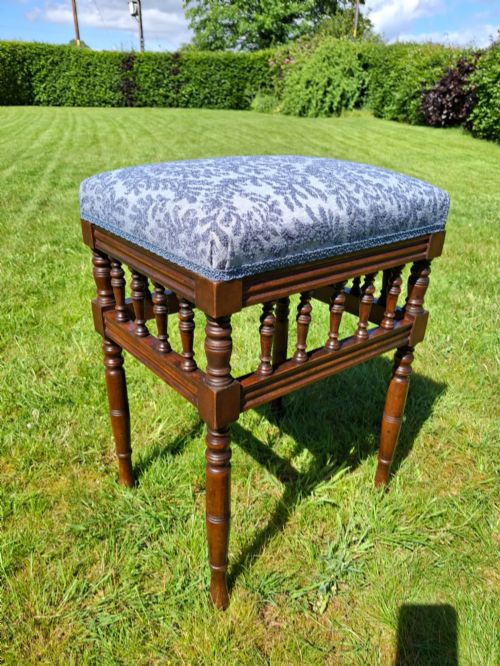
A mahogany piano bench provides a sturdy seat for musicians, taking the form of piano stools and duet stools built during the Edwardian period and around 1890, 1900, and 1910. These items serve a practical function in the music room while displaying the rich brown tones characteristic of mahogany furniture.
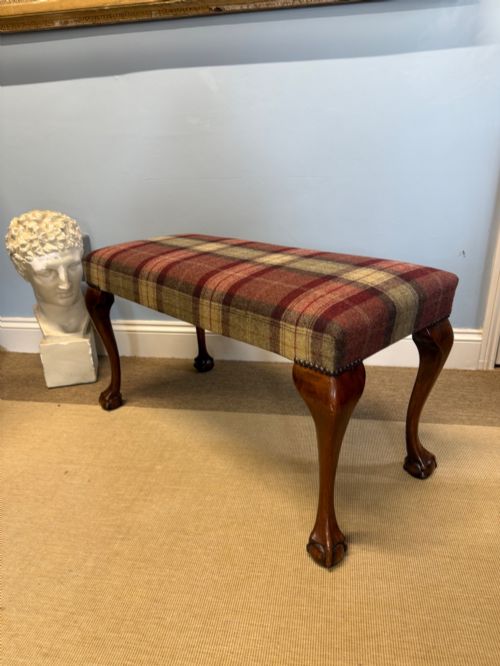
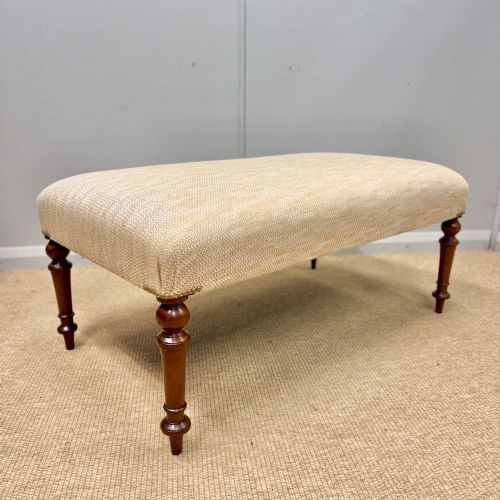
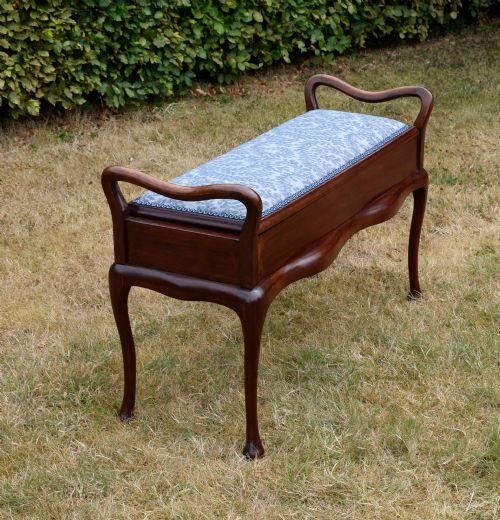
The versions most commonly met on this page are Edwardian piano stools, alongside duet stools designed to seat two players at once. They combine wooden frames with upholstered tops, bridging the gap between utilitarian seating and period furnishings.
How they were made
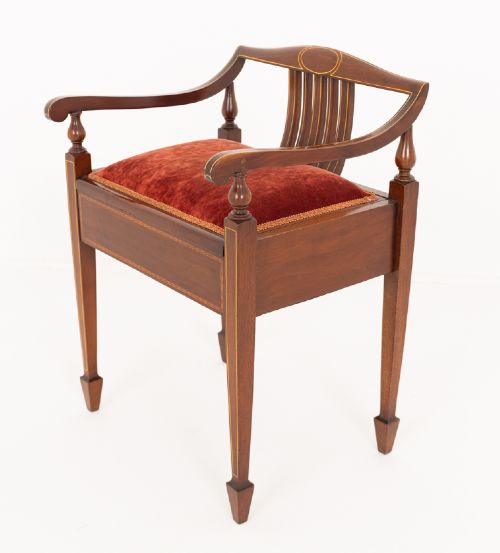
Construction relies on mahogany for the structural frame, frequently enhanced with satinwood inlay to add contrast and decorative detail. Cabinet makers shaped the timber using traditional joinery methods suited to domestic seating.
The top surfaces utilise various soft coverings, including fabric, velvet, and tapestry. These materials are secured over padding to create a comfortable seat for the player.
Retail Price Guide 2026
Typical UK retail prices for mahogany piano bench, calculated from the Sellingantiques database of over a million retail prices indexed since 2003. This retail price guide relies exclusively on Sellingantiques data; no external sources or auction records are used, so the figures do not describe the wider market.
Materials recorded include mahogany, fabric, upholstery, velvet, satinwood inlay, and tapestry.
What varies in quality
The distinction between standard examples and finer pieces rests upon the crispness of the cabinet work and the choice of decorative elements. The inclusion of delicate satinwood inlay elevates a simple wooden frame into a more refined object.
Upholstery choices also set pieces apart, moving from basic fabric coverings to tactile velvet and decorative tapestry. The overall harmony between the mahogany structure and the selected seat topping determines the visual weight of the stool.
The Mahogany Piano Bench Glossary
- Mahogany
- A durable tropical hardwood valued for its deep reddish brown colour and straight grain. It forms the primary structural material for these stools.
- Satinwood Inlay
- Contrasting light wood veneer inserted into recesses within the mahogany surface to create decorative patterns. This technique demands high skill from the maker.
- Duet Stool
- An extended piano bench built to accommodate two people simultaneously. These longer forms offer generous seating space.
- Edwardian
- The period spanning the early twentieth century up to the First World War. Stools from this era often display lighter proportions than their Victorian predecessors.
- Tapestry
- A thick woven fabric featuring figured designs used to cover the seat. It provides both texture and historical character.
Frequently Asked Questions
What is a mahogany piano bench?
A mahogany piano bench is a dedicated seat designed for use at a keyboard instrument. It combines a timber frame with an upholstered top.
These pieces range from single stools to wider duet versions intended for two players. They date primarily from the late nineteenth and early twentieth centuries.
How do I care for velvet upholstery?
Velvet seats require gentle brushing to maintain the pile and prevent dust accumulation. Keep them away from direct sunlight to preserve the colour.
Avoid using harsh liquid cleaners on antique fabric surfaces. Professional cleaning is recommended for stubborn marks.
Are these benches comfortable?
The seats incorporate padding beneath fabrics, velvet, or tapestry to provide support during practice sessions. The firmness depends on the original stuffing materials.
Duet versions offer a wider surface area while maintaining the same padded construction. They are built for stability during seated performance.
How do I date a piano stool?
Dating relies on stylistic clues, construction techniques, and materials such as satinwood inlay. Pieces from the Edwardian era often show lighter forms than Victorian examples.
Reference dates span from 1890 through 1910. Comparing the joinery and decorative motifs helps place an item within this timeframe.