

Mahogany Ottoman Stool
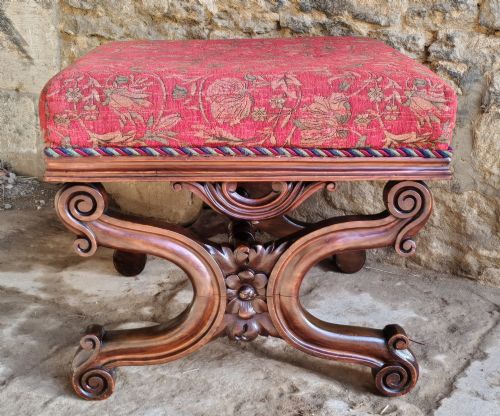
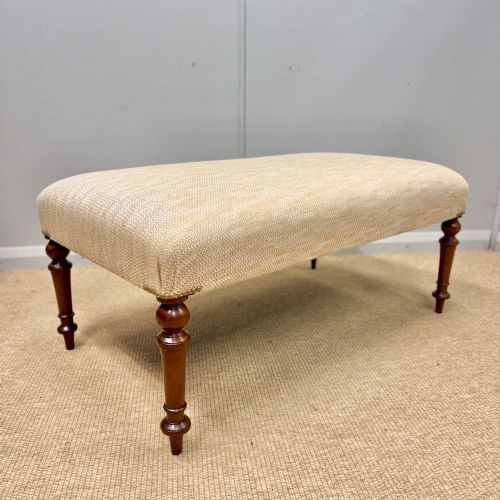
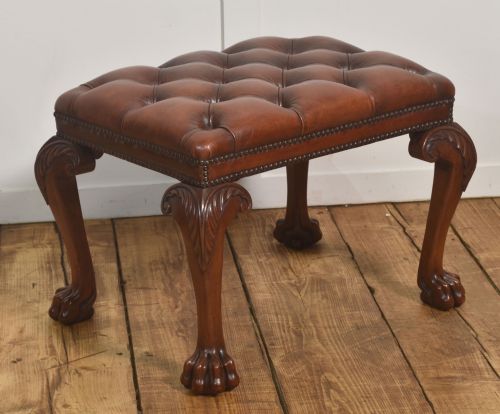
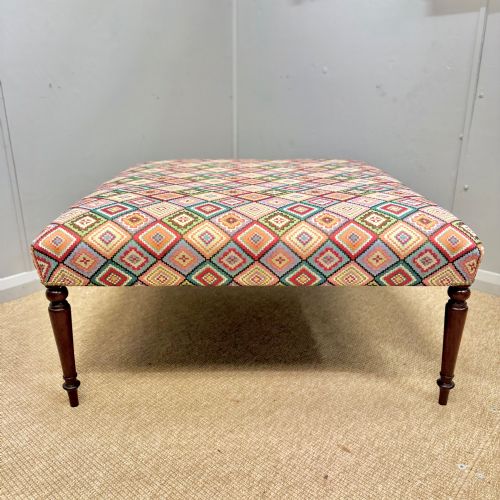
These mahogany ottoman stool examples combine sturdy timber frames with padded upholstery, offering a practical seat or footrest with hidden storage.

Mahogany Ottoman Stool
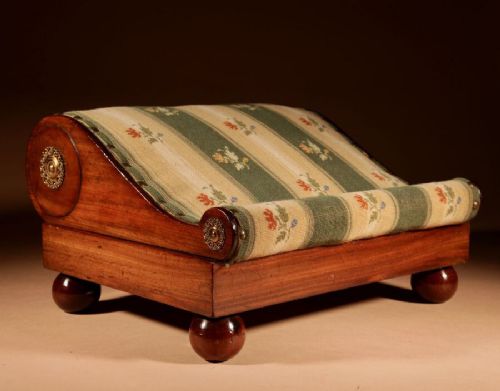
A mahogany ottoman stool serves as a low seat, footrest, or storage chest, frequently appearing in Victorian and Regency forms alongside later revival pieces.
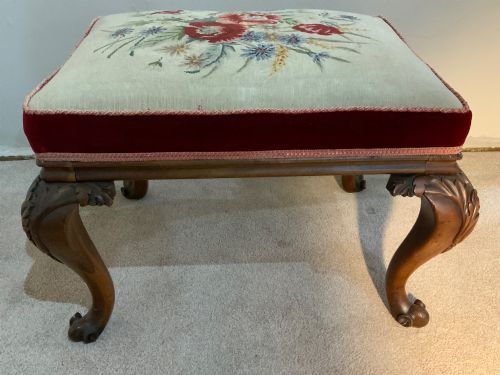
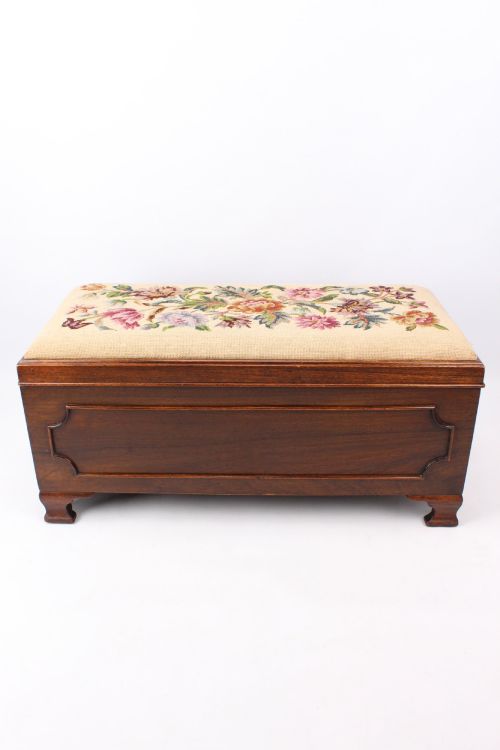
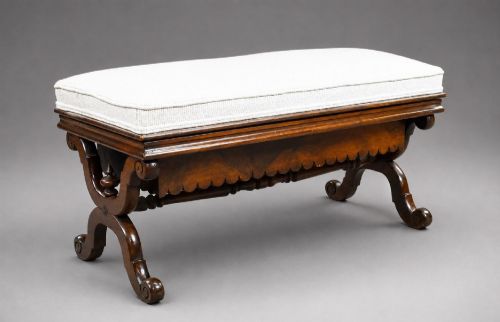
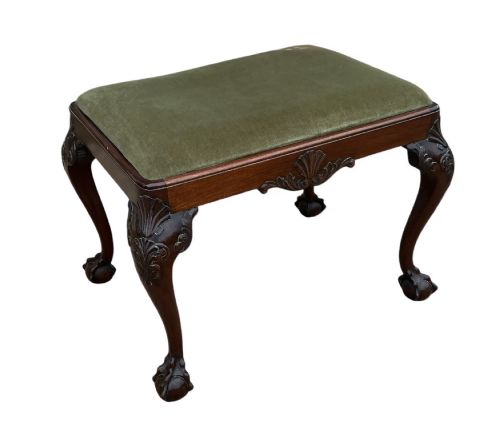
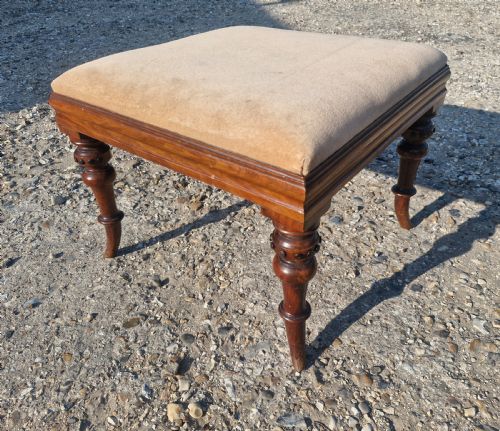
Buyers searching this phrase encounter oblong and square frames resting on cabriole legs, cross stretchers, or brass castors, often containing internal storage boxes for blankets or needlework.
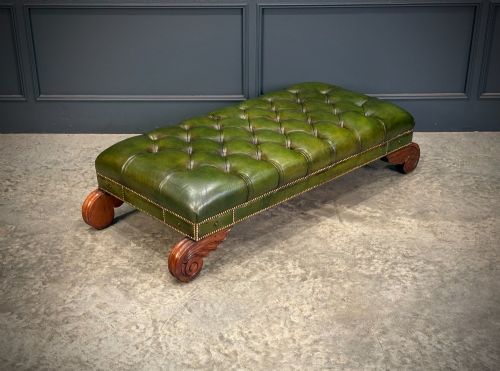
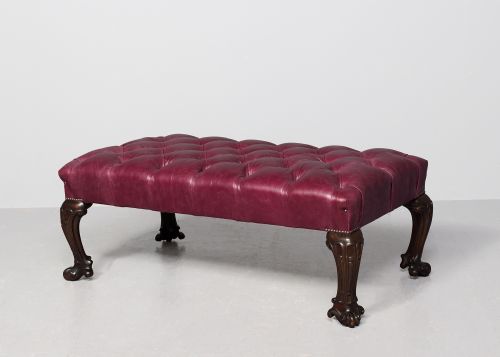
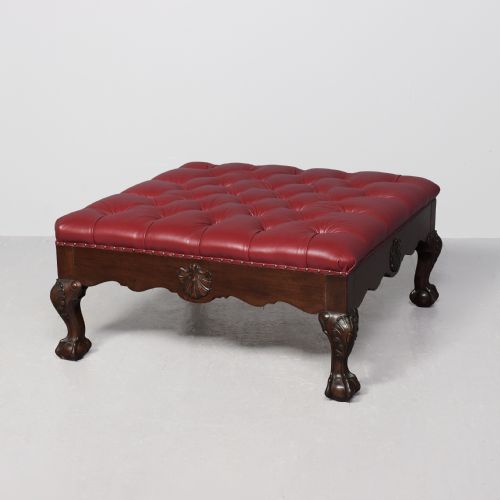
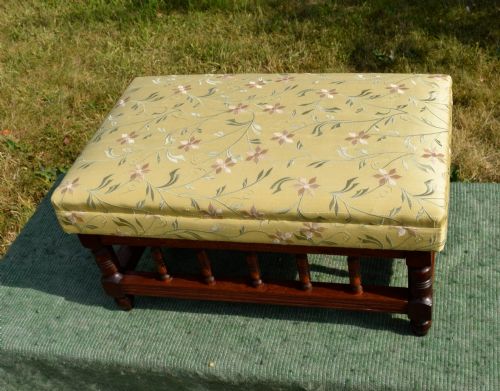
Design variations range from plain upholstered tops to buttoned leather hides, crewel work, tapestry, and kilim textile coverings.
How they were made
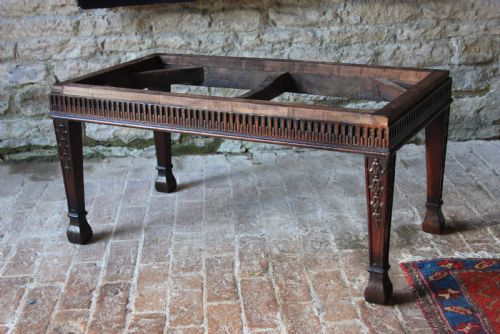
Timbers like mahogany form the structural frame, frequently shaped with carved details or plain turned legs, occasionally incorporating brass castors for mobility.
Upholstery techniques involve padding the top surface with textiles such as leather, velvet, wool, needlework, and tapestry, secured with brass studs.
Several stools double as hidden sewing boxes, proving that past generations also needed a place to stash tangled wool.
What varies in quality
The precision of the timber carving and the robustness of the structural joints dictate the baseline integrity of each frame.
The grade of the covering material, whether patinated leather, hand-stitched needlework, or crewel work, influences the visual depth of the piece.
Howard And Sons·Hallett And Sons·Mathew Gregson
The Mahogany Ottoman Stool Glossary
- Ottoman
- A low cushioned seat or footstool, frequently constructed with a hinged lid to allow internal storage.
- Cabriole leg
- A furniture leg that curves outward at the knee and tapers inward at the ankle, commonly ending in a pad or foot.
- Cross stretcher
- Wooden bracing members intersecting between the legs of a stool to provide additional structural rigidity.
- Needlework
- Hand-stitched textile decoration using yarn on canvas, often employed for period seat covers.
- Buttoned leather
- Upholstery secured with deep indentations held by buttons, creating a padded and patterned surface.
Mahogany Ottoman Stool: Frequently Asked Questions
What is a mahogany ottoman stool used for?
These pieces function primarily as footrests, low seats, or small benches placed beside armchairs and dressing tables.
Many examples also incorporate a concealed storage compartment beneath a hinged top for household items.
How do I identify a Regency period piece?
Regency items often display classical architectural influences, scroll tops, and specific turning styles characteristic of the early nineteenth century.
Compare the leg turnings and joinery details against dated examples from the same era.
How do I care for antique leather upholstery?
Maintain the hide by applying appropriate leather balms to prevent drying and cracking over time.
Keep the timber frames polished with traditional wax to protect the mahogany surface from moisture.
Are storage ottomans a Victorian invention?
The evidence shows box ottoman stools appearing frequently during the Victorian and William IV periods with hinged upholstered lids.
These pieces combined seating with enclosed trunk storage for textiles and accessories.