
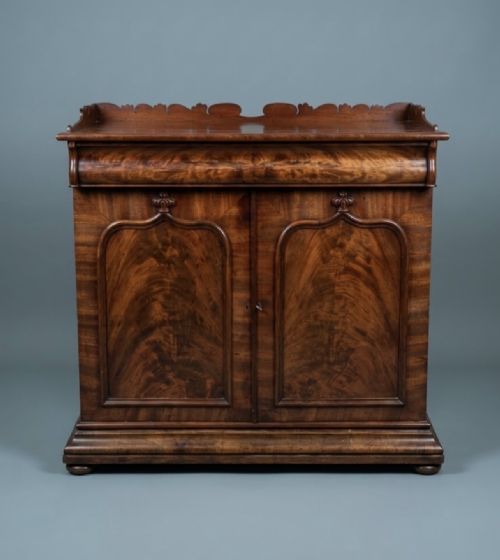
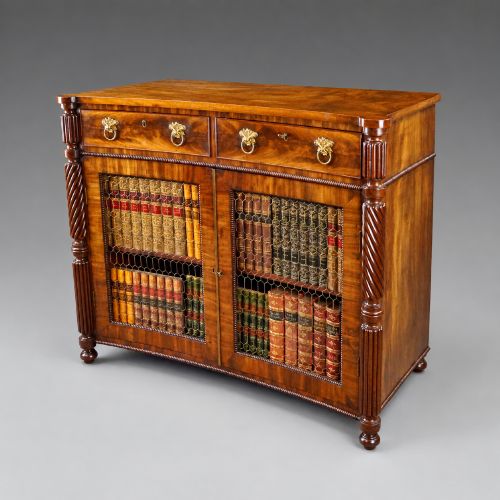
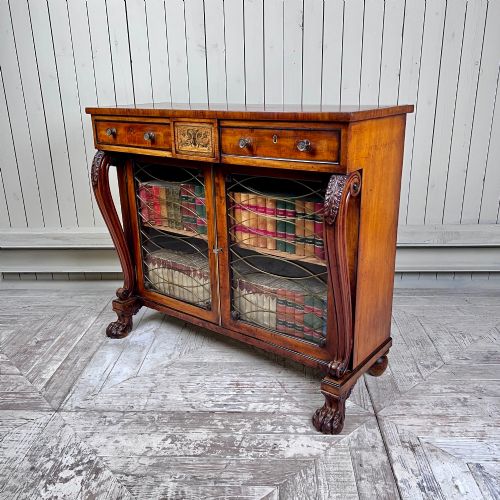
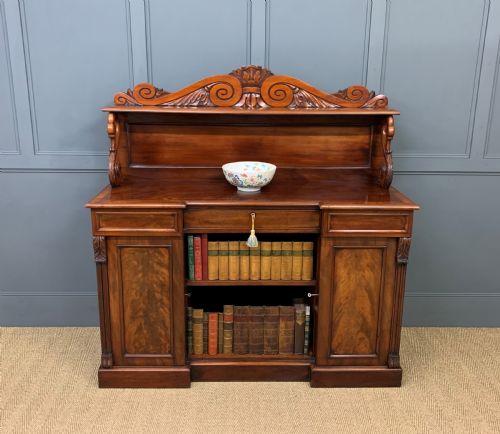

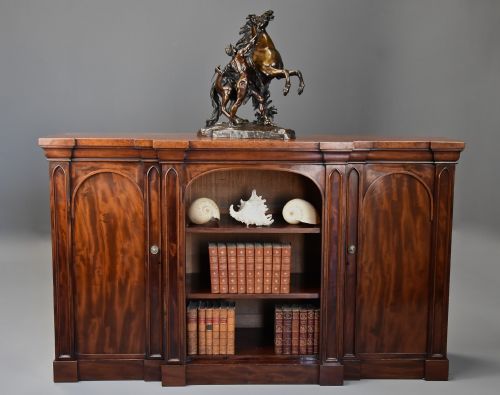
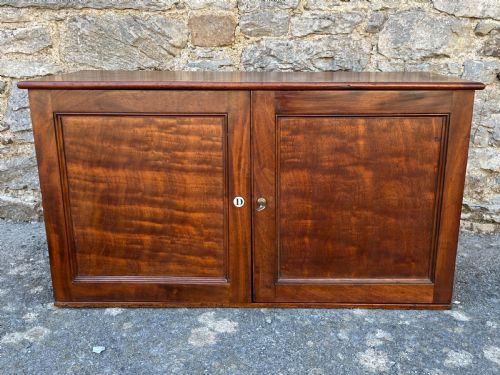

Mahogany Low Credenza
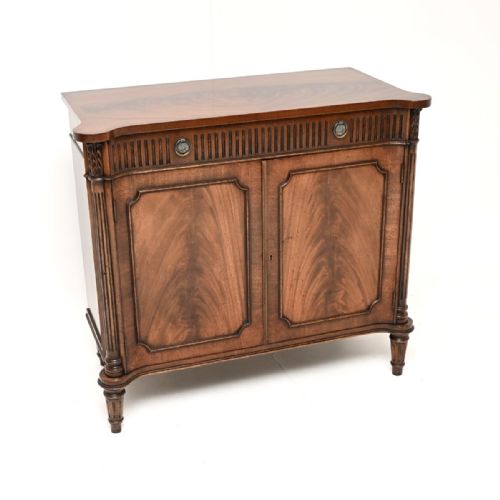
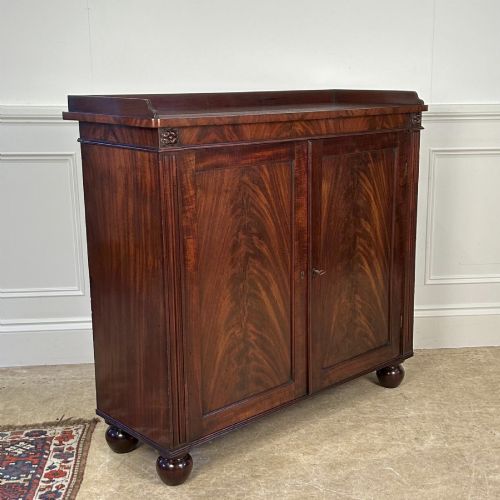
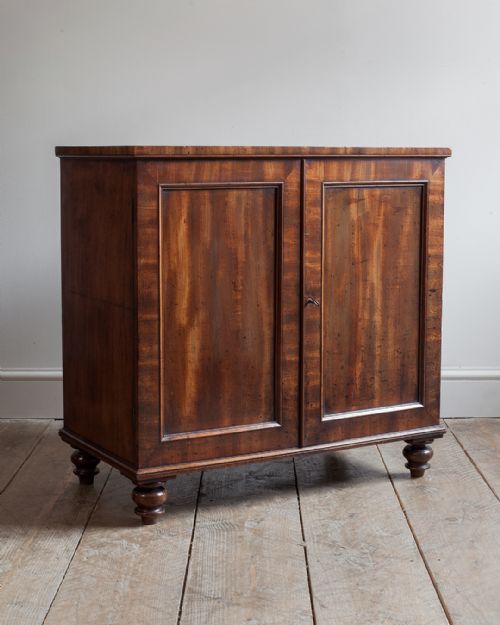
These mahogany low credenza examples unite timber warmth with compact stature, offering practical surface space and enclosed storage for any interior.
Mahogany Low Credenza
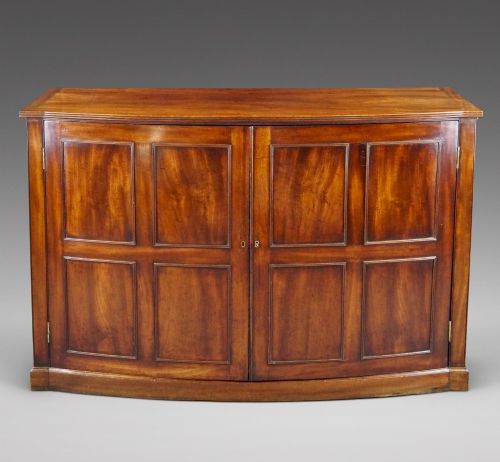
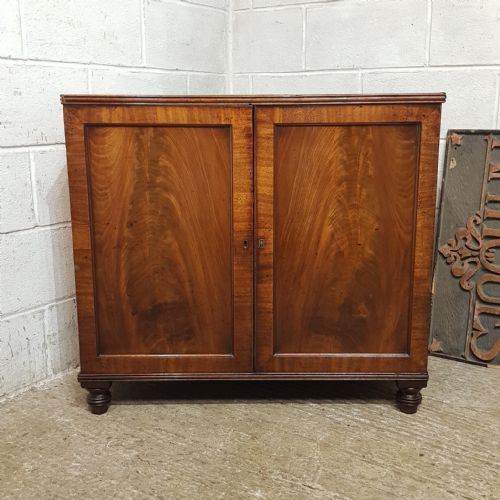
A mahogany low credenza brings together low-slung proportions and rich timber grain, serving as a functional storage piece for living and dining spaces. When you search for a mahogany low credenza on this page, you encounter variations spanning Georgian, Regency, Victorian and Edwardian periods.
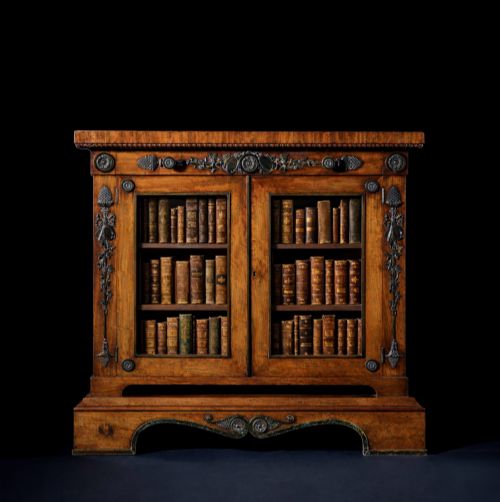
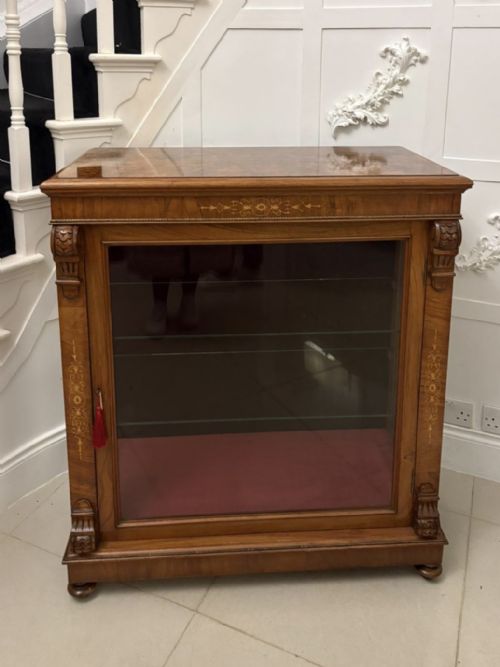
The selection ranges from two-door cupboards and dwarf bookcases to chiffoniers and low linen presses. Most pieces originate from the nineteenth century, reflecting the enduring popularity of mahogany furniture during that era.
Makers and workshops of the past utilised these compact forms to combine display surfaces with discreet cabinetry. The pieces vary from simple utilitarian cupboards to highly decorated examples featuring brass inlays and bronze mounts.
Materials and construction methods
Makers built these pieces primarily using solid mahogany and flame mahogany veneer, often selecting figured timber for door panels and top surfaces. Secondary woods such as satinwood and rosewood frequently appear alongside the primary mahogany structure.
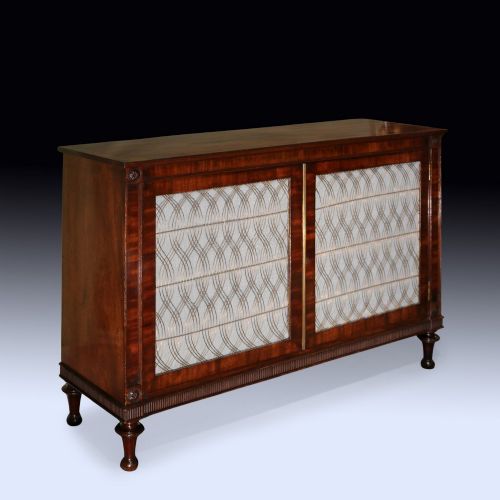
Metal elements played a significant role in embellishing the timber, with brass inlays, grilles and ormolu mounts applied to Regency and Victorian examples. Fabric and glass panels also appear in doors designed for display or cabinet storage.
Some nineteenth-century makers concealed secret compartments within their low credenzas for storing valuables out of sight.
Factors that define quality
The choice of timber sets the foundation for a piece, with figured flame mahogany and plum pudding mahogany representing the higher tier of material selection. Smooth grain matching across multiple doors demonstrates the care taken by the cabinetmaker.
Refinement in secondary details elevates a piece from utilitarian to exceptional. Precision in brass inlay work, the integration of bronze mounts and the presence of original glass or fabric panels distinguish finer workshops.
Gillows·Whytock and Reid of Edinburgh·Bowman Brothers·Harrods·Collinson and Lock London
The Mahogany Low Credenza Glossary
- Chiffonier
- A small sideboard or low cupboard, popular during the Regency and Victorian periods, often surmounted by a small bookshelf.
- Flame mahogany
- A veneer cut from timber where the grain creates a distinctive flame-like pattern. This decorative figuring appears frequently on finer front panels.
- Ormolu
- Gilded bronze applied as an ornament to furniture. It adds metallic contrast to the dark mahogany surfaces.
- Dwarf bookcase
- A low open bookshelf or cabinet designed to sit below window height. These pieces often incorporate glazed or solid doors.
Mahogany Low Credenza: Frequently Asked Questions
What is a low credenza used for?
These cabinets provide surface space for lamps or decorative objects while offering enclosed storage beneath for books or dining items. Their low profile ensures they do not overwhelm smaller rooms.
Historically, similar low cupboards served various domestic functions from serving food to housing books or linens. Today they adapt easily to modern living spaces as media units or sideboards.
How do I identify a Regency piece?
Regency pieces often feature architectural lines influenced by classical antiquity, combined with dark mahogany timber. Look for distinctive brass inlays or bronze mounts.
Cabinetmakers of this era frequently incorporated grilles into door panels or utilised flame mahogany veneers to create visual depth.
Where should I place a low cabinet?
These pieces suit living rooms, hallways or dining spaces where height is restricted. Their low stature allows artwork or mirrors to hang comfortably above them.
Ensure the depth of the cabinet matches the proportions of the wall space and allows clearance for doors to open fully.
How do I care for mahogany surfaces?
Keep mahogany furniture away from direct sunlight and heat sources to prevent the wood and veneers from drying out. Dust regularly with a soft, dry cloth.
Avoid silicone-based polishes and instead use traditional beeswax sparingly to maintain the natural sheen of the timber.