
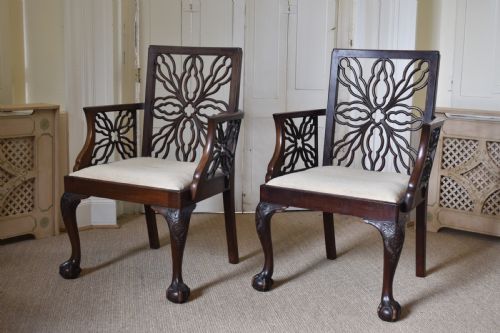
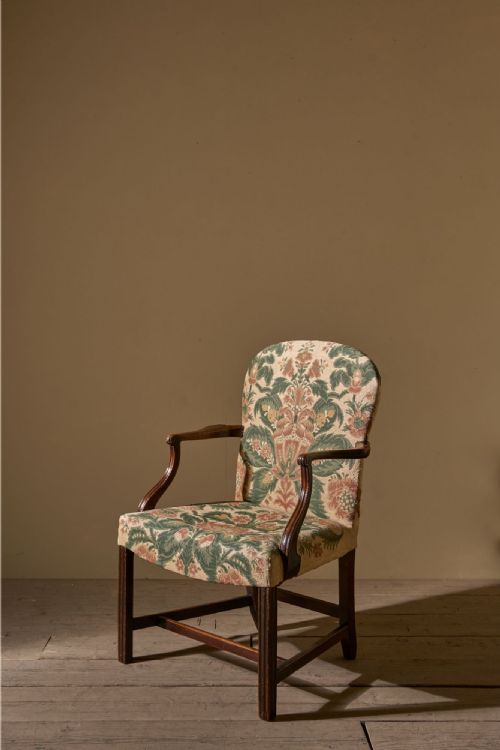
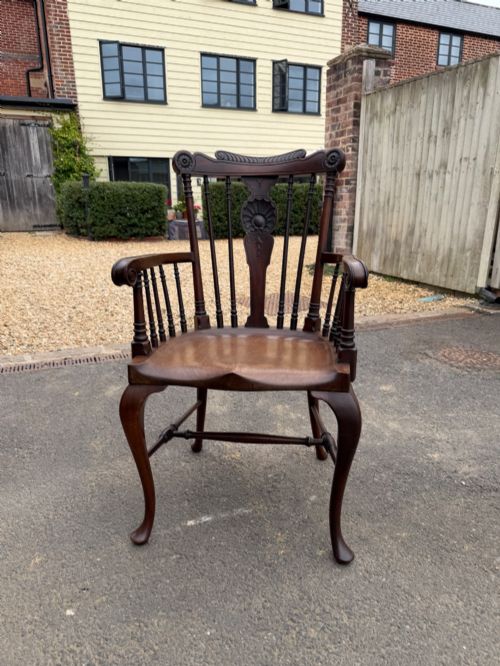
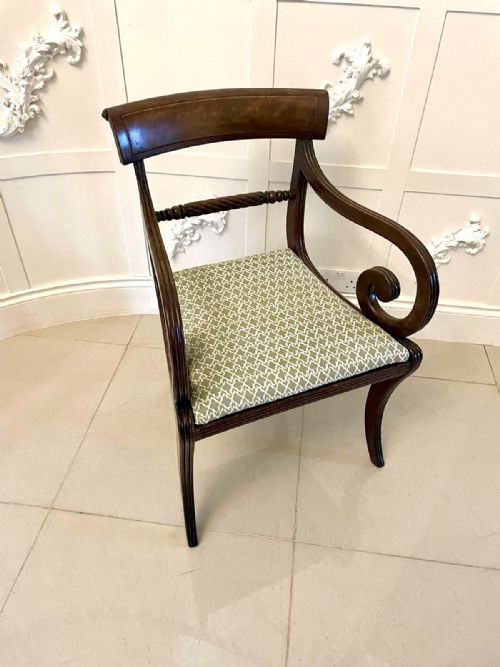
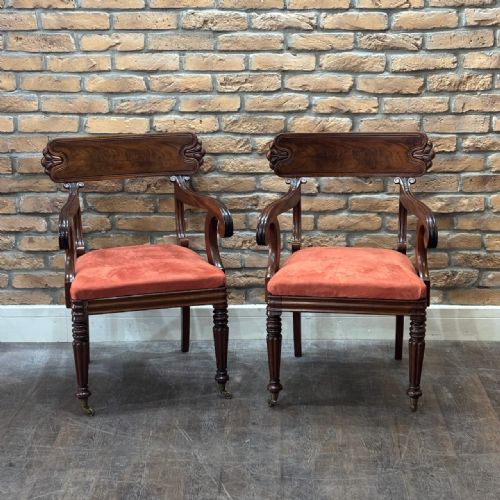


Mahogany Library Carver Chairs
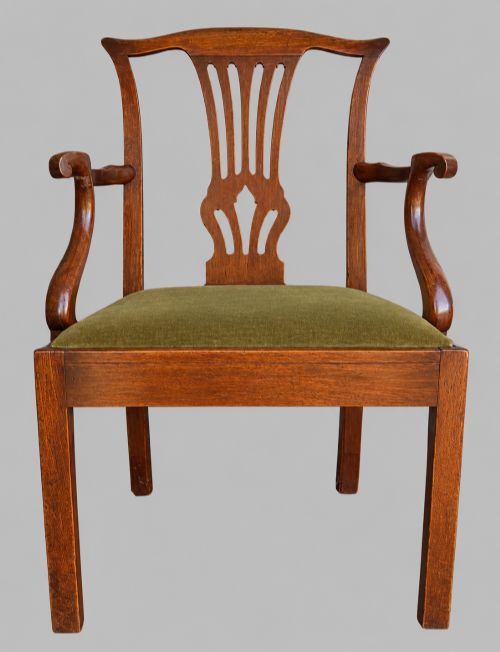
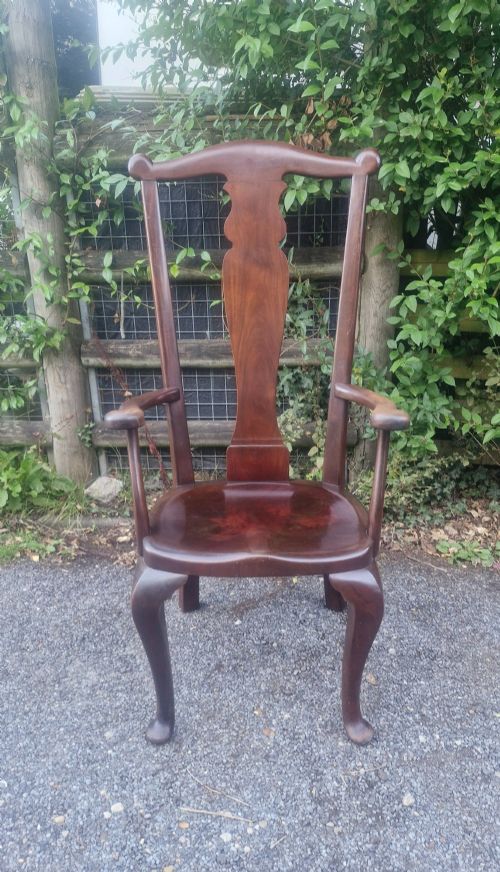
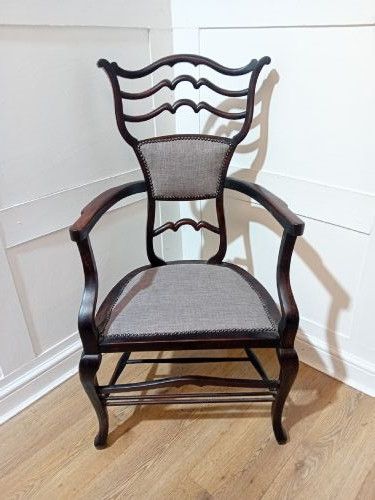
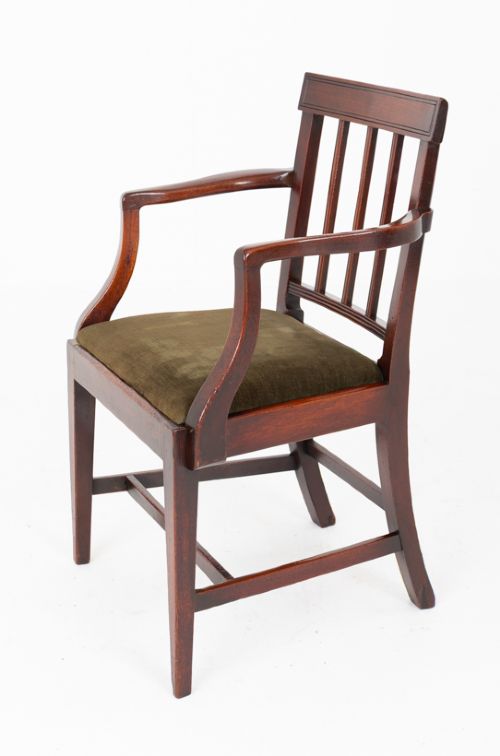
Mahogany library carver chairs are sturdy armchairs designed for reading and writing, combining timber frames with upholstered seats to anchor a study.
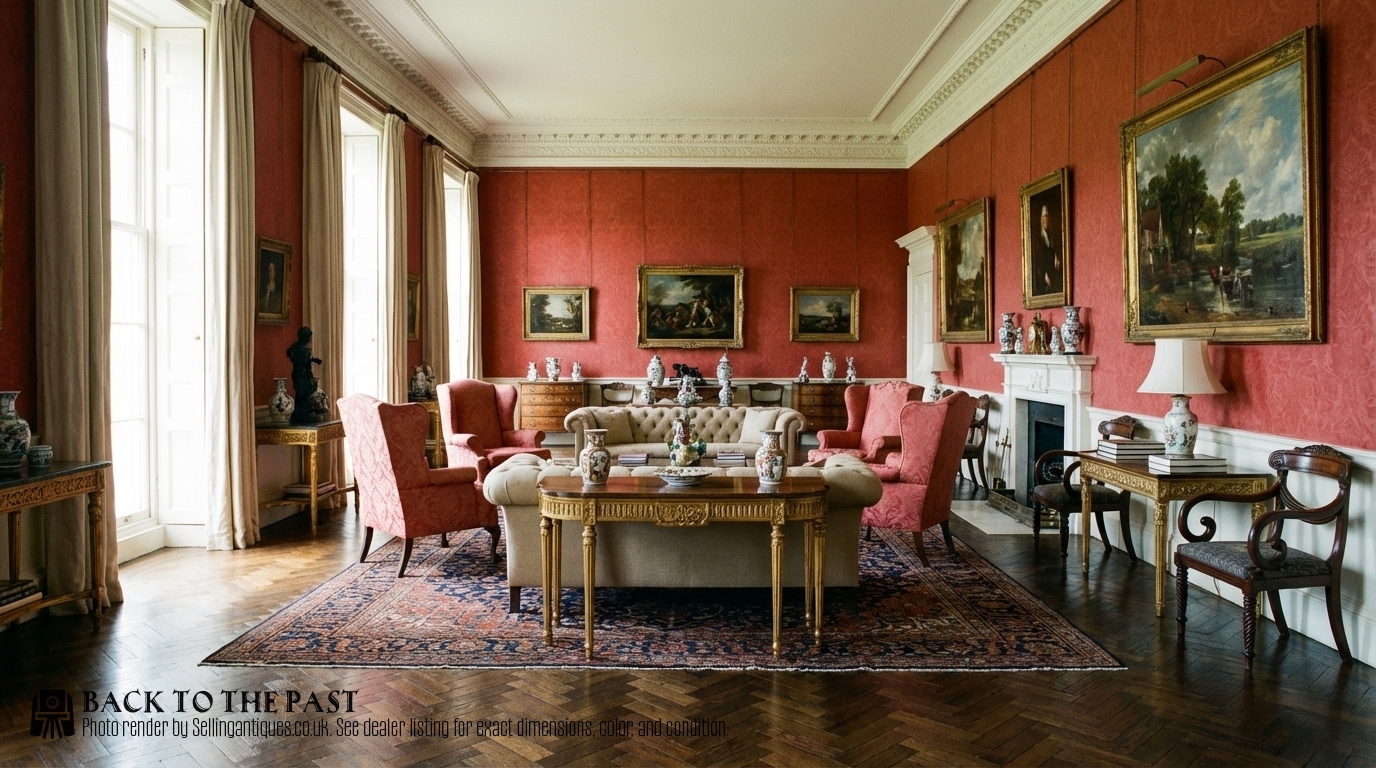
Mahogany Library Carver Chairs
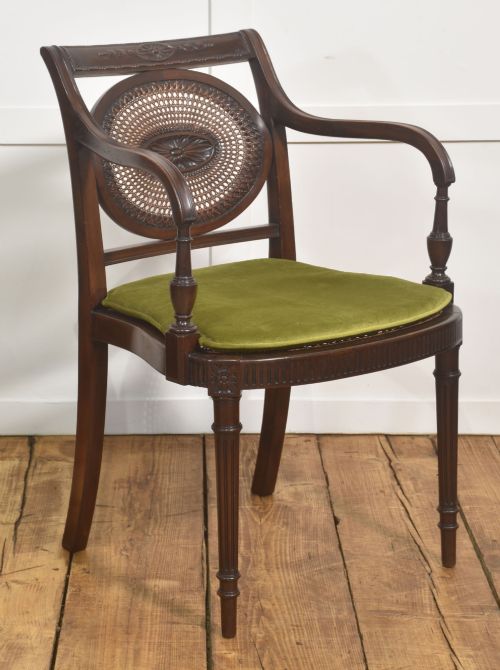
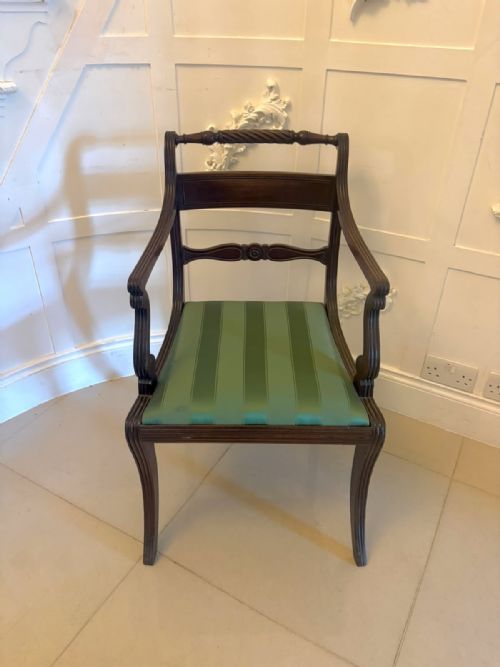
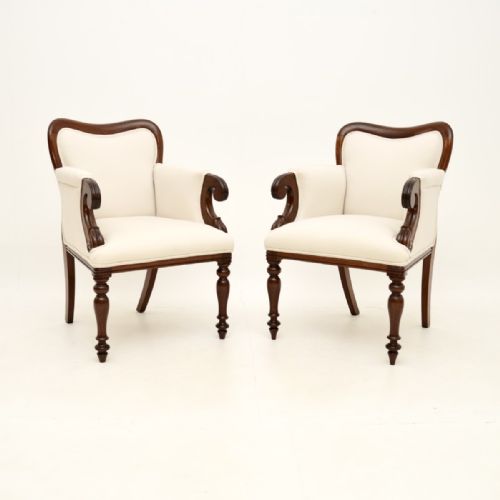
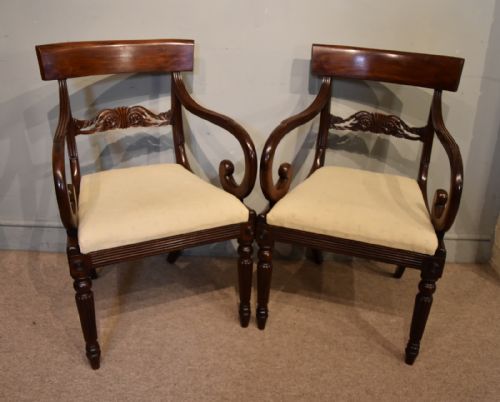
Mahogany library carver chairs are substantial armchairs created for reading, writing, and administrative tasks, often positioned near desks or bookcases. When searching for mahogany library carver chairs, a buyer encounters pieces originating from the Georgian, Regency, William IV, and Victorian periods, alongside later revival styles.
The selection on this page relies heavily on nineteenth-century examples, spanning George III interpretations through to Edwardian pieces. These seats appear in various configurations, including open armchairs, desk chairs, and high-back writing seats.
Makers from the past produced these armchairs to serve functional roles in libraries and offices, resulting in sturdy proportions and integrated armrests. The listings show a prevalence of Regency and Georgian aesthetic influences expressed through mahogany framing.
How They Were Made
Makers constructed the primary frameworks using solid mahogany, selecting the timber for its dense grain and structural stability. Workshops frequently incorporated brass details, cane panels, and hand-dyed leather to finish the seating surfaces.
Upholstery techniques involved padding seats and backs with textile, fabric, velvet, or upholstery fabric, secured directly to the timber frame. Joinery relied on traditional methods to ensure the armchairs supported regular daily use in study environments.
The inventory records multiple Georgian and Regency designs alongside later Victorian, Edwardian, and revival interpretations.
What Varies in Quality
The refinement of carved details on the mahogany frame and arms separates standard utility chairs from finer library seats. Proportions and the integration of the armrests dictate how balanced the chair appears in an interior.
The selection of secondary materials, such as the quality of the leather upholstery or the tightness of the cane work, determines the overall finish of the piece. Wood selection and grain matching across the visible sections further indicate the skill applied during construction.
Gillows
The Mahogany Library Carver Chairs Glossary
- Carver
- An armchair, typically designed with arms to match a set of dining or desk chairs. These seats often feature more substantial proportions than standard side chairs.
- Regency
- A style period spanning the early nineteenth century characterised by classical influences, sabre legs, and brass inlay. Pieces from this era often display clean lines and dark mahogany surfaces.
- Chippendale
- A mid-eighteenth-century style known for carved mahogany cabriole legs, interlaced splat backs, and ornate detailing. Revival versions appeared frequently in later centuries.
- Sabre leg
- A curving, outward-swooping leg shape popular on Regency chairs that tapers toward the foot. This form provides lateral strength without heavy bracing.
- Elbow chair
- An alternative term for an armchair or carver, referencing the supportive rests for the arms. These chairs were widely utilised at desks and reading tables.
Mahogany Library Carver Chairs: Frequently Asked Questions
What defines a library carver chair?
A library carver chair is an armchair featuring integrated armrests and a sturdy mahogany frame built for prolonged reading or desk work. These seats provide broader proportions than standard side chairs to accommodate comfortable posture during study.
Craftsmen designed them to stand near bookshelves or writing tables, combining functional timber construction with upholstered or leather seats. The armrests distinguish them as carvers within a larger suite of furniture.
How do I identify a Regency mahogany chair?
Regency chairs typically display classical lines, dark mahogany timber, and distinctive elements such as sabre legs or subtle brass inlay. The styling draws on ancient Greek and Roman motifs, resulting in restrained ornamentation.
Makers working in this period favoured clean geometric forms and curved structural elements rather than heavy carving. Examining the leg profile and joinery helps confirm this nineteenth-century origin.
Where were these chairs used?
These armchairs served primarily in private libraries, home studies, and formal offices for reading manuscripts or writing letters. Their robust mahogany frames handled daily placement around heavy desks and large tables.
Beyond the study, similar carvers appeared in bedrooms, dressing rooms, and drawing rooms as occasional seating. The inclusion of upholstered fabric or leather made them suitable for extended sitting.
How do I care for mahogany and leather?
Mahogany frames benefit from occasional waxing to maintain the natural lustre of the timber and protect the surface from drying out. Avoid placing the wood in direct sunlight or near heat sources to prevent warping.
Leather upholstery requires gentle cleaning with appropriate conditioners to keep the hide supple over time. Regular dusting prevents particulate buildup in the carved details and grain.