
Mahogany Inlay Cabinet
Mahogany inlay cabinet pieces bring warmth and refined detail to a room, uniting rich timber with delicate contrasting woodwork.
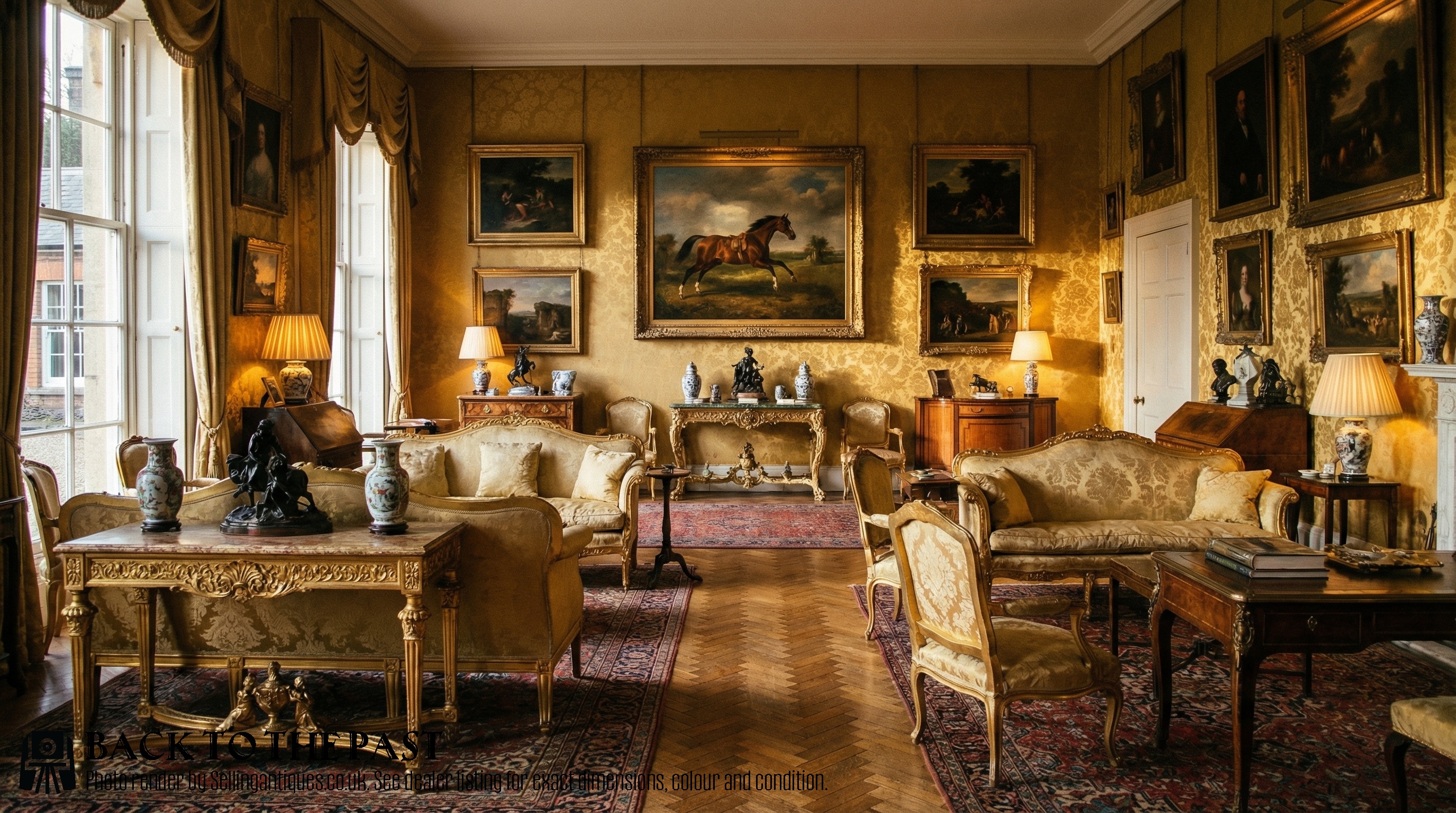
Mahogany Inlay Cabinet
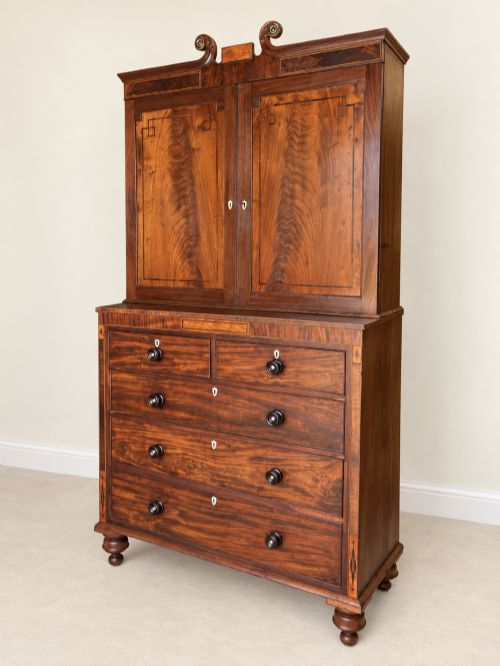
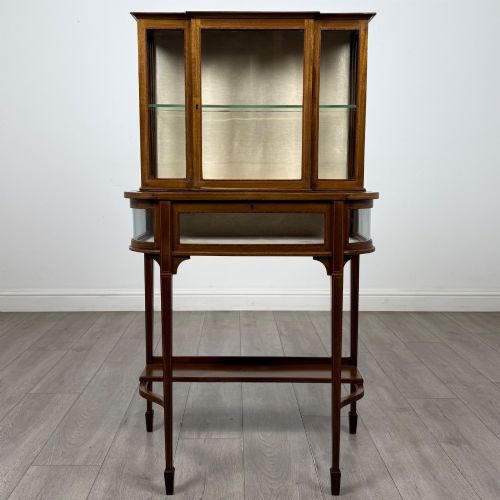
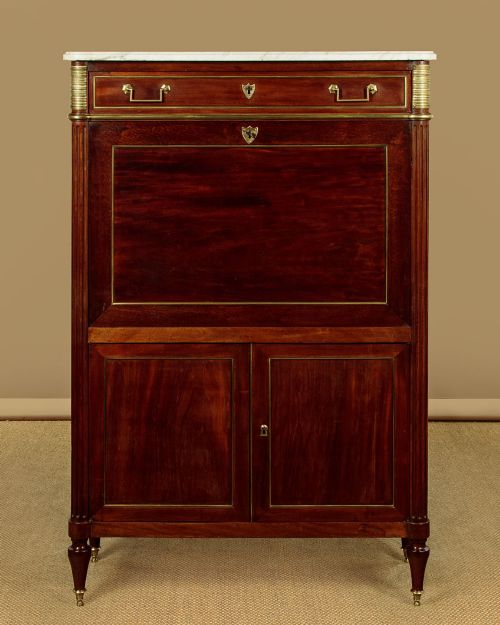
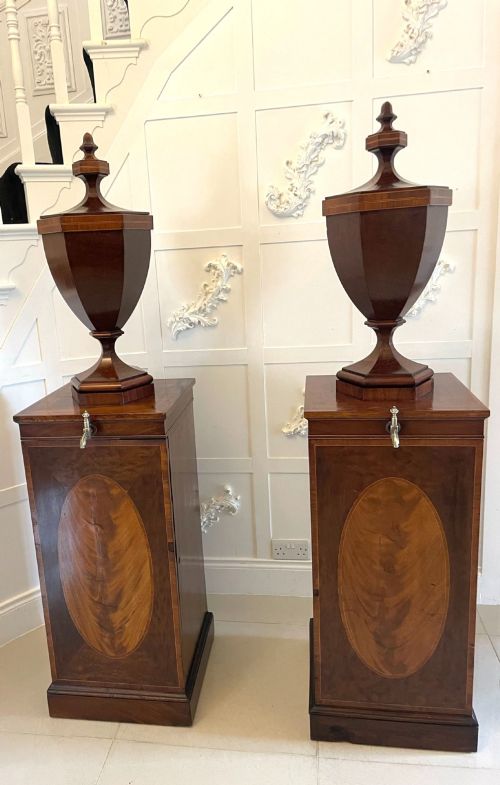
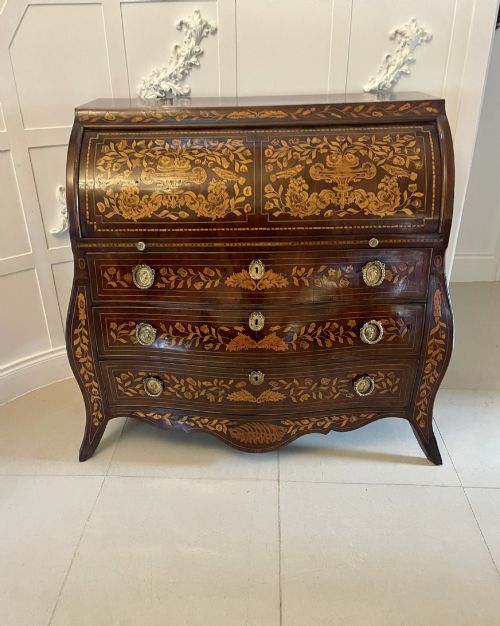
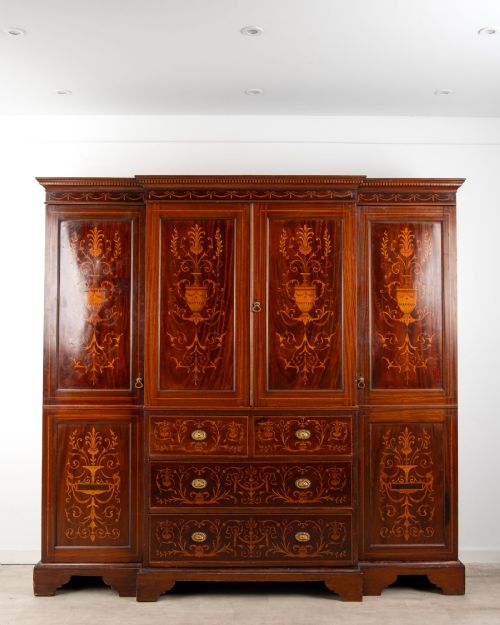
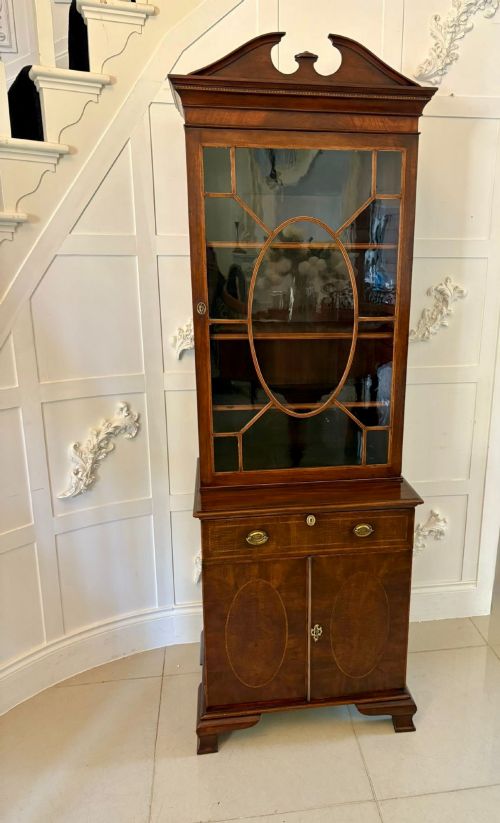
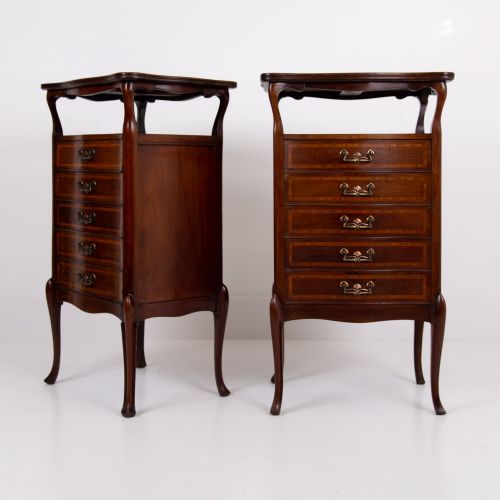
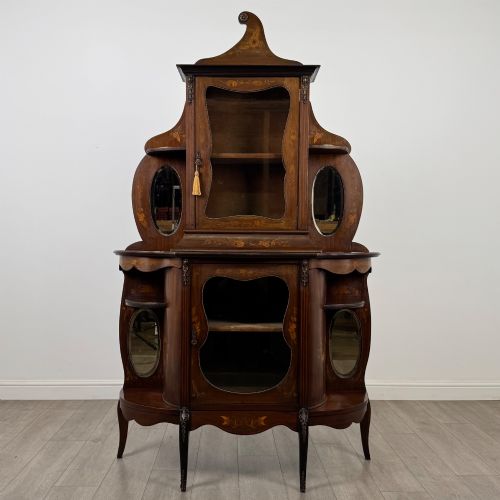
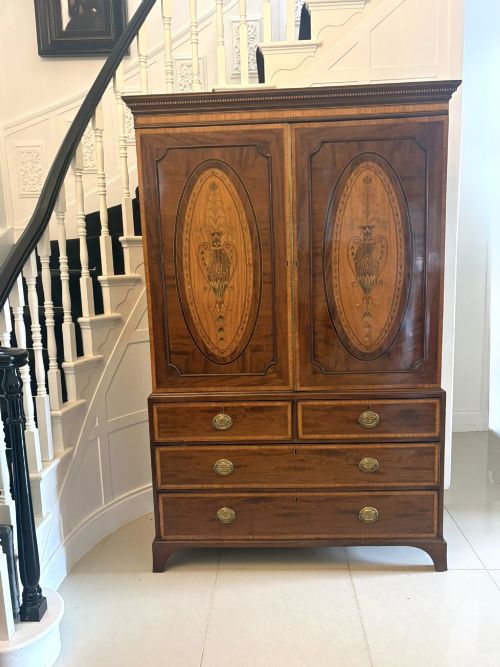
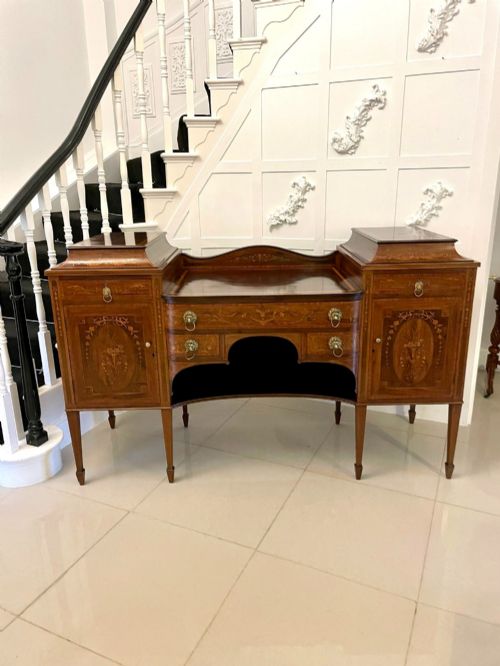
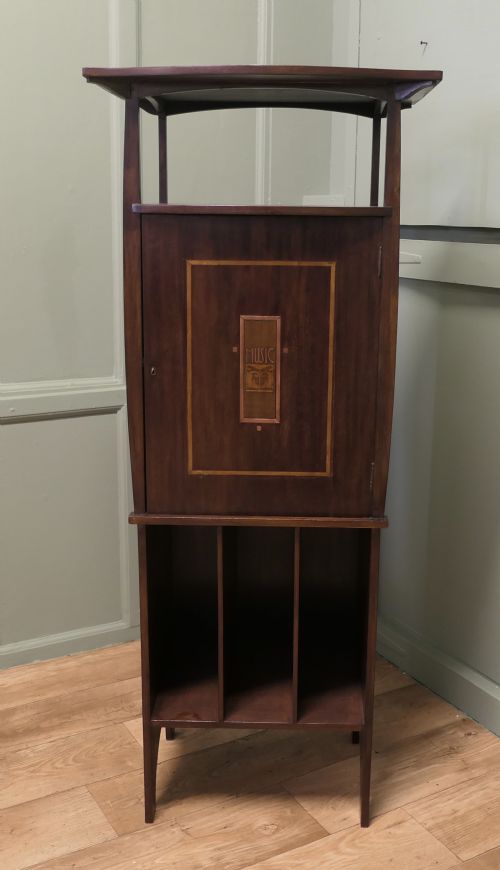
A mahogany inlay cabinet search encompasses a diverse group of storage furniture, ranging from tall display cases and linen presses to compact bedside cupboards and corner units. These pieces span multiple eras, with Georgian, Regency, Victorian, and Edwardian examples appearing frequently across the inventory.
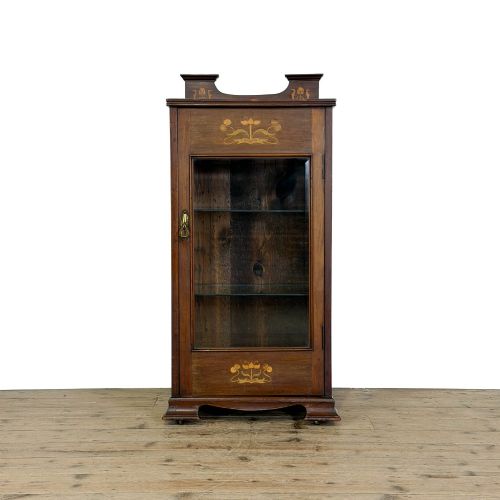
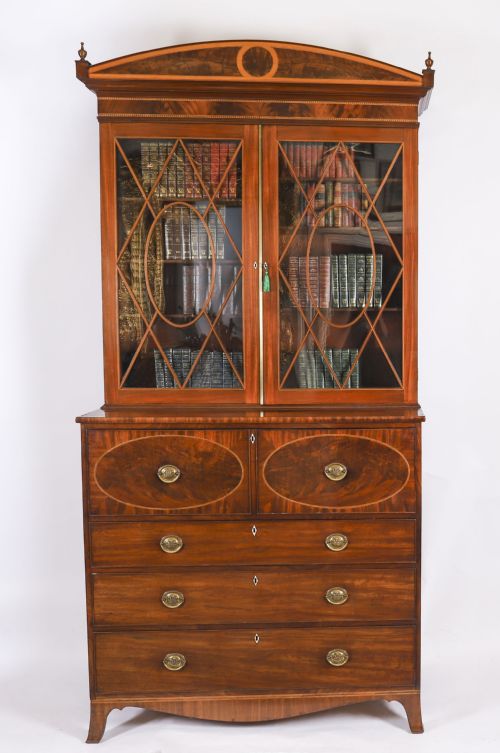
The most common formats met on this page are Edwardian display cabinets and late nineteenth-century corner cupboards, often embellished with lighter wood details. Larger architectural forms, such as secretaire bookcases and compactum wardrobes, also feature prominently alongside sideboards and smaller wall-hung cabinets.
Materials and Construction
Makers utilised solid mahogany and flame mahogany veneers over secondary timbers, building substantial carcasses designed to house books, china, or clothing. The warm reddish-brown body of the furniture provides a dark ground for contrasting decorative elements.
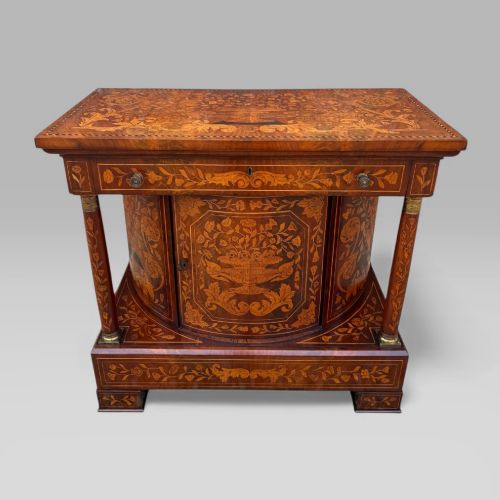
Inlay work incorporates lighter species such as satinwood, boxwood, and ebony, often cut into floral marquetry, geometric stringing, or shell motifs. Brass handles, castors, and glazed doors frequently complete the construction of these refined storage pieces.
Several pieces include their original keys, reminding us that eighteenth-century secrets were rarely locked away for very long.
Assessing the Standard
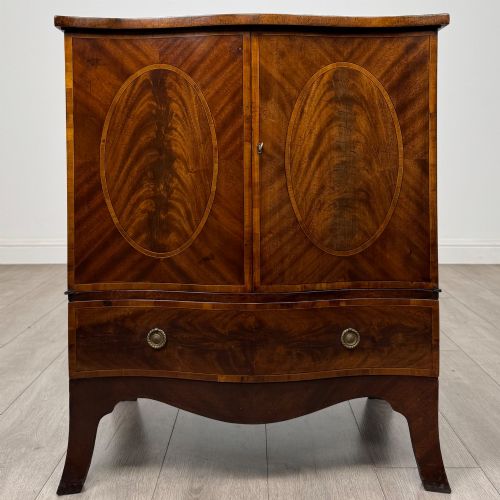
Quality rests upon the crispness of the contrasting inlay and the grain selection of the primary mahogany veneer. Flame mahogany panels with strong natural movement demand superior skill to match across doors and drawers.
The finesse of the cabinetmaker's joinery, the retention of original brass hardware, and the proportion of the piece separate standard utility items from finer examples of Sheraton Revival or Georgian craftsmanship.
Hewetsons London·GM Elwood·JS Henry·maples & co·Edwards and Roberts
The Mahogany Inlay Cabinet Glossary
- Marquetry
- Elaborate pictorial inlay work using various tinted woods and veneers to create floral or geometric scenes. This decorative technique often adorns the central doors of finer cabinets and commodes.
- Stringing
- Thin lines of contrasting timber inlaid into shallow grooves around drawer fronts and borders. It defines the structural panels of late eighteenth and nineteenth-century case furniture.
- Compactum
- A large, multi-functional wardrobe designed with internal sliding trays, hanging space, and drawers. These large pieces maximise storage within a single architectural footprint.
- Secretaire
- A cabinet or desk incorporating a fitted drop-front writing drawer that conceals small pigeonholes and letter compartments. It combines desk functionality with enclosed shelving.
- Astragal
- Moulding bars that divide individual panes of glass within a cabinet door. They form delicate geometric lattices across display cases and bookcase fronts.
Mahogany Inlay Cabinet: Frequently Asked Questions
How do I date a mahogany inlay cabinet?
Dating relies on observing structural characteristics, timber selection, and the specific style of the inlay work. Georgian pieces tend to exhibit heavier construction with hand-cut dovetails, whilst Edwardian revivals often feature lighter framing and machine-cut veneers.
Secondary woods and hardware also offer clues, as brass handles and castors changed in design and method of manufacture across the eighteenth and nineteenth centuries.
Where should I place a corner cabinet?
Corner cabinets suit awkward room angles, transforming dead space into functional display areas for ceramics, glassware, or books. Tall freestanding models anchor empty corners in dining rooms or sitting rooms.
Smaller hanging versions work well above side tables or in hallways, lifting visual interest without occupying valuable floor space.
How do I clean satinwood inlay?
Maintenance requires gentle dusting with a soft, dry cloth to prevent the buildup of grit in the grain. Moisture should be avoided, particularly around older veneers where water can loosen the glue beneath the inlay.
Occasional application of high-grade beeswax feeds the timber and protects the contrasting light and dark woods without building up heavy residue.
What is flame mahogany?
Flame mahogany is a highly figured veneer sliced from the point where a branch joins the main trunk of the tree. This produces a distinctive, fiery feather pattern that reflects light differently from standard straight-grained timber.
Cabinetmakers reserved this prized material for the primary focal points of high-end furniture, such as central door panels and drawer fronts.