
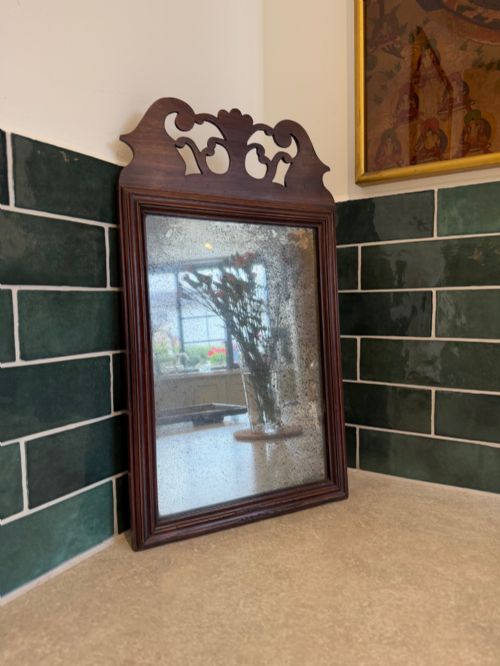
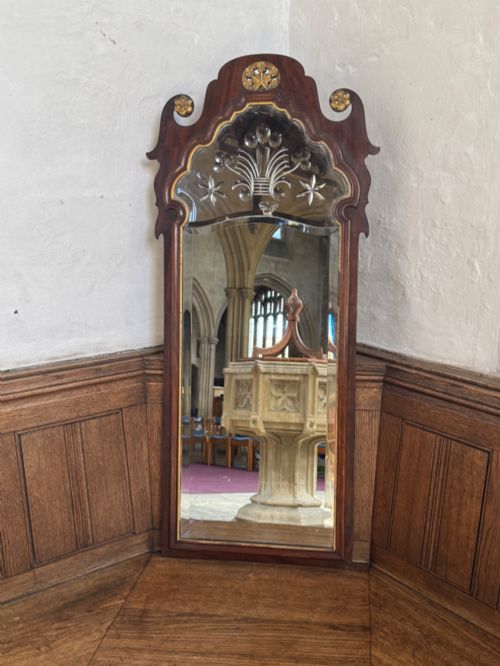
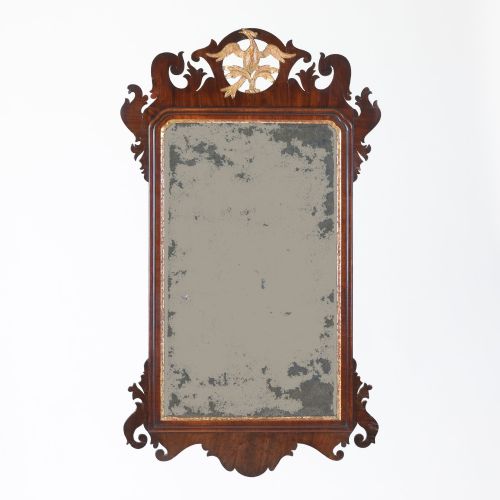
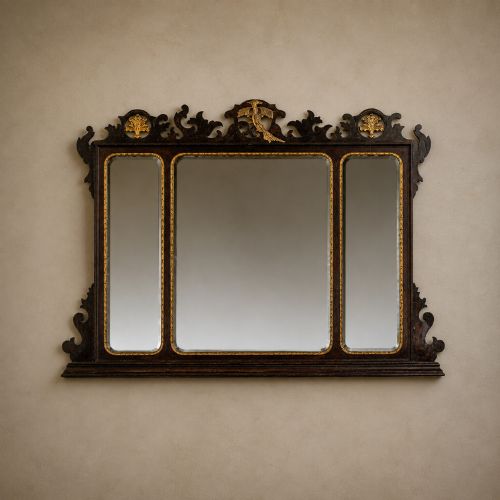
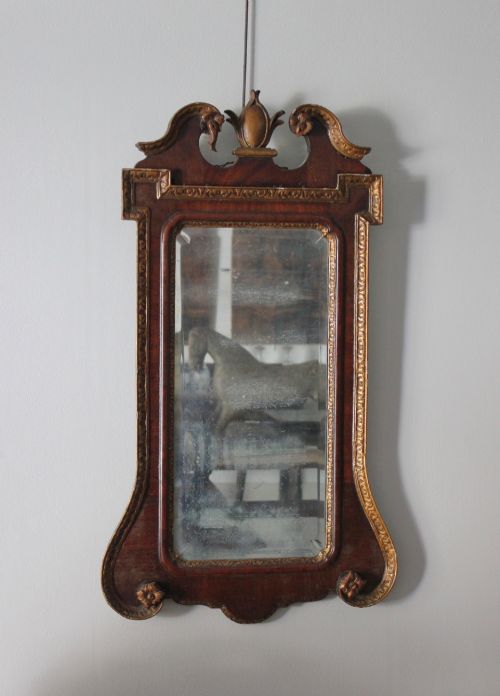
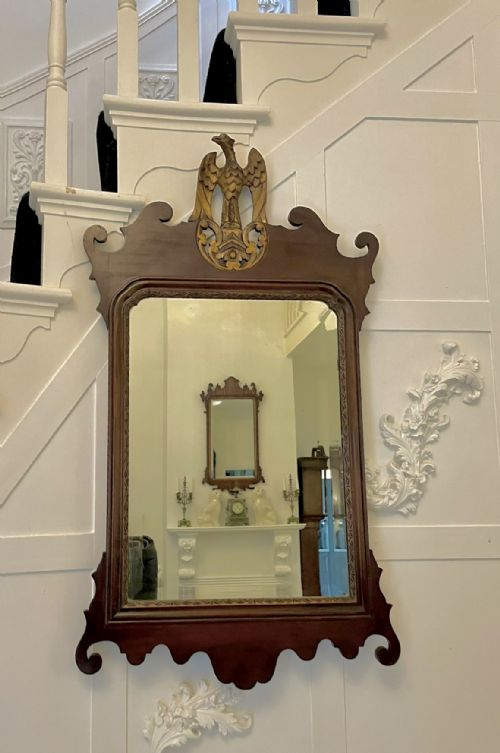
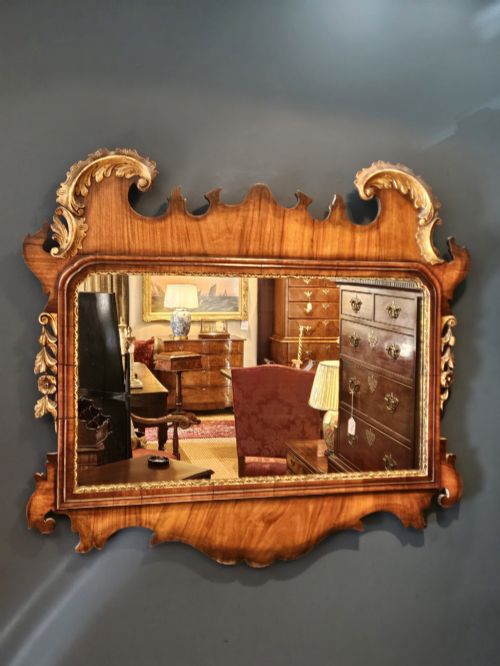
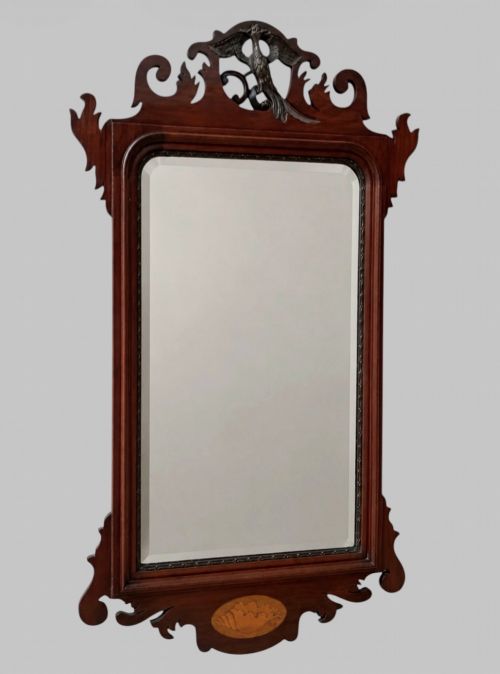


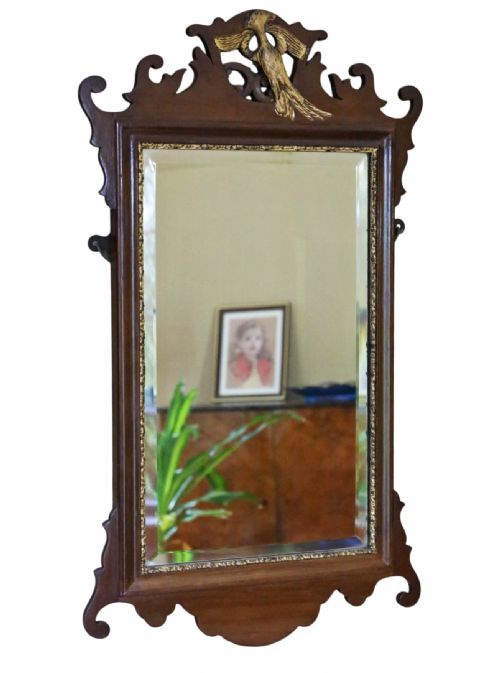
Mahogany Fretwork Wall Mirror
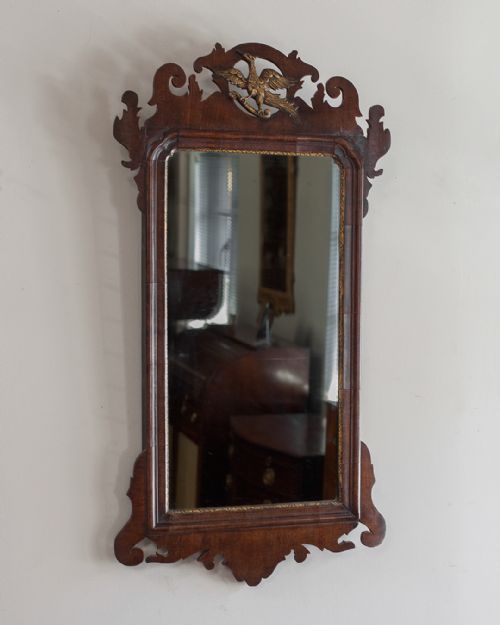
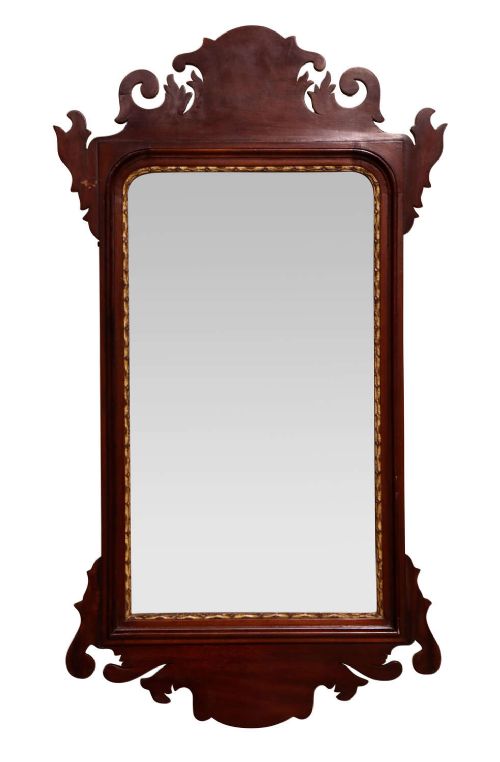
A mahogany fretwork wall mirror brings architectural line and carved detail to a room, offering the classic proportions of the eighteenth and nineteenth centuries.
Mahogany Fretwork Wall Mirror
A mahogany fretwork wall mirror is a hanging looking glass set within a pierced wooden frame, designed to catch light and ornament a wall. When you search for this phrase, you encounter pieces that range from genuine eighteenth-century examples to later revivals from the Victorian and Edwardian eras.
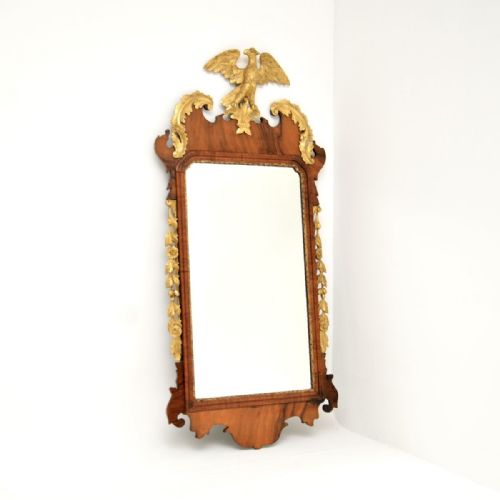
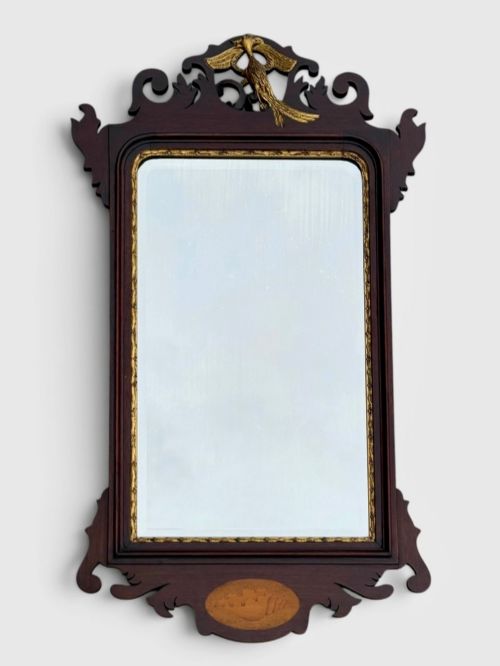
The most common pieces on this page follow Georgian and Chippendale styles, frequently featuring scrolled outlines and pierced crests. Surviving examples often display parcel-gilt accents, giltwood details, or carved motifs such as the iconic Ho-Ho bird.
Formats vary from vertical pier mirrors suited for narrow wall spaces to wider landscape and overmantel variants. These pieces function historically as focal points above mantelpieces, in reception halls, and within morning rooms.
Materials and construction
Frames are constructed from mahogany, sometimes combined with secondary timbers like walnut, shaped using fret-cutting techniques to create intricate pierced silhouettes. Artisans applied gold leaf, gesso, or parcel-gilt highlights to accentuate specific carved elements of the design.
Mirrors utilise silvered glass plates, occasionally featuring bevelled edges or reverse-cut designs. Backboards and structural supports are typically held together with traditional joinery appropriate to the period of manufacture.
Many birds peer down from crests, watching over centuries of rooms.
Judging quality and character
Quality rests in the crispness of the fret-cutting and the depth of the carving on the mahogany frame. Superior examples demonstrate refined proportions and clean piercing without brittle breaks or clumsy repairs to the delicate scrolls.
The integrity of the surface finish matters greatly, with untouched original patination commanding higher appreciation than heavily restored or later surfaces. The clarity and age of the glass plate, whether original or a period replacement, also influence the character of the object.
The Mahogany Fretwork Wall Mirror Glossary
- Fretwork
- Ornamental design created by piercing thin wood with a fretsaw to form geometric or scrolling patterns. This technique defines the silhouette of the frame.
- Parcel-gilt
- Partially gilded decoration where gold leaf is applied selectively to highlight carved details against the dark mahogany background. It creates a striking contrast of materials.
- Ho-Ho bird
- A stylized Chinese phoenix motif frequently carved into the crest of eighteenth-century and revival mirrors. It adds symbolic ornament to the top scroll.
- Pier glass
- A tall, narrow mirror designed specifically to hang on the wall space between two windows. These pieces maximise natural light in period rooms.
- Vauxhall plate
- An early type of mirror glass characterised by a heavy bevelling and a thicker, slightly distorted plate. Such plates indicate eighteenth-century origin.
Mahogany Fretwork Wall Mirror: Frequently Asked Questions
How do I hang a heavy mahogany fretwork mirror?
These frames require secure wall fixings distributed evenly to support the weight without straining the delicate pierced wood. Professional mirror hangers utilise appropriate wall anchors matched to the specific plaster or masonry.
Ensure the hanging wire or integrated brackets engage firmly with the primary vertical battens at the back of the frame rather than relying solely on the decorative fret.
Are these mirrors fragile?
The pierced mahogany scrolls are inherently delicate and susceptible to impact damage if handled carelessly. Moving or dusting requires steady hands to avoid chipping the thin fretwork.
When positioned securely away from heavy traffic areas, the frames remain stable for everyday domestic environments.
How do I clean an antique mirror plate?
Maintenance involves gentle dusting of the mahogany frame with a dry, soft cloth, avoiding moisture on exposed wood or gilt surfaces. Glass cleaner should be applied sparingly to a cloth rather than directly sprayed onto the mirror.
This prevents liquid from seeping behind the glass plate and damaging the historic silvering or the wooden backing board.
How can I tell an eighteenth-century mirror from a Victorian revival?
Examination of the timber, backing boards, and construction fixings reveals the age of the piece. Eighteenth-century examples display dense, patinated mahogany and hand-cut joinery, while revival pieces often show nineteenth-century industrial saw marks or machine-cut precision.
The character of the glass plate and the style of the gilt gesso work also provide reliable chronological indicators.