
Dark Brown Wood Mirror
A dark brown wood mirror brings warmth and depth to a room through rich timber tones and period craftsmanship.
Dark Brown Wood Mirror
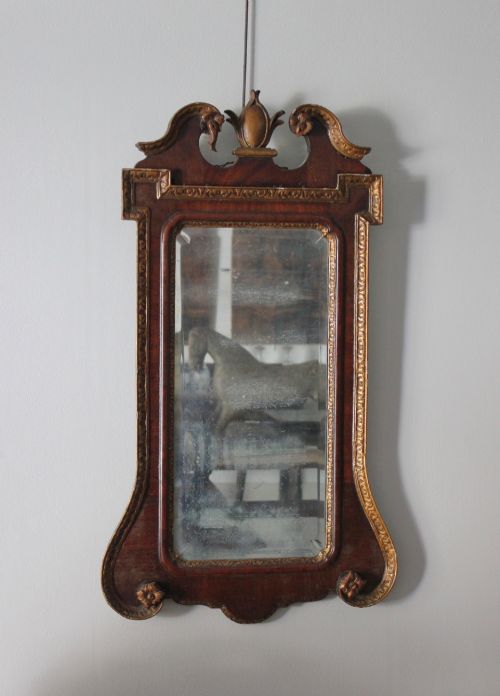
When you search for a dark brown wood mirror, you look at items shaped by centuries of woodworking traditions. The selections span Georgian, Victorian, and Edwardian eras, alongside early twentieth-century examples.
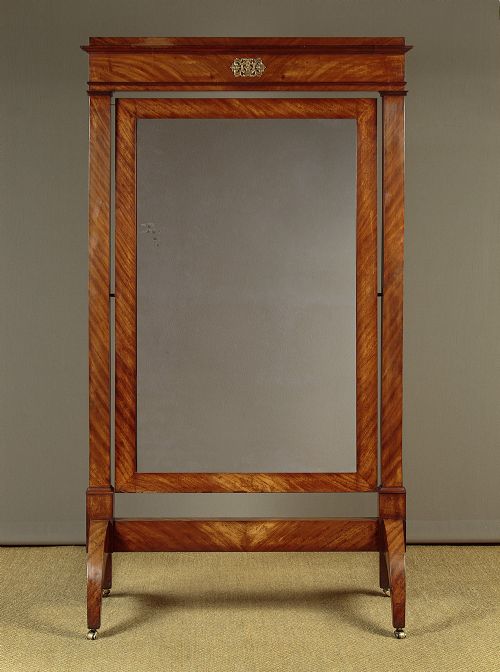
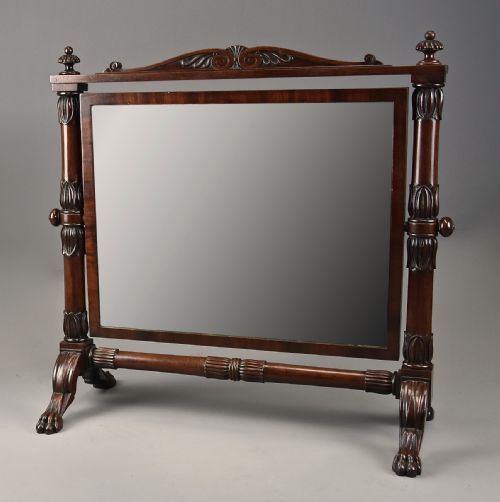
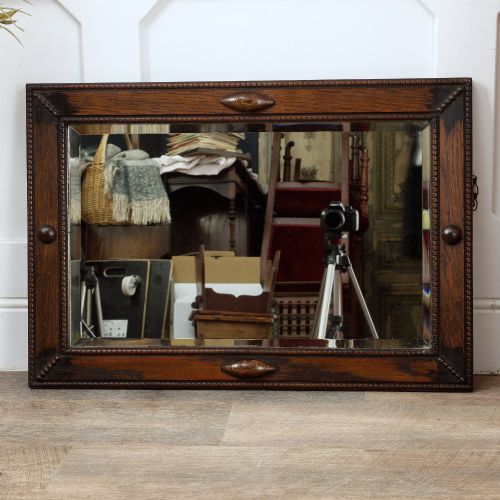
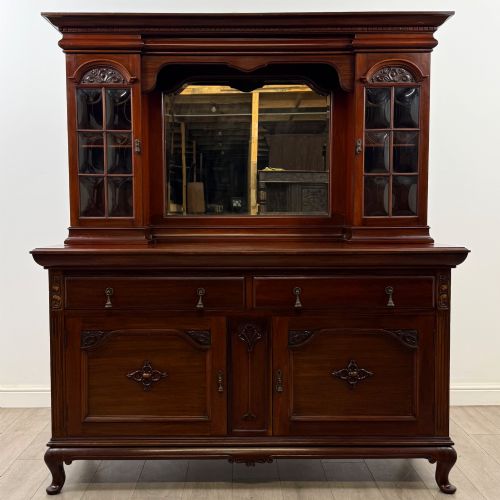
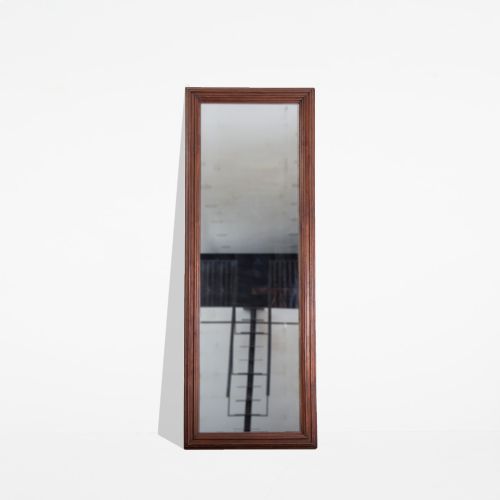
Wall mirrors, cheval mirrors, and toilet mirrors dominate the current range. Mahogany and oak serve as the primary framing timbers for these diverse hanging and freestanding designs.
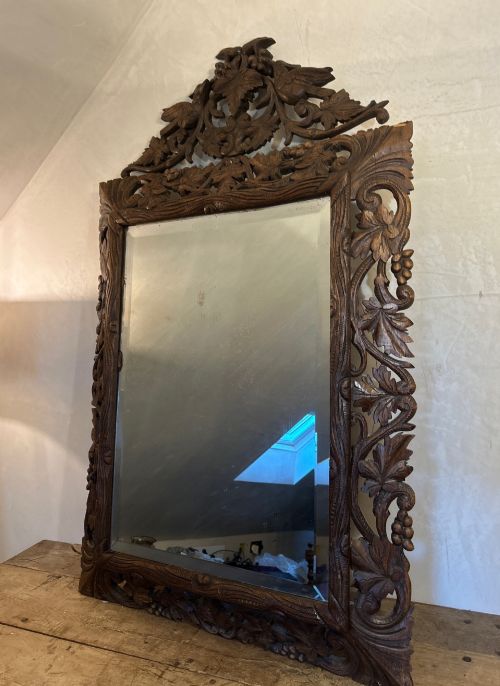
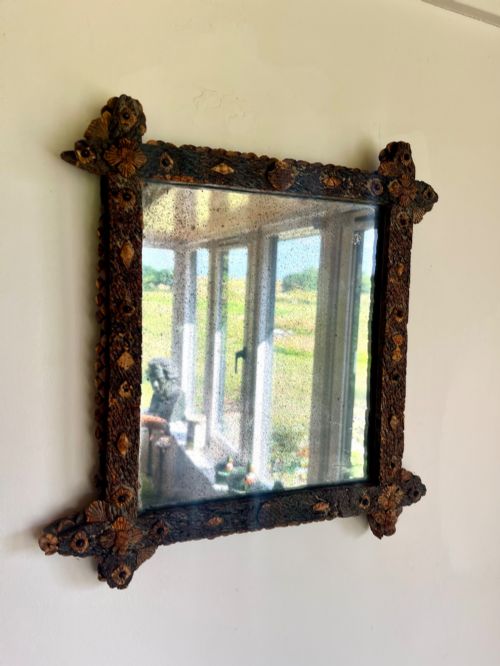
Origins stretch from English workshops to continental Europe and beyond, encompassing French carved oak and regional styles like Black Forest carvings.
Materials and construction
Frames rely on dense hardwoods such as mahogany, oak, walnut, and rosewood to provide structural stability and a deep natural colour. Timber sections are joined using traditional methods suited to the period of manufacture.
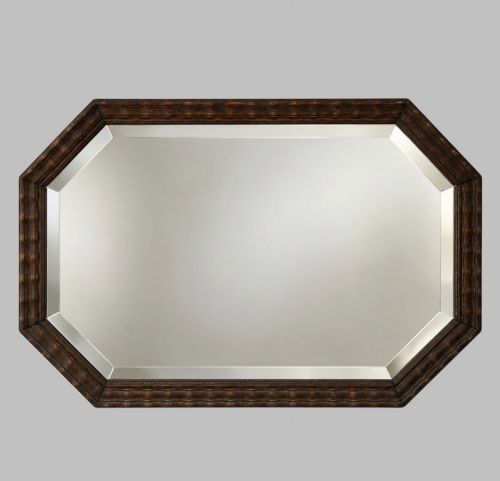
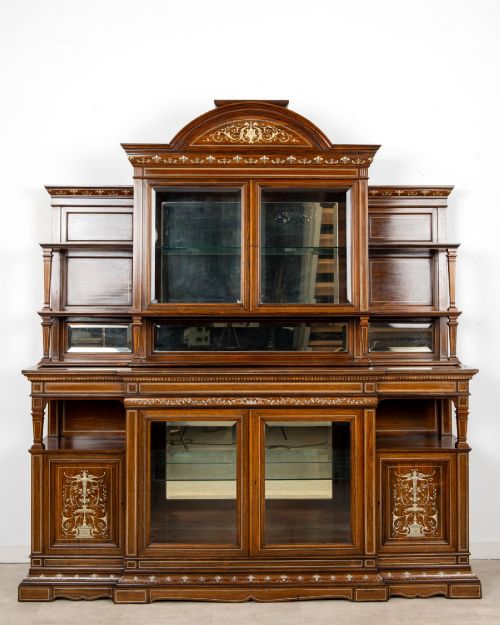
Glass plates are set within rebated frames, often featuring bevelled edges that catch the light. Secondary materials like brass fittings, bone inlay, and mother of pearl add decorative contrast to the dark wood grounds.
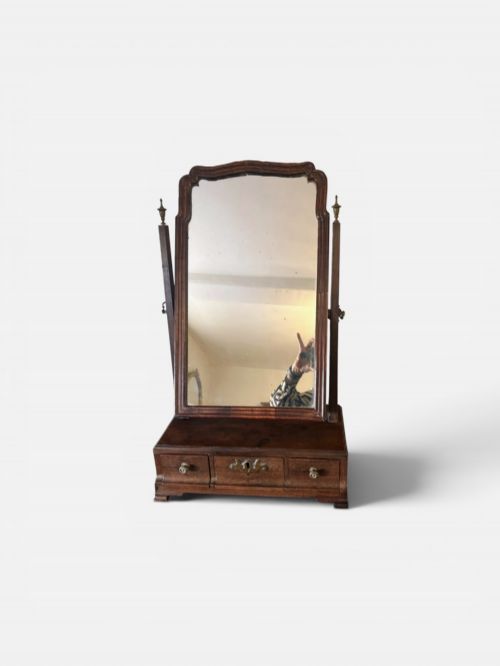
Object types range from compact toilet mirrors and hallway cloakroom pieces to large overmantels and pivoting cheval mirrors.
Evaluating workmanship
Depth of carving and sharpness of detail separate standard framing from exceptional sculptural work. Hand-chiselled foliage and figures display a crispness absent in mass-produced mouldings.
The selection of timber grain dictates visual appeal. Well-figured mahogany and burr walnut showcase natural patterns that elevate the presence of the frame.
Waring & Gillow·Collinson & Lock·P & MA Nicholson·Heal & Sons
The Dark Brown Wood Mirror Glossary
- Cheval mirror
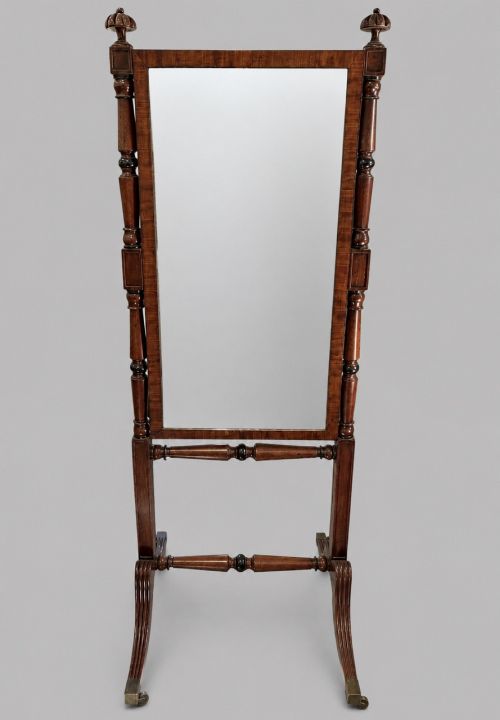
- A freestanding full-length mirror mounted on a pivoting frame between vertical posts. This form allows the glass to tilt to various angles for dressing.
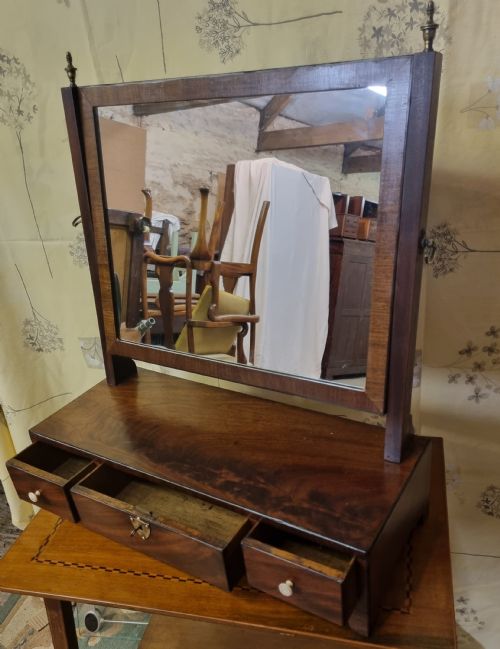
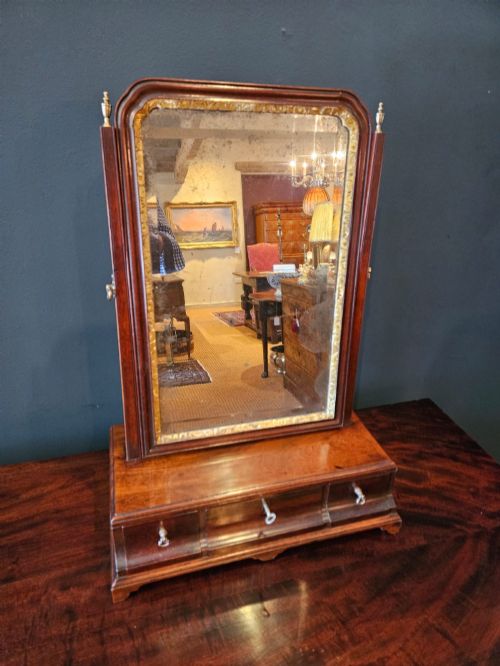
- Toilet mirror
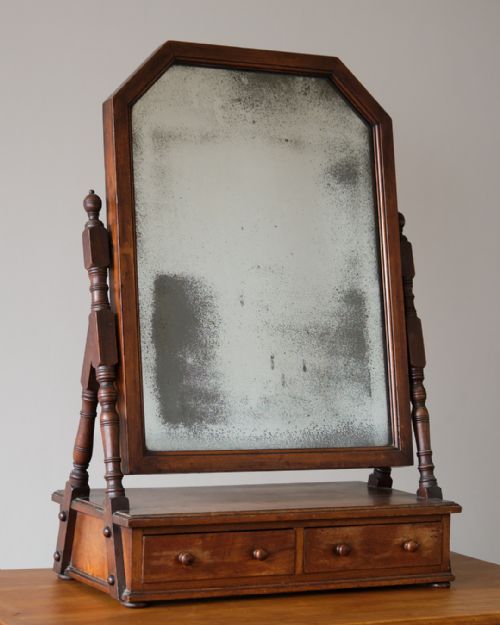
- A smaller dressing mirror designed to sit atop a table or chest of drawers. These often incorporate small drawers within their base stands.
- Overmantel mirror
- A large mirror intended to hang on the wall directly above a fireplace mantel. Proportions are typically wide to match the span of the hearth below.
- Fretwork
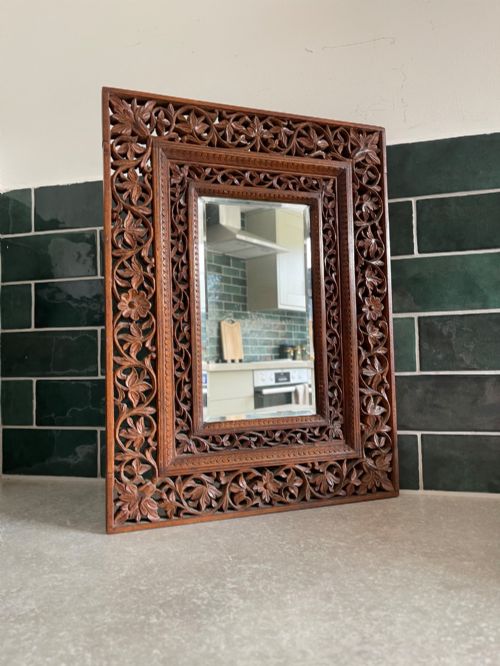
- Thin wood panels cut with intricate decorative patterns using a fretsaw. This technique creates delicate openwork silhouettes popular on eighteenth and nineteenth-century frames.
- Bevelled glass
- A mirror plate with edges angled and polished down to a thinner perimeter. This process refracts light and adds a distinct optical border.
Dark Brown Wood Mirror: Frequently Asked Questions
Where should I hang a heavy wooden mirror?
Heavy frames require secure fixing points directly into wall studs or masonry using appropriate wall anchors. The substantial weight of mahogany or oak overmantel mirrors demands robust support.
Position the piece at eye level to balance the room and reflect natural light effectively across the interior space.
How do I care for dark wood frames?
Dust the timber regularly with a soft, dry cloth to prevent particulate build-up on the polished surface. Avoid silicone-based sprays that can penetrate the grain and damage historic finishes.
Apply a microcrystalline wax occasionally to nourish the wood and maintain its deep brown lustre without leaving a greasy residue.
What is a cheval mirror used for?
A cheval mirror provides a full-length reflection for checking attire in a bedroom or dressing room. The pivoting frame mechanism allows users to adjust the viewing angle.
Freestanding designs require stable floor placement away from heavy foot traffic to prevent accidental tipping.
How can I tell a Georgian mirror from a Victorian one?
Georgian mirrors typically exhibit restrained classical proportions, understated mouldings, and specific timber selections like early mahogany. Construction techniques utilise hand-cut joinery consistent with eighteenth-century standards.
Victorian pieces often display heavier proportions, more exuberant carving styles, and broader decorative revivals influenced by earlier centuries.