




Antique Mantle Looking Glass
An antique mantle looking glass brings depth and reflected light to a room, offering the warmth of period woods and burnished gold.
Antique Mantle Looking Glass
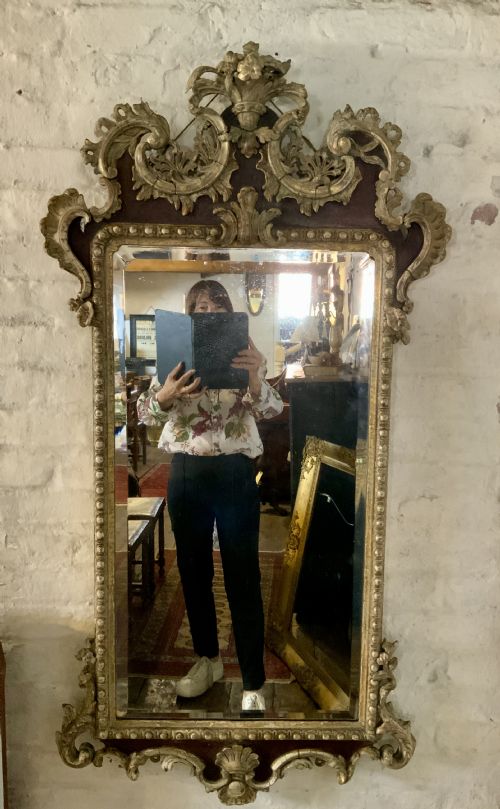
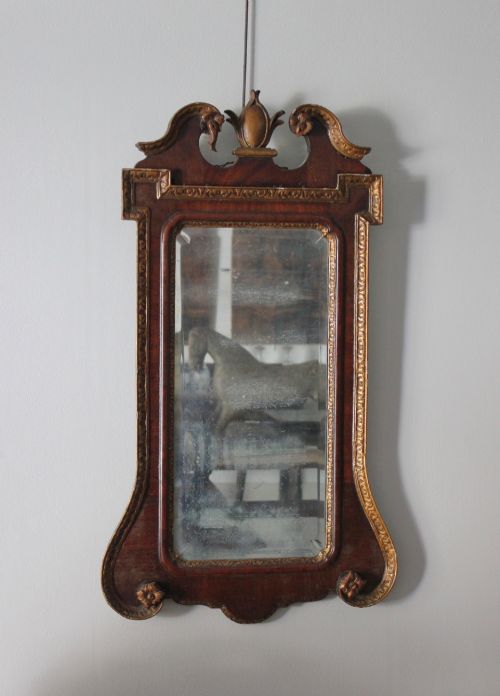
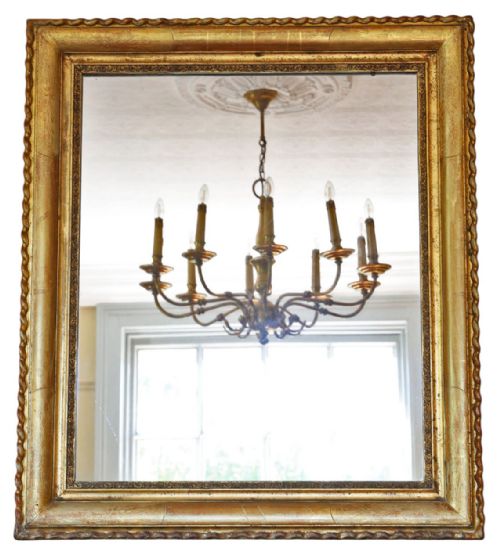
An antique mantle looking glass is a wall mirror designed to hang above a fireplace, forming a traditional focal point in a reception room. When you search for an antique mantle looking glass, you encounter pieces spanning the Georgian, Regency, Victorian and Edwardian eras, as well as the later decades of the eighteenth century. The versions most commonly met on this page are generous rectangular or oval frames finished in giltwood, gesso or polished hardwoods like walnut and mahogany.
Mantle looking glasses were proportioned to sit comfortably on the chimney breast, often echoing the architectural lines of the fireplace below. Earlier examples favour the rich grain of walnut or mahogany with parcel gilt details, whilst nineteenth-century interpretations lean towards ornate giltwood frames with arched tops or classical motifs. These mirrors served both to bounce natural daylight around smaller rooms and to display the craftsmanship of the cabinetmaker or gilder.
Materials and construction
The construction of an antique mantle looking glass relies upon solid timbers such as mahogany, walnut and oak, which form the primary structural carcase or backboards. Carved details and intricate mouldings are frequently shaped from softer woods or built up using gesso and composition ornaments applied over a wooden base. Gilding was applied using thin sheets of gold leaf or metal leaf laid over a prepared bole ground, creating the characteristic warm glow seen on period frames.
Glass plates in these pieces were historically hand-silvered or cast, resulting in subtle surface imperfections, ripples and foxing that distinguish antique looking glasses from modern replacements. Frames are joined using traditional corner construction methods appropriate to their period, such as tenons and mitres reinforced with blocks. The backboards are typically secured with old headless nails or screws, holding the original or early mirror glass safely within the rebate.
Listings feature periods from the eighteenth century through to the Edwardian era, utilising materials including giltwood, gesso, walnut, mahogany and composition.
Assessing quality and craftsmanship
Quality in an antique mantle looking glass is revealed in the crispness of the carving and the depth of the gilding. Finer pieces display hand-carved gesso or wooden enrichment where lesser examples rely on heavy moulded composition. The choice of primary timber also distinguishes the grade of the piece, with richly figured walnut and dense African mahogany marking out superior cabinetwork.
The integrity of the frame construction and the survival of the original mirror plate heavily influence the standing of a looking glass. Superior mirrors retain their original backboards, secure joints and authentic mercury or early silvered glass that shows gentle, even age. A harmonious relationship between the scale of the frame and the weight of the glass indicates a well-proportioned piece made by a skilled maker.
The Antique Mantle Looking Glass Glossary
- Giltwood
- Wood that has been coated with gold leaf. It forms the lustrous surface seen on many formal period mirrors.
- Gesso
- A plaster-like mixture applied to wood frames and carved or moulded. It provides a smooth base for subsequent gilding.
- Composition
- A moulded mixture of whiting, resin and glue used for decorative frame ornaments. It replaced detailed hand carving in many nineteenth-century pieces.
- Overmantle
- A large mirror specifically designed to hang above a mantelpiece. These pieces often feature horizontal or arched formats.
- Parcel gilt
- Partially gilded decoration where gold leaf highlights specific carved details against a contrasting wood background.
Antique Mantle Looking Glass: Frequently Asked Questions
How do I hang a heavy mantle glass safely?
Heavy mantle looking glasses require robust wall fixings secured directly into brickwork or stud framing rather than plaster alone. Using heavy-duty mirror brackets or a French cleat distributed across the width of the frame ensures the weight is supported evenly.
It is advisable to check the condition of the original wooden backboards and hanging loops before mounting. Professional installation provides peace of mind given the substantial weight of old timber and glass.
Can I clean antique mirror glass?
Antique mirror glass should be cleaned with minimal moisture using a soft, dry microfiber cloth to remove dust. Avoid harsh chemical cleaners or abrasive pads that can damage the delicate silvering or edge foxing.
If a liquid cleaner is necessary, apply a small amount to the cloth rather than directly onto the glass. This prevents moisture from seeping behind the plate and harming the historic backing.
Are these mirror plates original?
Many antique mantle looking glasses retain their original glass plates, which often display characteristic ripples, bubbles and soft foxing spots. Original plates add authenticity and historical depth to the piece.
Some mirrors have replacement plates fitted during their working life due to breakage or degradation. Examining the edges and the back of the glass helps determine whether the plate is period to the frame.
How do I match a mirror to my fireplace?
Matching a looking glass to a fireplace involves balancing the width of the frame with the mantel shelf below. A mirror should generally not exceed the width of the mantelpiece and looks best when proportioned to the chimney breast.
Consider the period and style of your interior, pairing Georgian walnut frames with traditional settings or ornate Victorian giltwood with high-ceilinged rooms. Harmony in scale is more important than matching exact historical decades.