
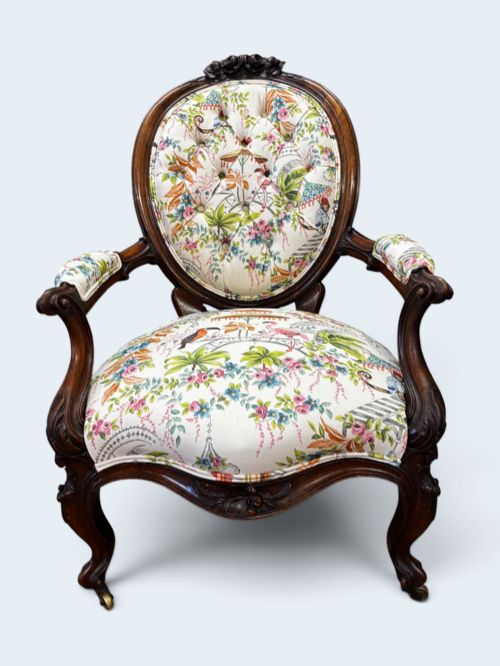
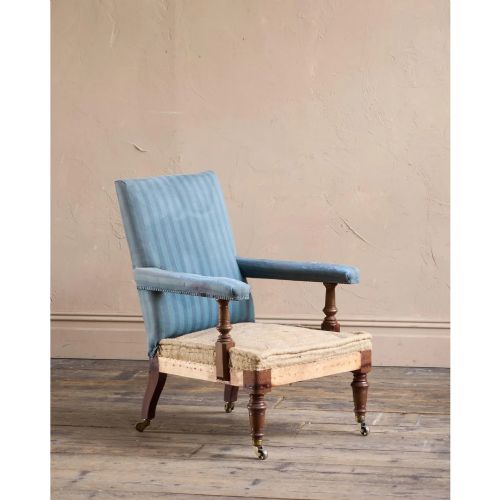

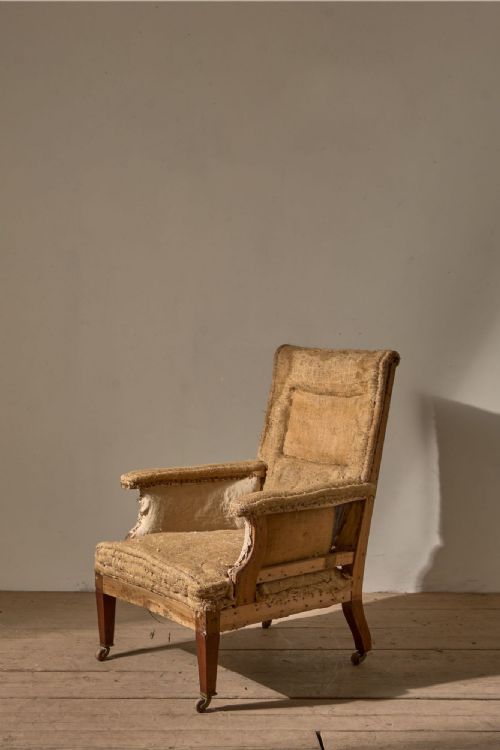
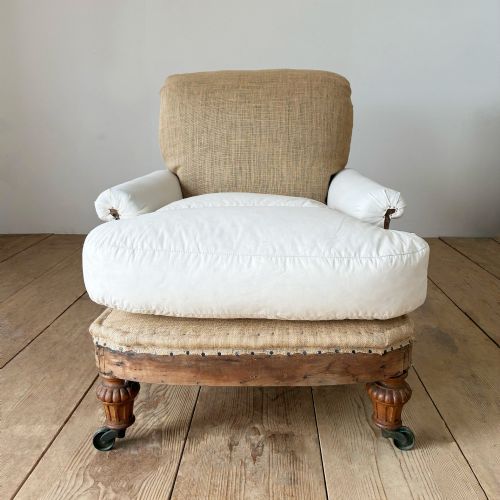
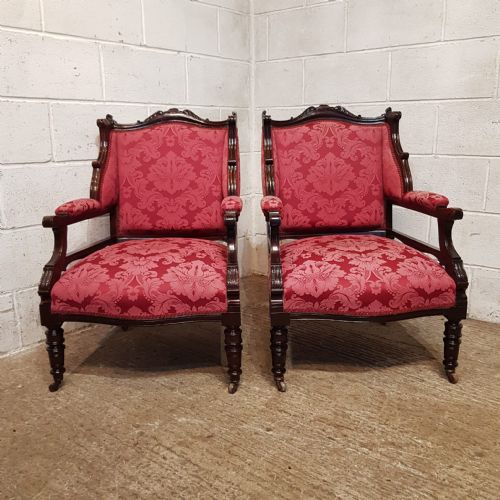
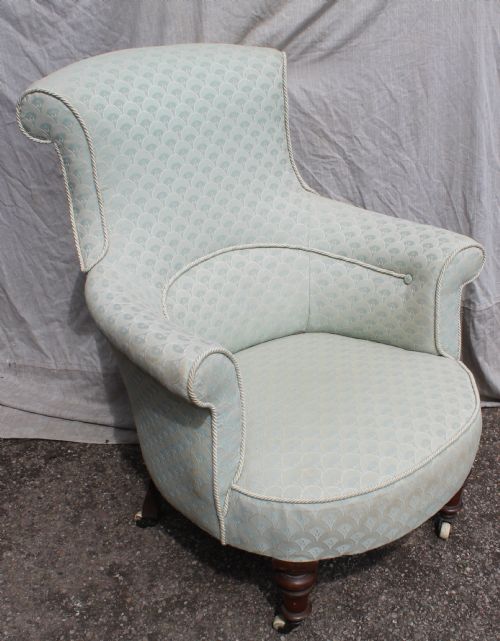
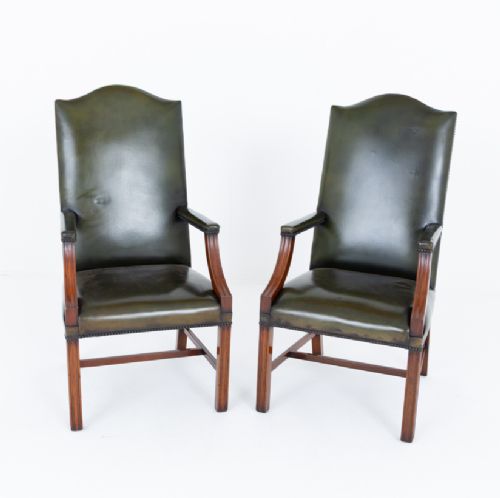
Mahogany Frame Armchair
A mahogany frame armchair offers enduring timber construction combined with comfortable upholstery, bridging formal reception rooms and private libraries.
Understanding the mahogany frame armchair
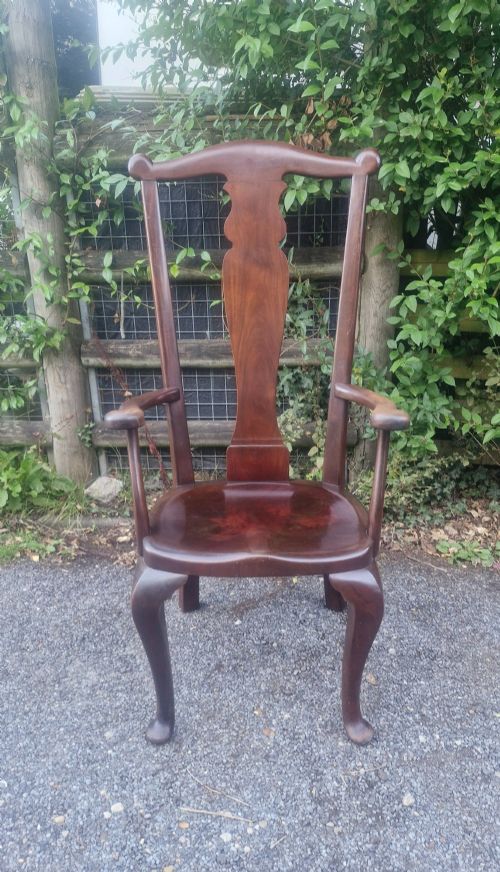
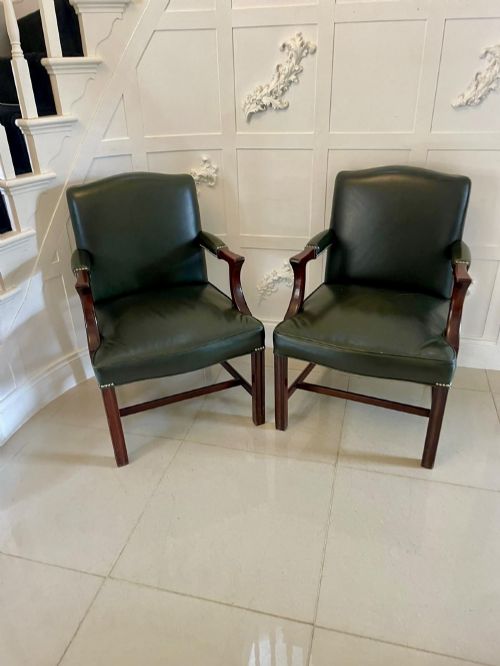
A mahogany frame armchair provides a sturdy timber skeleton upholstered in various fabrics, designed for domestic seating across multiple eras. These chairs range from compact nursing seats to substantial library armchairs intended for prolonged study and relaxation.
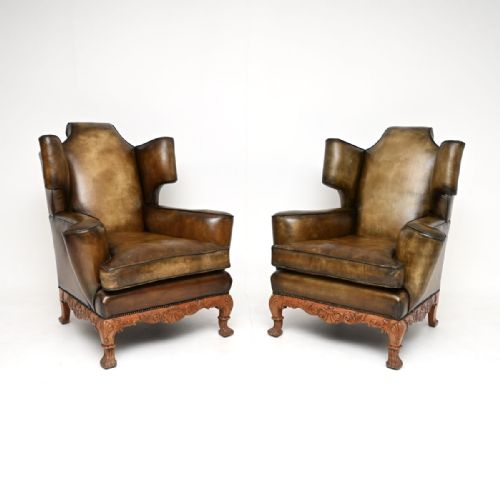
The materials and styles span the nineteenth and early twentieth centuries, encompassing Victorian, Edwardian, and Georgian style revivals. Buyers frequently encounter open easy armchairs, wingbacks, and tub forms amongst these offerings.
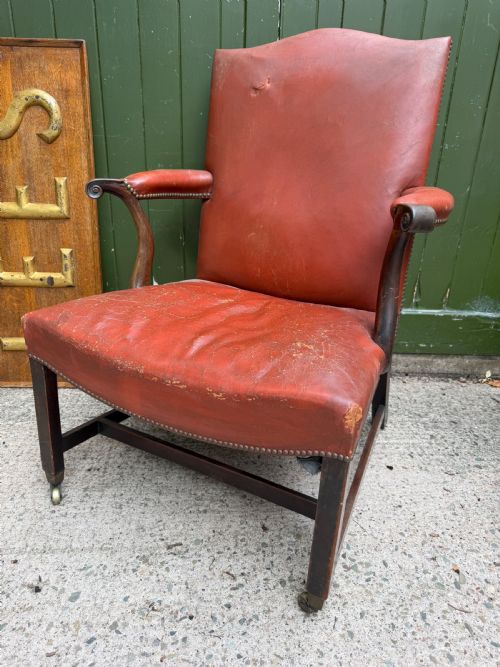
Examples appear in diverse regional British and continental formats, including bergere chairs featuring caned panels and library chairs fitted with ceramic castors. The timber frames display visible show wood alongside upholstered elements finished in velvet, leather, and cotton fabrics.
Construction and materials
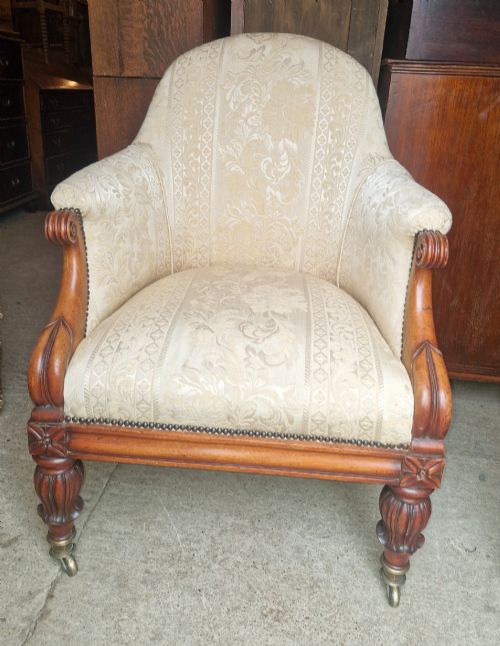
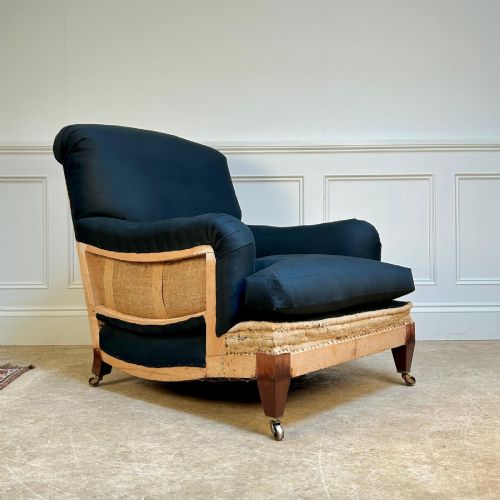
Joiners built the structural skeletons using solid mahogany, frequently shaping the show wood to highlight the grain. Carved details appear on frames from the Victorian and Edwardian periods, while brass hardware and ceramic castors facilitate movement.
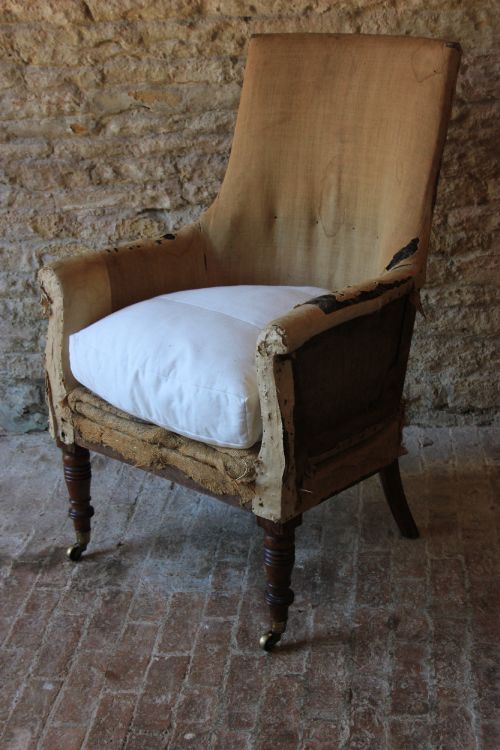
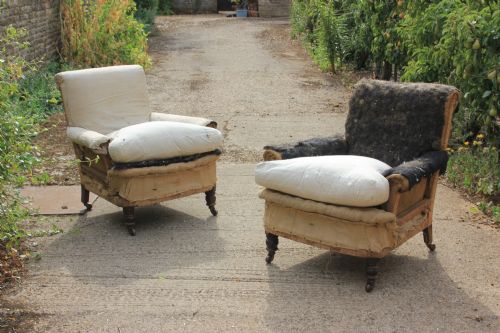
Upholstery techniques involve securing fabric and leather over internal padding, sometimes utilising button back execution or exposed timber framing. Caned panels feature in bergere variants, woven directly into the mahogany framework.
Retail Price Guide 2026
Typical UK retail prices for mahogany frame armchair, calculated from the Sellingantiques database of over a million retail prices indexed since 2003. This retail price guide relies exclusively on Sellingantiques data; no external sources or auction records are used, so the figures do not describe the wider market.
Some chairs retain their original brass castors, ready to roll across the floor just as they did in Victorian libraries.
Distinctions in quality
Quality rests on the crispness of timber carving, the structural integrity of the mahogany frame, and the retention of original castors or brass mounts. Superior examples demonstrate substantial proportions and balanced joinery without timber distortion.
The refinement of the show wood finish distinguishes standard workshop production from notable cabinetmaker output. Upholstery materials also dictate standard, with durable leathers and rich velvets marking superior executions.
Minter·Gillows·Christopher Dresser·Morison & Co. Edinburgh
The Mahogany Frame Armchair Glossary
- Show wood
- Timber frame components left visible around the upholstered sections of a chair. This exposes the grain and any carved ornamentation.
- Bergere
- An upholstered armchair with a wooden frame, typically featuring caned sides and back panels. The technique provides a lighter appearance.
- Wingback
- An armchair with side panels attached to the backrest, originally designed to shield the sitter from drafts. These versions often feature deep upholstery.
- Castors
- Small wheel attachments fixed to the base of furniture legs to permit rolling. Ceramic examples frequently appear on nineteenth century library seating.
- Gainsborough style
- A wide armchair with an open upholstered frame and short armrests, designed for writing desks in the eighteenth century style.
Frequently Asked Questions
What periods do these armchairs come from?
The listings encompass nineteenth century and early twentieth century examples, including specific Victorian, Edwardian, William IV, and Regency periods.
Revival pieces also feature Georgian styles produced during later Victorian or Edwardian decades.
How do I identify a library armchair?
Library armchairs typically present larger proportions, heavier timber frames, and materials like leather or velvet suited to study spaces.
Many incorporate brass hardware and ceramic castors to move easily across floor coverings.
Where were these chairs used?
These pieces served primary reception rooms, studies, and private chambers within period domestic properties.
Specific forms like nursing chairs and tub armchairs suited lower bedroom seating requirements.