


Mahogany Dish Top Table
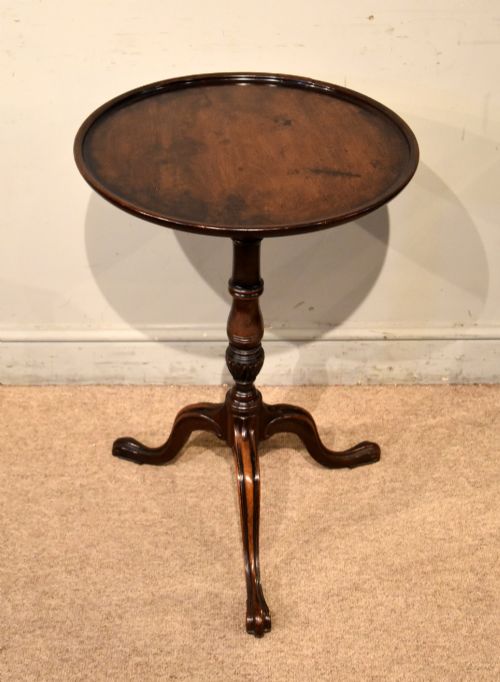
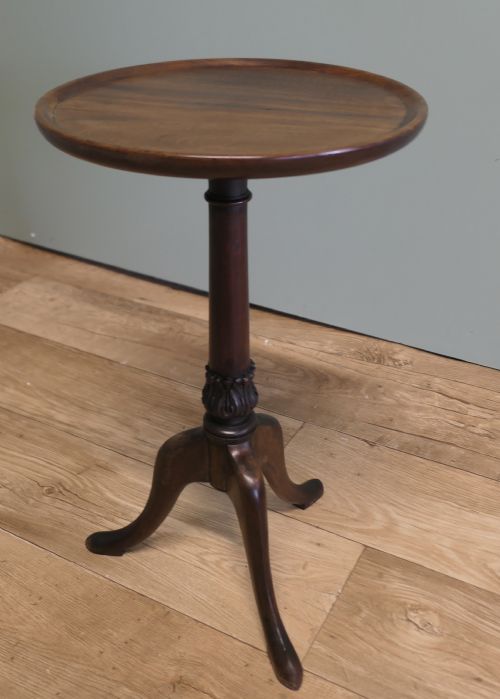
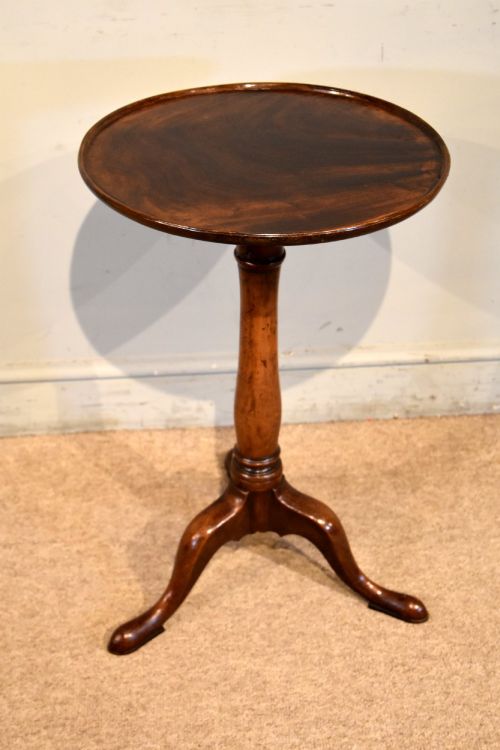
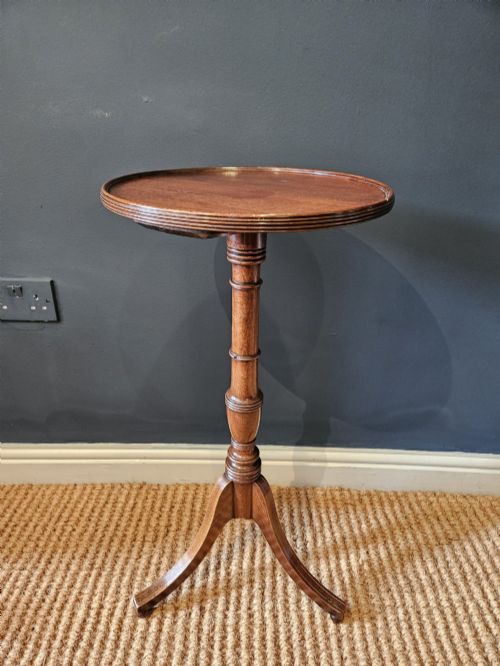
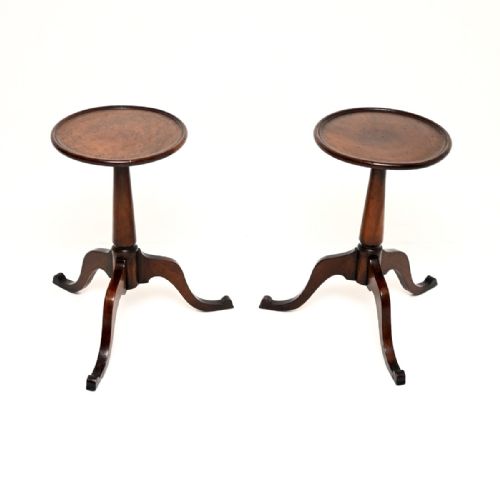
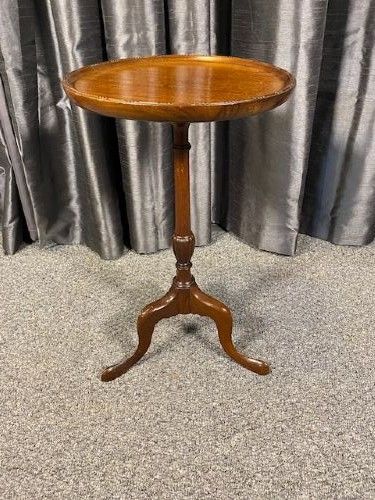
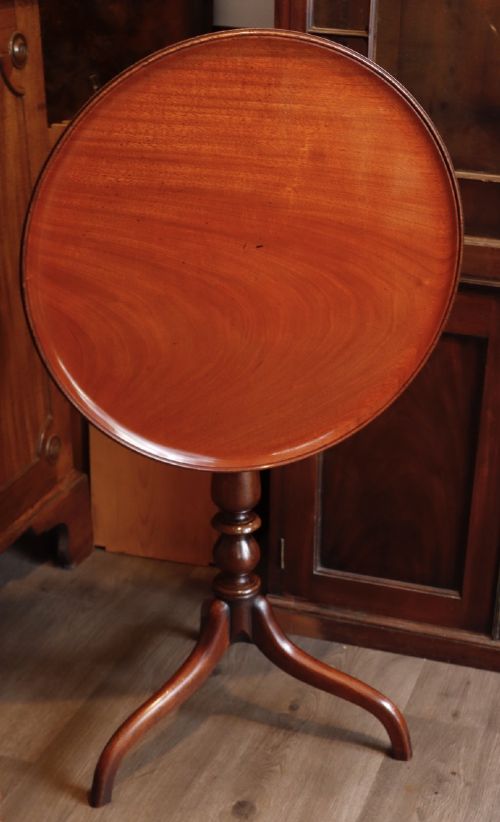
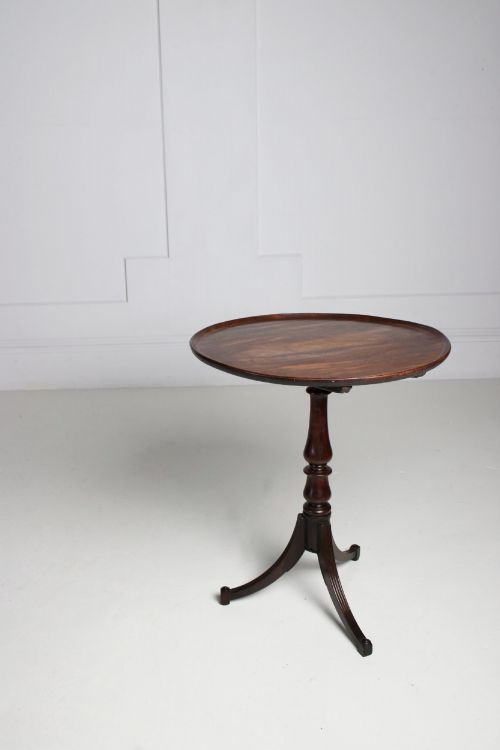
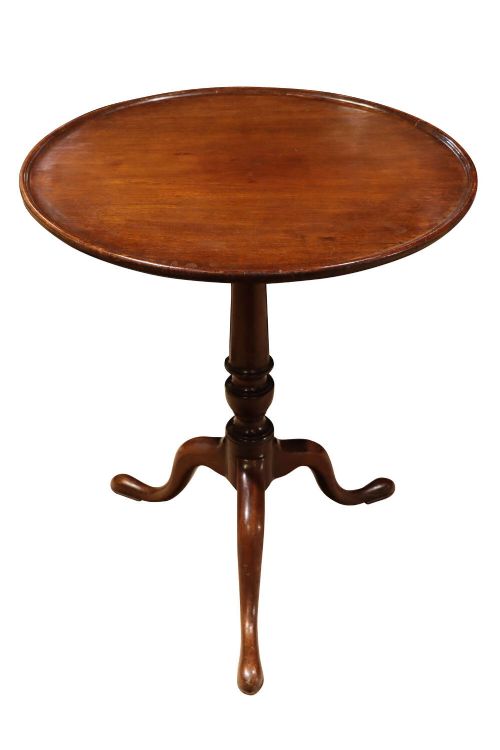
A mahogany dish top table is a classic tripod stand featuring a raised edge, built to hold small items securely.
Mahogany Dish Top Table
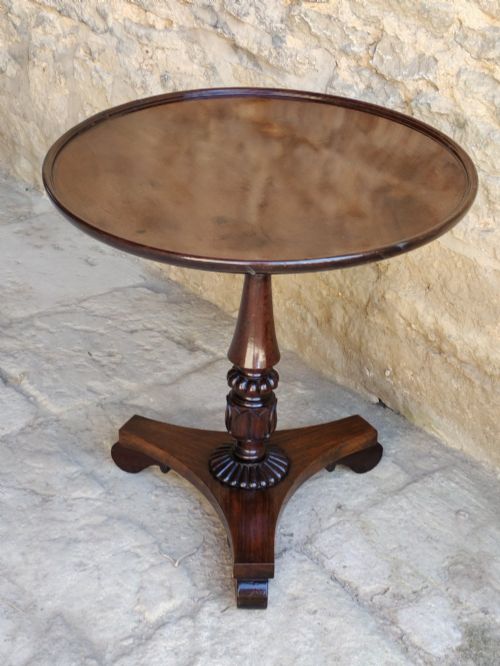
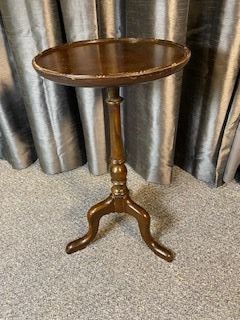
A mahogany dish top table is a traditional form designed with a circular top and a raised rim that resembles a shallow basin. This distinctive lip kept cups, glasses, or small objects from sliding off when the surface was in active use around the home.
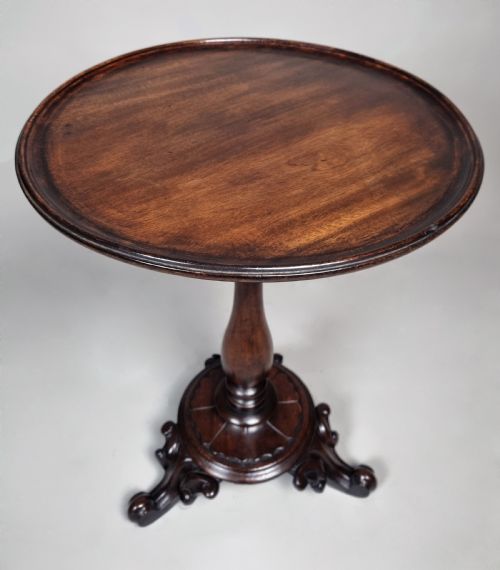
Most examples found here date from the Georgian period and the eighteenth century, constructed as tripod tables with central pedestals. Surviving pieces also span the nineteenth century, including Edwardian interpretations and later styles.
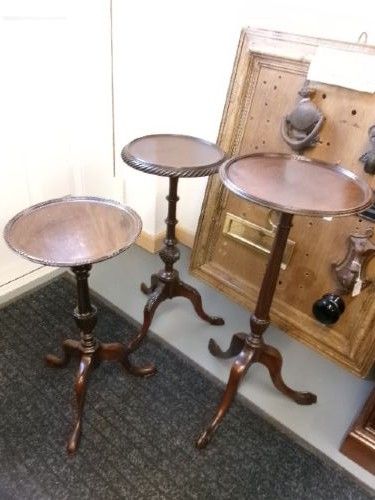
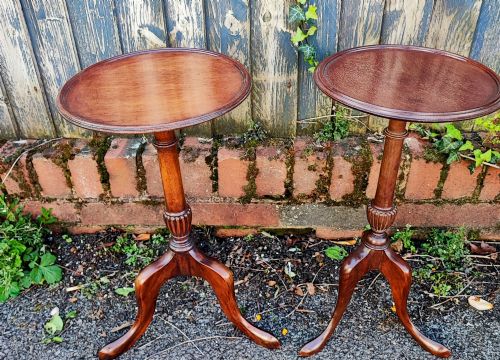
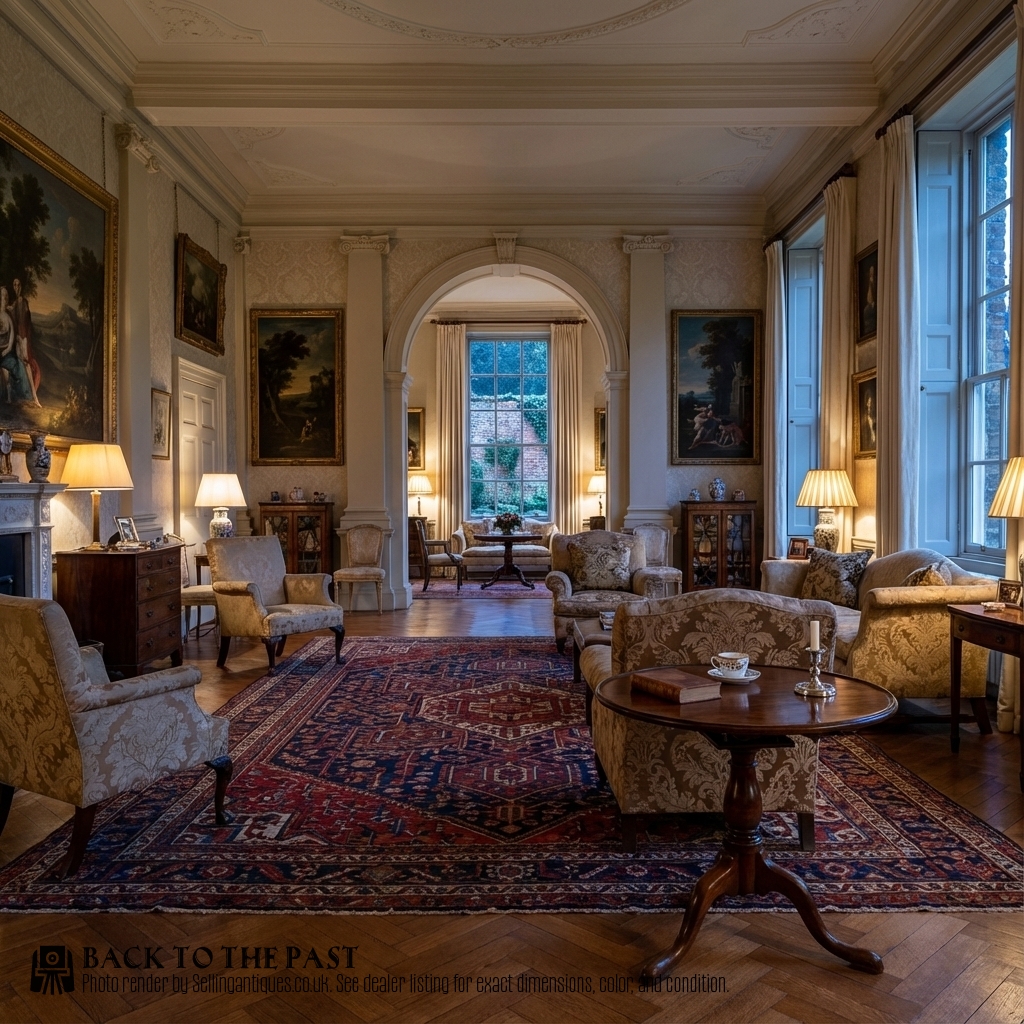
Makers produced these tables in various scales, functioning historically as wine tables, kettle stands, lamp tables, or occasional tables. Modern usage often adapts them as compact coffee tables or bedside surfaces.
Assessing quality and craftsmanship
Superior quality in a mahogany dish top table rests on the selection of figured timber and the precision of the turned elements. Rich grain patterns and finely carved tripod legs elevate the visual presence of the piece.
The engineering of the mechanism, such as the snug fit of a bird cage action or the stability of the tilt top block, distinguishes finer workshops from standard production. Integration between the dish top and the central pedestal demands careful joinery to maintain long-term alignment.
Mahogany Dish Top Table Retail Price Guide 2026
Typical asking prices for mahogany dish top table among the pieces listed under this phrase on Sellingantiques today, from the lower quarter to the upper quarter. They describe what is for sale here now, not the wider market.
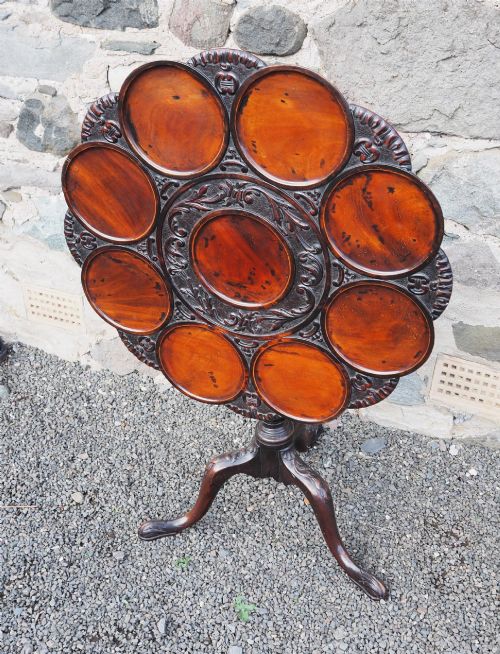
Tilt top tables were designed to stand flat against a drawing room wall like a screen when the evening's wine had been poured.
Gillows
The Mahogany Dish Top Table Glossary
- Dish top
- A table surface featuring a concave centre surrounded by a raised, turned rim. This profile kept small vessels secure.
- Tripod table
- A freestanding small table supported by a central pillar resting on three legs. This design provided stability on uneven floors.
- Bird cage
- A revolving wooden framework beneath the table top that allowed the surface to turn and tilt. It connected the top to the central column.
- Tilt top
- A hinged mechanism that enabled the table top to pivot into a vertical position for storage against a wall.
- Pedestal
- The central vertical column supporting the table top above the tripod base.
Mahogany Dish Top Table: Frequently Asked Questions
What were dish top tables used for?
These tables served primarily as movable stands for holding tea wares, wine glasses, or small lamps in principal rooms. Their compact size made them easy to relocate as needed during social gatherings.
Over time, owners repurposed them as bedside stands or decorative display surfaces. Today, their height and proportion suit them well as small coffee tables.
How do I identify a Georgian period table?
Georgian examples typically display dense mahogany timber with deep colour and a patinated surface acquired through centuries of polishing. Construction details often include hand-turned tripod bases and peg joinery.
Later nineteenth-century interpretations or Edwardian revivals may show slight differences in timber weight, turning profiles, or secondary woods used in the undercarriage.
What is a bird cage mechanism?
A bird cage is an interactive wooden assembly fitted beneath the table top that permits both rotation and tilting. Small vertical spindles resemble a cage, housing the pivot joint.
This feature appears on finer eighteenth-century tripod tables, allowing users to angle the surface out of the way when the room required extra floor space.
How do I clean and care for mahogany?
Maintain the finish by dusting with a soft, dry cloth and avoiding silicone-based sprays that build up over time. Natural wax applied sparingly preserves the moisture and depth of the grain.
Keep the table away from direct heat sources and strong sunlight to prevent the timber from drying out or fading unevenly.