

Mahogany Curio Cabinet
A mahogany curio cabinet holds small treasures safely behind glass while bringing rich timber tone to a room.
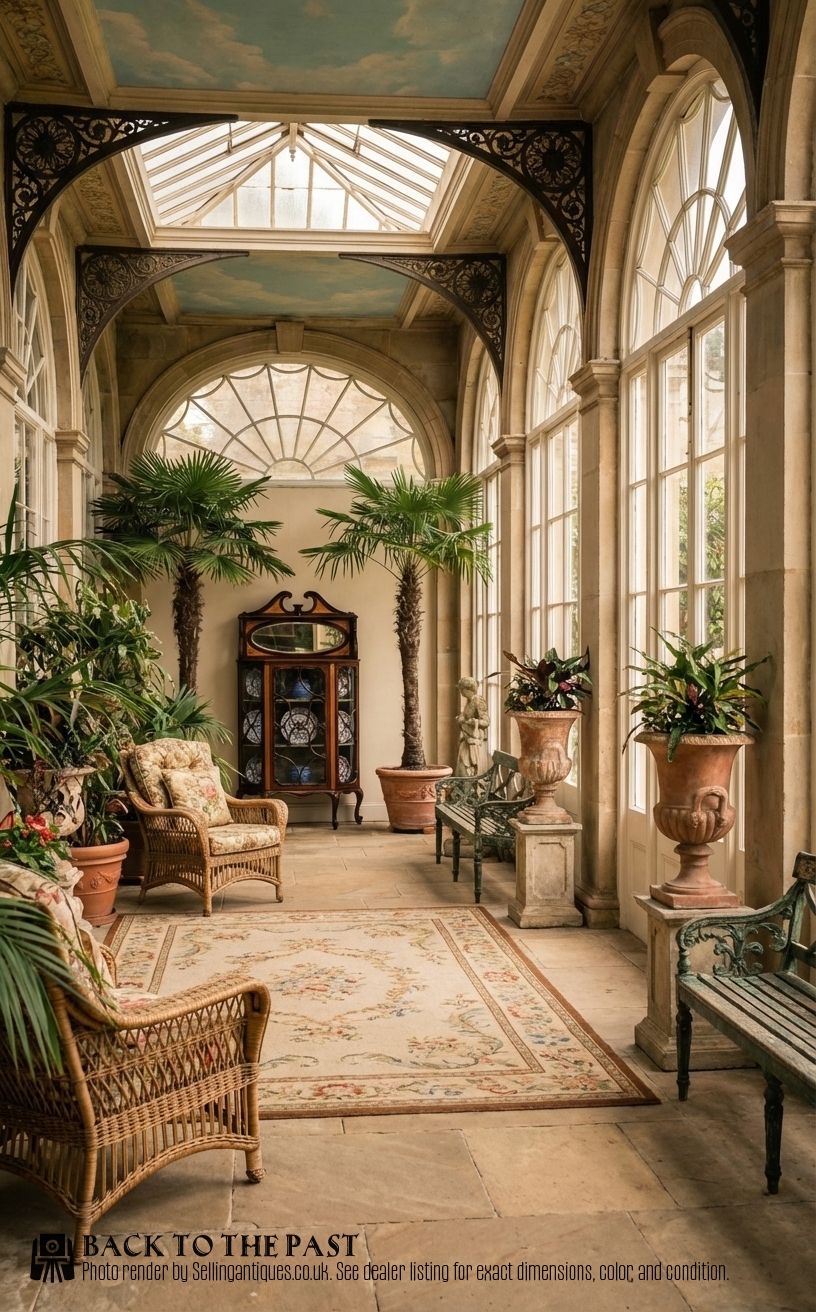
Mahogany Curio Cabinet
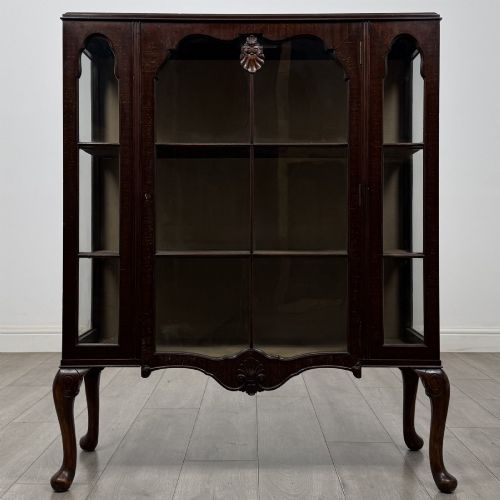
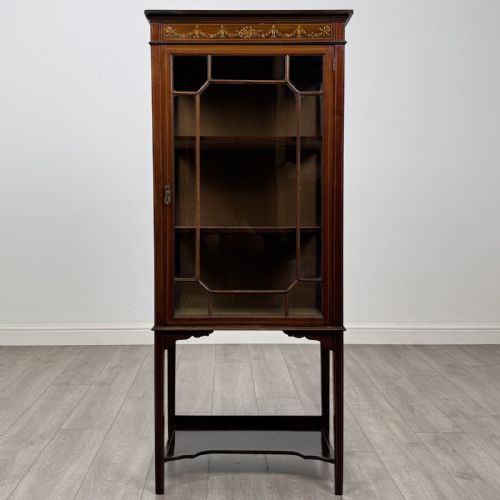
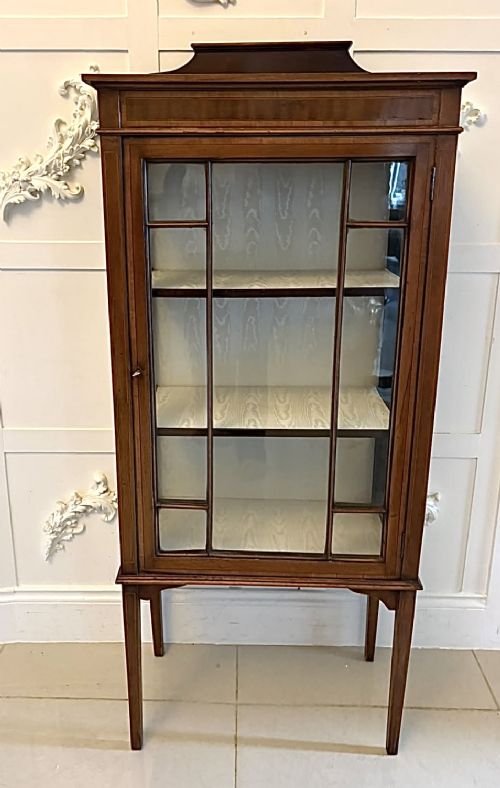
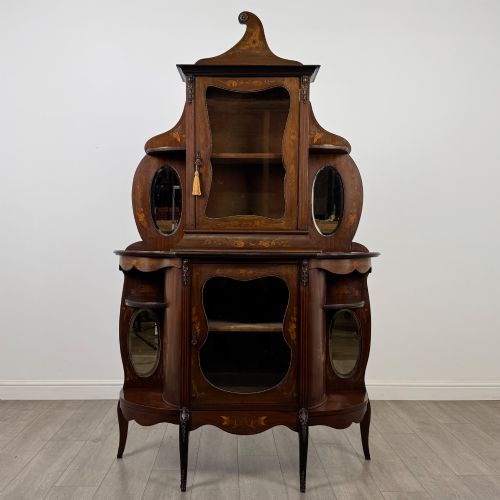
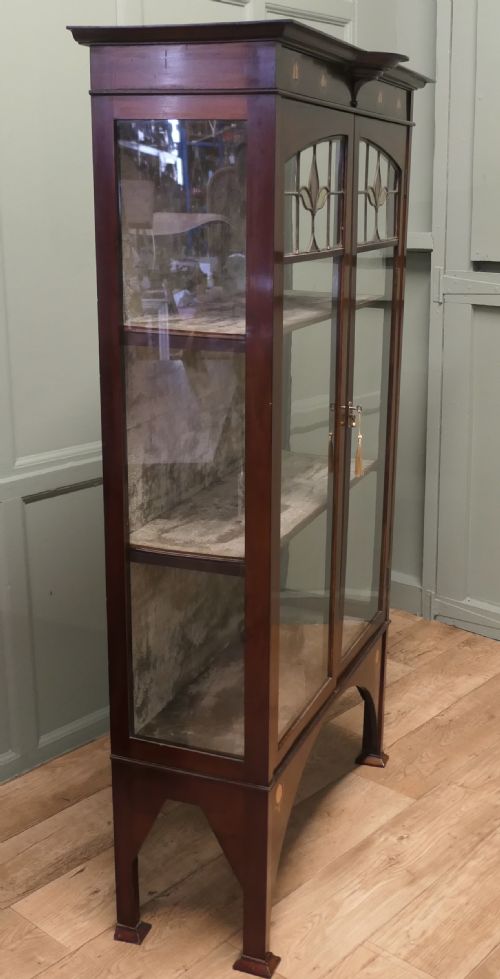
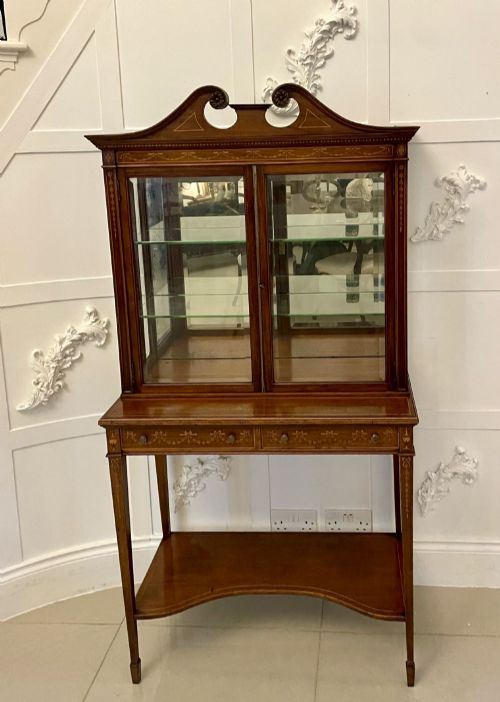
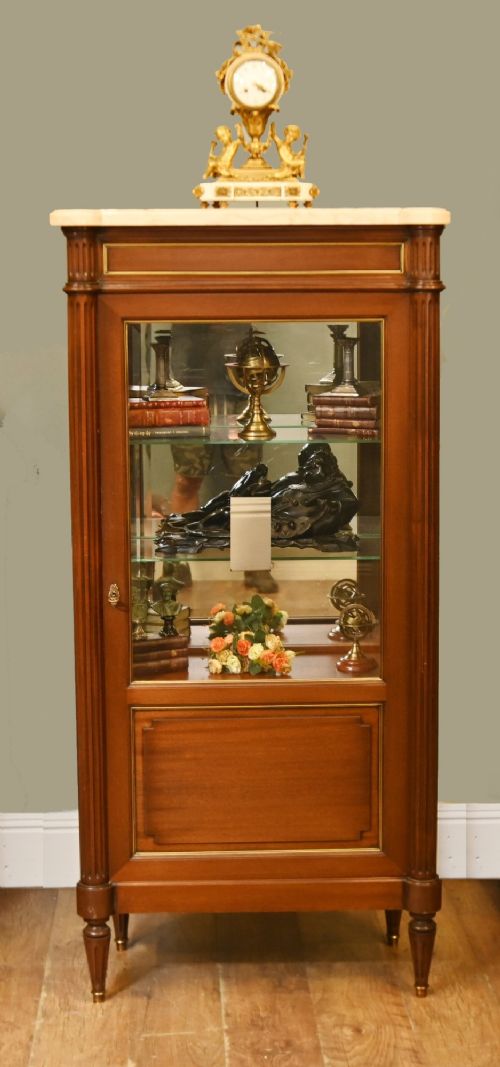
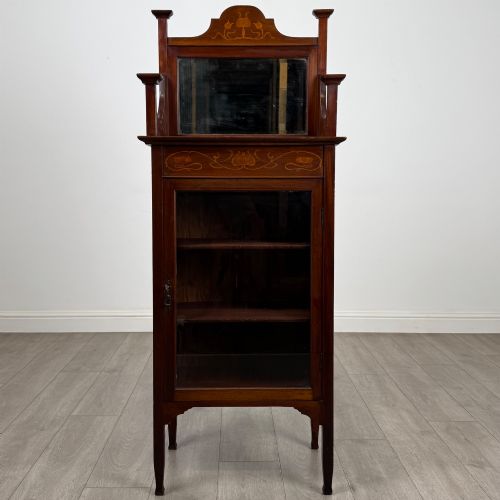
A mahogany curio cabinet is a glazed display piece designed to showcase small collections, ornaments, and valuables. The most common examples seen here date from the Edwardian period and the late nineteenth century, though earlier Georgian and later examples appear.
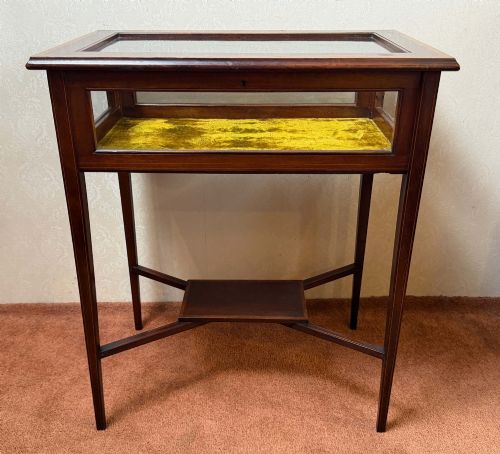
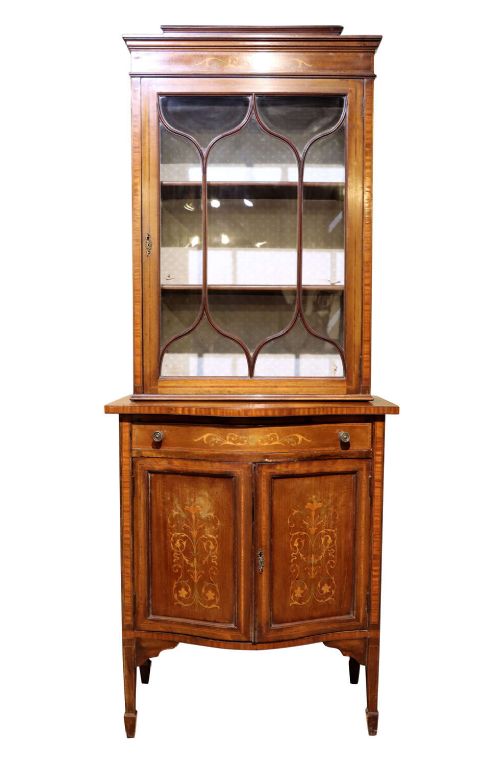
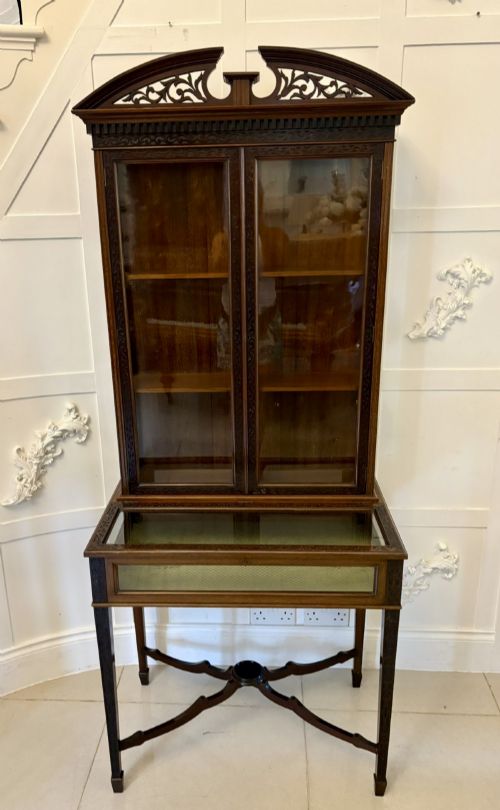
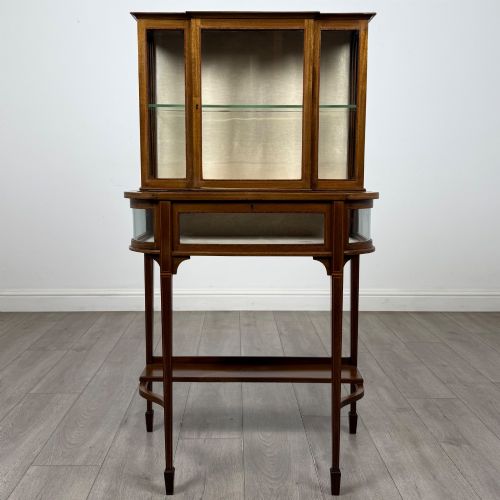
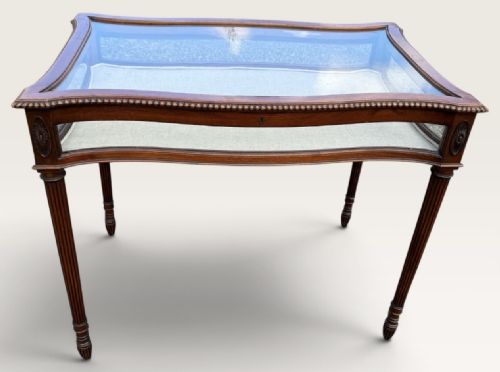
Forms range from upright standing cabinets and pedestal display units to serpentine bijouterie tables with glass tops. Many pieces incorporate satinwood inlay, marquetry, and delicate framing designed to show curiosities without overwhelming them.

How they were made
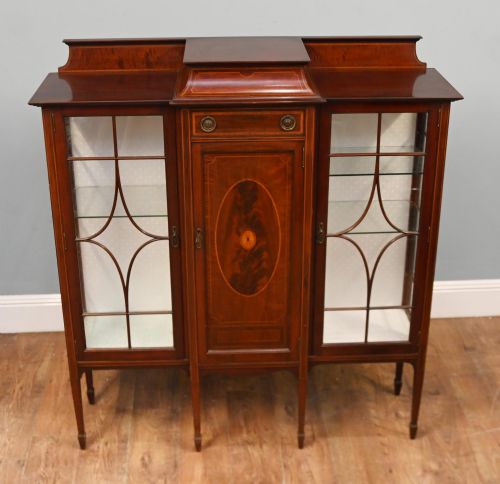
Cabinet makers built these pieces using solid and veneered mahogany, frequently accented with contrasting satinwood stringing and floral marquetry. Structural glass panels were fitted into glazed doors and sides to maximise light inside the display space.
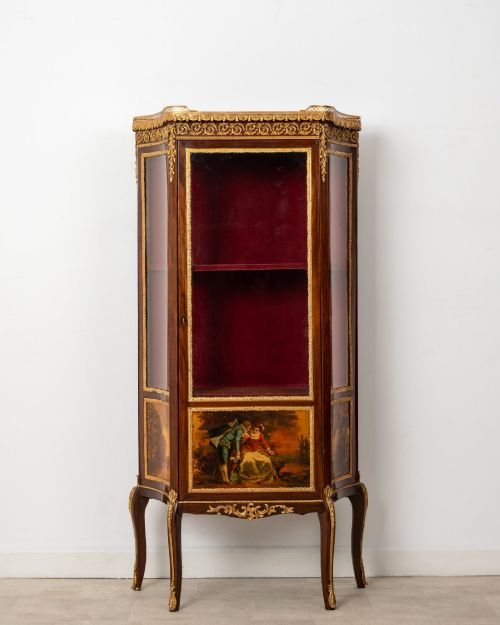
Metal mounts in brass or ormolu were cast and applied to corners, feet, and key escutcheons, particularly on French-influenced pieces. Silk or velvet linings were often added to the interior display surfaces and table wells.
Mahogany Curio Cabinet Retail Price Guide 2026
Typical asking prices for mahogany curio cabinet among the pieces listed under this phrase on Sellingantiques today, from the lower quarter to the upper quarter. They describe what is for sale here now, not the wider market.
Listings include mahogany pieces spanning from the eighteenth century through the Edwardian era, incorporating glass, mirror, and ormolu mounts.
What varies in quality
The standard of timber selection and complexity of inlay distinguish finer cabinets from simpler commercial production. Crisp carving on solid mahogany mouldings and well-executed marquetry panels indicate superior workshop skill.
Hardware details such as original cast bronze mounts, working locks with matching keys, and carefully joined glazed doors separate standard utility pieces from exhibition-grade furniture.
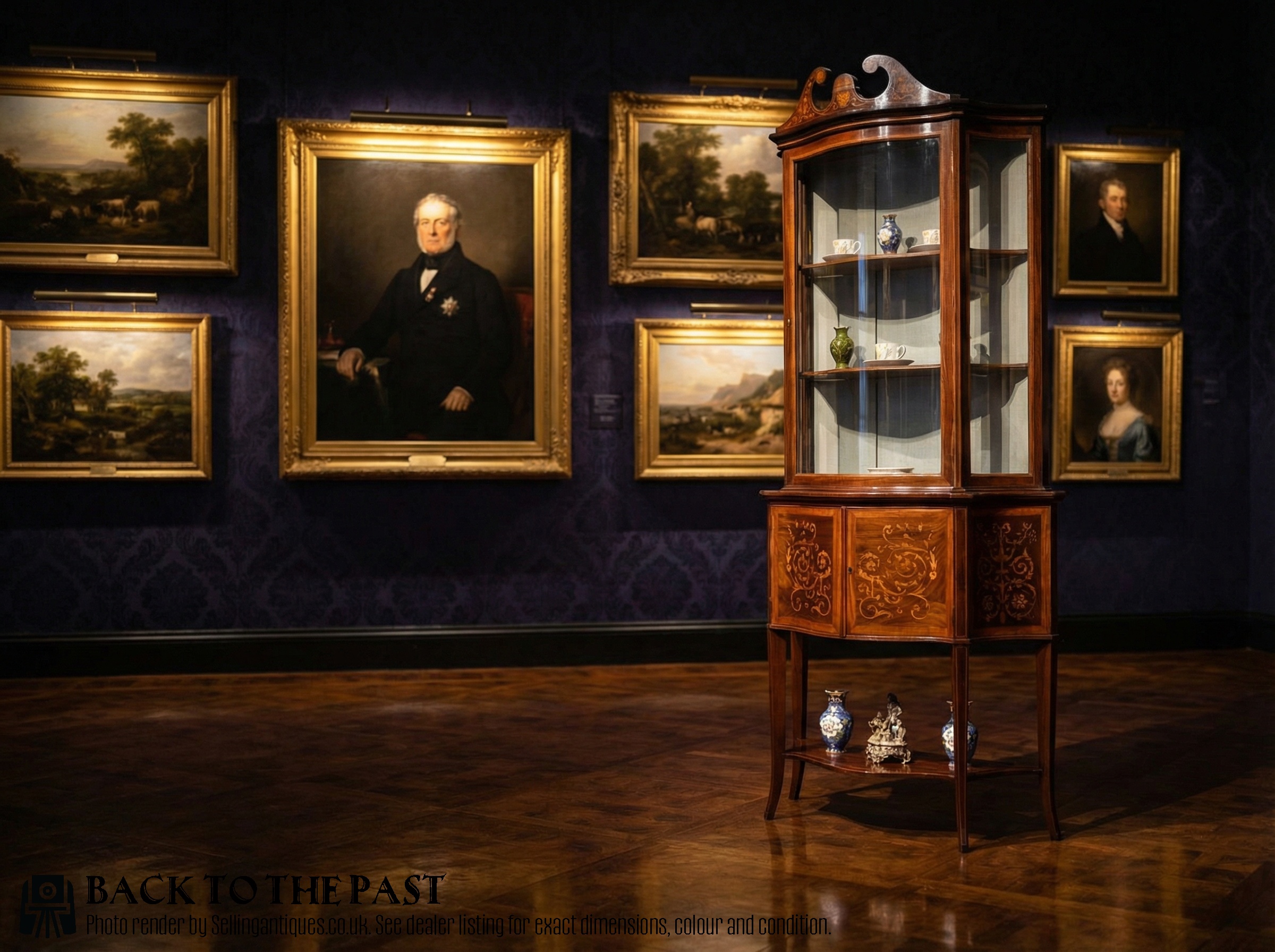
Edwards and Roberts·Shapland and Petter·François Linke
The Mahogany Curio Cabinet Glossary
- Bijouterie table
- A glass-topped display table intended for jewellery and small collectables. These tables usually feature hinged lids and velvet-lined interiors.
- Marquetry
- Decorative woodwork where pieces of various coloured veneers are fitted together to form pictures or geometric patterns. It is frequently seen on Edwardian cabinet doors.
- Ormolu
- Gilded bronze mounts applied for decoration on furniture frames. The technique adds metallic highlights to the mahogany structure.
- Vernis Martin
- A type of simulated Japanese lacquer work used on European furniture. It involves multiple layers of translucent varnish over painted scenes.
- Vitrine
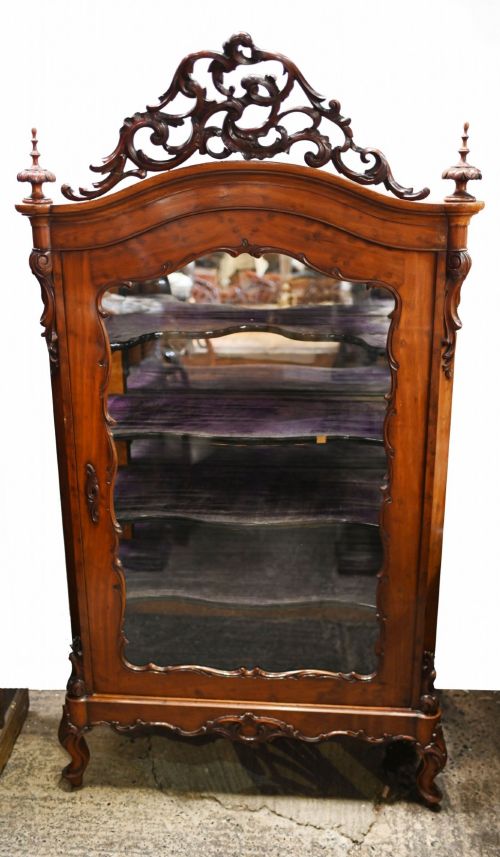
- A glass cabinet designed specifically for displaying porcelain, curiosities, and objects of art. The term often describes French-style glazed display furniture.
Mahogany Curio Cabinet: Frequently Asked Questions
Where should I place a curio cabinet?
These cabinets suit reception rooms and hallways where natural light can pass through the glass panels to illuminate contents. Avoid placing them in direct sunlight to protect interior fabrics and timber finishes.
Ensure the floor is level so that glazed doors hang correctly and open smoothly without catching on the frame.
How do I clean the glass safely?
Use a soft cloth and mild glass cleaner applied to the cloth rather than sprayed directly onto the cabinet. This prevents moisture from reaching vulnerable mahogany veneers and antique wood joints.
Take care around delicate brass mounts and painted or lacquered surfaces during cleaning.
Can shelves be adjusted inside?
Some shop display cabinets and later pieces feature adjustable glass shelves supported by metal brackets. Many domestic antique cabinets rely on fixed wooden or glass rests set within the original frame grooves.
Check individual construction details before attempting to alter shelf heights in older pieces.
What is a bijouterie table used for?
A bijouterie table provides a waist-high glazed surface for viewing small items like medals, coins, and jewellery from above. The hinged glass top allows easy access to the lined storage well inside.
They function as both display surfaces and occasional tables in drawing rooms.