


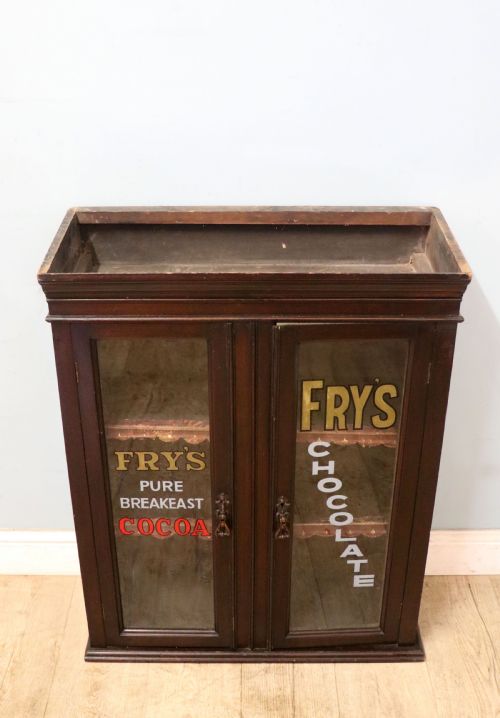


Mahogany Countertop Showcase
These mahogany countertop showcase pieces give shops and homes a clear view of small treasures behind glass.
Mahogany Countertop Showcase
A mahogany countertop showcase sits upon a shop counter or table, designed to protect small items under glass while keeping them visible to customers.
The versions met on this page span the Victorian and Edwardian eras into the nineteen twenties and nineteen thirties, taking the form of display cabinets, cases, and shopfitting shelves.
Many examples stem from commercial use, including sweet shop cabinets bearing period advertising for chocolate and cocoa.
How they were made
Frames combine solid mahogany and hardwood timbers joined to support heavy glass panels and doors.
Hardware incorporates brass fittings, while interiors often feature felt or wood surfaces to cushion the displayed goods.
Listings span the Victorian era through the nineteen thirties, using mahogany, brass, glass, and felt.
What varies in quality
The integrity of the timber framing and the clarity of the original glass define the standard of a piece.
Original commercial lettering and hand sign-written advertising add character and provenance that separate standard utility cases from specialised shop displays.
F Sage And Co London
The Mahogany Countertop Showcase Glossary
- Mahogany
- A durable hardwood with a rich reddish-brown grain used extensively for structural framing in quality shop furniture.
- Countertop
- A descriptive term for furniture built to sit upon a shop counter at eye level for customers.
- Shopfitting
- The trade and style of making bespoke fixtures and display units for retail premises.
- Glazed
- Fitted with glass panels to enclose the display space while maintaining visibility.
- Sign-written
- Lettering applied by hand to glass or timber for advertising products such as chocolate and cocoa.
Mahogany Countertop Showcase: Frequently Asked Questions
What is a countertop showcase?
A countertop showcase is a glazed cabinet built to display goods securely on top of a shop counter.
These units protect items from dust and handling while offering a clear view from all sides.
How were these cases used?
Shopkeepers utilised them to merchandise small valuable items, confectionery, and proprietary goods.
Commercial examples often featured brand advertising to draw the eye of buyers.
How do I date a cabinet?
Dating relies on timber characteristics, brass hardware styles, and construction methods typical of periods like the Victorian era or nineteen twenties.
Original sign-written advertising also provides clues to the operational era of the shop.
Are the glasses original?
Many cabinets retain their original glazed panels, though replacements occur due to the fragile nature of glass over decades of use.
Inspecting the fit and edge finish helps determine the age of the panes.