


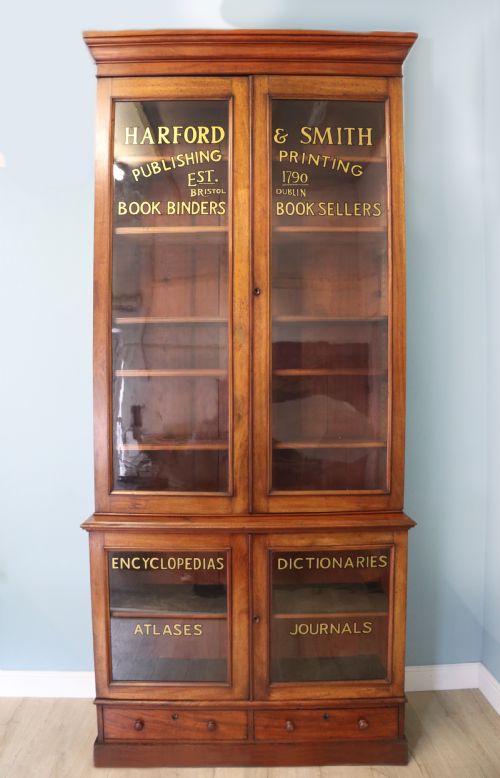
Apothecary Display Case
These apothecary display case pieces bring practical utility and historic character into a room through honest timber and glass construction.
Apothecary Display Case
An apothecary display case covers a variety of glazed storage items ranging from countertop boxes to large wall cabinets and shop counters. You encounter examples spanning the eighteenth century through to the nineteen-thirties, including Victorian and Art Deco commercial pieces.
Materials and construction
Makers utilised solid timbers such as mahogany, pine, and burr walnut alongside brass hardware and glass panels. These materials provided the durability required for commercial environments and domestic dispensaries alike.
Construction techniques prioritised visibility and secure storage, resulting in glazed doors, brass fittings, and multi-section shelving designed to hold small bottles and instruments.
Judging quality in apothecary storage
Quality separates mass-produced utility items from finer merchant pieces through the selection of timbers like burr walnut and the precision of the joinery. Original painted finishes and authentic brass hardware elevate certain examples above standard utilitarian boxes.
The distinction also lies in the proportion and scale of the cabinet, where well-balanced proportions and clear, original glass panes demonstrate superior craftsmanship.
The Apothecary Display Case Glossary
- Countertop display case
- A small glazed cabinet designed to sit on a shop counter for retail presentation. These units allowed customers to view goods while keeping them secure.
- Wall cabinet
- A hanging storage unit mounted directly onto a wall to save floor space. They frequently feature glazed doors to display contents at eye level.
- Mahogany
- A durable tropical hardwood valued for its rich colour and stability. It appears frequently in better-quality nineteenth-century commercial furniture.
- Glazed wall cupboard
- A wall-mounted storage enclosure featuring glass panels in the door. This allows the contents to remain visible while protected from dust.
Apothecary Display Case: Frequently Asked Questions
What is an apothecary display case?
An apothecary display case is a glazed cabinet or box originally utilised by chemists and merchants to store and exhibit goods.
These pieces range from small countertop boxes to large wall-mounted cupboards and shop counters.
How were these cabinets used?
Merchants and chemists used these cabinets to keep medical instruments, remedies, and small wares visible yet secure.
The glass doors protected the contents from dust while allowing customers or staff to inspect the items inside.
What woods do makers use?
Makers constructed these pieces from timbers such as mahogany, pine, burr walnut, and general commercial timber.
Finer pieces often feature dense hardwoods with polished finishes, while utility items rely on plain pine.
How do I date a cabinet?
Dating relies on observing construction methods, timber choices, and stylistic cues from periods like the Victorian era or Art Deco.
Hardware styles and the presence of original glass also help determine the age of the piece.