


Mahogany Counter Cabinet
These mahogany counter cabinet pieces are commercial shop fixtures and display cases designed to showcase goods on retail counters.
Mahogany Counter Cabinet
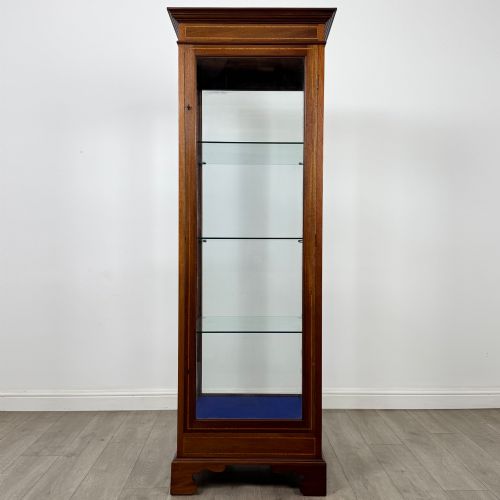
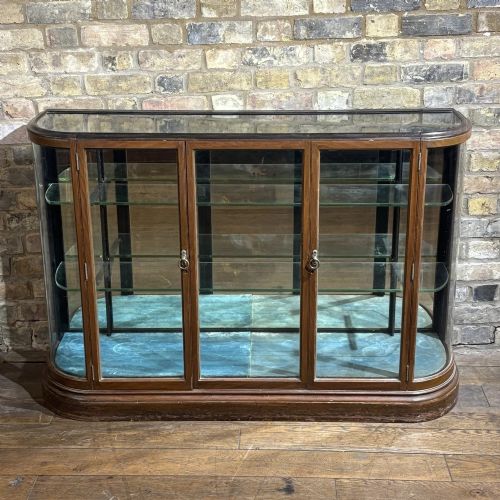
A mahogany counter cabinet is a commercial display fixture built for retail environments, chemist shops, and confectioners. The pieces found here range from compact tabletop display cases to large pentagonal counters and tall freestanding units originating from the Victorian, Edwardian, and 1920s commercial eras.
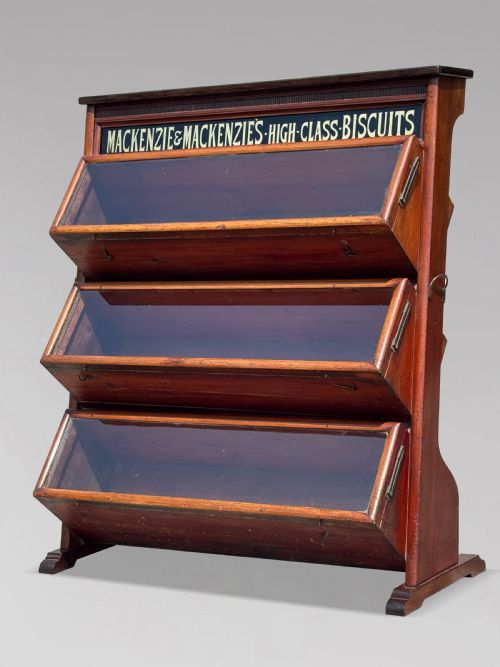
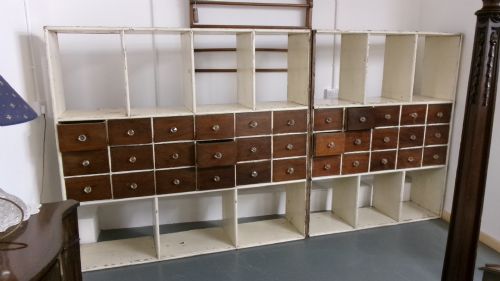
Buyers encounter specialised forms such as haberdashery cabinets with banks of drawers, apothecary countertop boxes, and branded confectionery display cases made for brands like Rowntree's and Fry's. These pieces bridge the gap between practical shop storage and customer-facing merchandise presentation.
How they were made
Makers constructed these cabinets using solid and figured mahogany frames fitted with clear glass panels to maximise visibility for retail patrons. Brass hardware, mirrored interiors, and internal velvet linings appear frequently to reflect light and cushion delicate goods.
Structural integrity relied on dense hardwoods and pine carcasses designed to withstand heavy daily use in busy shops. Exterior surfaces received polished finishes, while specialised interiors often incorporated later sign-written advertising for specific commercial products.
Listings span from the 1850s through the 1930s, encompassing Victorian, Edwardian, and 1920s commercial styles in mahogany, glass, and brass.
What varies in quality
Quality rests in the architectural framing, the clarity and proportion of the original glass, and the sophistication of the joinery. Workshop origin matters, with pieces produced by established shopfitters holding distinct design merit over standard utility builds.
The presence of original branded advertising, working brass hardware, and specialised internal configurations like mirrored backs or tiered shelving elevates certain examples above standard retail display cases.
F. Sage And Co·John Stow Ltd·Pollards
The Mahogany Counter Cabinet Glossary
- Countertop cabinet
- A small display case designed to sit directly on top of a retail sales counter for customer viewing. These pieces usually feature glass panels on multiple sides.
- Haberdashery cabinet
- A specialised storage unit featuring multiple shallow drawers, often with glass fronts, used for selling sewing notions and small dry goods. These are prized for their modular organisation.
- Vitrine
- An all-glass display case or cabinet used for showcasing fine objects and collectibles. The term generally denotes a lighter, more decorative construction than a heavy shop counter.
- Apothecary box
- A portable or stationary chest fitted with compartments for medicines, bottles, and chemical ingredients. These often display exceptional internal joinery and secure locking mechanisms.
Mahogany Counter Cabinet: Frequently Asked Questions
What were these cabinets used for in shops?
Merchants utilised these glazed cases on sales counters to display high-value items, tobacco, chocolates, and small wares safely while keeping them visible to buyers.
The glass protection kept dust and handling away from delicate goods while encouraging impulse purchases at the point of sale.
How do I identify a Victorian example?
Victorian pieces generally display deeper, darker mahogany tones, heavier brass hardware, and traditional joinery methods typical of the late nineteenth century.
Commercial examples from this era often feature simpler structural lines tailored for heavy daily use in chemist shops and draperies.
Are the advertising signs original?
Some cabinets retain their original commercial lettering, while others feature later sign-written decoration applied during subsequent periods of use.
Signage often highlights confectionery brands or local pharmacies, adding historical context to the physical structure of the case.
How do I care for the wood and glass?
Maintain the mahogany surfaces with appropriate wax polishes and clean the glazed panels using standard glass care without harsh chemical ammonia.
Keep the cabinets away from direct heat sources and strong sunlight to protect the polished wood finish and internal linings.