

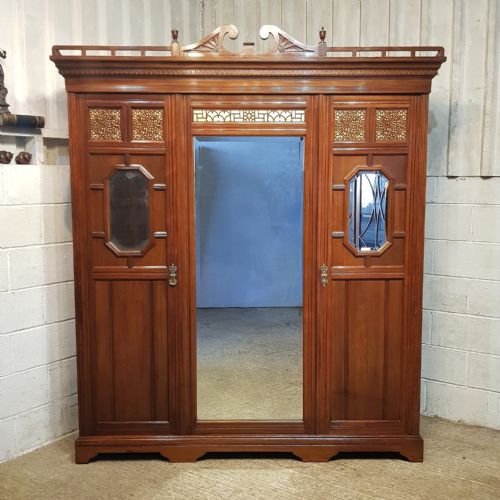
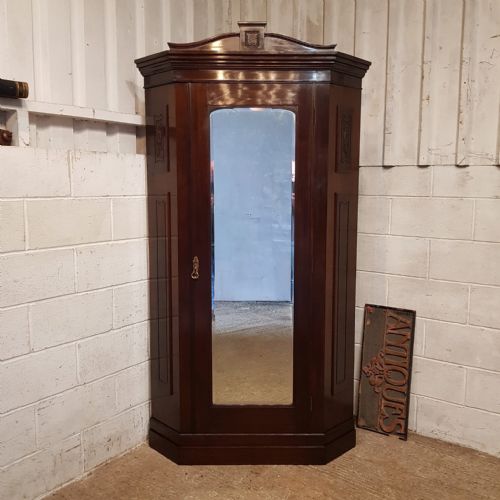
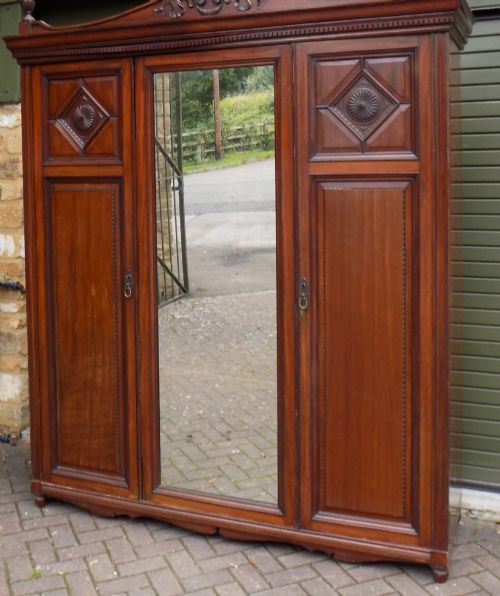

Mahogany Armoire with Mirrors
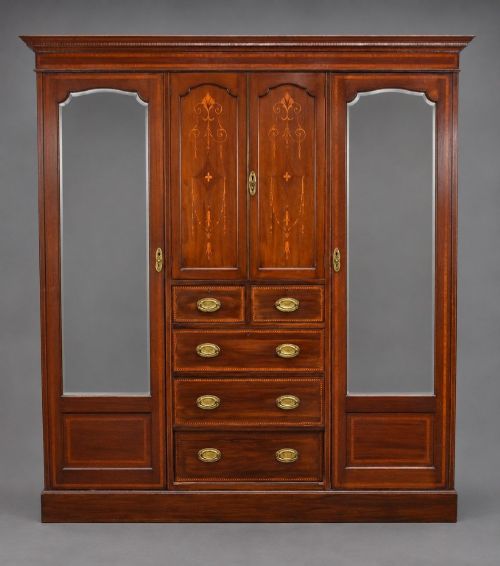
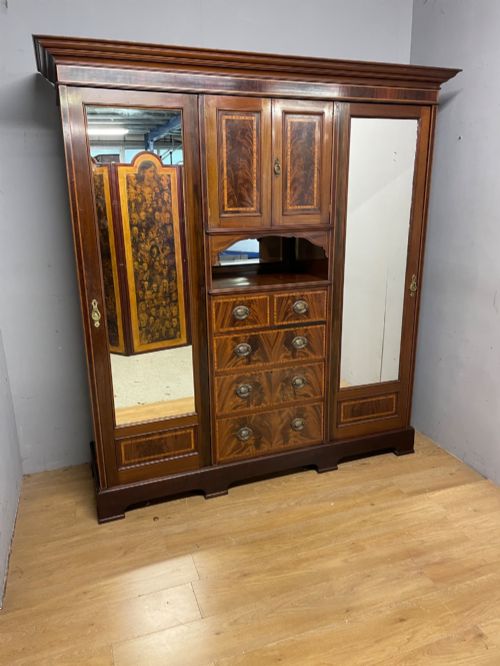
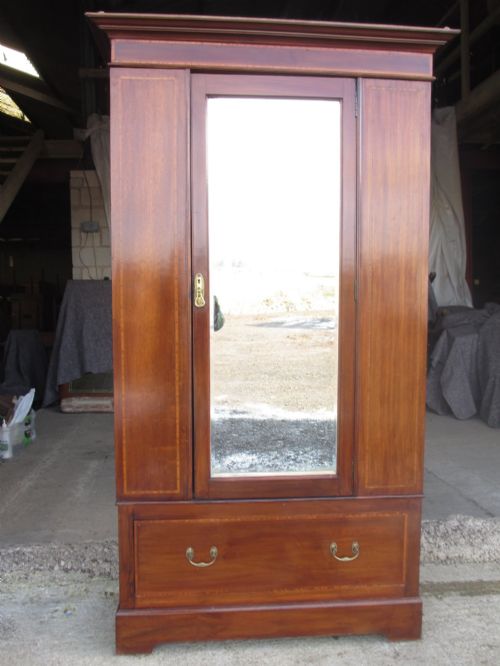
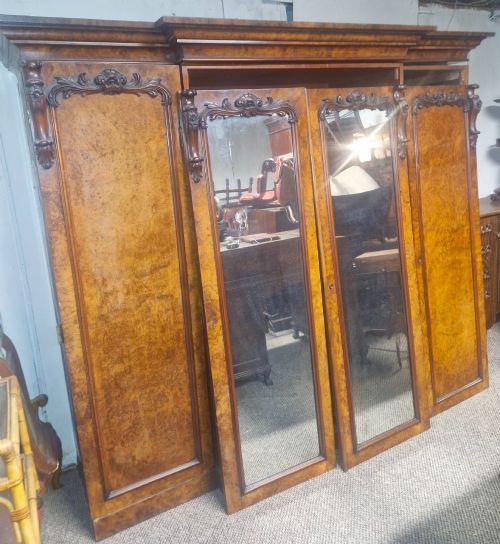
A mahogany armoire with mirrors is a substantial bedroom piece offering both storage and reflection, bringing warmth and depth to a room.
Mahogany Armoire with Mirrors
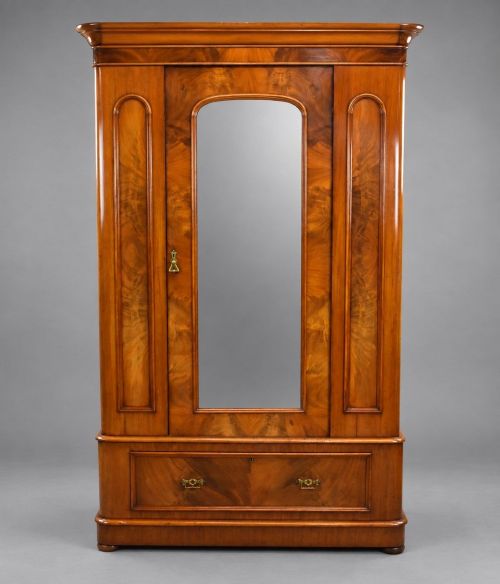
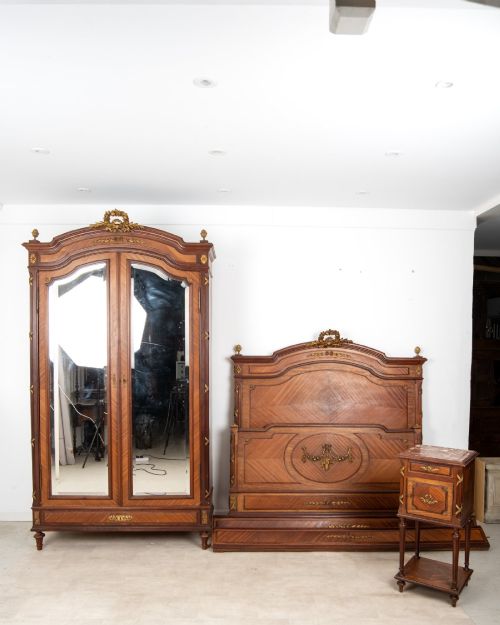
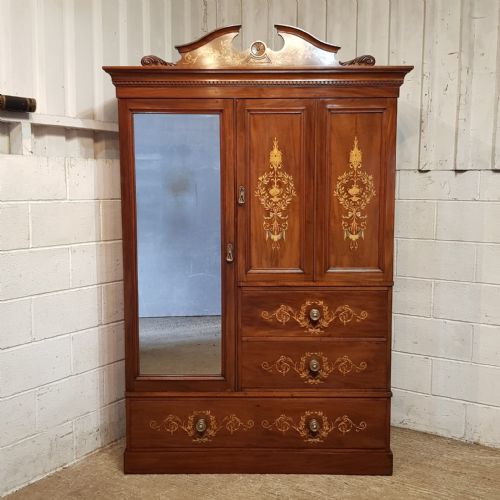
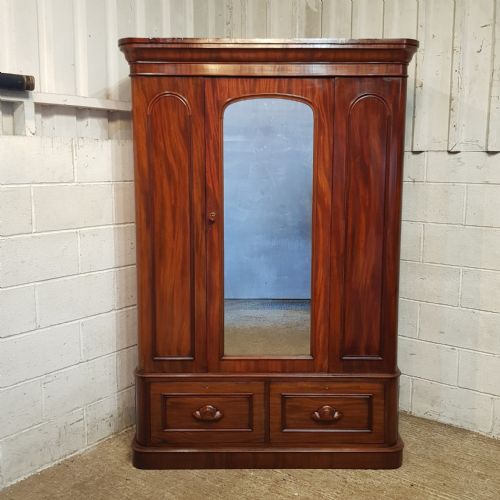
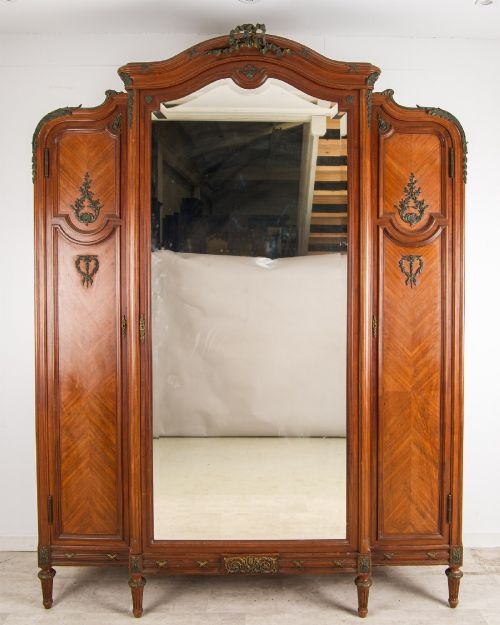
A mahogany armoire with mirrors combines deep timber tones with functional glass plates, serving as a commanding storage focal point in a bedroom. When you examine the selection here, you encounter forms that range from grand French revival suites to fitted English combination wardrobes.
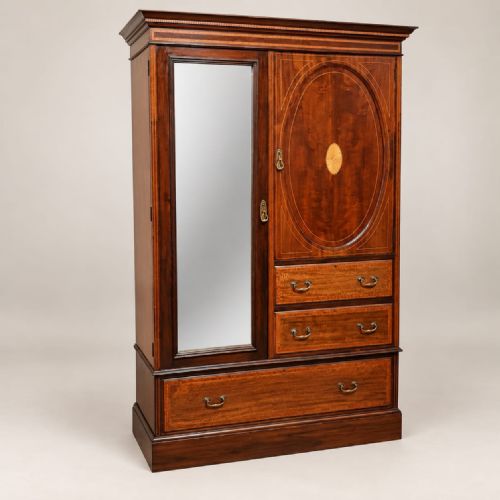
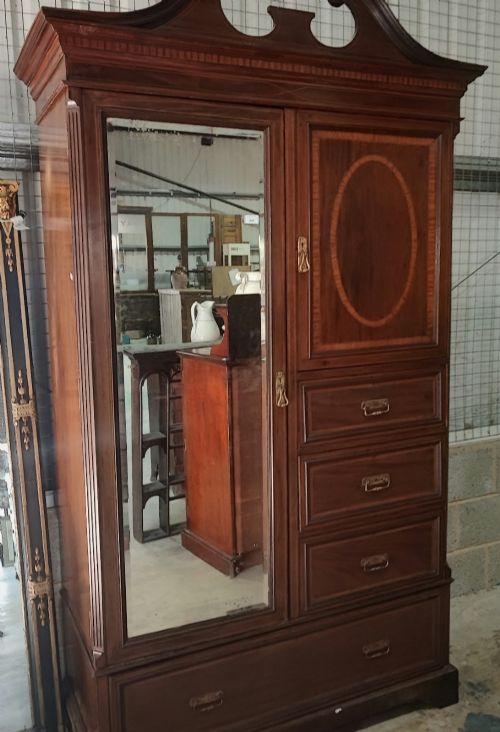
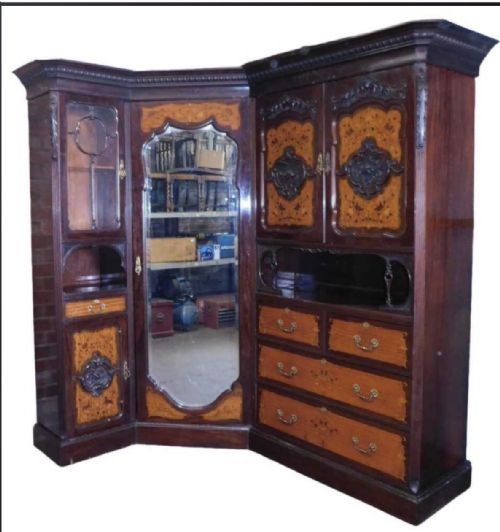
The pieces on this page span the Victorian and Edwardian eras, alongside late nineteenth century French examples. You find single wardrobes, triple configurations, and compactum designs that incorporate internal drawers and hanging space alongside mirrored doors.
Makers such as Maples and Co feature among the larger wardrobe formats, while smaller items include Edwardian miniature pieces and jewellery cabinets. The common thread across these objects is the use of rich mahogany housing reflective glass panels.
How they were made
Cabinet makers utilised solid mahogany and rich veneers over supportive secondary timbers, building heavy carcasses designed to last for generations. Glass mirror plates were bevelled and set securely into panelled doors, sometimes flanked by satinwood inlay or brass hardware.
Ornate examples integrate cast ormolu, also known as gilt bronze mounts, framing the timber and glass with classical floral or scroll details. French Louis XVI revival pieces and Art Nouveau designs showcase distinct carving and marquetry techniques applied to the primary mahogany surfaces.
Mahogany Armoire with Mirrors Retail Price Guide 2026
Typical asking prices for mahogany armoire with mirrors among the pieces listed under this phrase on Sellingantiques today, from the lower quarter to the upper quarter. They describe what is for sale here now, not the wider market.
Listings span the Victorian and Edwardian eras, featuring mahogany alongside glass, brass, satinwood, marble, and gilt bronze ormolu mounts.
What varies in quality
Quality rests upon the selection of the mahogany timber and the depth of its grain, alongside the crispness of any inlay or carved detail. Superior pieces exhibit balanced proportions, tight joinery, and heavy brass or gilt bronze mounts that sit flush against the wood.
The integration of the mirror glass dictates much of the character, with thick, bevelled plates reflecting light cleanly without distortion. Interiors also reveal craftsmanship through cleanly fitted drawers, brass hanging hooks, and well-designed combination compartments.
Maples and Co
The Mahogany Armoire with Mirrors Glossary
- Armoire
- A tall cupboard or wardrobe used primarily for hanging clothes and storing linens. Originally French, the term now applies to large free-standing wooden wardrobes.
- Compactum
- A fitted wardrobe containing a combination of hanging space, shelves, and internal drawers. This multi-purpose design maximises storage within a single footprint.
- Ormolu
- Gilt bronze ornamentation applied to furniture, often cast and chased with decorative motifs. This technique adds metallic contrast to the dark mahogany surfaces.
- Satinwood
- A pale, lustrous exotic timber utilised for contrasting inlay and banding on dark woods. It creates bright geometric borders on door panels and cornices.
Mahogany Armoire with Mirrors: Frequently Asked Questions
What is a compactum wardrobe?
A compactum is a multi-functional wardrobe designed to hold a wide variety of clothing items within one unified piece of furniture. It typically combines hanging sections with banks of internal drawers and adjustable shelving.
These pieces emerged to provide complete bedroom storage solutions without needing separate chests of drawers. The internal layout allows for orderly organisation of folded garments and accessories alongside full-length hanging.
How do I date a mahogany wardrobe?
Dating relies on examining the structural style, timber preparation, and hardware associated with specific periods like the Victorian or Edwardian eras. Hand-cut dovetails, timber choices, and secondary woods offer clues to the decade of manufacture.
Stylistic markers also help distinguish pieces, such as the curved natural lines of Art Nouveau or the classical symmetry of Louis XVI revival designs. Cabinet makers often incorporated specific regional building techniques that shift across the nineteenth and early twentieth centuries.
Are mirror doors original to these pieces?
Mirrored glass doors became widely popular during the Victorian period as glass manufacturing techniques advanced and larger plates could be produced safely. Many pieces retain their original heavy, bevelled mirror plates secured with traditional wooden glazing beads.
Inspecting the silvering behind the glass and the way the mirror is mounted within the door frame helps confirm originality. Original mirrors often show light, natural foxing that matches the age of the surrounding timber.
How do I care for antique mahogany?
Mahogany benefits from stable room conditions away from direct sunlight and strong heat sources, which can dry out the timber and veneer. Regular dusting with a soft, dry cloth preserves the polished surface without building up residue.
Occasional application of appropriate wax polish helps nourish the grain and maintain the deep colour of the wood. Avoiding excess moisture is essential to protect both the timber joints and the mirror backing.