
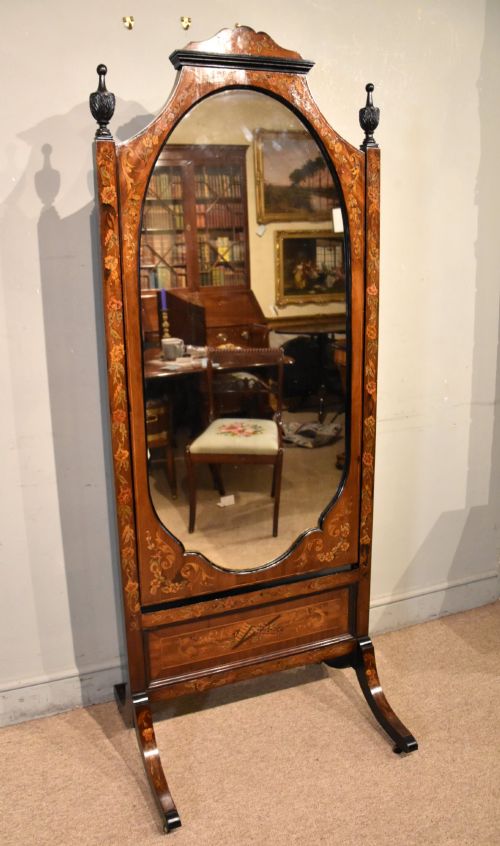
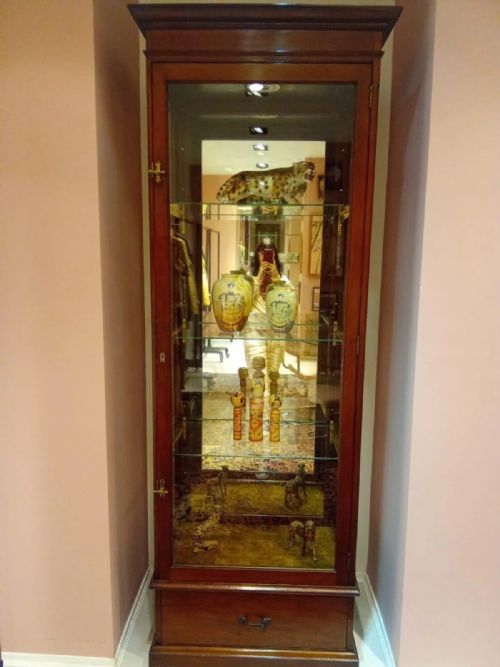
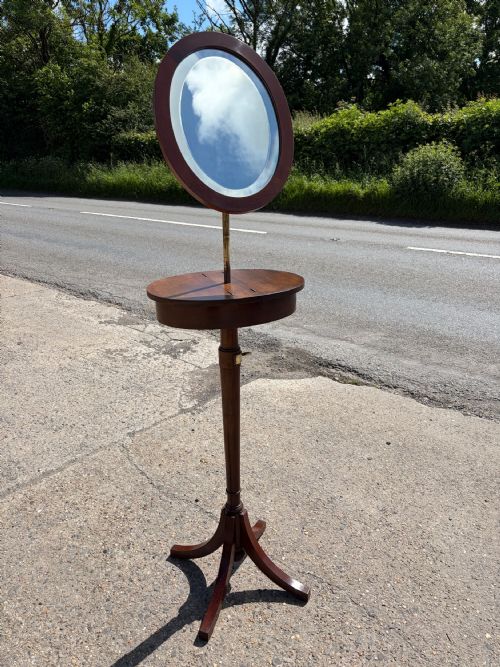
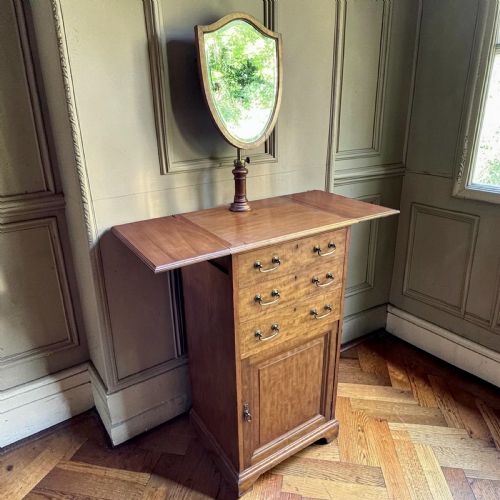


Mahogany Adjustable Mirror
Mahogany adjustable mirror pieces bring practical movement and rich timber grain to dressing spaces.
Mahogany Adjustable Mirror
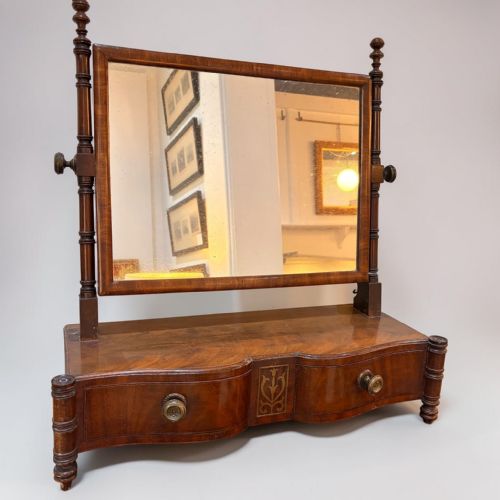
A mahogany adjustable mirror serves as a functional looking glass for grooming, utilising timber frames and pivoting mechanisms to alter angles. Buyers seeking a mahogany adjustable mirror encounter various forms designed for tabletop use or freestanding floor placement.
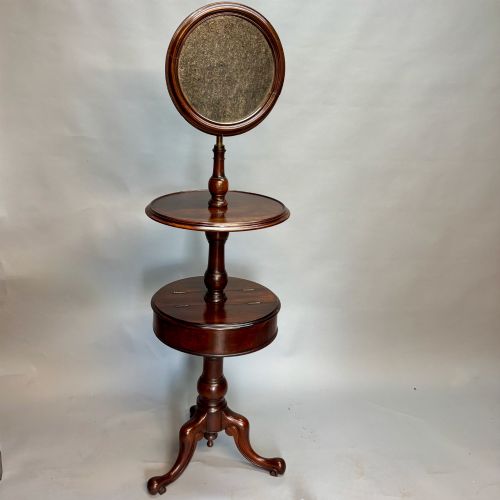
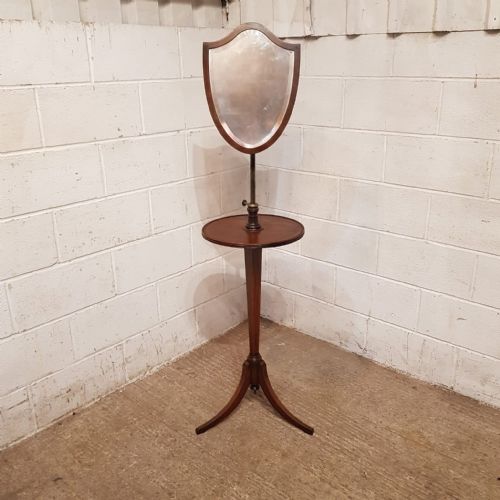
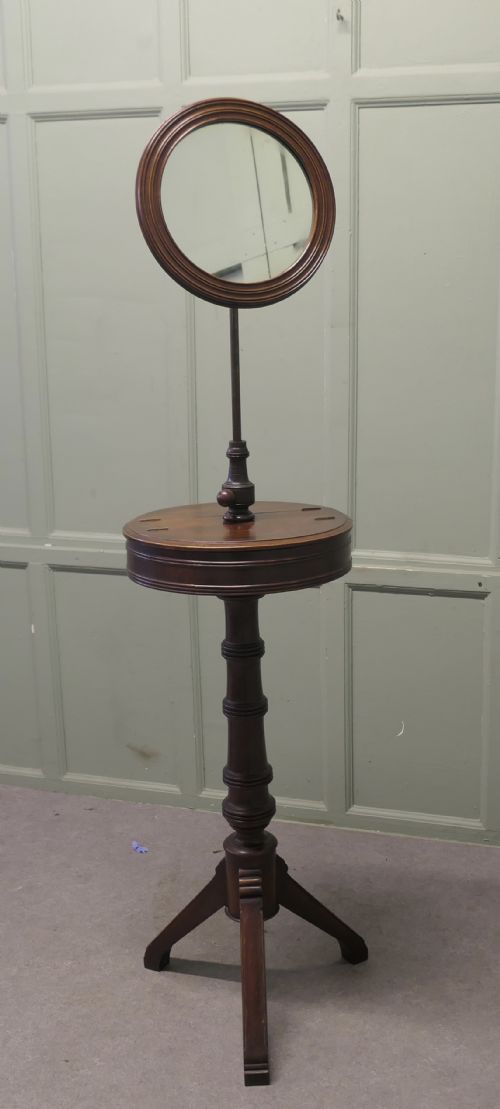
The selection ranges from compact shaving stands and toilet mirrors on stands to large cheval glasses and dressing chests. Pieces appear primarily across Victorian and Edwardian periods, alongside Regency and Georgian examples featuring tripod bases or turned columns.
How they were made
Cabinet makers utilised solid mahogany and veneers, frequently incorporating marquetry inlay, wood inlay, or brass and copper fittings to secure the glass panels. Frames house mirror glass supported by turned columns, tripod legs, or bun feet.
Adjustable elements rely on metal pins, telescopic stems, and pivoting brackets that permit the glass to tilt or alter height. Painted metal and brass components provide structural support and movement for the swinging or sliding frames.
Listings feature mahogany adjustable mirror examples spanning the Georgian, Regency, Victorian, and Edwardian eras, utilising brass, glass, and wood inlay.
What varies in quality
Quality rests in the depth of the mahogany grain and the execution of details such as inlay work, turned columns, and carved tripod bases. Finer examples display careful joinery and substantial timber selection rather than plain secondary woods.
The integrity of the adjusting mechanism distinguishes standard production from superior pieces. Original brass fittings, smooth telescopic action, and intact mirror glass indicate higher craftsmanship.
J. Shoolbred·Gillows of Lancaster
The Mahogany Adjustable Mirror Glossary
- Cheval mirror
- A freestanding full-length mirror hung in a frame that allows it to swing. This large floor-standing form permits a full view of attire.
- Shaving stand
- A specialised piece incorporating an adjustable mirror and a small table or cupboard for grooming accessories. These compact stands often feature tripod bases.
- Toilet mirror
- A smaller looking glass designed to sit upon a dressing table or chest. They typically include a swing frame mounted on upright supports.
- Marquetry inlay
- Decorative patterns formed by fitting contrasting veneers into timber surfaces. This technique enriches the visual depth of mahogany furniture.
- Telescopic
- A stem construction allowing height adjustment through sliding tubes. This mechanism appears frequently on nineteenth-century shaving stands.
Mahogany Adjustable Mirror: Frequently Asked Questions
How do I adjust the mirror?
Most tabletop and shaving mirrors rely on side screw pivots or thumb screws that loosen to let the glass tilt to the desired angle. Tightening the fixings holds the glass firmly in place.
Telescopic and cheval versions use sliding vertical stems or central axis pivots for height and angle alteration. Gentle handling ensures these older metal and wood components remain secure.
Where were these mirrors used?
These pieces found placement in bedrooms, dressing rooms, and barbershops for daily grooming and shaving. Compact toilet variants sat atop dressing chests, while floor-standing cheval versions stood in dressing areas.
Shaving stands occupied corners or wash spaces, keeping mirrors and accessories close at hand for gentlemen. Their portability allowed them to follow natural light sources within a room.
How do I date a mahogany mirror?
Dating relies on stylistic shifts in timber treatment, base construction, and hardware design. Georgian and Regency examples often showcase crisp flamed veneers and substantial rectangular frames, while Victorian pieces frequently introduce tripod bases and turned columns.
Edwardian items incorporate lighter inlaid decoration and simpler framing. Examining the construction of the drawer linings and the type of mirror glass provides further chronological clues.
Are the mirror plates original?
Many older pieces retain their original glass, which can exhibit light foxing, minor silvering loss, or subtle surface imperfections. These traits confirm age and historical use.
Replacement glass appears on some examples where the original looking glass suffered breakage over the decades. Inspecting the backing and the mounting points helps determine the glass's history.