



Low Oak Stool Bench
A low oak stool bench brings solid timber and centuries of utility into a room, offering compact seating that works anywhere.
Low Oak Stool Bench
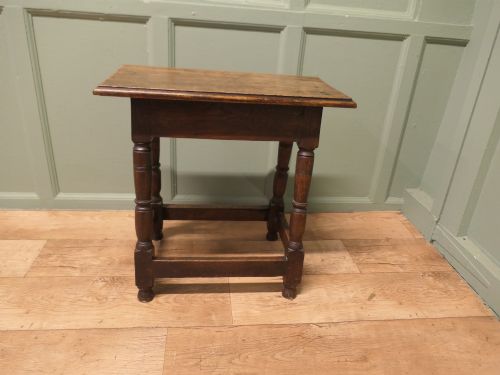
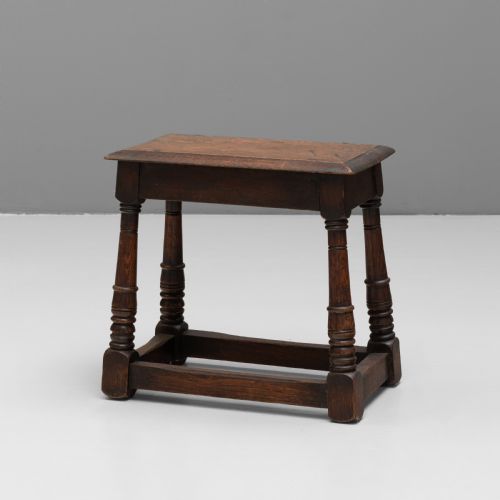
When you search for a low oak stool bench, you encounter sturdy timber seating that spans forms from joint stools and window seats to low footstools and long benches. The selection ranges from seventeenth-century boarded trestle construction to nineteenth-century vernacular pieces and twentieth-century revival designs.
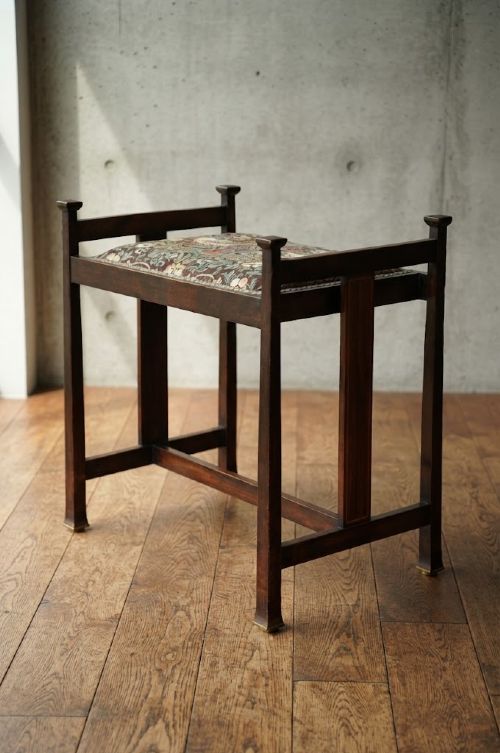
You are most likely to meet nineteenth-century and early twentieth-century examples on this page, often shaped by regional traditions such as Arts and Crafts simplicity or heavy Jacobean revival carving. These items serve varied domestic roles, functioning as footstools, prayer kneelers, dressing seats, and small occasional benches.
Materials and construction
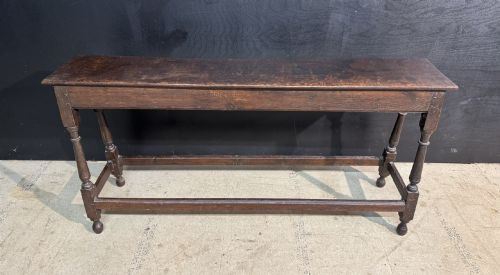
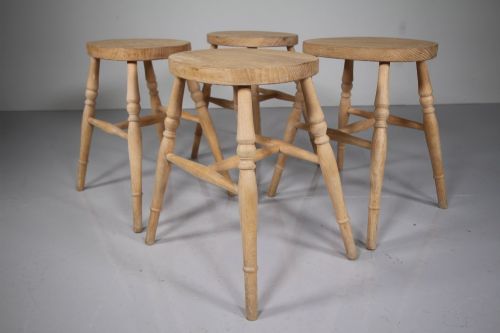
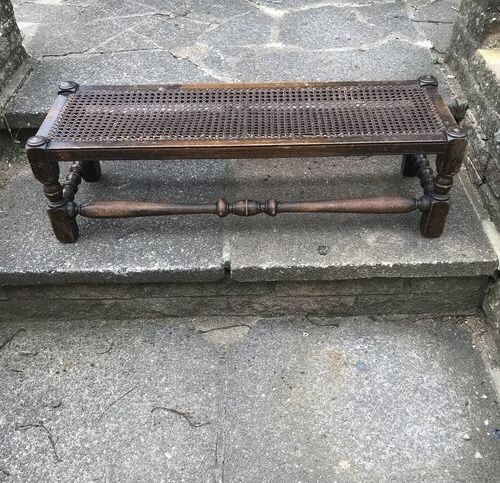
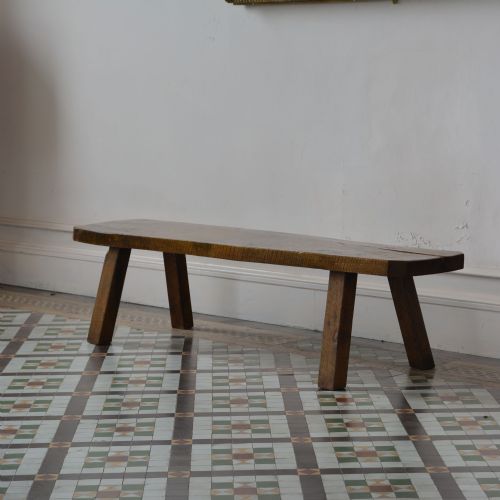
Makers built these pieces primarily from solid oak, sometimes pairing the dense timber with secondary woods like elm or hardwood for seats and structural frames. Joinery relied on traditional methods including pegged joints, turned legs, and trestle supports designed to withstand heavy daily use.
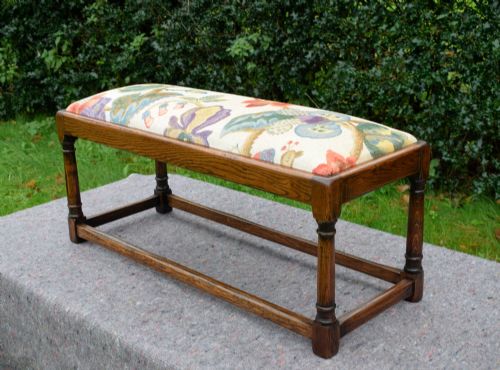
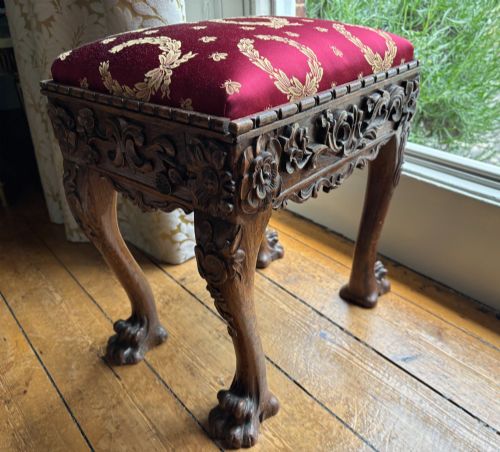
Surface detailing often incorporates carved motifs, turned stretchers, and occasionally applied upholstery in fabric, leather, cane, or woven textiles. Brass hardware and studded details appear on specific period variants to secure coverings and reinforce corners.
Low Oak Stool Bench Retail Price Guide 2026
Typical asking prices for low oak stool bench among the pieces listed under this phrase on Sellingantiques today, from the lower quarter to the upper quarter. They describe what is for sale here now, not the wider market.
One tiny apprentice piece waited a century just to hold your decorative trinkets instead of heavy ale.
Factors that separate examples
Quality rests in the integrity of the timber framing and the honesty of the construction, where tight joinery and appropriate heft distinguish better pieces from lighter utilitarian items. The depth and crispness of hand-carved elements, such as lions' heads or strapwork panels, elevate certain examples above plain vernacular forms.
Condition of the primary oak surface, along with the retention of original stretchers, feet, and seating materials like cane or leather, dictates the desirability of a piece. Alterations to height or replaced structural members alter the standing of an item within its period.
Harry and Lou Epstein
The Low Oak Stool Bench Glossary
- Joint stool
- A solid timber stool constructed with mortise and tenon joints pegged together, common in seventeenth and eighteenth-century households before the widespread use of upholstered chairs.
- Trestle form
- A structural arrangement where the top is supported by two or more upright pieces connected by a horizontal beam or stretcher, frequently seen in early boarded seating.
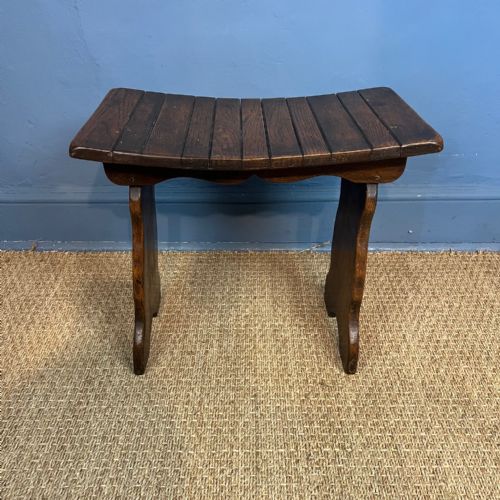
- Saddle seat
- A wooden seat surface scooped and shaped to mirror the contours of a saddle, providing ergonomic comfort in vernacular seating designs.
- Stretcher
- A horizontal wooden brace connecting the legs of a stool or bench to add rigidity and strength to the underframe.
Low Oak Stool Bench: Frequently Asked Questions
How do I date an oak stool?
Dating relies on examining the construction methods, tool marks, and stylistic revival cues present in the timber. Seventeenth-century examples display boarded or pegged frames, while nineteenth-century pieces often incorporate revival motifs.
Secondary materials like brass, cane, and specific upholstery styles also help narrow down the period of manufacture.
Where can I use a low bench?
These compact oak benches and stools fit well in entryways, at the foot of a bed, or tucked beneath a window seat. Their low profile provides functional seating without crowding smaller rooms.
They also function effectively as low display surfaces or occasional footrests in living areas.
Are these pieces restored?
Many older pieces show signs of historic maintenance, reupholstery, or surface cleaning to preserve the timber. Listings note specific interventions such as modern fabric replacement or structural reinforcement.
Original patination on the oak remains a key indicator of age and historical handling.