
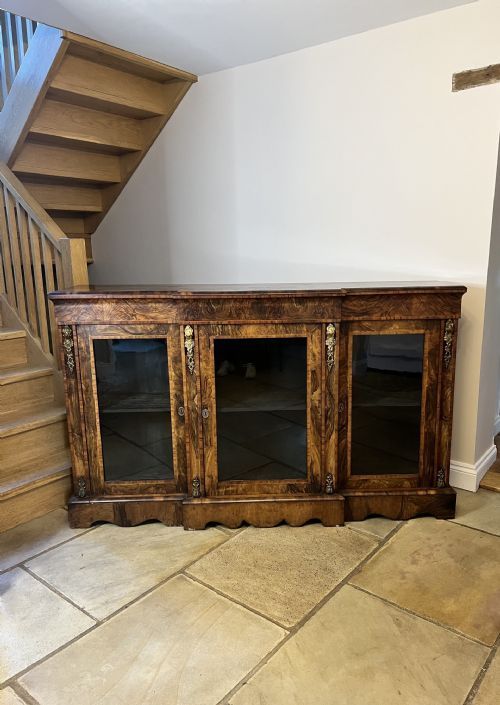

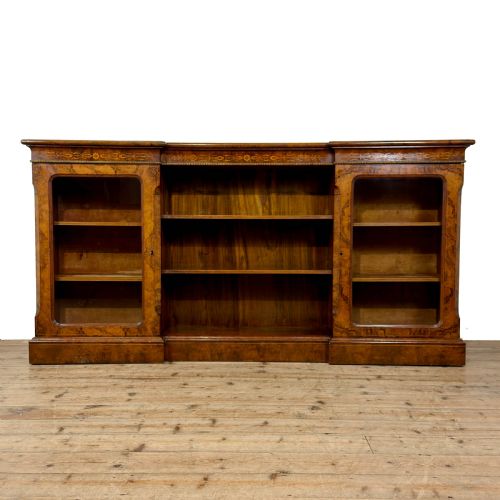

Low Glazed Credenza
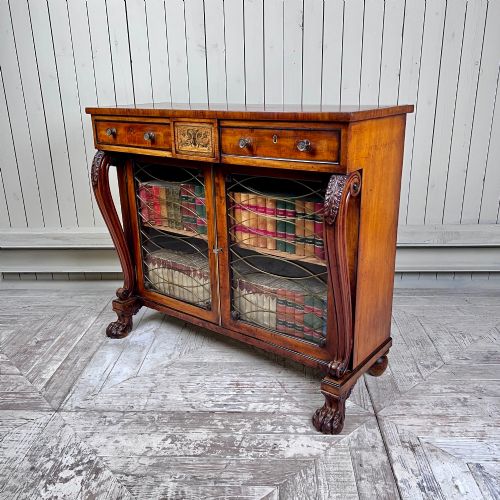
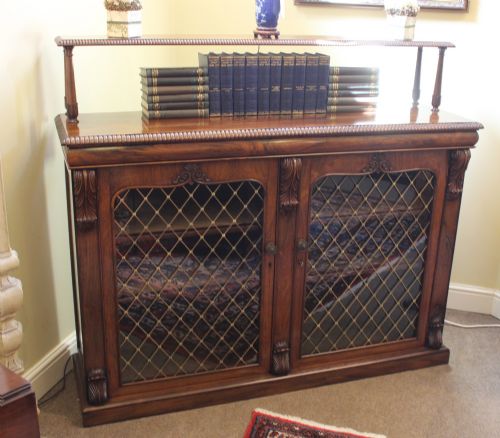
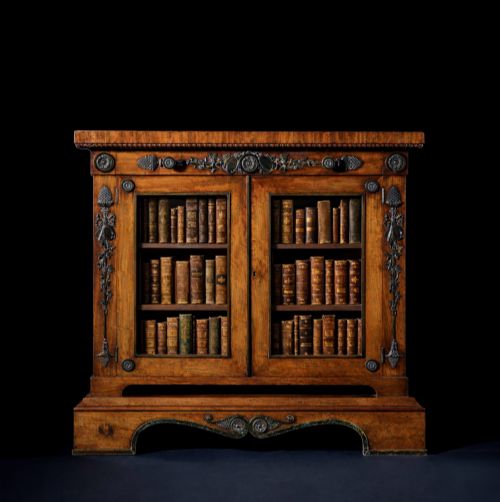
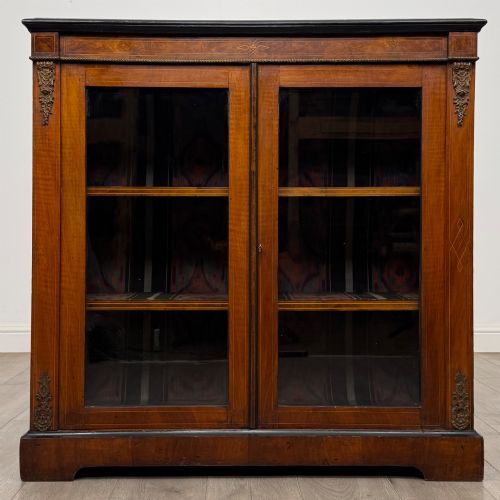
A low glazed credenza offers elegant enclosed display, uniting rich timber grains with glass fronts to house cherished volumes and objects.
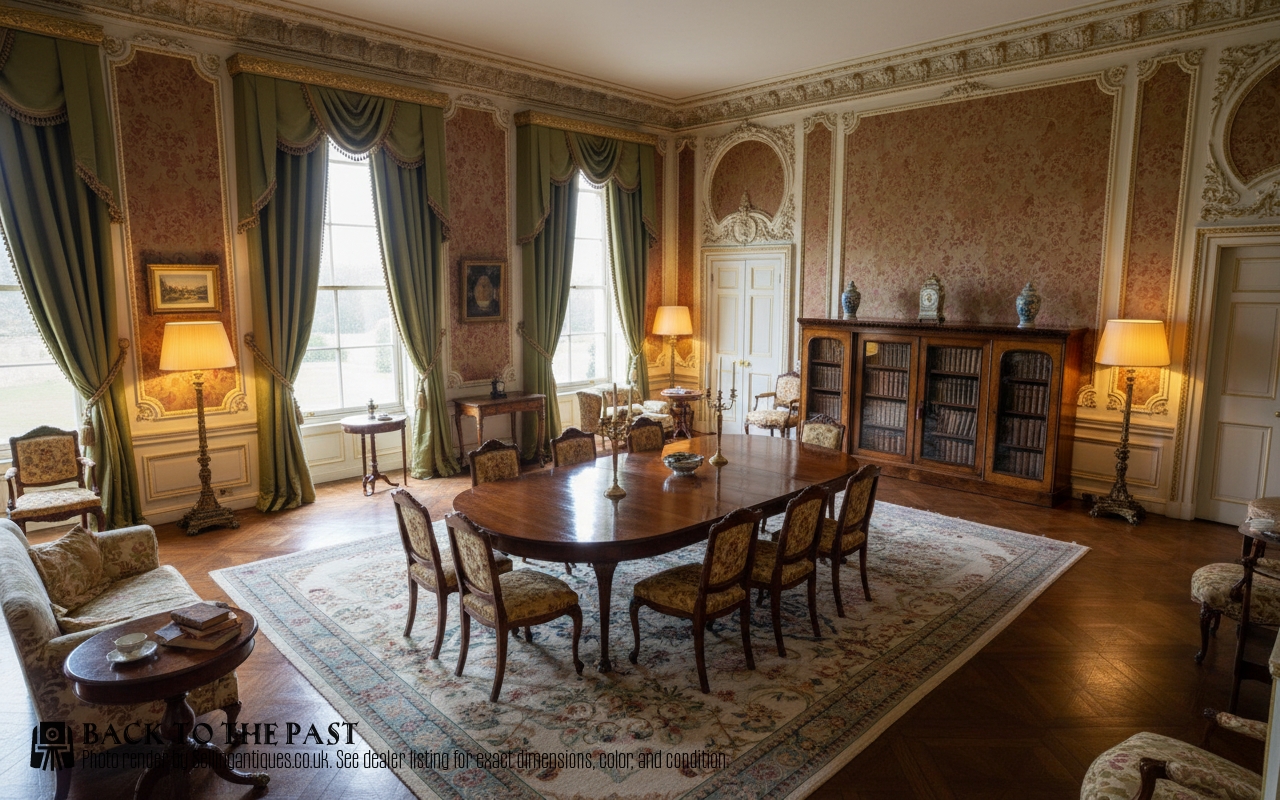
Low Glazed Credenza
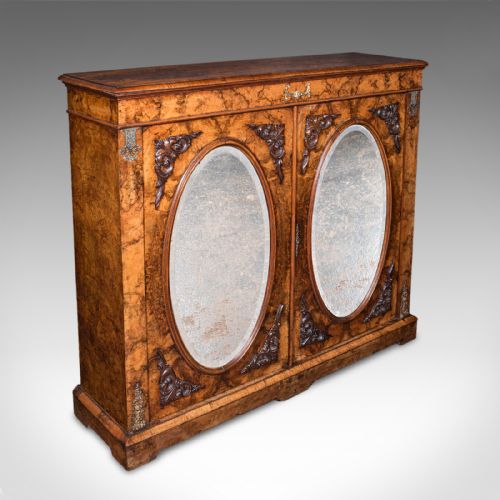
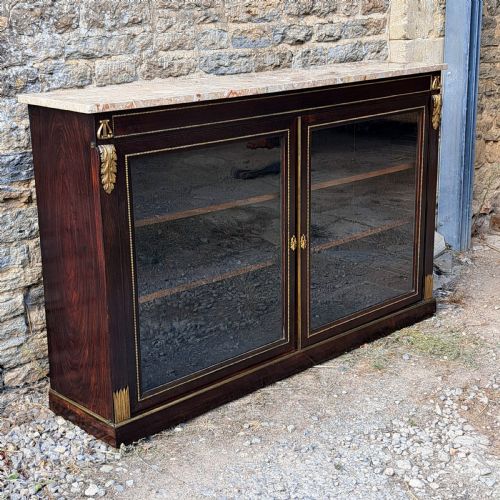
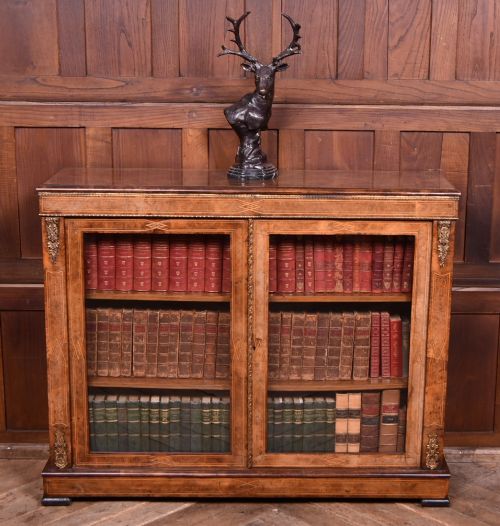
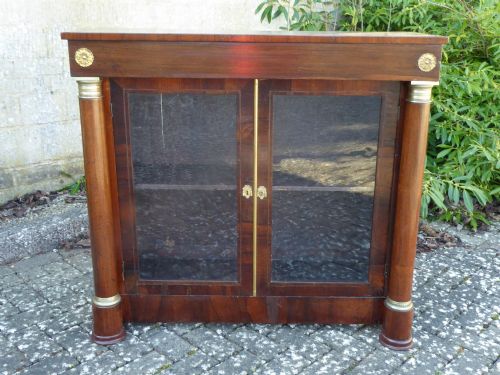
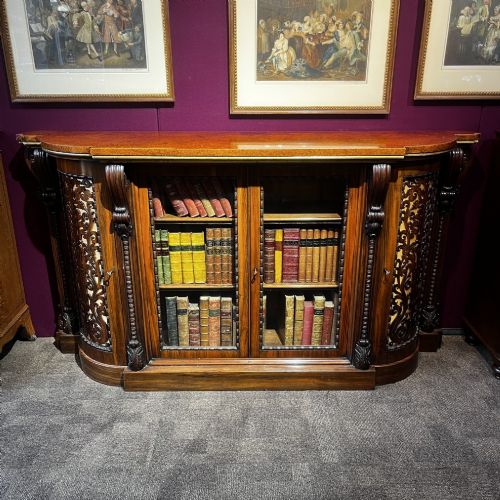
A low glazed credenza search reveals a diverse selection of low-profile cabinetry, predominantly taking the form of side cabinets, pier cabinets, and bookcases dating from the Regency and Victorian eras. These items serve as functional display furniture designed to house books and decorative objects within domestic interiors.
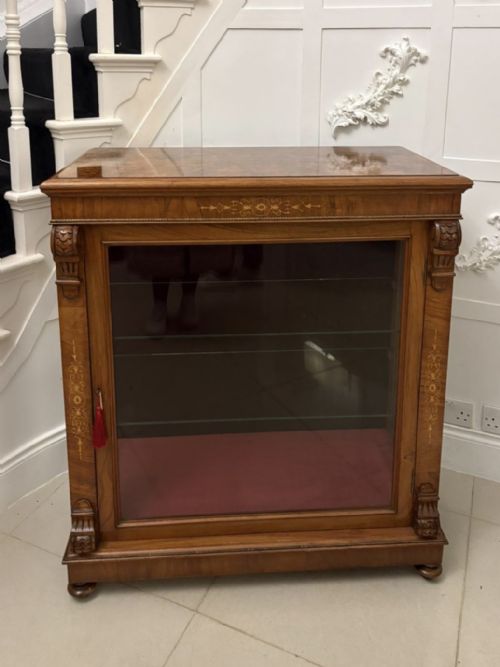
The pieces appearing on this page span several decades and styles, including Georgian, William IV, and Edwardian examples alongside core Victorian and Regency items. Buyers most frequently encounter walnut and rosewood variations equipped with glass doors for visible storage.
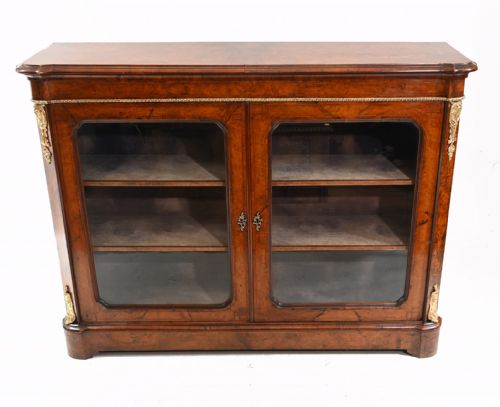
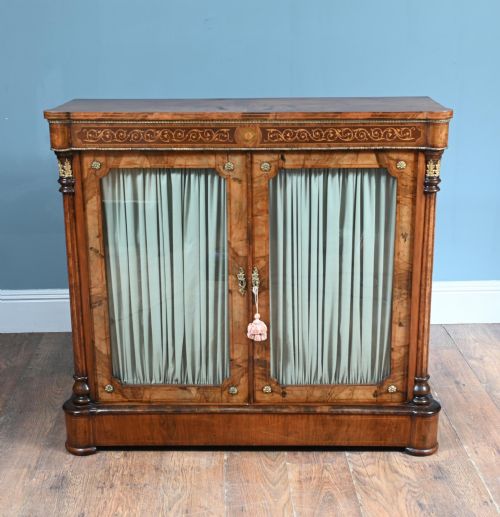
Makers and craftsmen utilised varied timber configurations, such as burr walnut, amboyna, and mahogany, often enhanced by marquetry inlay or brass details. These low cabinets maintain compact proportions suited to modern rooms while reflecting historical cabinet-making traditions.
Materials and Construction Methods
Cabinet makers utilised dense hardwoods like mahogany, rosewood, and walnut as structural bases, frequently applying decorative veneers such as burr walnut or amboyna to primary surfaces. These timbers provide both structural stability and rich grain patterns across the front panels and tops.
Glass panels are integrated into wooden doors to permit visibility of the interior, while brass, ormolu, and bronze mounts add structural trim and decorative contrast. Inlaid details in ebony and marquetry complete the surface ornamentation on select pieces.
Olive wood makes a surprise appearance in the Victorian selection, offering an unusual twist on standard mahogany and walnut.
Distinctions in Craftsmanship and Quality
Quality varies through the choice and matching of timber veneers, where symmetrical grain patterns and carefully selected burr walnut or amboyna elevate the visual impact. Superior examples demonstrate meticulous marquetry inlay and refined proportions that balance utility with aesthetic refinement.
The integration of metal mounts, such as brass or ormolu details, distinguishes standard utilitarian storage from finely articulated display furniture. Original glass integrity and the precision of joinery further separate ordinary production from exceptional period cabinet-making.
The Low Glazed Credenza Glossary
- Credenza
- A low cabinet or sideboard designed for display and storage, typically positioned against a wall. These pieces often incorporate glass doors to showcase contents.
- Pier Cabinet
- A narrow cabinet designed specifically to fit the wall space between windows. They frequently feature glazed doors for displaying fine objects.
- Marquetry
- Decorative veneer work formed by small pieces of wood, shell, or ivory fitted together to create pictorial or geometric designs. This technique decorates the surfaces of many Victorian cabinets.
- Ormolu
- Gilded bronze mounts applied to furniture for decorative effect. It appears on select Regency and Victorian pieces.
Low Glazed Credenza: Frequently Asked Questions
What is a low glazed credenza?
A low glazed credenza is a short cabinet featuring glass-fronted doors designed for displaying items while keeping them protected.
Such pieces combine low-profile wooden storage with transparent panels to showcase books and decorative objects.
Which woods are most common?
Walnut, mahogany, and rosewood form the primary timbers found across these listings, accompanied by exotic veneers.
Cabinets frequently utilise burr walnut and amboyna to create figured surfaces with rich natural patterns.
How do I date a cabinet?
Dating relies on stylistic clues, construction methods, and timber choices that correspond to periods like the Regency or Victorian era.
Specific design motifs and brass inlay techniques help place items within the nineteenth or early twentieth century.
Where were these cabinets placed?
These low cabinets traditionally occupied drawing rooms, morning rooms, and parlours as functional display furniture.
Their compact proportions allowed them to sit beneath windows or along wall spaces without dominating the room.