
Louis XVI Furniture
Louis xvi furniture brings restrained neoclassical symmetry, rich mahogany and kingwood veneers, and chased ormolu mounts into domestic interiors.
Louis XVI Furniture
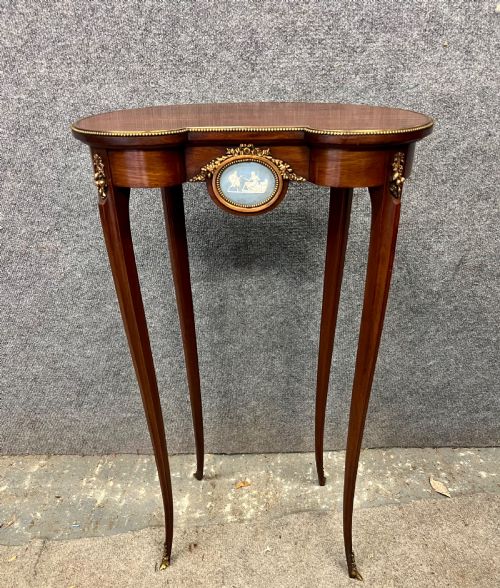
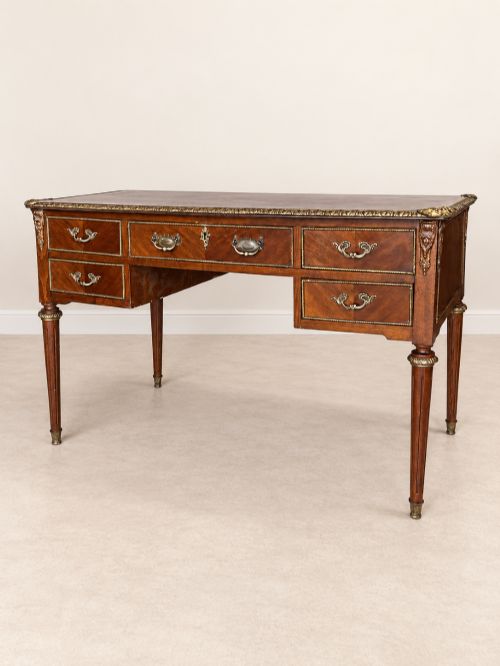
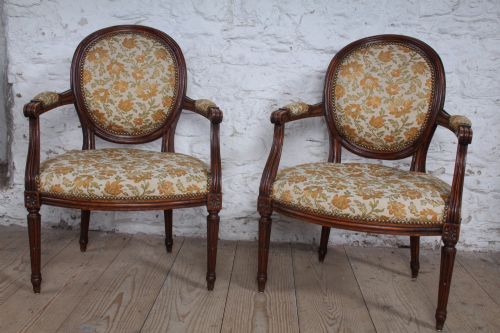
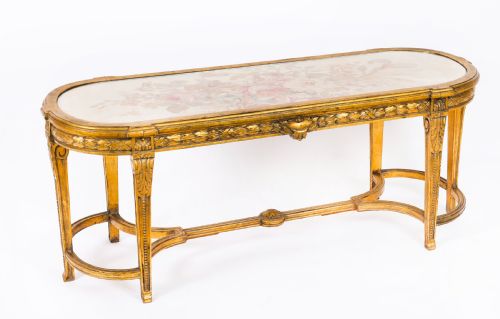
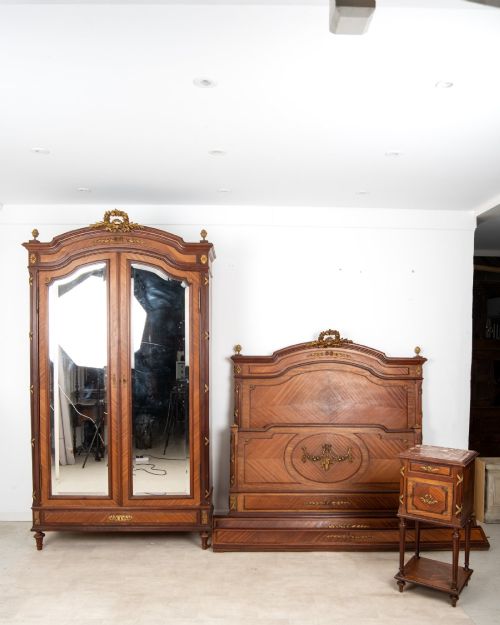
Louis xvi furniture encompasses seating, storage, and small tables rooted in the neoclassical shift away from rococo curves toward straight lines and classical proportions. Buyers seeking this aesthetic encounter authentic 18th-century pieces alongside substantial revival pieces made through the nineteenth and early twentieth centuries.
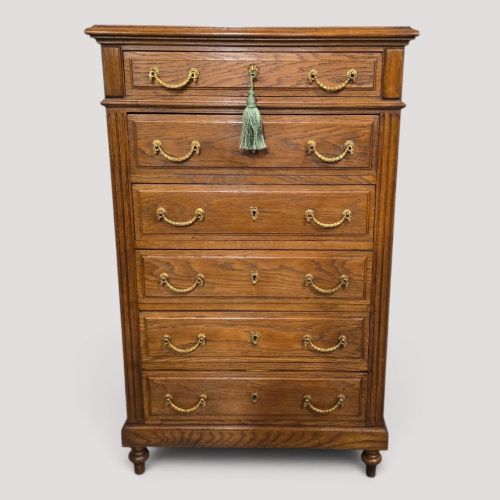
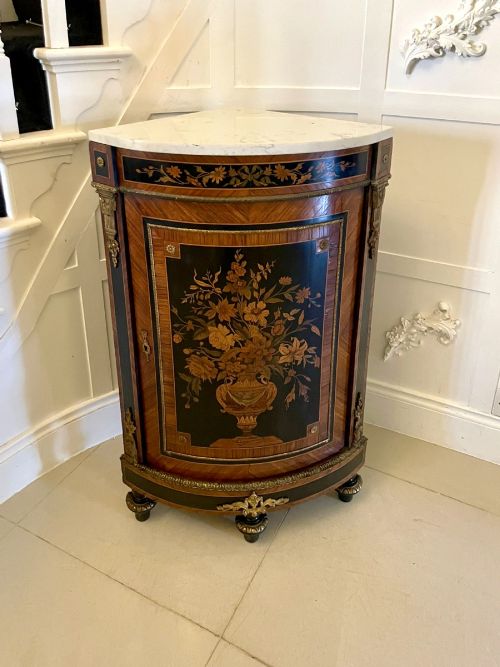
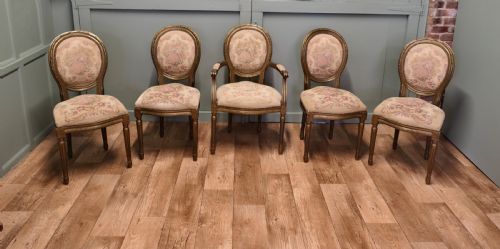
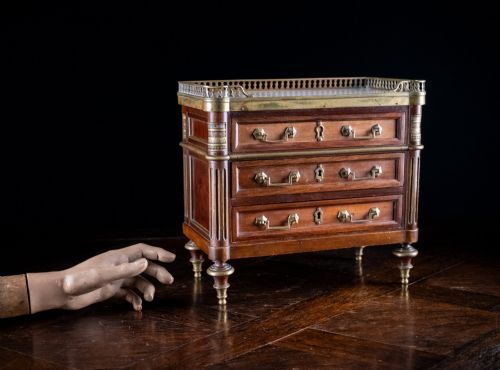
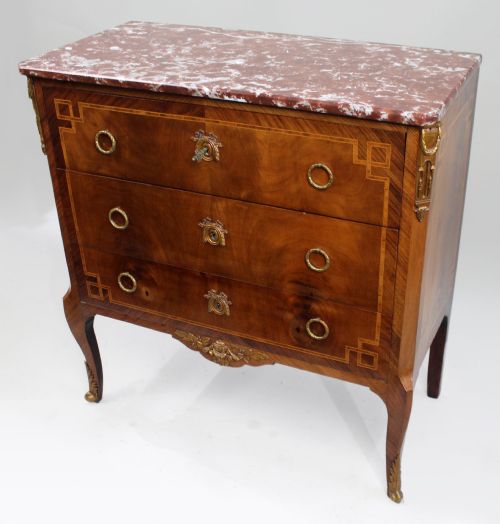
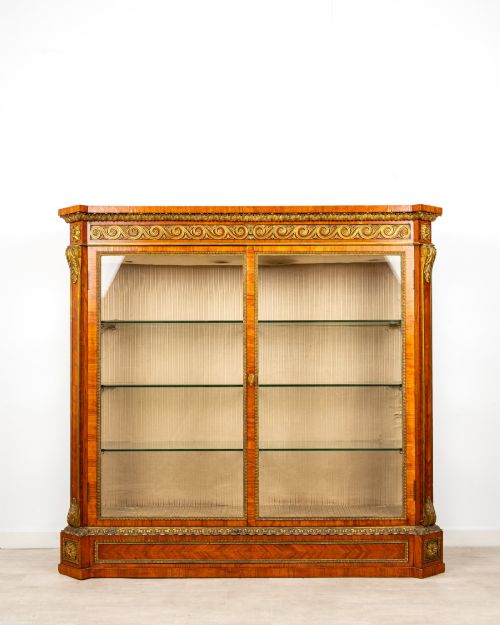
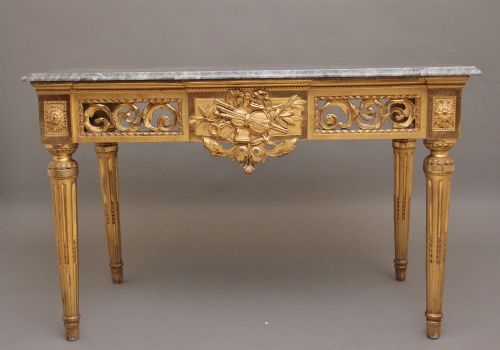
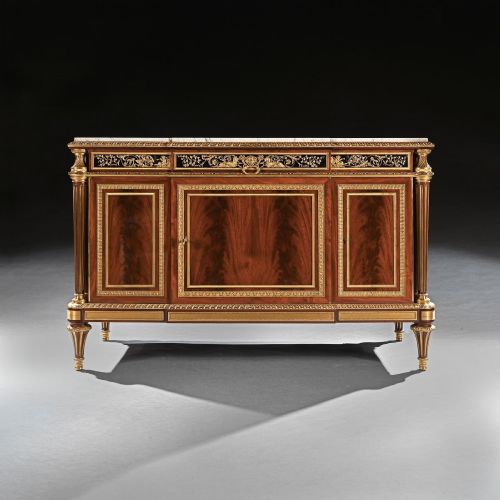
The form most frequently met on this page is the commode, typically paired with a marble top and veneered in mahogany, walnut, or kingwood. Alongside chests of drawers, tables, cabinets, and salon suites appear regularly, spanning periods from the eighteenth century through to the 1930s.
How they were made
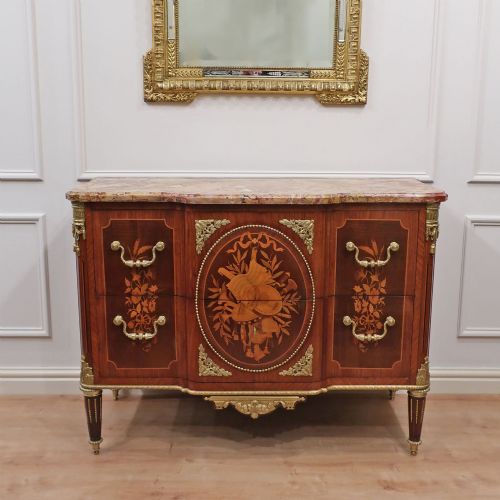
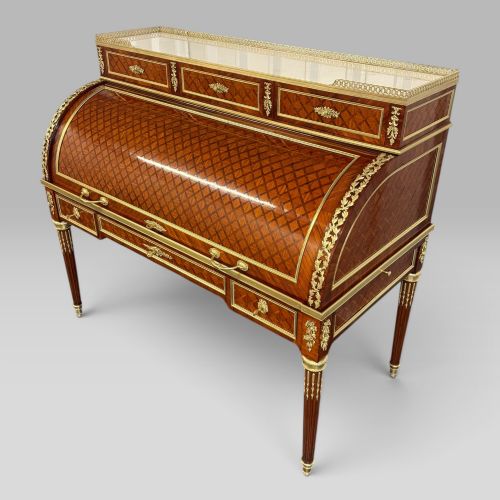
Construction relies on solid timbers such as mahogany, walnut, cherry, and oak forming carcases that receive intricate marquetry, parquetry, and inlaid wood patterns. Cabinetmakers shaped kingwood and satinwood veneers over these frames, securing decorative stability.
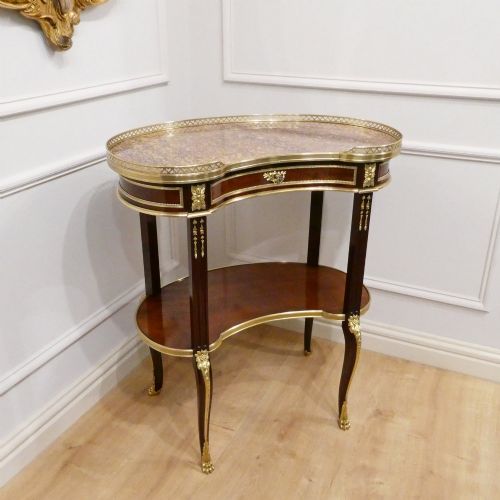
Ornate cast ormolu and gilt-bronze mounts punctuate corners, aprons, and handles, paired frequently with shaped marble tops in shades of rouge and white.
Listings feature items spanning the eighteenth century through to the 1930s, including revival pieces from the Victorian era.
What varies in quality
Quality separates through the precision of the cabinetmaker's joinery and the crispness of the cast ormolu mounts, where hand-chasing delivers sharp detail rather than soft definition. Marquetry work demonstrates mastery through tight grain matching and varied timber tones.
The choice of materials dictates the tier of the piece, moving from simple oak or cherry carcases up to finely figured kingwood veneers accompanied by heavy, fire-gilt bronze mounts and thick slab marble tops.
Maison Millet·H. J. Hatfield & Sons·Henry Dasson·Antoine Lampre·Tehan·Blake
The Louis XVI Furniture Glossary
- Ormolu
- Gilt bronze applied as decorative mounts to furniture carcases. This technique involves gilding a mercury and gold amalgam onto bronze.
- Commode
- A low chest of drawers, frequently fitted with a marble top. These storage pieces form the backbone of neoclassical case furniture.
- Marquetry
- Inlaid wood veneers arranged to form pictorial or geometric patterns across drawer fronts and tabletops. Craftsmen select contrasting timbers to achieve tonal depth.
- Parquetry
- Geometric wood inlay forming repeating patterns such as cubes or chequers. It differs from marquetry through its strict reliance on regular angles.
- Bonheur du jour
- A small light lady's writing desk featuring a tiered superstructure with shelves or small drawers above the main writing surface.
Louis XVI Furniture: Frequently Asked Questions
How do I spot a revival piece?
Revival pieces dating from the nineteenth and early twentieth centuries often employ machine-cut veneers and standard historical hardware patterns alongside older timber stocks. Makers of this era reproduced neoclassical proportions with technical proficiency.
Examining internal carcase timbers, backboards, and drawer linings reveals construction methods specific to later workshops rather than eighteenth-century joinery.
What woods were used?
Cabinetmakers utilised mahogany, walnut, kingwood, cherry, and satinwood for structural carcases and decorative veneer surfaces. Oak and softwood typically formed internal drawer linings and secondary framing.
Exotic timbers were selected specifically for their grain patterns and colour variations to create geometric parquetry or floral marquetry designs.
Are marble tops original?
Marble tops on commodes and side tables are frequently original to the piece, cut to fit the exact profile of the carcase. Rouge and white marble slabs were standard fixtures for high-end neoclassical furniture.
Replacement marble tops usually show slight discrepancies in edge bevelling, thickness, or minor variations in footprint alignment against the wooden frame.
How do I care for marble?
Marble surfaces require regular dusting with a soft, dry cloth to prevent abrasion from grit and environmental debris. Avoid acidic cleaners, citrus, and vinegar, which etch polished stone surfaces instantly.
Applying a neutral stone wax periodically helps protect the porous surface from staining while maintaining a soft, historical sheen.