


Louis XV Style Doors
Louis xv style doors bring architectural flair to an interior, offering carved panels and rich timbers inherited from centuries of French cabinetmaking.
Louis XV Style Doors
When searching for louis xv style doors, buyers encounter architectural elements and cabinet doors drawn from armoires, vitrines, and standalone pairs dating from the eighteenth century to the twentieth century. These pieces emerge in styles including French Provincial, Louis XV Revival, and French Rococo.
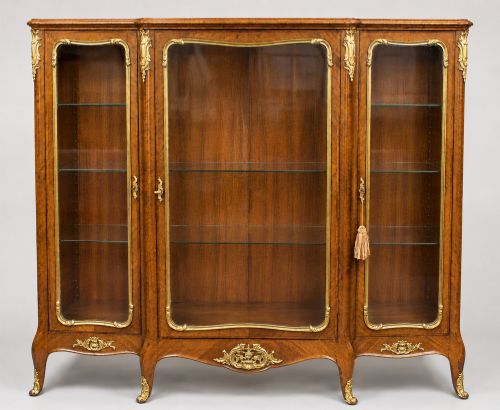
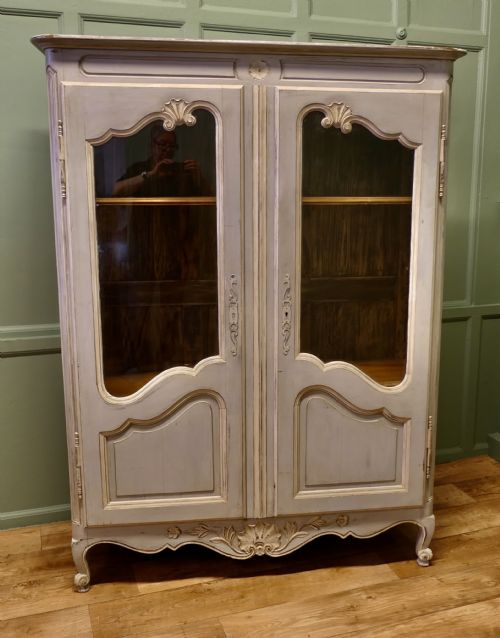
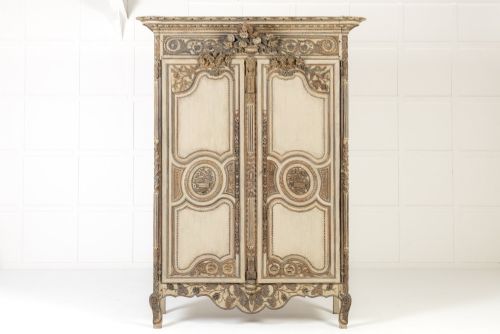
The selection ranges from standalone pairs of carved wooden doors to double and triple door cupboards, side cabinets, and bookcases with mesh or glass panels. Walnut, oak, kingwood, and cherrywood form the primary timbers of these constructions.
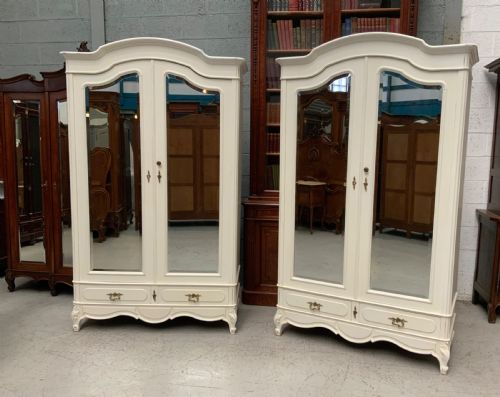
Nineteenth century revivals dominate the offerings alongside twentieth century examples from nineteen ten, nineteen twenty, and nineteen thirty. Pieces appear in painted finishes, bleached oak, and figured walnut variants.
Materials and Construction Techniques
Cabinetmakers utilised solid timbers such as walnut, oak, and cherrywood alongside decorative veneers including kingwood and burr walnut. Panels display hand carving, marquetry, and parquetry work.
Structural integrity relies on traditional joinery methods suited to large armoires, double door cupboards, and architectural pairs of doors built across the nineteenth and twentieth centuries.
Evaluating Quality and Craftsmanship
Quality reveals itself in the depth and precision of the hand carving on the timber panels, where crisp execution distinguishes superior examples from simpler production. The selection of veneers, such as figured walnut and kingwood, dictates the visual richness of the surface.
The integration of metalwork, including chased ormolu mounts and brass fittings, marks the distinction between standard hardware and exhibition grade execution. Structural substance in the underlying oak, walnut, or cherrywood ensures longevity in large armoires and double door formats.
Linke
The Louis XV Style Doors Glossary
- Ormolu
- Gilded bronze mounts applied to furniture for decorative effect. These cast metal details accent the corners and panels of cabinets and armoires.
- Kingwood
- A dense, richly figured exotic timber utilised for veneering fine cabinets and vitrines. Its dark contrasting grain patterns define nineteenth century luxury pieces.
- Marquetry
- The art of creating decorative patterns on furniture using thin pieces of wood veneer. Artisans arrange various timber tones to form pictorial or geometric designs.
- Parquetry
- Geometric wood mosaic work used for cabinet surfaces and tabletops. This technique creates repeating patterns like squares and chevrons.
- Vitrine
- A glass display cabinet designed to showcase porcelain and objets d'art. These pieces often incorporate mesh or glass doors within a wooden frame.
Louis XV Style Doors: Frequently Asked Questions
What periods do these doors come from?
The selection spans from eighteenth century originals to nineteenth century revivals and twentieth century pieces up to nineteen thirty. Nineteenth century examples make up a significant portion of the available items.
Craftsmanship evolved across these eras, moving from eighteenth century hand carved walnut into nineteenth century ormolu mounted kingwood and later twentieth century bleached oak finishes.
What timbers should I look for?
Walnut and oak appear frequently across both provincial and revival pieces. Kingwood and burr walnut are utilised on higher end decorative cabinets and vitrines.
Cherrywood and painted finishes also occur, particularly in French Provincial and mid nineteenth century examples.
How do I distinguish revival pieces from eighteenth century originals?
Eighteenth century pieces display the natural wear, patination, and timber construction methods of their period. Nineteenth and twentieth century revivals often incorporate machine assistance alongside hand carved details.
Stylistic markers like French Rococo Revival or Victorian French Revival point directly to nineteenth century reinterpretations rather than original eighteenth century manufacture.