


Louis XV Style Bookcase
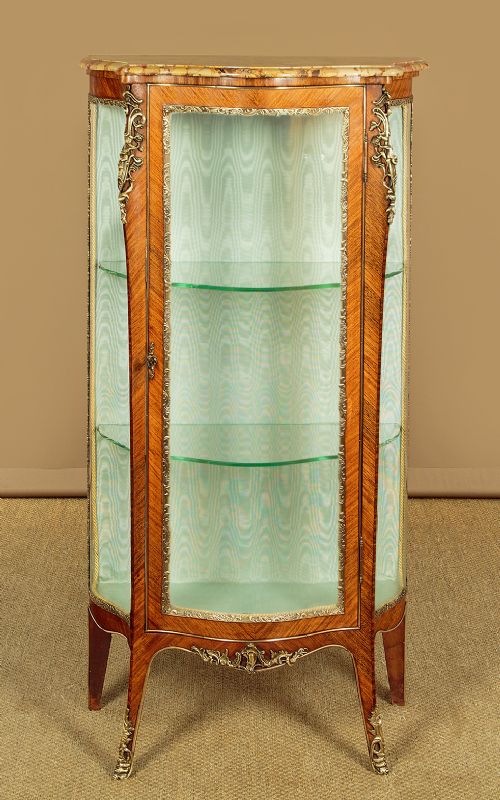
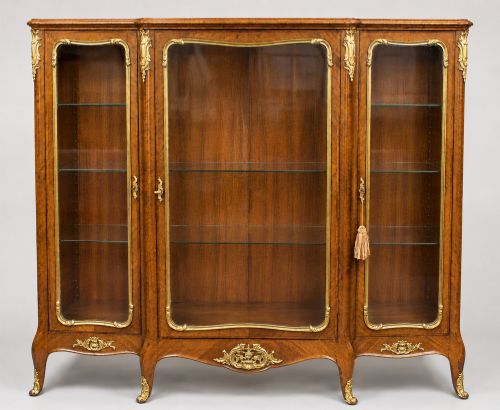
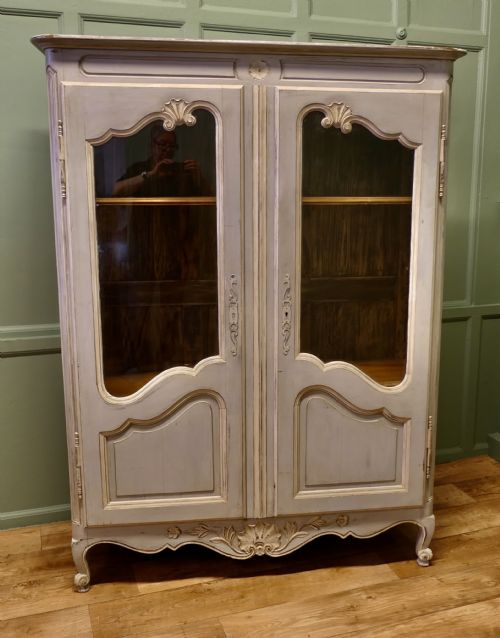
A louis xv style bookcase brings curved rococo lines and fine ormolu mounts to your room, holding your volumes behind glazed or open shelves.
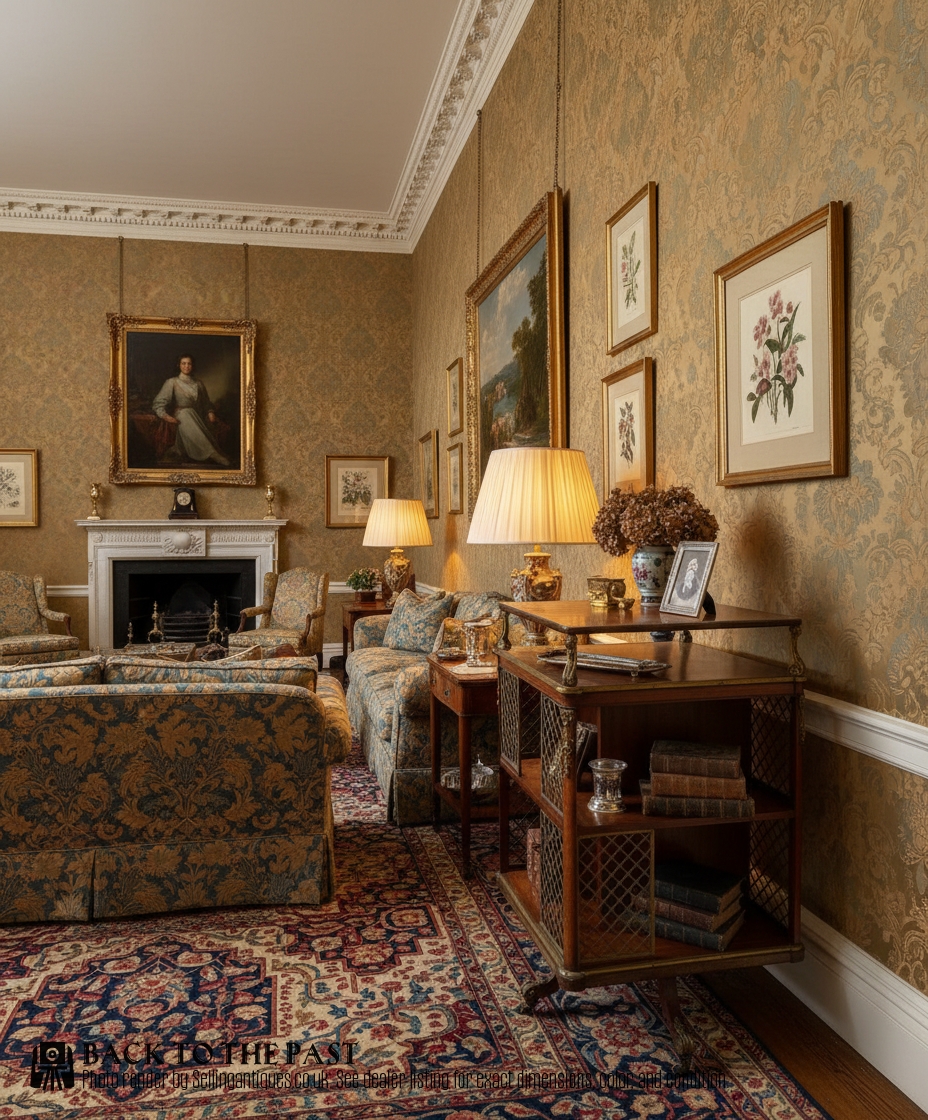
Louis XV Style Bookcase
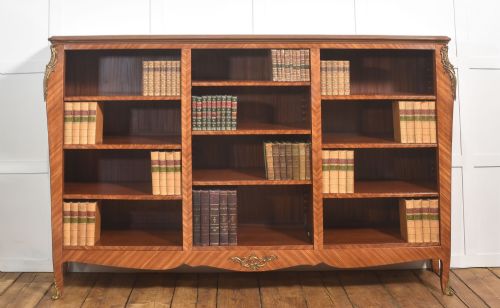
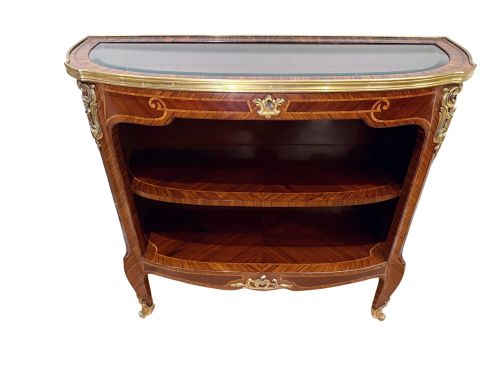
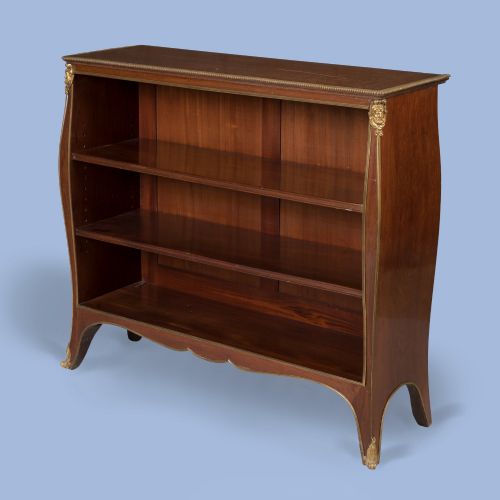
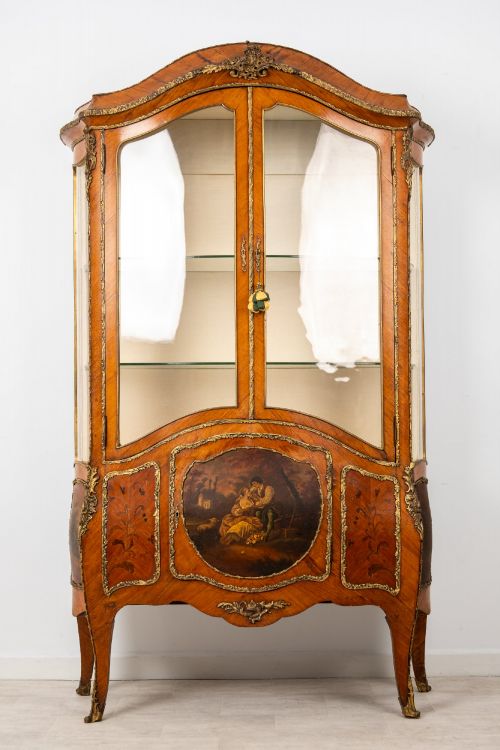
When you search for a louis xv style bookcase, you encounter pieces primarily from the nineteenth century alongside later twentieth-century interpretations. These items span open bookshelves, glass-fronted vitrines, and combination display cabinets with serpentine fronts.
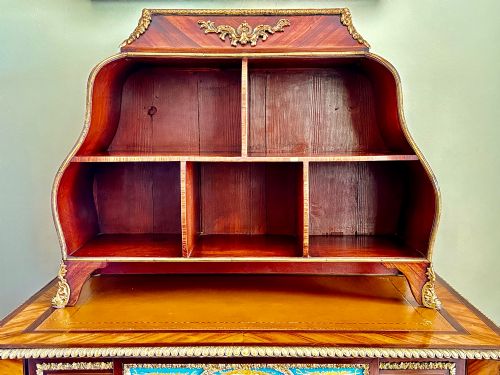
The form draws on eighteenth-century French rococo aesthetics, manifesting as freestanding library furniture or smaller desktop cartonnier units. Most examples on this page utilise classic French revival proportions, often featuring glazed sides and shaped wooden shelving.
What varies in quality
The refinement of the cast ormolu mounts dictates much of the visual success of the piece, separating crisp, hand-chiseled bronze details from softer, later machine castings. Timber selection also plays a major role, with figured kingwood veneers and burr walnut showing superior depth compared to plain secondary woods.
Joinery execution within the drawer linings and door frames reveals the workshop standard, alongside the grace of the serpentine or bombe curves. Pieces attributed to documented makers demonstrate greater attention to internal detailing and structural longevity.
Listings feature items built across the nineteenth and twentieth centuries, incorporating materials like kingwood, mahogany, walnut, and marble.
Paul Sormani·Linke
The Louis XV Style Bookcase Glossary
- Ormolu
- Gilt-bronze ornamentation applied to furniture mounts. This technique involves amalgamating gold and mercury onto a bronze base.
- Vitrine
- A glass-fronted display cabinet designed for showing porcelain and books. These often feature glazed side panels to maximise light entry.
- Cartonnier
- A desktop cabinet fitted with compartments for papers and documents. Such pieces frequently incorporate leather labels and ormolu framing.
- Serpentine
- A furniture front curving inward centrally and outward at the sides. This fluid outline characterises rococo case furniture.
- Bombe
- A swollen, outwardly convex shape found on the lower portions of cabinets and commodes. It requires advanced veneering skill to follow the complex contours.
Louis XV Style Bookcase: Frequently Asked Questions
What is a louis xv style bookcase?
A louis xv style bookcase is a piece of furniture inspired by eighteenth-century French rococo design, featuring characteristic asymmetric curves, cabriole lines, and decorative metal mounts. These cabinets serve to house and display library collections within domestic interiors.
Most examples date from the nineteenth or early twentieth centuries, reflecting revival periods that favoured ornate French aesthetics. They combine practical shelving with decorative glass doors or open compartments.
How do I clean an ormolu mount?
Ormolu mounts require gentle dusting with a soft, dry brush to prevent the accumulation of dirt in the recessed cast details. Avoid harsh metal polishes, which can strip the original fire-gilt finish from the bronze surface.
Professional conservation cleaning may be necessary if tarnish obscures the underlying gold layer. Maintaining a stable room humidity helps protect both the metalwork and the surrounding wood veneer.
Where should I place a vitrine bookcase?
A vitrine bookcase performs best away from direct sunlight to protect book bindings and wood veneers from fading and thermal movement. Placing the cabinet against an interior wall ensures structural stability and guards against dampness.
Sufficient clearance should be allowed for doors to open fully, particularly on serpentine or bombe forms where the silhouette projects outwards. Adequate ambient lighting enhances the glazed side panels and internal displays.
How do I distinguish 19th-century revival pieces?
Nineteenth-century revival pieces often display hand-cut dovetails, oak secondary timbers, and heavier cast ormolu mounts compared to later twentieth-century iterations. Examining the interior construction and the wear patterns on the base reveals the age of the woodwork.
Stylistic cues such as vernis martin painted panels or specific veneer choices align with nineteenth-century French cabinetmaking trends. Maker stamps or signatures, when present, provide definitive attribution to specific workshops.