

Antique Open Book Shelf
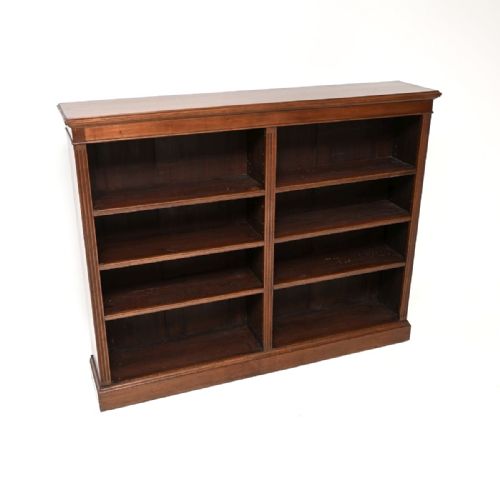
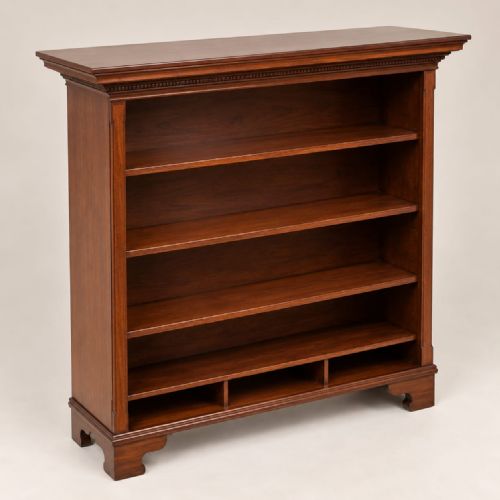
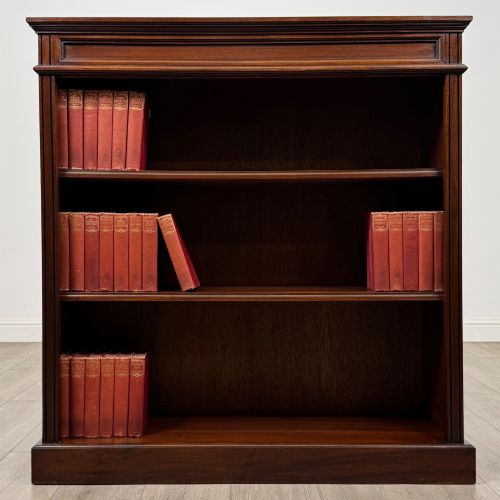
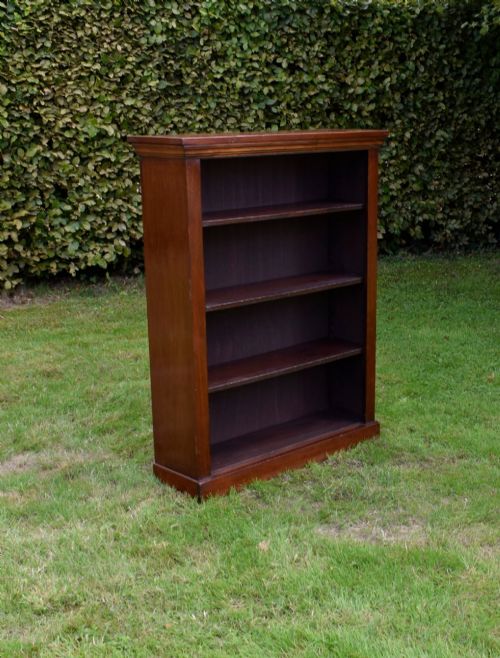
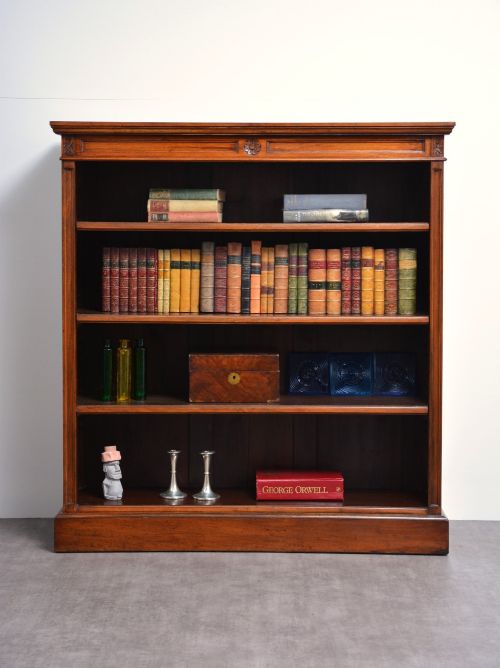
An antique open book shelf brings books and display pieces together in timber, offering straightforward storage with period presence.
Antique Open Book Shelf
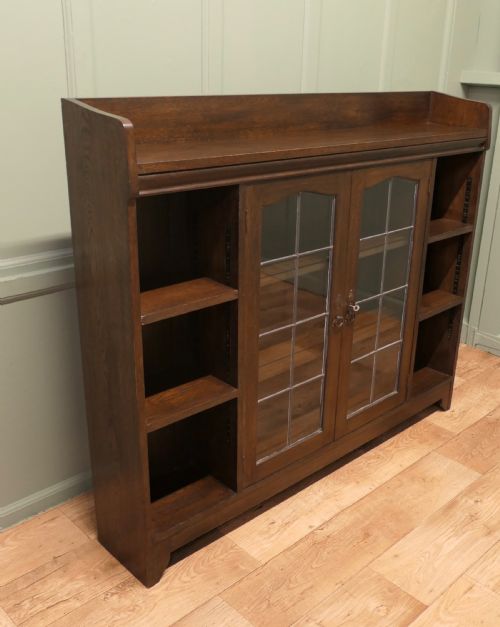
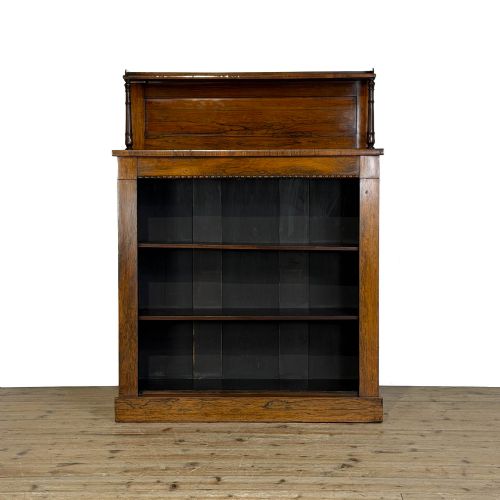
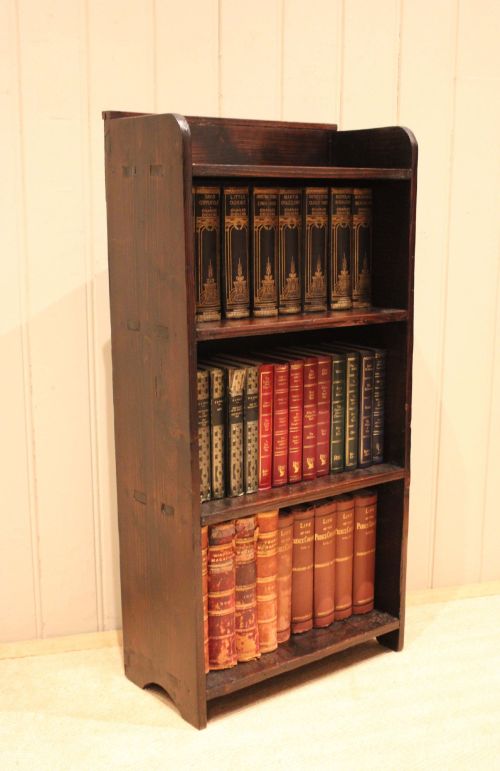
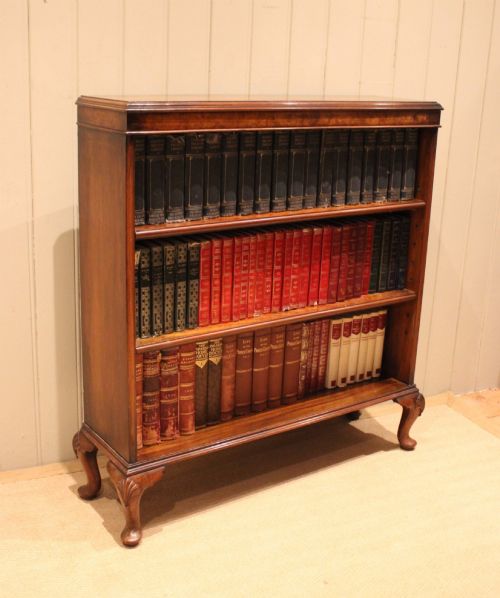
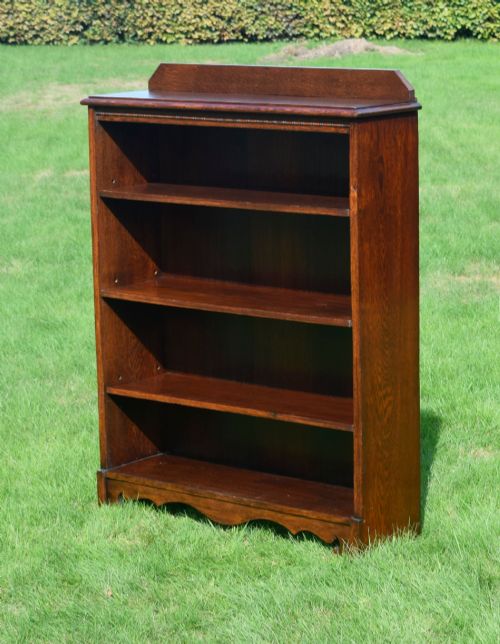
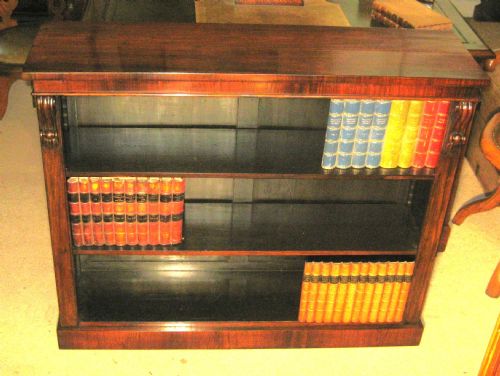
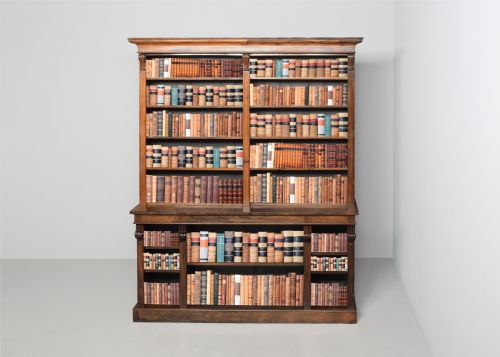
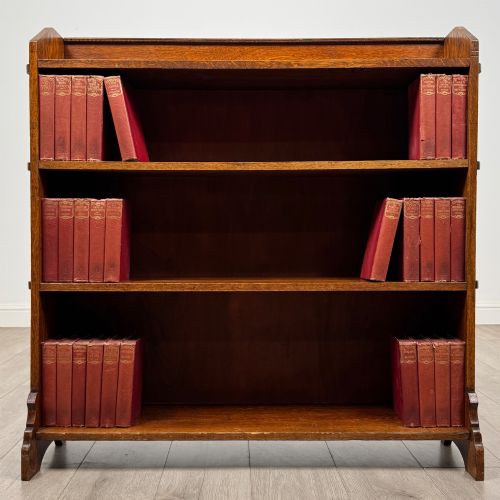
An antique open book shelf sits in rooms as a low, freestanding or tall bookcase designed without glazed doors, giving direct access to volumes and display objects. Buyers seeking this form find examples spanning the Regency, Victorian, Edwardian and later periods up to 1930, built primarily in oak, mahogany and walnut.
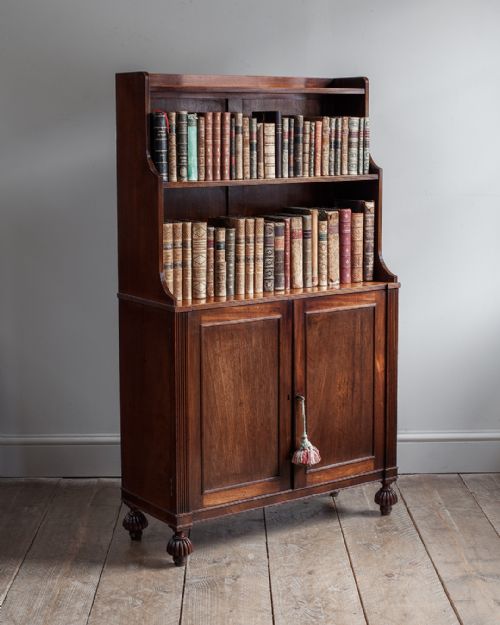
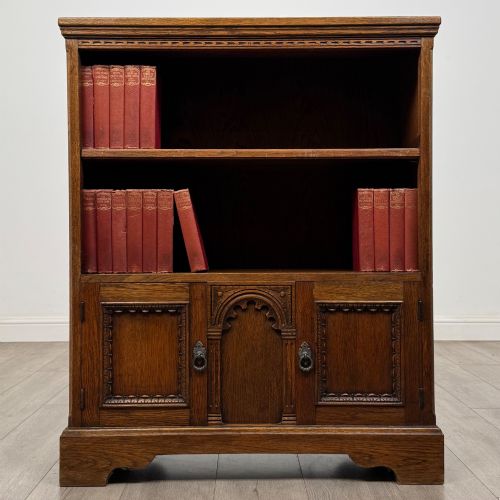
The varieties on this page range from compact Edwardian golden oak pieces and rustic pine numbers to substantial Victorian breakfront walnut bookcases and Regency mahogany waterfall designs. Alongside standard bookcases, related forms include whatnots, etageres, wall shelves and book tables.
Makers and workshops of the nineteenth and early twentieth centuries constructed these pieces to serve libraries, studies and parlours, incorporating adjustable shelves, carved details, beaded edges and tiered tiers. The selection reflects domestic utility across several decades of British and European cabinet making.
Assessing quality and finish
Quality rests in the selection of timber, such as burr walnut veneers or figured mahogany, and the precision of the joinery governing the adjustable shelving mechanisms. Finer examples display crisp carving, balanced proportions, and integrated architectural mouldings rather than plain or utilitarian carcases.
The integrity of the timber finish, depth of polished patina, and retention of original backs and shelves distinguish workshop pieces meant for formal libraries from simpler domestic furniture.
Recorded forms range from tall library bookcases and narrow pine shelves to tiered waterfall designs and wall-hung whatnot displays.
The Antique Open Book Shelf Glossary
- Waterfall bookcase
- A tiered shelving unit where each successive shelf steps back from the one below it, creating a cascading profile often seen in Regency and Victorian mahogany.
- Breakfront
- A cabinet or bookcase whose central section projects forward from the flanking sections, creating architectural depth.
- Whatnot
- A piece of freestanding furniture composed of multiple open shelves supported by slender pillars or columns, used for displaying books and ornaments.
- Adjustable shelves
- Shelving supported by moveable pins, ratchets or brass tracks allowing variable vertical spacing between tiers.
- Jacobean Revival
- A nineteenth-century style mimicking seventeenth-century English joinery, characterised by heavy oak construction, geometric moulding and deep carving.
Antique Open Book Shelf: Frequently Asked Questions
How do I style an open bookshelf?
Arrange books vertically and horizontally alongside small decorative objects, ceramics or framed pictures to break up solid rows of text.
Keep heavier volumes on lower tiers to ground the piece visually and maintain physical stability.
Are these shelves strong enough for heavy books?
Period hardwood shelves constructed from thick oak or mahogany handle substantial weight, though long spans can sag over decades.
Check whether shelves are adjustable or fixed, and redistribute very heavy volumes if timber begins to bow.
How do I identify a Victorian bookcase?
Victorian pieces frequently feature dark timbers like mahogany and walnut, deep polished patinas, and sometimes elaborate carved oak ornamentation or adjustable shelving systems.
Look for construction details such as hand-cut dovetails and timber backs to confirm period origin.
Where should I place an open bookcase?
Position the piece against an interior wall away from direct sunlight and heat sources to prevent the timber from drying out, warping or splitting.
Ensure adequate clearance for freestanding or wall-mounted formats depending on the structural design.