
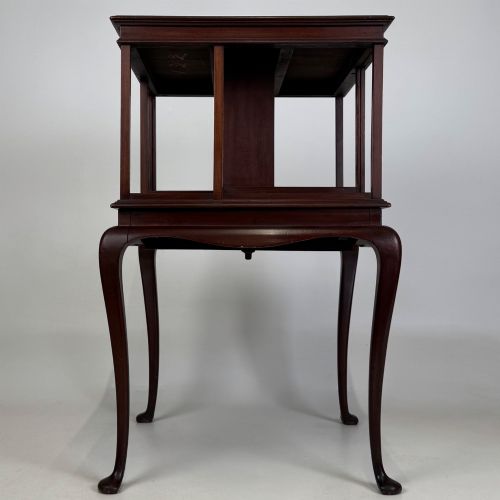
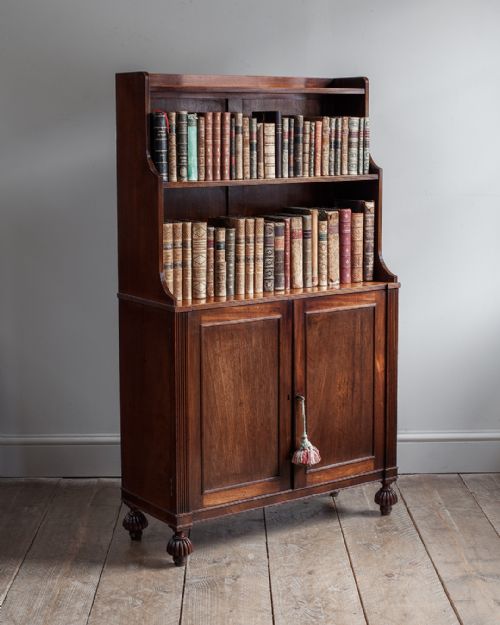
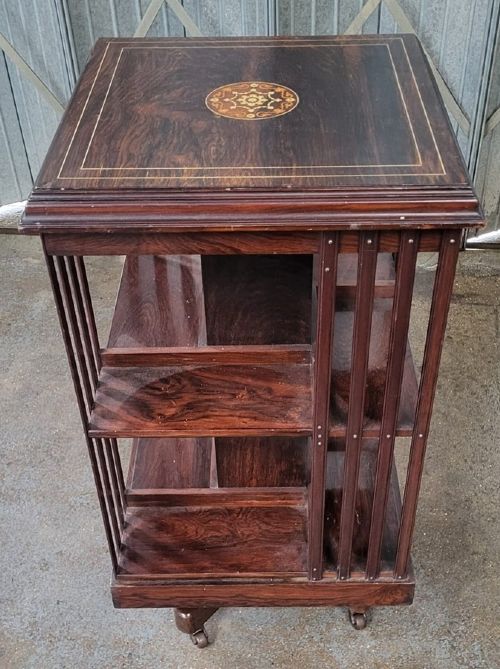
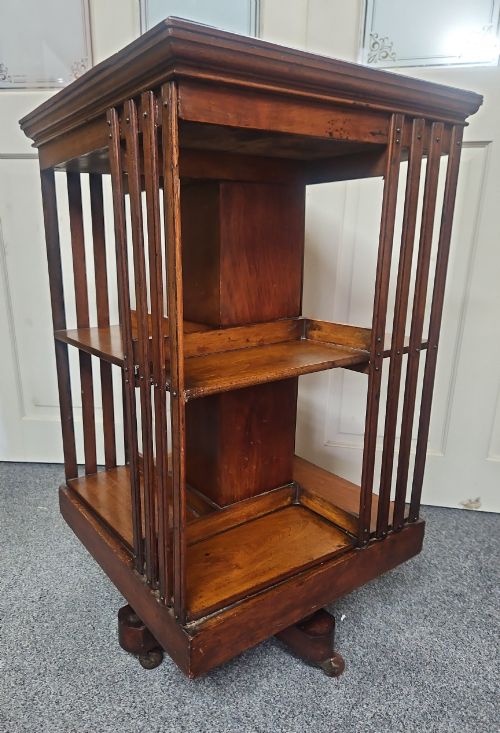
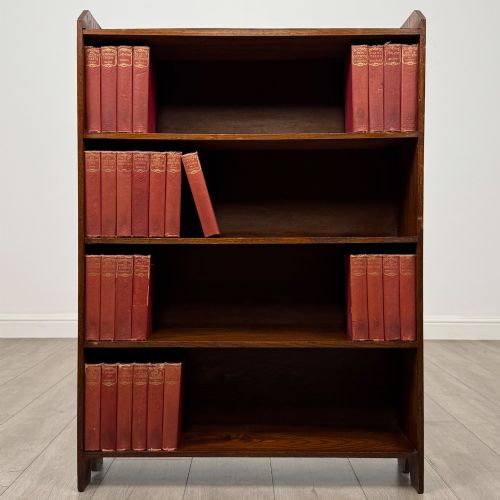
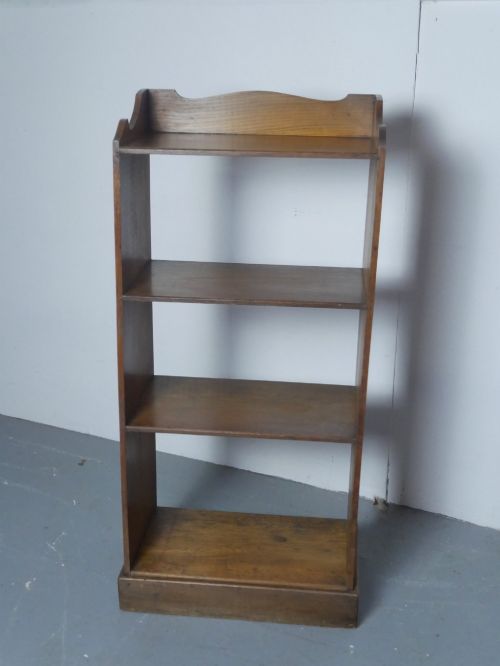
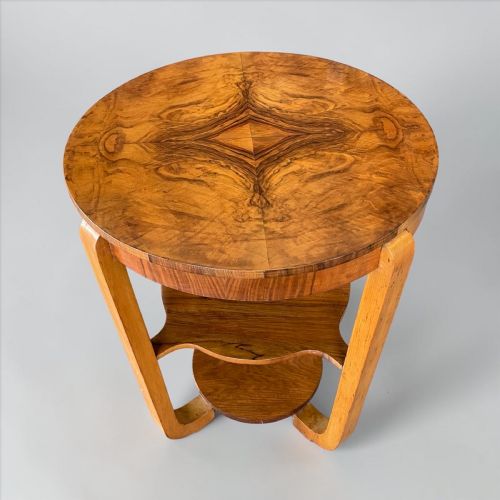
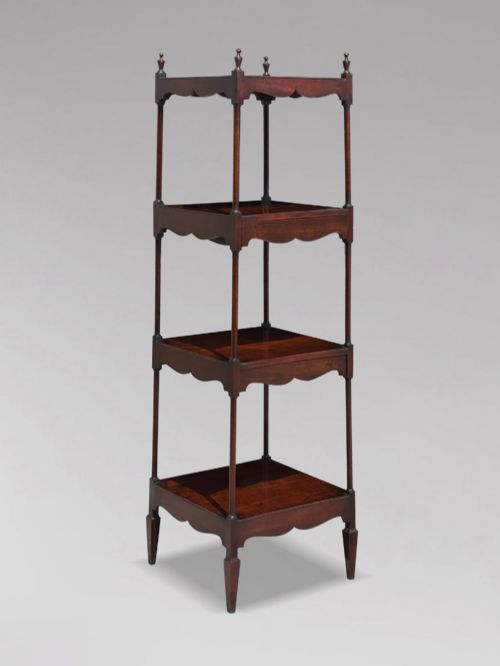
Tier Book Stand
A tier book stand brings multiple levels of surface space into a room, holding books and display items close at hand.
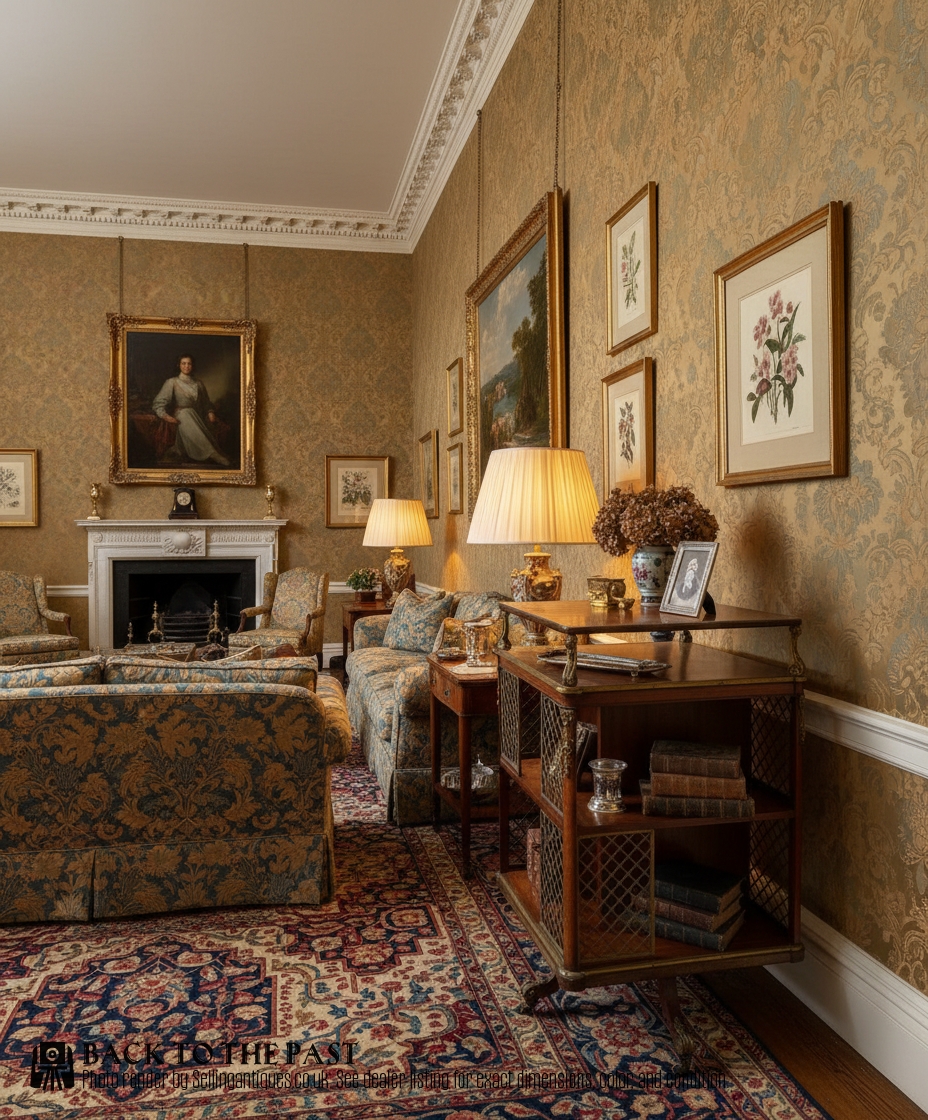
Tier Book Stand
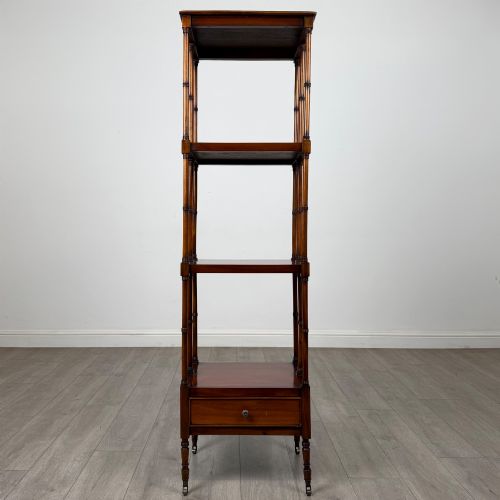
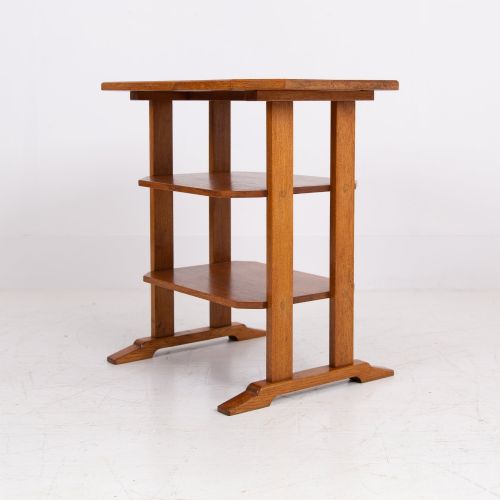
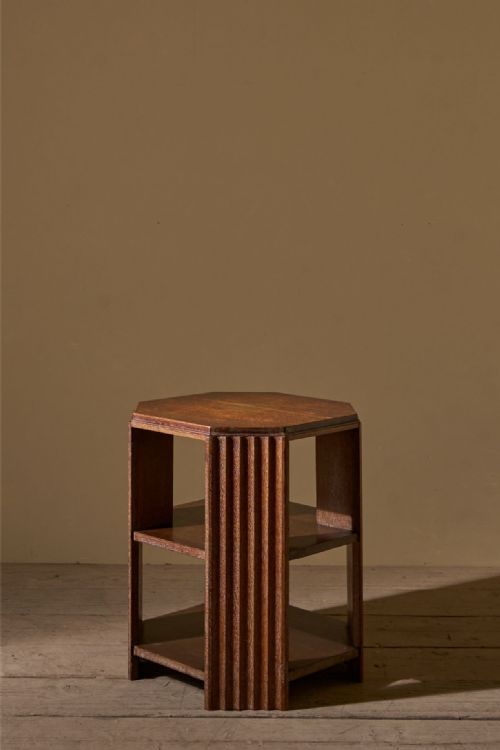
A tier book stand provides graduated open shelving for volumes, magazines, and decorative objects across several horizontal planes. When you search for a tier book stand, you encounter multifaceted pieces that function as bookcases, whatnot stands, and occasional tables with multiple levels. These multi-level pieces allow readers to keep frequently used texts visible and accessible.
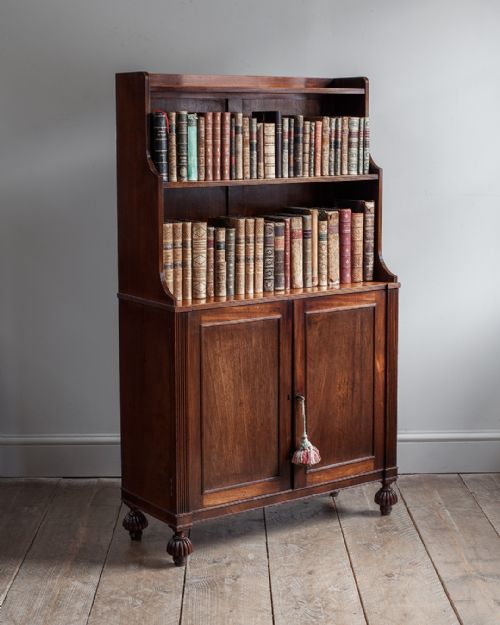
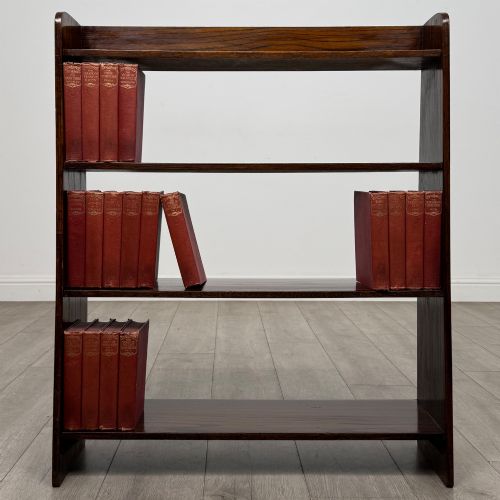
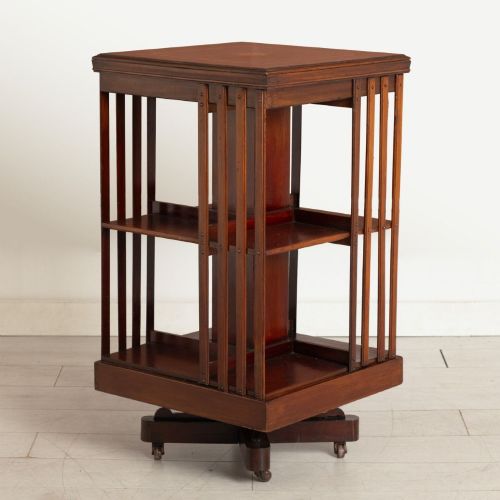
The pieces appearing on this page span the Edwardian period, the nineteenth century, and the early twentieth century. Common forms include revolving bookcases, waterfall bookcases, open bookcases, and stacked étagères. Mahogany and oak dominate the selection, alongside rosewood, walnut, and cast iron supports.
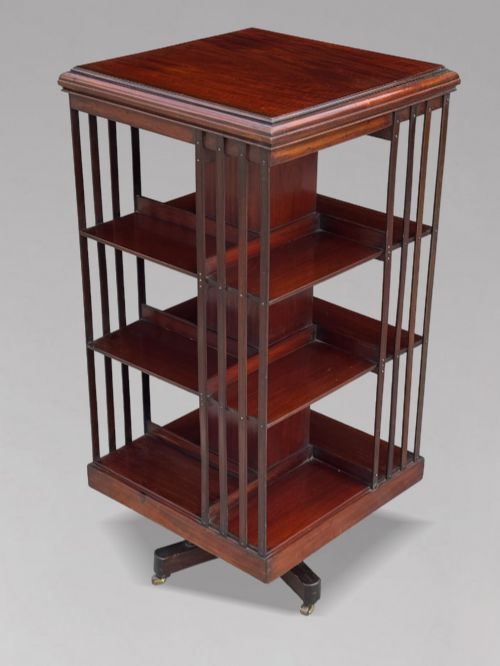
Edwardian mahogany revolving models and Victorian multi-tier formats represent the versions most frequently met in these listings. Many incorporate brass castors, inlaid details, or graduated shelves designed to fit neatly into corners or beside seating. Their utility lies in maximising vertical storage within minimal floor footprints.
How they were made
Cabinet makers built tier book stands using dense hardwoods such as mahogany, oak, and rosewood to support the weight of stacked volumes. Timber selection dictated both the visual weight and structural integrity of each shelf level, with quarter-sawn oak and flame mahogany favoured for prominent display surfaces.
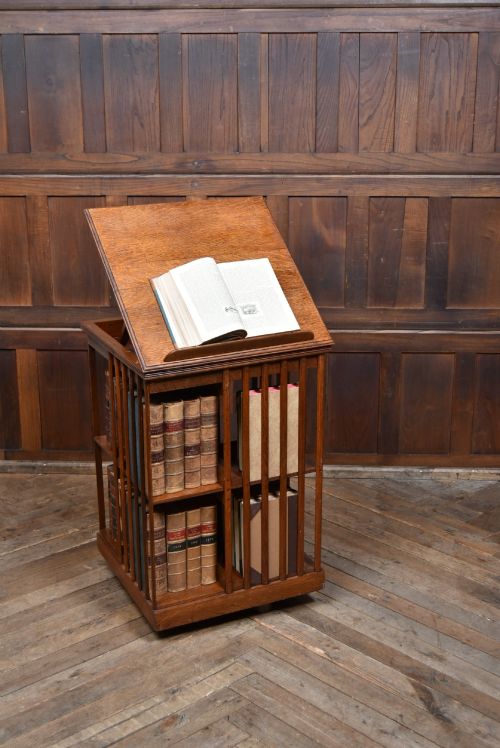
Joinery techniques relied on sturdy framing, dovetail joints, and turned wooden or brass columns to secure each tier. Revolving versions utilised internal wooden or metal mechanisms that allowed the entire bookcase to turn smoothly on a fixed base.
Decorative embellishments included string inlay, brass castors for mobility, and limed or polished finishes that highlighted the natural grain of the wood. Metal elements such as cast iron frames occasionally appeared in industrial or arts and crafts interpretations.
Listings feature woods spanning mahogany, oak, rosewood, walnut, and pitch pine, shaped into revolving bookcases, étagères, and waterfall formats.
What varies in quality
The distinction between standard examples and superior pieces rests on the choice of timber veneer, the precision of inlay work, and the stability of the tier supports. High-grade items utilise finely figured mahogany or rosewood with matched grain patterns across every shelf.
Revolving mechanisms separate ordinary stands from exceptional ones, as a top-tier example turns silently and evenly without listing to one side. The structural connection between vertical columns and horizontal shelves determines whether a stand remains rigid over decades of heavy book loading.
The Tier Book Stand Glossary
- Tier book stand
- A piece of furniture featuring multiple horizontal open shelves arranged vertically for holding books and display objects.
- Whatnot
- An open shelved piece of furniture designed for displaying ornaments or holding books across several tiers. These originated in the eighteenth century and remained popular through the Victorian era.
- Étagère
- A French term for a piece of furniture consisting of a set of open shelves for small objects or books. They often appear with slender supports and delicate proportions.
- Revolving bookcase
- A compact bookcase mounted on a concealed rotating base allowing access to books from all sides. They were widely produced in mahogany and oak during the Edwardian period.
- Waterfall bookcase
- A standing set of open shelves where each upper tier is recessed behind the one below it, creating a cascading silhouette.
Tier Book Stand: Frequently Asked Questions
What is a tier book stand?
A tier book stand is a multi-level open shelving unit designed to hold books, magazines, and display items within easy reach. These pieces utilise vertical space efficiently by stacking surfaces rather than expanding outward.
They appear in various forms, including revolving bookcases, tiered tables, and open shelf stands made from woods like mahogany and oak.
Where should I place one?
These stands suit tight spaces, corners, or positions beside armchairs and sofas where reading material accumulates. Because many versions offer access from multiple sides or feature graduated depths, they fit comfortably into living rooms and home libraries.
Revolving models work particularly well near seating areas where books need to be reached from different angles.
How do I identify an Edwardian model?
Edwardian tier stands often feature lighter mahogany timbers, delicate string inlay, and occasionally revolving mechanisms designed for domestic sitting rooms. They reflect the refined, practical aesthetic popular around the turn of the twentieth century.
Comparing the timber finish and hardware style against dated examples helps confirm the period of manufacture.
What woods were used?
Mahogany and oak are the primary timbers found across these listings, alongside rosewood and walnut in select nineteenth-century pieces. Cabinet makers chose these hardwoods for their strength and ability to hold rigid shelf tiers.
Secondary materials include brass castors, metal support columns, and occasional pitch pine.