

Louis XV Revival Table
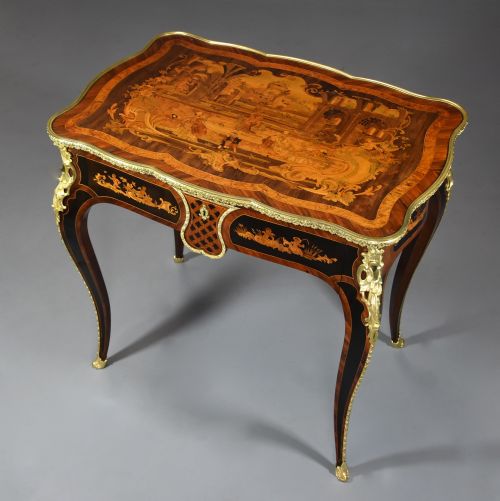
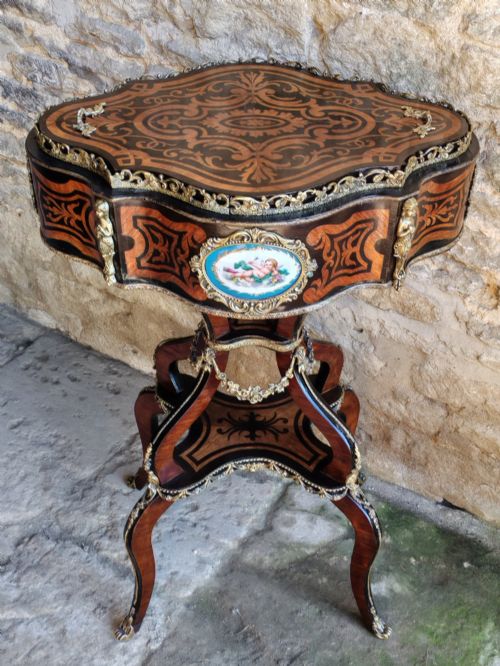
When you search for a louis xv revival table, you find ornate nineteenth-century furniture celebrating French rococo curves, intricate marquetry, and gilt bronze mounts.
Louis XV Revival Table
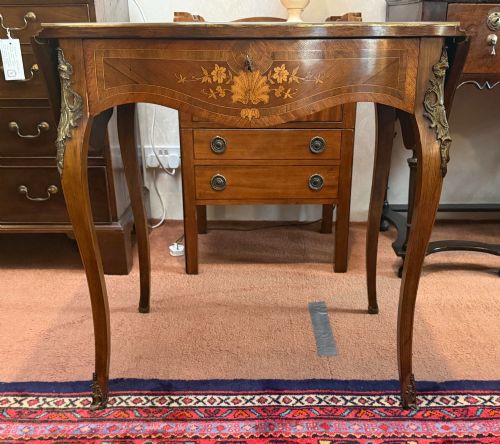
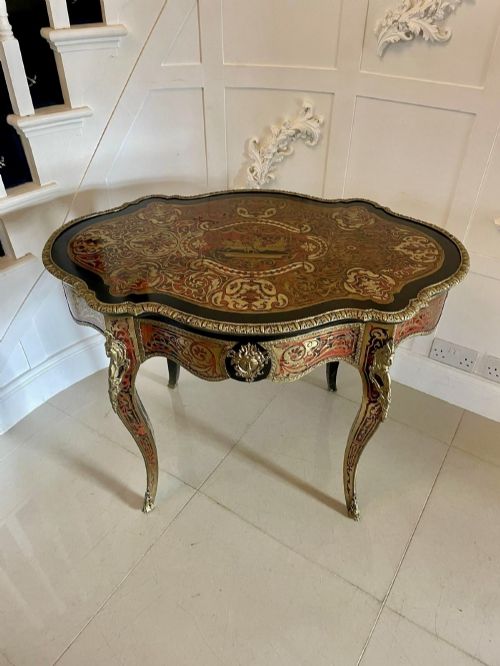
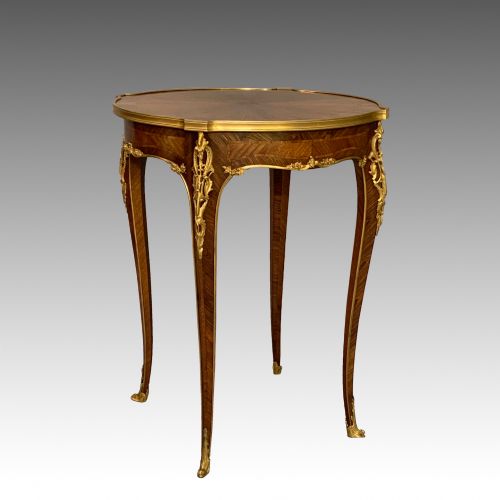
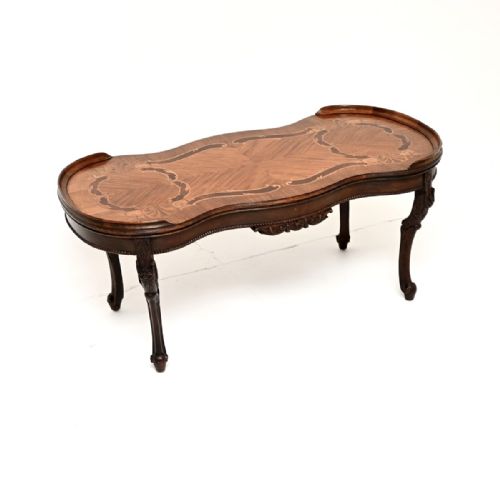
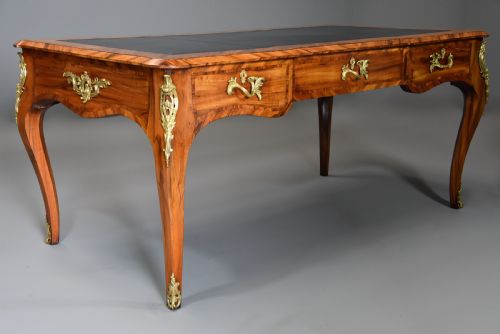
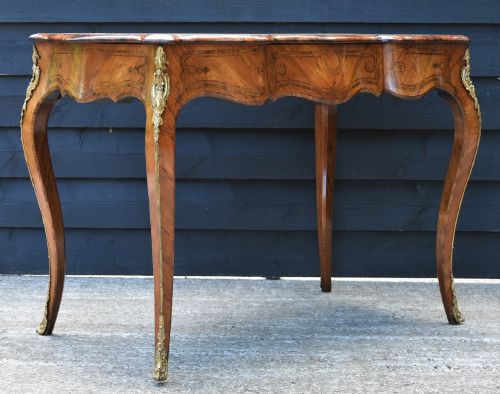
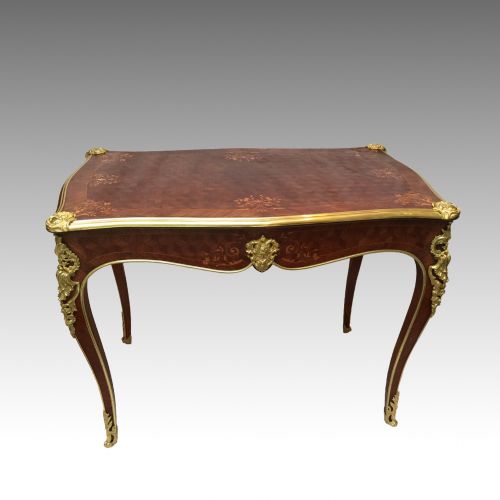
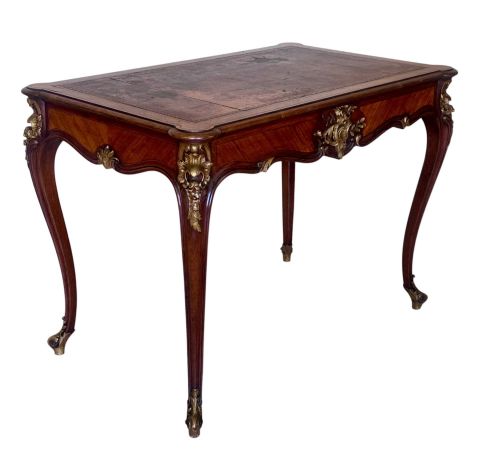
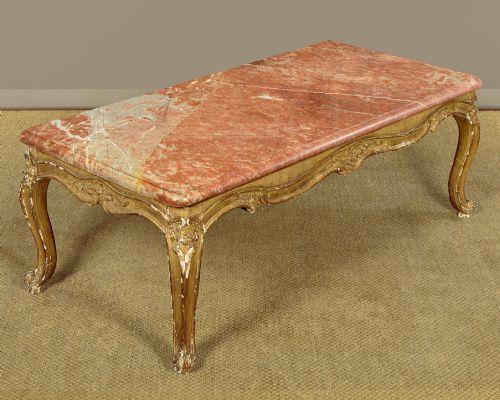
A louis xv revival table encompasses a variety of forms including side tables, console tables, writing desks, and card tables produced primarily during the nineteenth and early twentieth centuries. These pieces translate eighteenth-century French rococo aesthetics into domestic settings through serpentine lines and asymmetrical decoration.
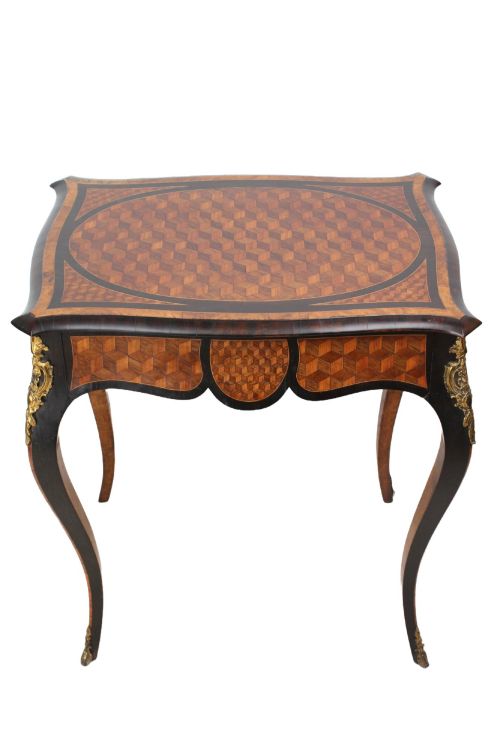
The most common examples encountered on this page are occasional tables and centre tables fashioned from rich timbers like kingwood, walnut, and rosewood. They often display inlaid parquetry or floral marquetry alongside cast metal mounts.
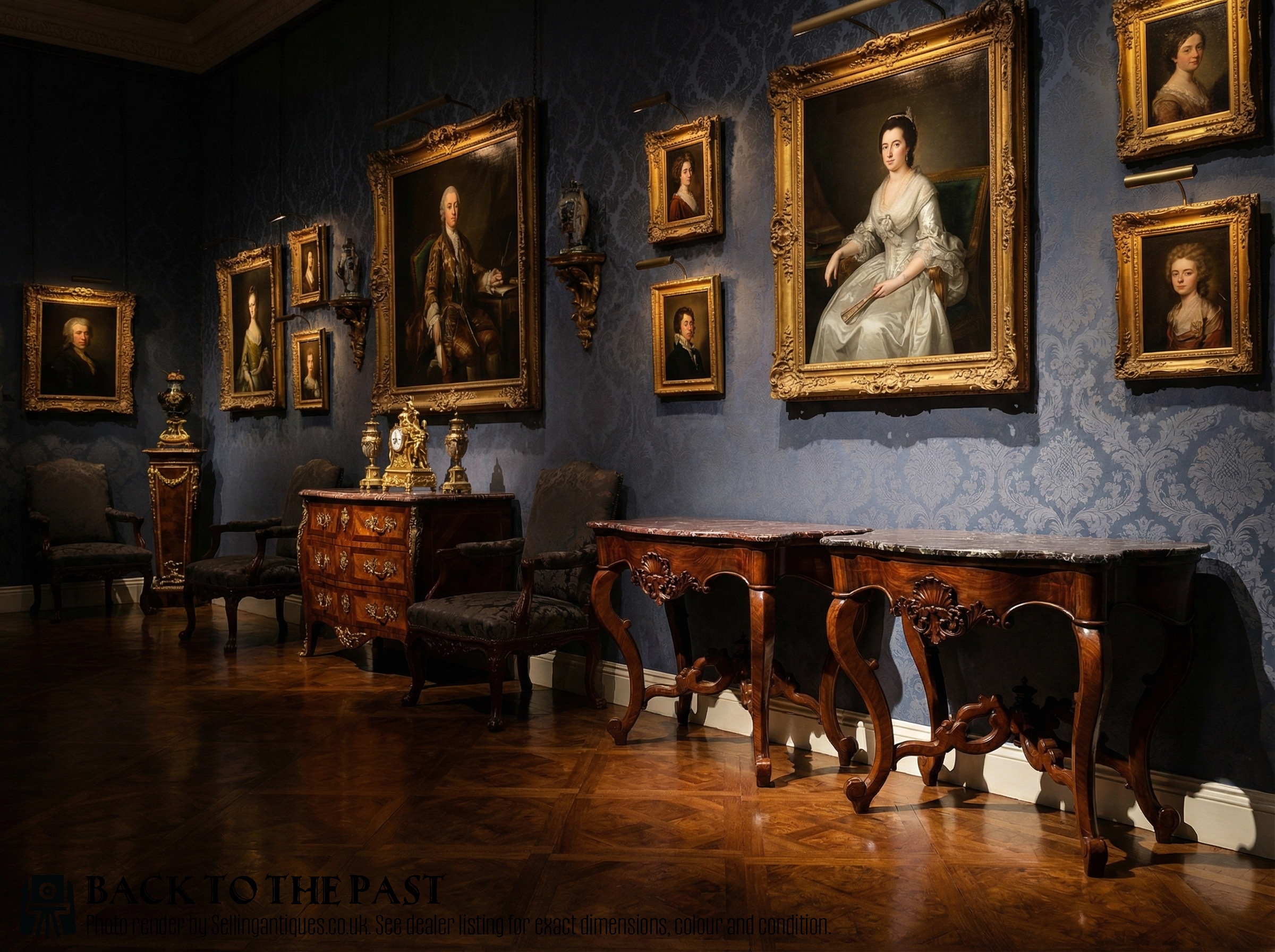
Originating largely from French workshops as well as English cabinetmakers adopting continental tastes, these items serve both decorative and functional roles in modern interiors. They bridge the gap between historic craftsmanship and practical surface space.

How They Were Made
Cabinetmakers constructed these tables using a hardwood carcase veneered in exotic timbers such as kingwood, satinwood, and rosewood, often enhanced by intricate parquetry or pictorial marquetry patterns. Walnut and mahogany also appear frequently as primary structural woods.
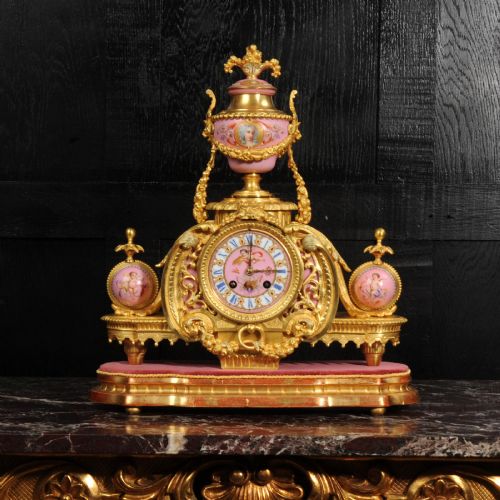
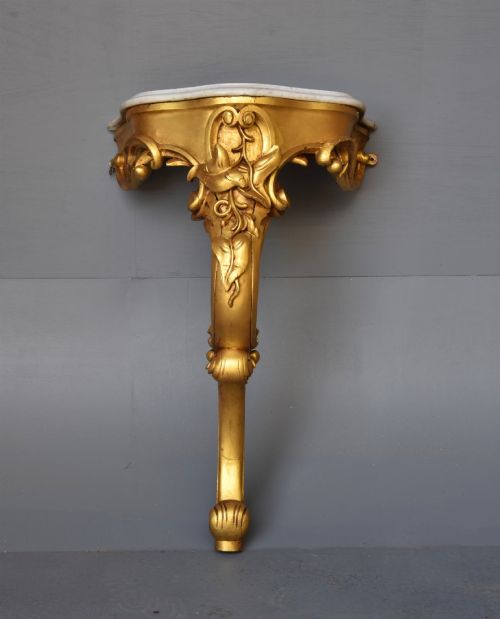
Decorative detailing relied heavily on cast or chased ormolu and gilt bronze mounts pinned to corners, legs, and aprons to accentuate the characteristic sweeping contours. Marble tops, frequently inset into console and coffee tables, provided heavy, cool surfaces above carved giltwood or polished wooden bases.
Louis XV Revival Table Retail Price Guide 2026
Typical asking prices for louis xv revival table among the pieces listed under this phrase on Sellingantiques today, from the lower quarter to the upper quarter. They describe what is for sale here now, not the wider market.
Listings feature items spanning the nineteenth and early twentieth centuries, dominated by walnut, kingwood, ormolu, and marble.
What Varies In Quality
The standard of a louis xv revival table rests on the crispness of the bronze or ormolu casting and the precision of the wood inlay. Superior examples display hand-chased mounts with sharp detail and seamless veneer work that follows the complex curves without lifting.
Structural integrity and timber selection further distinguish finer pieces from standard production. Heavier, denser woods, balanced proportions, and branded or attributed maker signatures elevate individual tables significantly.
JAS Shoolbred·Achille Brocot·Joseph-Emmanuel Zwiener·CH. Jeanselme Co·G T Morant·François Linke·Alphonse Tahan
The Louis XV Revival Table Glossary
- Ormolu
- Gilded bronze used for decorative mounts and accents on furniture and clocks. It provides a bright metallic contrast against dark exotic woods.
- Marquetry
- Inlaid wood veneers forming decorative pictures or geometric patterns. Craftsmen cut different coloured timbers together to create subtle shading.
- Parquetry
- Geometric wood inlay arranged in repetitive patterns like cubes or chequers. It creates a textured, decorative surface across table tops.
- Bureau Plat
- A flat-topped freestanding writing desk typically fitted with drawers. These desks showcase finished backs and elaborate mounts for central placement.
- Console Table
- A table designed to stand against a wall, often supported by ornate brackets or legs. They frequently feature heavy marble tops.
Louis XV Revival Table: Frequently Asked Questions
How do I clean an ormolu mount?
Dust gently with a soft, dry brush to prevent dirt accumulation in the crevices of the metalwork. Avoid using abrasive commercial polishes that can strip the original gilding.
For stubborn grime, apply a damp cloth with mild soap, then dry immediately. Protect the surrounding wood veneer from excess moisture during cleaning.
Are these tables sturdy enough for daily use?
Most occasional and writing tables function well for holding lamps, books, or writing materials under normal conditions. Their delicate cabriole legs and intricate mounts require careful handling.
Heavier items like marble-topped console tables offer more stability but should remain positioned against walls. Avoid dragging any table across unlevel flooring to protect the joints.
How can I tell a nineteenth-century piece from a later copy?
Examine the timber shrinkage, hand-cut dovetails in the drawers, and the method of casting used for the bronze mounts. Nineteenth-century examples often exhibit natural wear patterns and older patination on the wood.
Later reproductions may show machine-tool marks or uniform modern fixings. Maker stamps and attribution details also help confirm the production era.