
Louis XV Mirror
When you handle a louis xv mirror, you are dealing with fluid asymmetry and organic curves that define French rococo design.
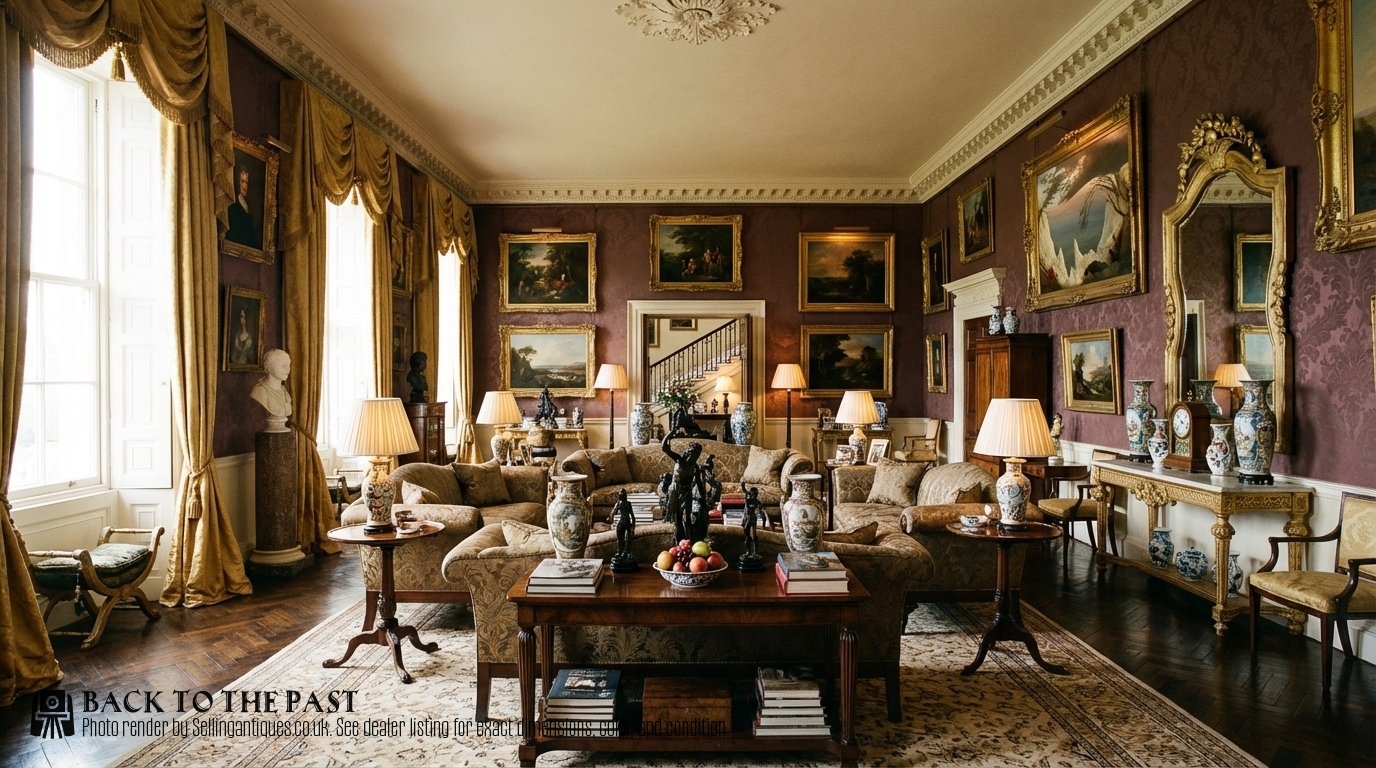
Louis XV Mirror
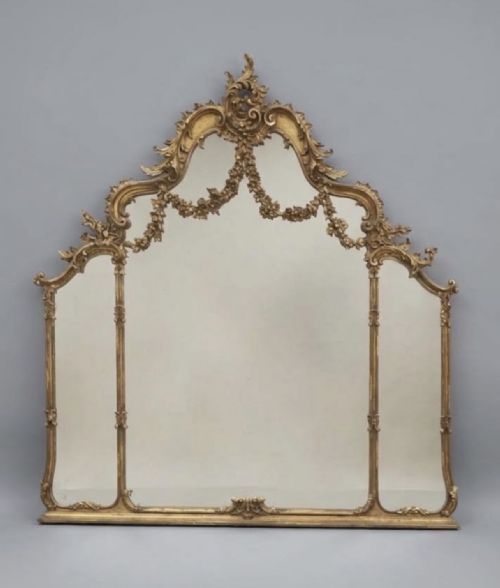
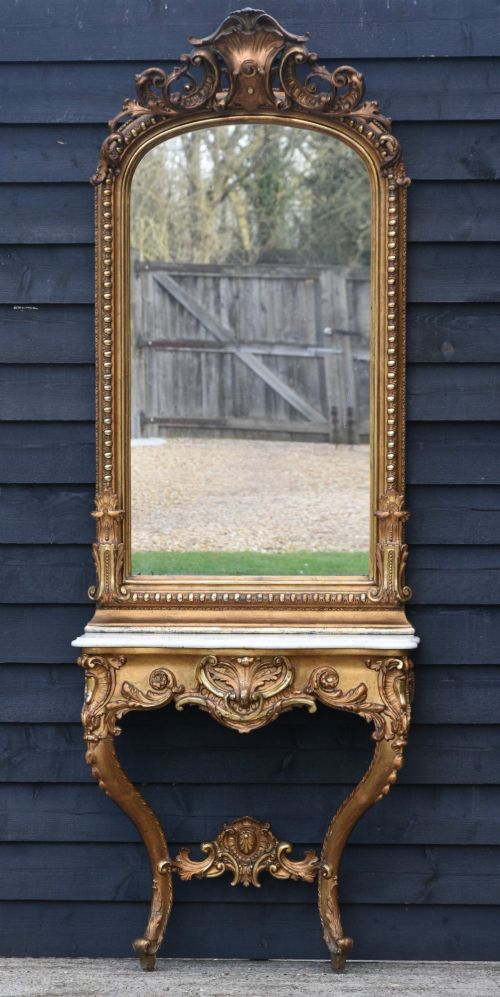
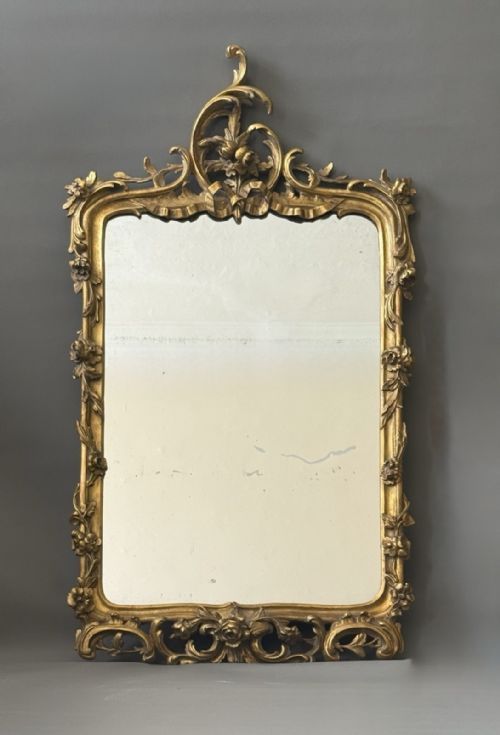
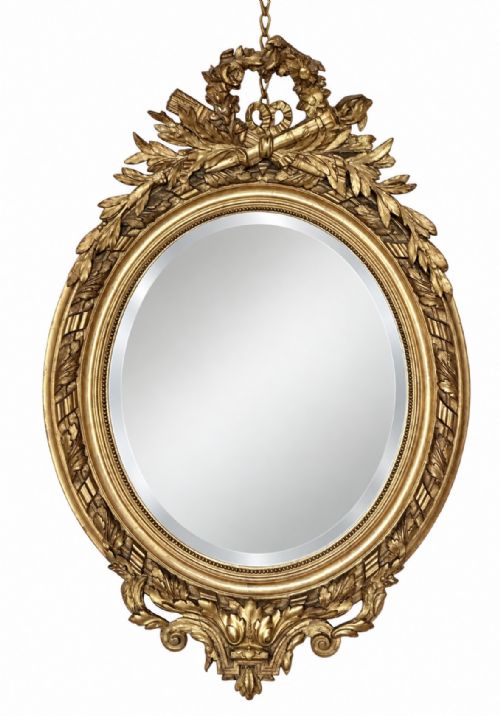
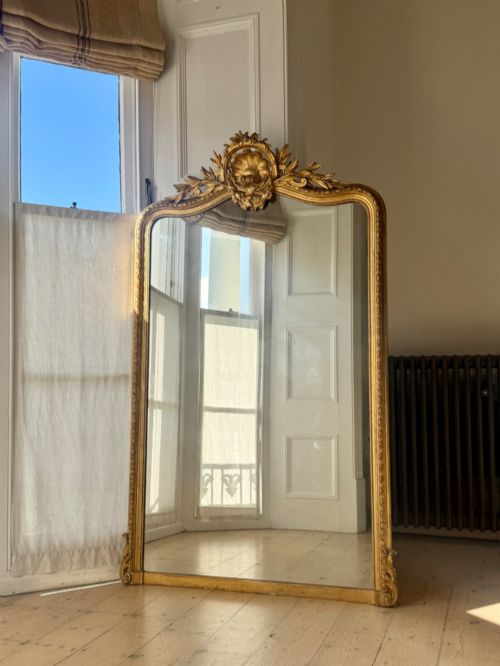
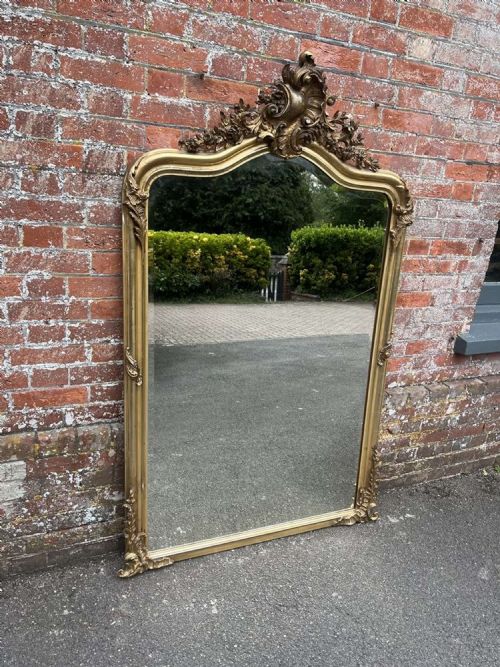
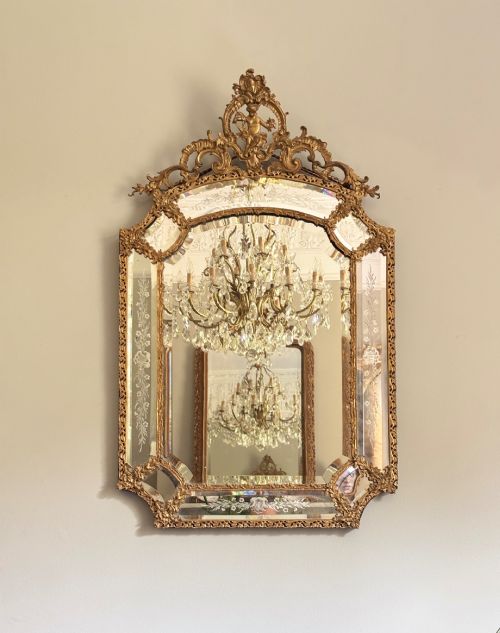
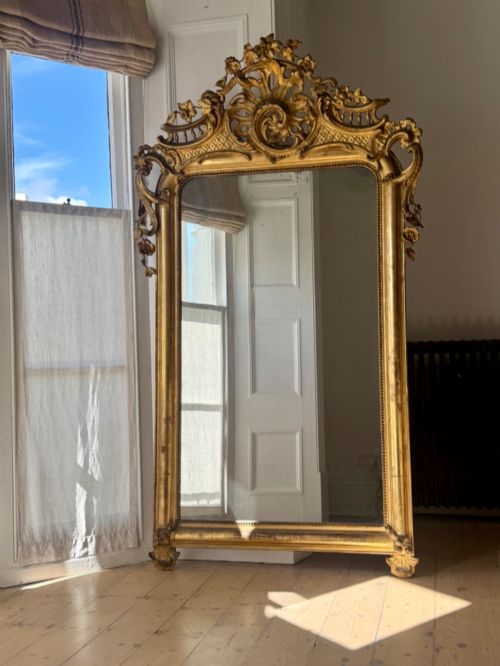
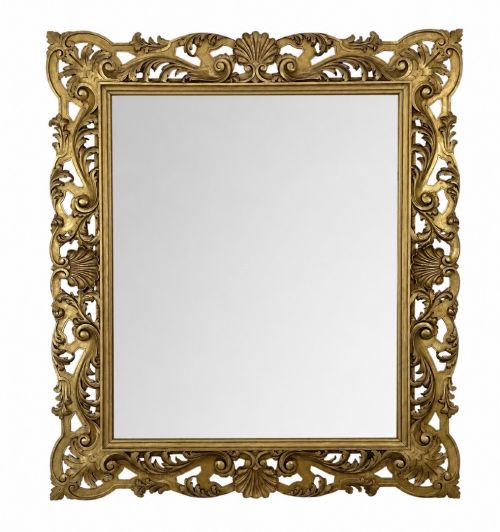
A louis xv mirror represents the pinnacle of 18th-century French design, characterised by organic C-scrolls, S-scrolls, and asymmetrical cartouche forms. Buyers encounter these pieces largely through 19th-century revivals, alongside authentic 18th-century examples fashioned in France.
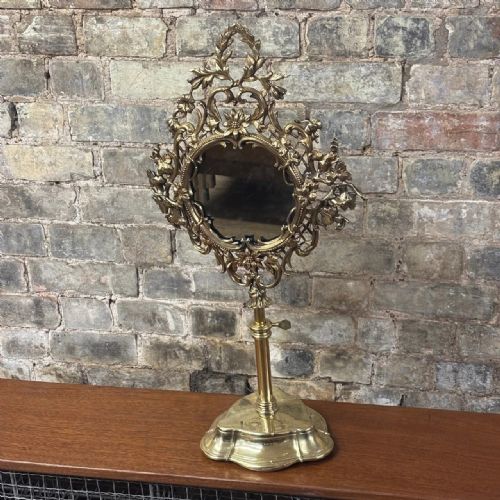
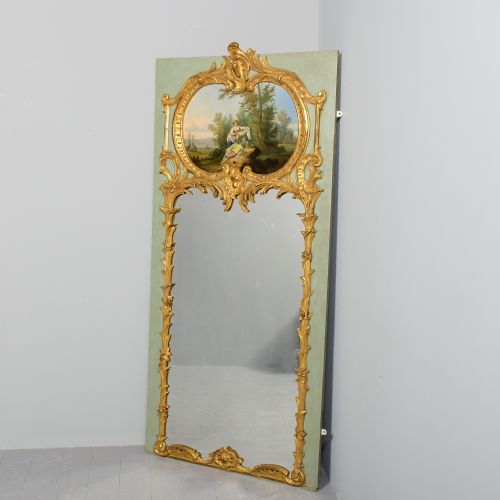
The dominant formats on this page include large wall mirrors, overmantels, and pier mirrors designed to sit above console tables or mantelpieces. Artisans also produced smaller vanity, table, and trumeau mirrors integrated with painted panels.
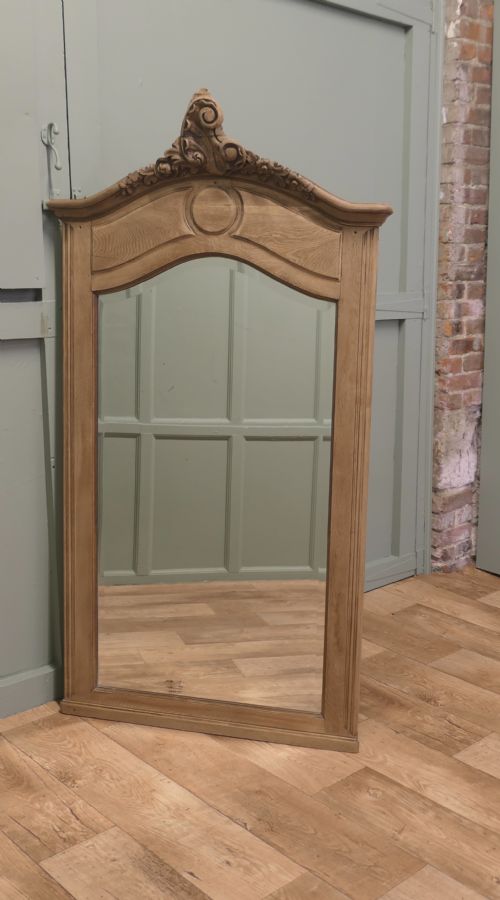
While the prevailing aesthetic follows French Rococo and Louis XV Revival styles, variants in bleached oak, walnut, and painted finishes appear alongside standard giltwood forms.
Materials and Construction
Makers built the foundational frames of a louis xv mirror from seasoned timber such as oak, pine, or walnut, applying layers of gesso to carve intricate botanical motifs and shellwork. Craftsmen then gilded these surfaces using gold leaf or applied paints and patinas.
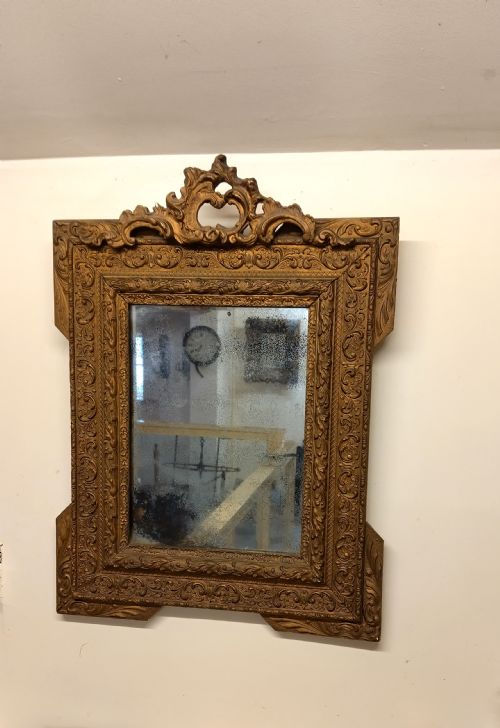
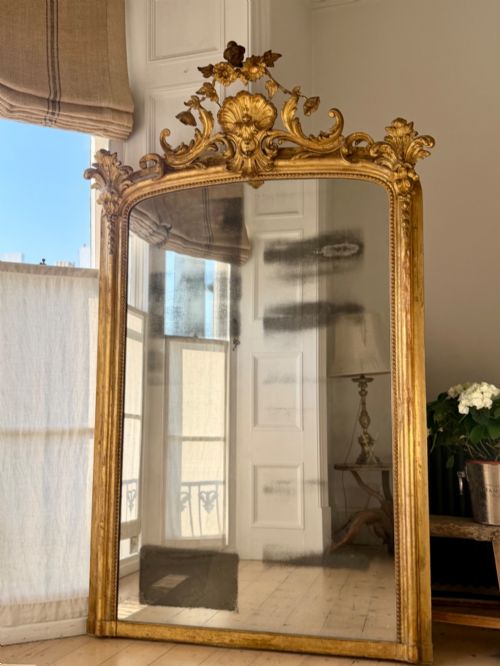
Reflecting plates utilised early manufacturing methods, including mercury glass with characteristic foxing and pooling, as well as later bevelled plate glass secured within the carved rebates.
Louis XV Mirror Retail Price Guide 2026
Typical asking prices for louis xv mirror among the pieces listed under this phrase on Sellingantiques today, from the lower quarter to the upper quarter. They describe what is for sale here now, not the wider market.
Some antique mirrors retain their original mercury backing so faithfully that they reflect the room like a dim, shimmering pond.
Assessing Craftsmanship
The distinction between ordinary and exceptional examples rests in the depth and crispness of the carving. Superior frames display hand-chiselled gesso and undercut relief work where foliage and scrolls appear truly organic rather than cast in a uniform mould.
Originality of the components dictates the standing of a piece. Retaining the original mercury glass plate, untouched gilding, and structural joinery elevates an object far above later marriages of frames and mirrors.
François Linke
The Louis XV Mirror Glossary
- Cartouche
- An ornamental frame resembling a scroll or unwolled parchment with a central field, frequently seen on the crests of rococo mirrors.
- Gesso
- A plaster-like mixture applied to wooden frames as a base for carving and gilding, allowing for sharp relief details.
- Trumeau
- A decorative wall mirror incorporating a painted panel or oil painting directly above the glass plate, often fitted into wood panelling.
- Mercury glass
- A silvered mirror glass produced by applying a tin and mercury amalgam behind the glass plate, resulting in dark spots known as foxing.
- Pier mirror
- A tall mirror designed specifically to hang on the narrow pier of wall space situated between two windows.
Louis XV Mirror: Frequently Asked Questions
How do I spot an 18th-century mirror?
Authentic 18th-century pieces display hand-carved wooden frames beneath the gesso rather than moulded composition ornament. They frequently house original mercury glass plates with natural foxing.
Examining the construction of the reverse timber frame reveals hand-cut joins and older fixings consistent with period cabinetmaking rather than later revival production.
What is a trumeau mirror?
A trumeau is an architectural mirror featuring an upper panel decorated with a painted scene or decorative carving. These pieces were designed to match interior wall panelling.
Originating in grand French interiors, they functioned as permanent wall fixtures above fireplaces or between windows.
How do I hang a heavy gilt mirror?
Large giltwood and gesso mirrors require substantial wall fixings anchored directly into masonry or heavy wall studs. Using a professional mirror-hanging cleat distributes the considerable weight safely.
Avoid relying solely on decorative top rings attached to the frame, as these can fail under the weight of the timber and glass.
What causes foxing on old mirrors?
Foxing occurs when moisture penetrates behind the glass plate and reacts with the backing amalgam, creating dark spots and clouding. This chemical process develops naturally over many decades.
Many collectors prize foxing as a sign of authenticity and age that proves the glass plate is original to the frame.