


Louis XV Display Case
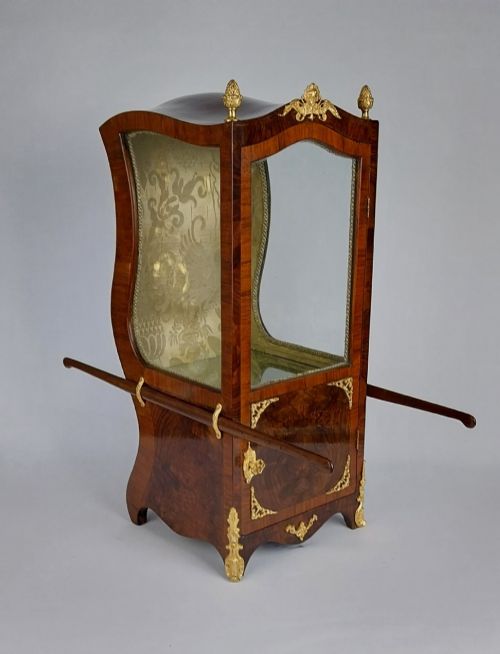
A louis xv display case brings architectural presence and visible storage together, offering glass-fronted protection for precious objects.
Louis XV Display Case
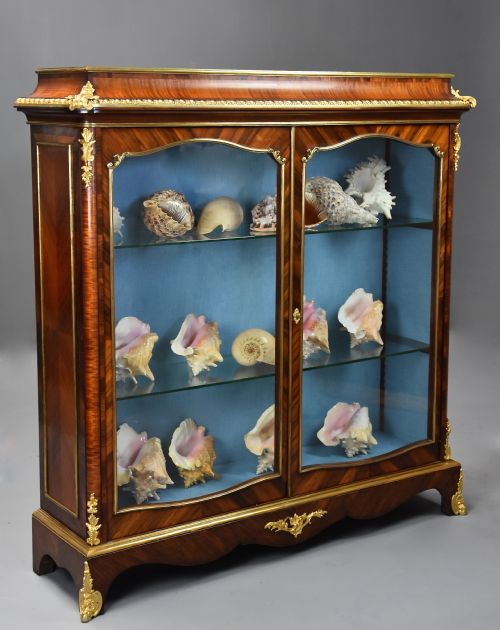
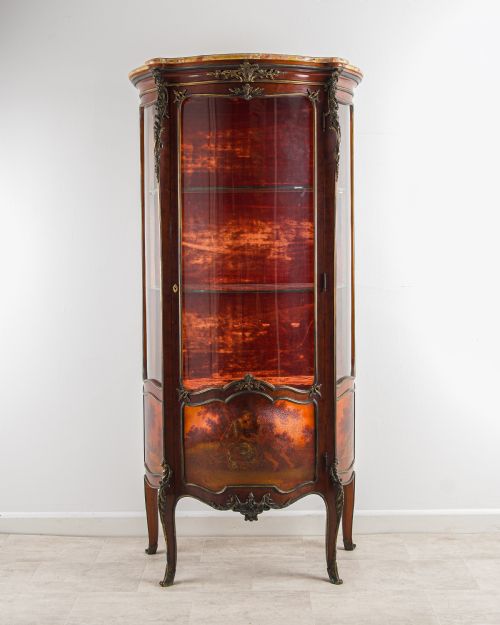
A louis xv display case functions primarily as a vitrine or cabinet designed to exhibit ceramics, silver, and small collections behind glazed doors or panels.
The versions met on this page span the nineteenth century into the Edwardian period, often reflecting revival styles rooted in French design.
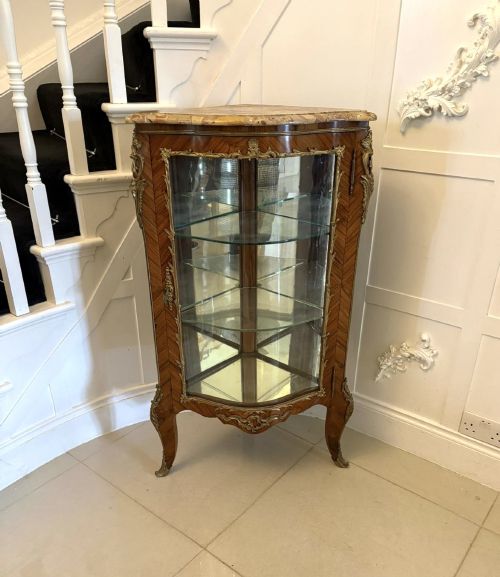
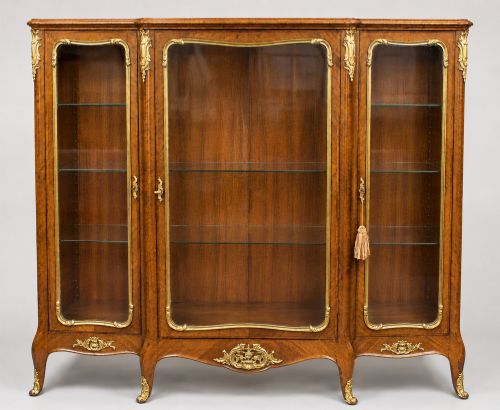
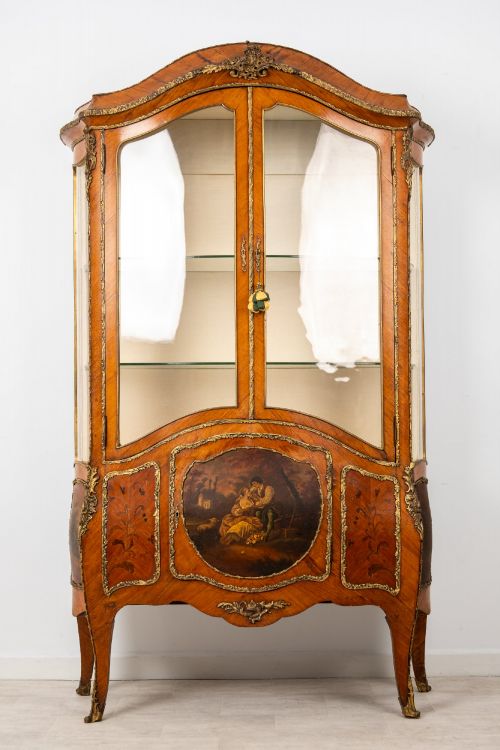
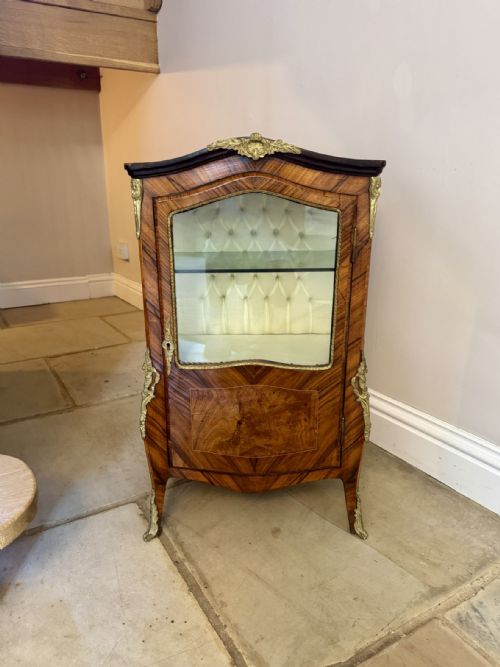
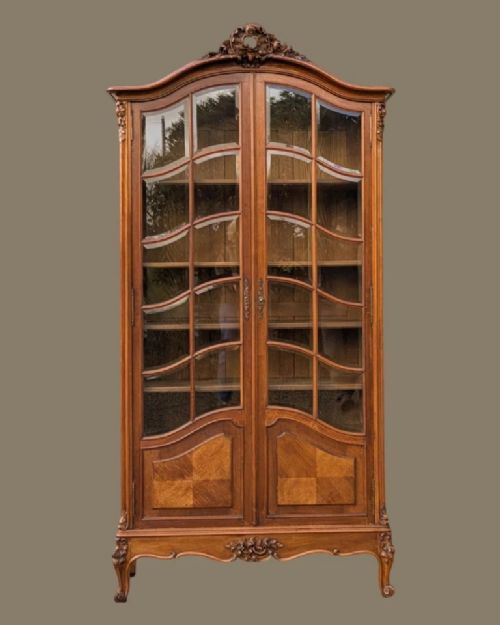
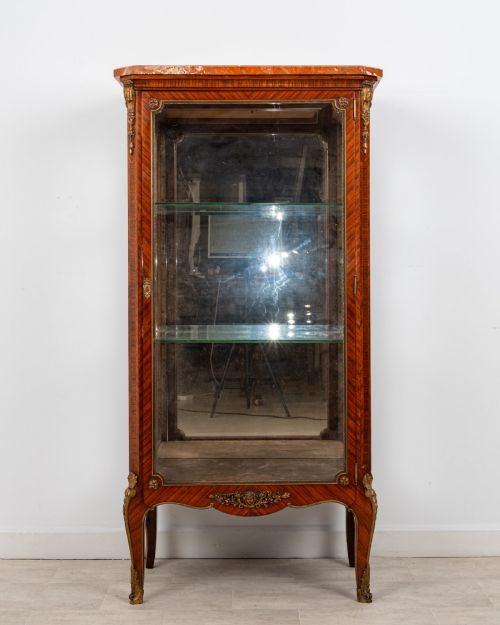
Forms range from serpentine corner cabinets and wall-hanging vitrines to freestanding breakfront bookcases and low bijouterie tables.
Construction and materials
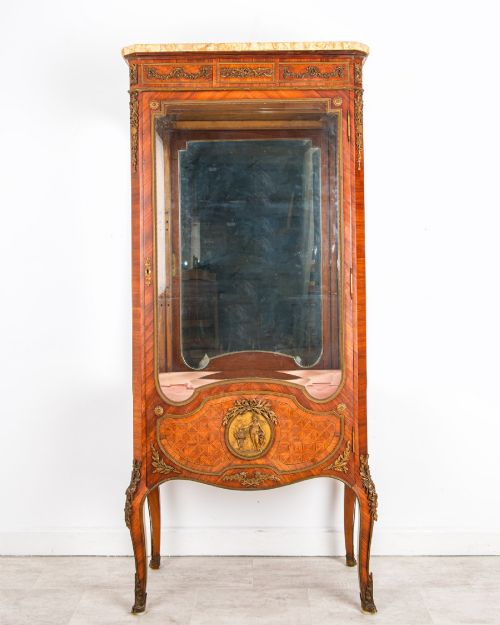
Cabinet makers utilised foundational timbers such as kingwood, walnut, and mahogany, frequently applying veneers in serpentine and curved configurations.
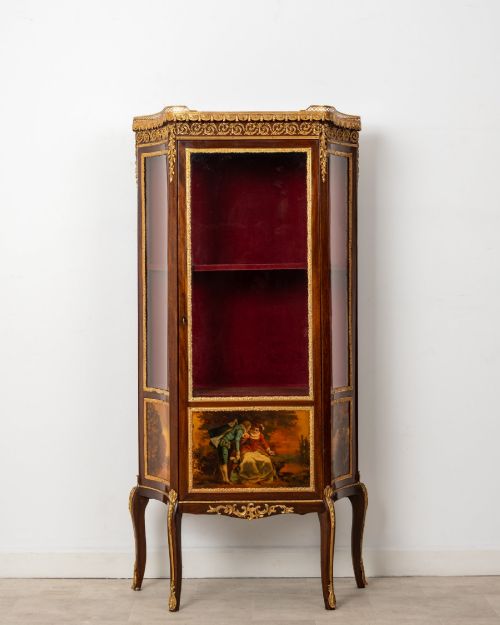
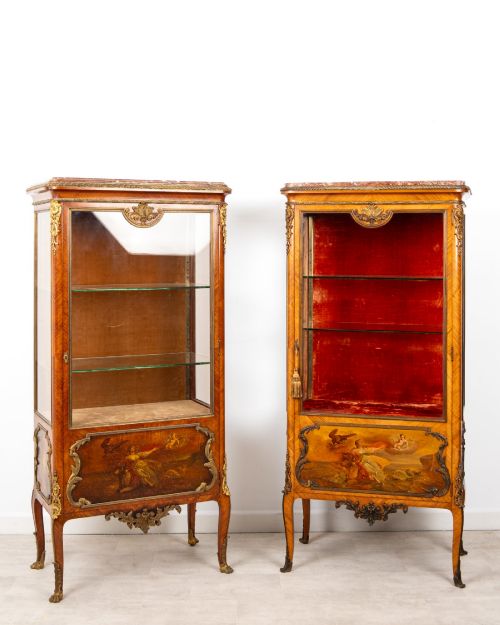
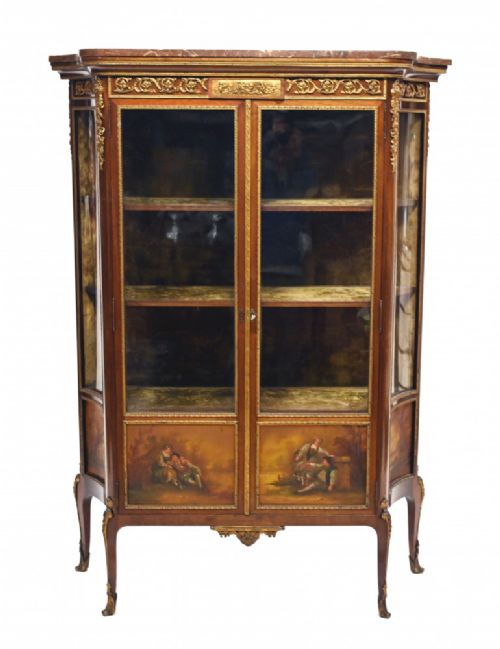
Cast ormolu and gilt bronze mounts accentuate the structural lines, while marble tops provide durable surfaces on many pieces.
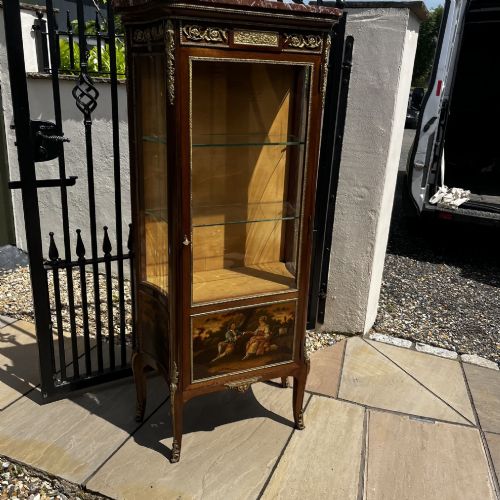
Painted panels executed in the Vernis Martin technique appear alongside glazed sides to admit light into the interior.
Louis XV Display Case Retail Price Guide 2026
Typical asking prices for louis xv display case among the pieces listed under this phrase on Sellingantiques today, from the lower quarter to the upper quarter. They describe what is for sale here now, not the wider market.
One twenty-th century bijouterie table carries later sign-writing for Breitling watches.
Distinctions in quality
Quality reveals itself in the crispness of the ormolu casting and the precision with which the mounts follow the contours of the timber.
Heavier casework employs carefully selected figured veneers and substantial marble slabs rather than simpler painted finishes.
Signatures or attributions to prominent makers separate standard commercial production from workshop pieces of the highest order.
François Linke·G. Durand·Gouffel
The Louis XV Display Case Glossary
- Ormolu
- Gilt bronze mounts applied to furniture. This technique involves gilding a metallic base with gold amalgam.
- Vernis Martin
- A decorative lacquer technique developed in France. It mimics Asian lacquer work through multiple translucent layers.
- Vitrine
- A glass-fronted display cabinet. It serves to showcase porcelain and small decorative items.
- Serpentine
- A curved shape featuring a convex centre flanked by concave sides. It adds fluid movement to cabinet fronts.
- Bijouterie table
- A glass-topped display table. It was originally designed for showing personal jewellery and trinkets.
Louis XV Display Case: Frequently Asked Questions
What is a louis xv display case?
A louis xv display case is a glazed cabinet designed for exhibiting collectibles and decorative objects. These pieces utilise curved lines and ornamental mounts.
Most examples date from the nineteenth century revival periods and draw inspiration from French rococo design traditions.
How were these cabinets used?
These cabinets served in principal reception rooms to display precious porcelain, glassware, and small artefacts. The glass panels protected objects from dust while keeping them visible.
Table versions and bijouterie variants held personal items like watches and jewellery within reach of the homeowner.
How do I place one in a room?
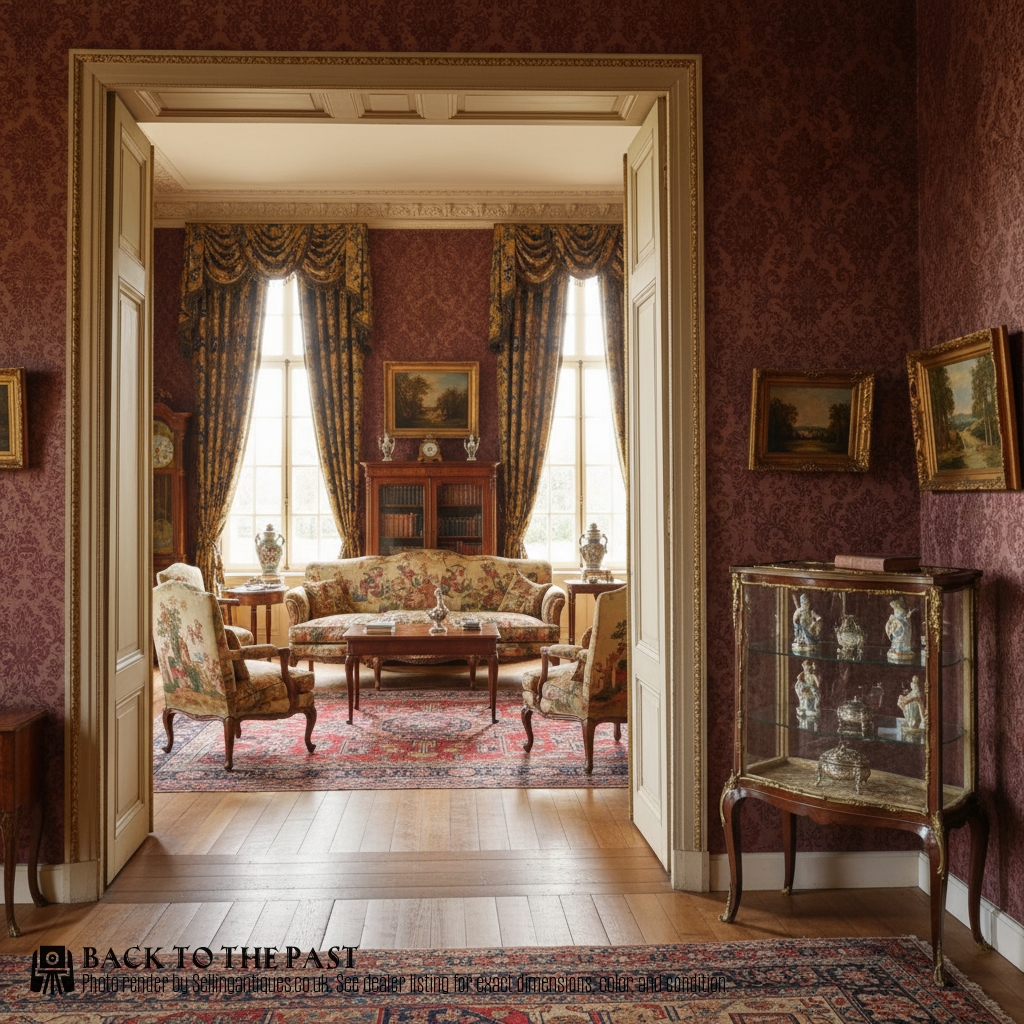
Position a louis xv display case away from direct sunlight to protect interior velvet linings and delicate timber veneers. Allow adequate clearance for doors that open on hinges.
Freestanding vitrines work well against solid walls where their ormolu mounts catch ambient light.
How do I identify the period?
Examine the construction methods, secondary timbers, and the style of the cast bronze mounts. Nineteenth-century revival pieces often employ machine-cut screws alongside hand-cut joinery.
Stylistic cues like Vernis Martin panels and serpentine kingwood veneers point toward specific nineteenth-century revival phases.