


Louis XV Bedstead
A louis xv bedstead brings sweeping Rococo curves and rich wood into the bedroom, offering grand French styling for modern sleep.
What these pieces are
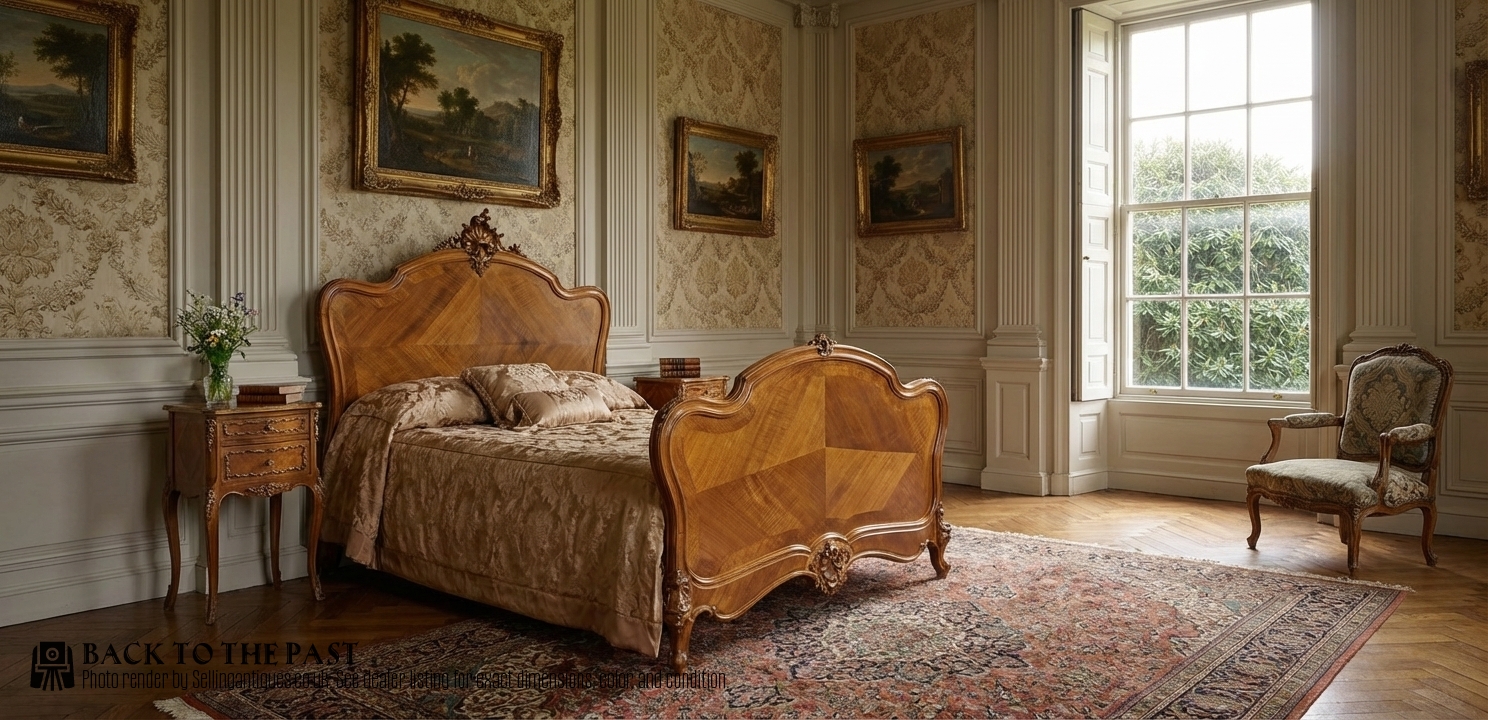
A louis xv bedstead embodies the elegant asymmetry and natural motifs characteristic of French Rococo design. Buyers searching for this phrase seek grand statement pieces for the bedroom, often sized as king or single formats.
The pieces on this page emerge from various late nineteenth and early twentieth century periods, specifically spanning 1880 to 1920. They manifest primarily as French chateau style beds, occasionally accompanied by matching bedside cabinets.
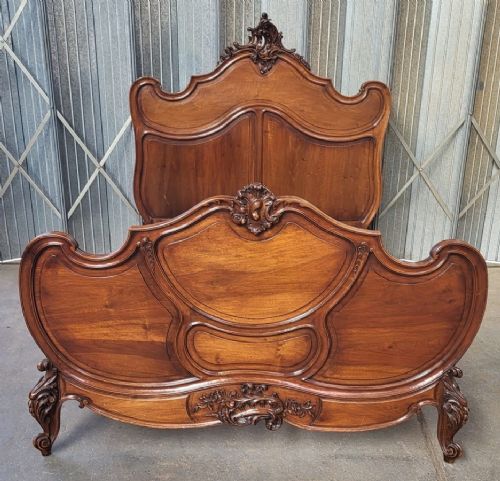
Makers and manufacturers during these decades adopted the classic Louis XV vocabulary, producing wooden bed frames, carved walnut structures, and painted upholstery variations. These frameworks channel historical Parisian luxury into practical domestic use.
How they were made
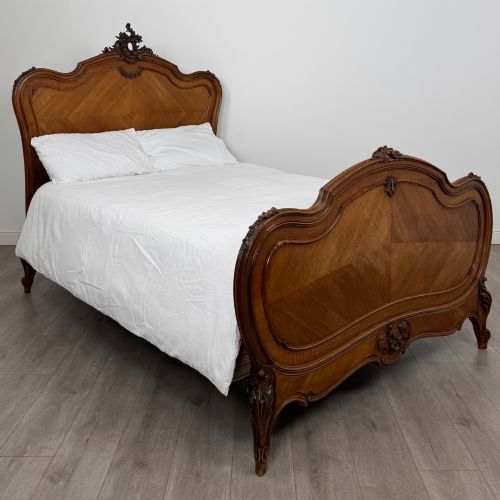
Construction relies heavily on traditional timber working, utilising walnut, painted wood, and general wood substrates finished with detailed veneer work. Artisans shaped these materials into sweeping headboards and footboards displaying characteristic curvilinear outlines.
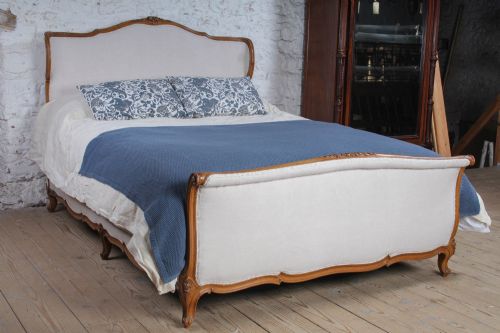
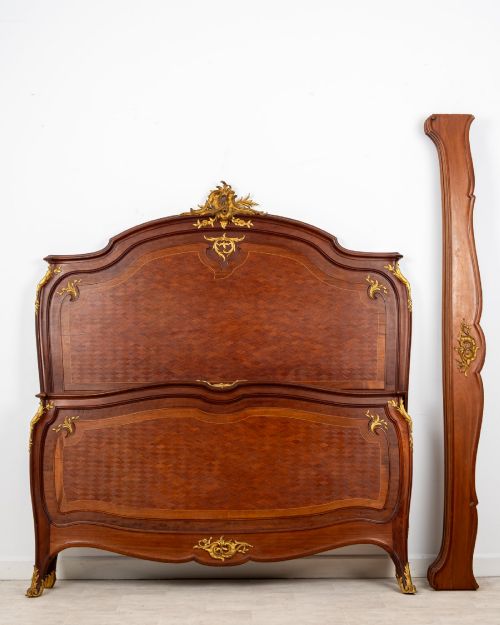
Surface ornamentation often incorporates parcel gilt details and cast gilt bronze mounts that highlight the carved floral motifs. Upholstery fabric is integrated directly into the headboard panels, presenting newly recovered or period textile surfaces.
Retail Price Guide 2026
Typical UK retail prices for louis xv bedstead, calculated from the Sellingantiques database of over a million retail prices indexed since 2003. This retail price guide relies exclusively on Sellingantiques data; no external sources or auction records are used, so the figures do not describe the wider market.
Some antique French beds were originally designed to sit sideways against a wall like a daybed, rather than facing out into the room.
What varies in quality
Quality rests in the depth and crispness of the hand carving, where fluid floral and scrollwork separates superior output from simpler production. The choice of primary timber, from figured walnut to painted softwood, dictates the visual weight of the frame.
Integration of secondary decorative elements, such as parcel gilding and bronze mounts, defines the upper tier of execution. Structural integrity and the harmony between carved woodwork and upholstery finish complete the assessment of merit.
The Louis XV Bedstead Glossary
- Louis XV Style
- A design aesthetic originating in eighteenth century France and revived in later centuries, characterised by asymmetrical curves, cabriole legs, and organic plant motifs. This vocabulary defines the shape of the headboards and footboards on this page.
- Parcel Gilt
- A technique where selective parts of a wooden surface receive a thin layer of gold leaf, usually highlighting carved details. It contrasts sharply with dark walnut or painted backgrounds.
- Giltwood
- Timber that has been coated with gold leaf over a prepared gesso base. It provides a brilliant metallic sheen across the moulded frames.
- Upholstery Fabric
- Textile material stretched over padding and secured to the wooden frame of the headboard. It softens the architectural impact of the bedstead.
Frequently Asked Questions
How do I care for the wood and gilt finish?
Gentle dusting with a soft, dry cloth preserves both the polished walnut and the delicate parcel gilt highlights without causing abrasion.
Avoid liquid cleaners and wax buildups, which can damage historic painted surfaces and degrade old metallic leaf over time.
Can I use modern bedding with these frames?
Standard duvets, pillows, and sheets complement these grand frames effortlessly, creating a striking contrast between historic woodwork and contemporary comfort.
Ensure your base support or slats adequately fit the interior rails of the specific bedstead you select.
What period do most of these beds date from?
The listings on this page predominantly date from the late nineteenth and early twentieth centuries, specifically between 1880 and 1920.
These pieces represent revival periods that meticulously recreated eighteenth century French court aesthetics for later domestic interiors.