
Louis XV Accent Chair
A louis xv accent chair brings flowing rococo lines and sculpted woodwork into a room, offering both decorative presence and comfortable seating.
Louis XV Accent Chair
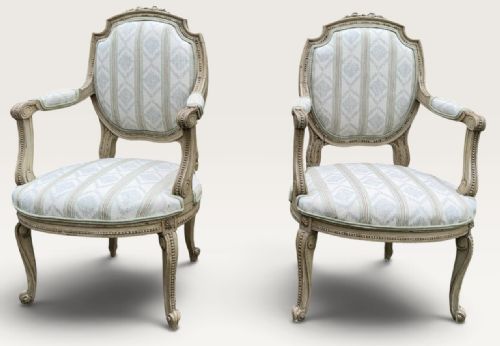
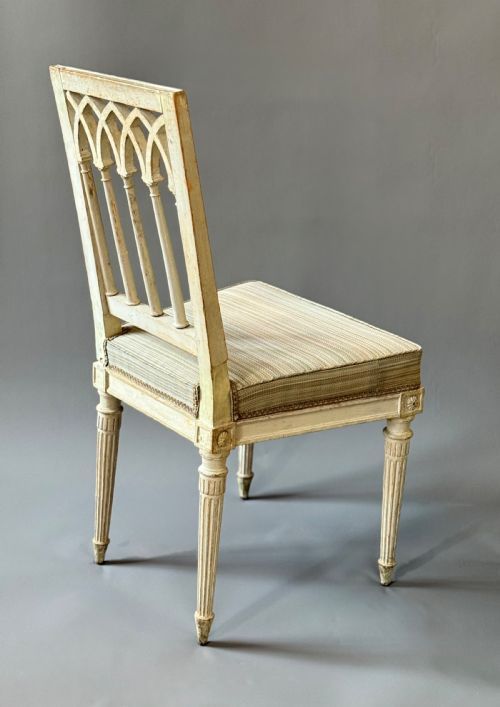
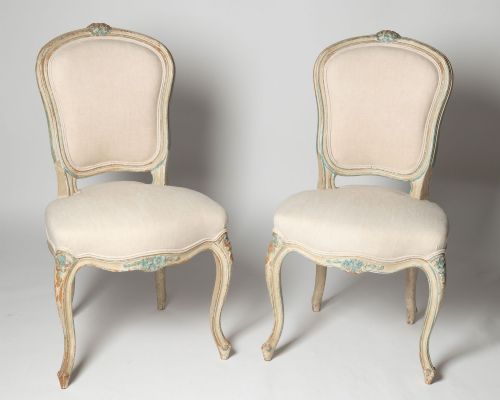
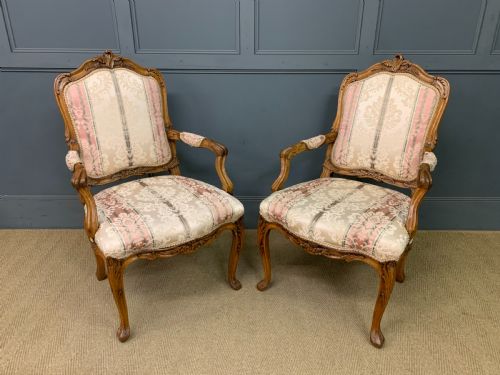
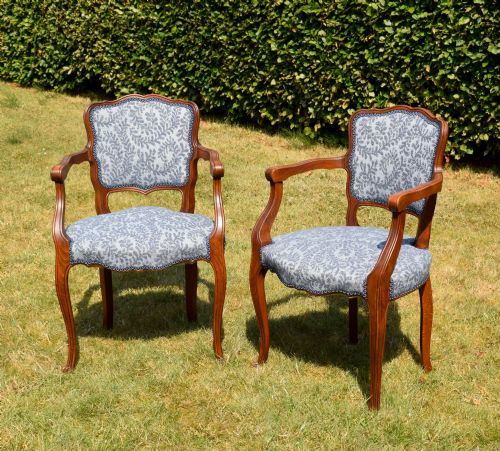
A louis xv accent chair typically takes the form of an open armchair, fauteuil, bergère, or side chair designed with characteristic serpentine curves and cabriole legs. These seating options emerge from the 18th century and appear frequently in revival periods spanning the 19th and early 20th centuries.
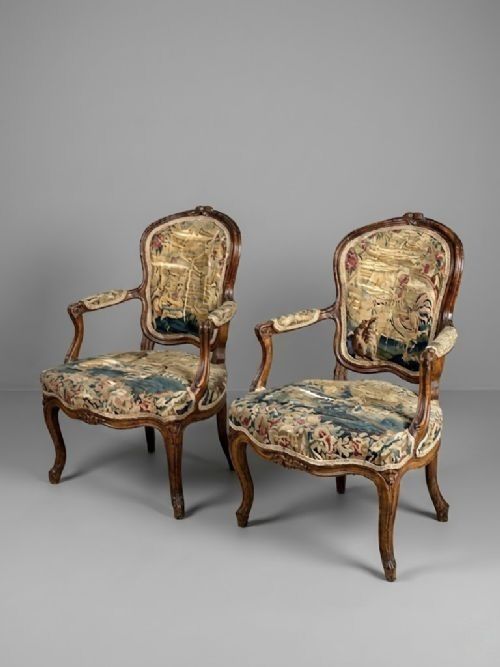
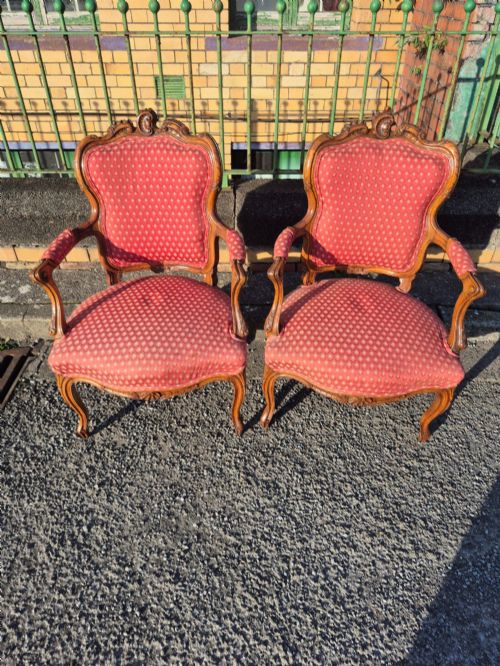
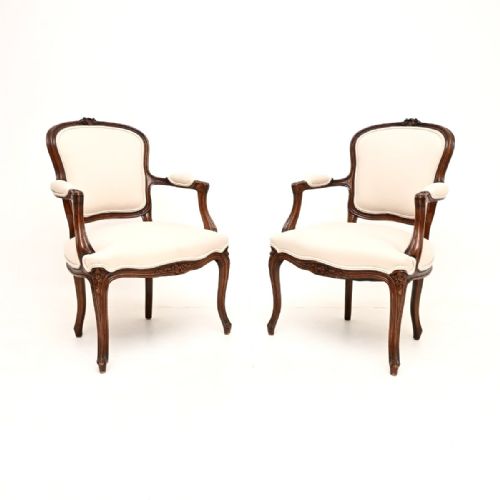
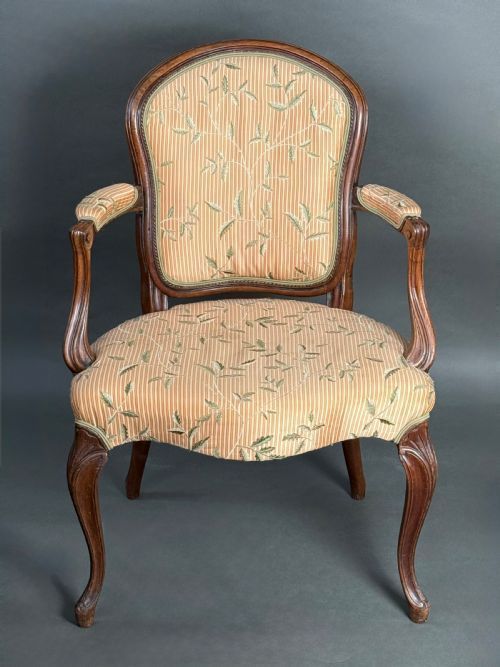
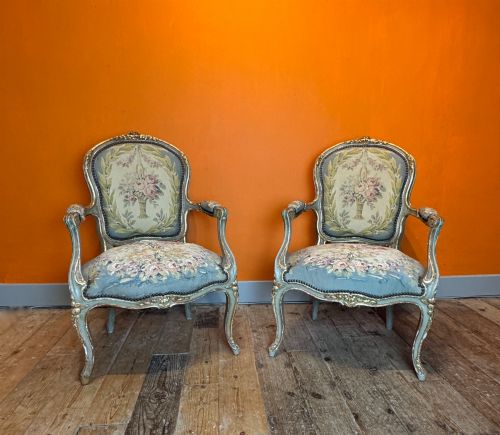
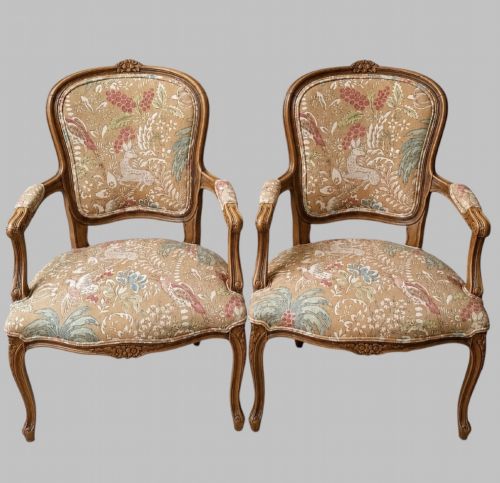
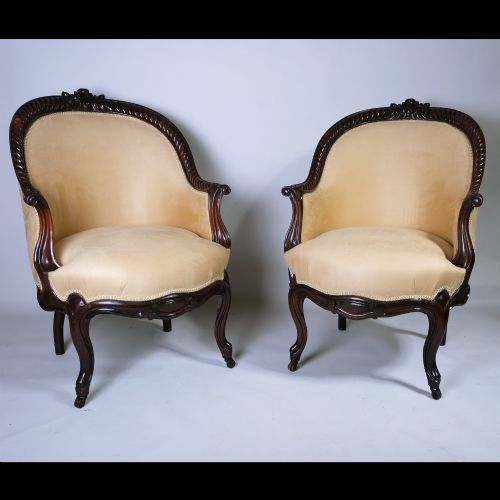
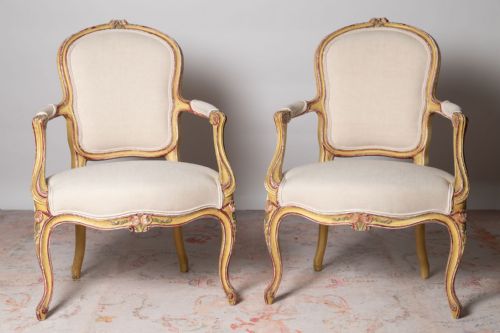
The objects seen here range from mid-18th-century originals to later 19th-century revival pieces and early 20th-century interpretations. Walnut, beech, and painted or gilded wood dominate the forms, often upholstered in silk, velvet, tapestry, or needlepoint.
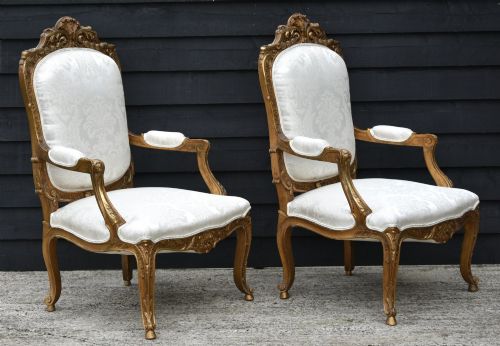
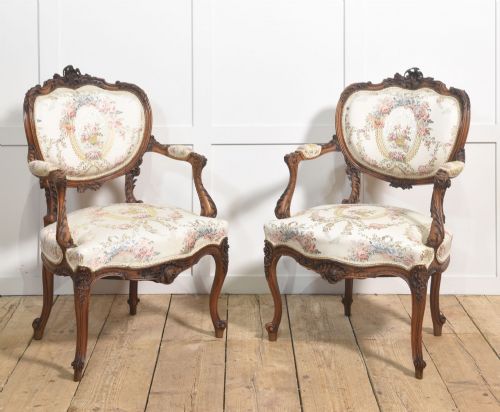
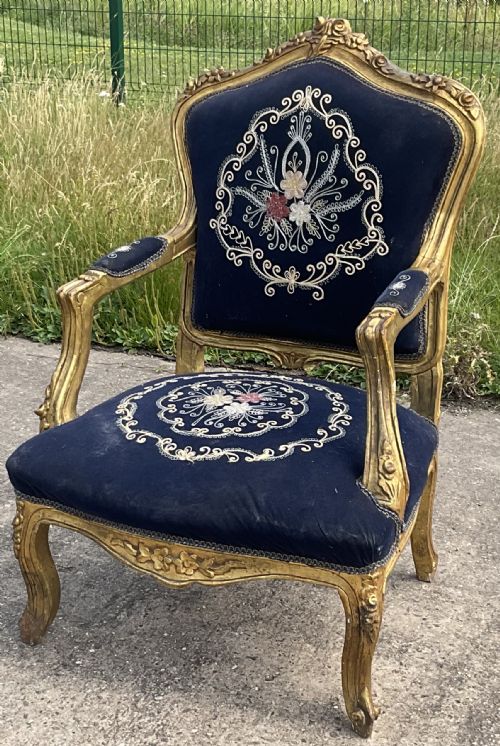
Buyers seeking this style encounter diverse seating types, including salon chairs, fireside chairs, and large carved armchairs. Walnut and giltwood examples demonstrate the enduring popularity of French rococo design across multiple eras.
Materials and Construction Techniques
Frames are constructed from solid hardwoods such as walnut, beech, and oak, carved by hand to create the characteristic asymmetrical scrolls and floral motifs of the style. Cabinetmakers shaped the timber with curved rails and integrated armrests that flow organically into the seat frame.
Surface decoration involves original paint, parcel gilding, or applied ormolu mounts on kingwood surfaces. Upholstery methods combine traditional webbing and stuffing with fine textiles like silk, velvet, and tapestry, secured with decorative brass tacks.
One cheerful pair arrives draped in needlepoint panels that demand a closer look at the botanical stitches.
Distinctions in Quality and Craftsmanship
The refinement of the woodcarving separates exceptional pieces from standard production, with superior examples showing crisp, deep relief work along the cabriole legs and crest rails. Smooth joinery and the retention of original paint or rich gilding indicate higher craftsmanship.
The choice and execution of upholstery affect the overall character, where hand-stitched needlepoint or historic silk textiles complement the integrity of the frame. Heavy, stable walnut construction without structural timber replacement marks the better tier of these chairs.
Blaise Maucuy
The Louis XV Accent Chair Glossary
- Bergère
- An enclosed upholstered armchair featuring upholstered sides set into a wooden frame. It often includes a loose down cushion for the seat.
- Cabriole leg
- A furniture leg that bends outward and then tapers inward, ending in a graceful foot. This shape mimics animal legs and defines rococo styling.
- Ormolu
- Gilded bronze mounts applied to furniture for decorative enrichment. Artisans cast and chased these metal elements by hand.
- Giltwood
- Timber coated with a thin layer of gold leaf. This finish creates a brilliant reflective surface on carved frames.
Louis XV Accent Chair: Frequently Asked Questions
What is a louis xv accent chair?
A louis xv accent chair is a decorative seat featuring curved cabriole legs, carved wooden frames, and rococo styling derived from 18th-century French design.
These pieces encompass open armchairs, fauteuils, and side chairs made in both the 18th century and later revival periods.
How do I identify a revival piece?
Revival pieces display construction methods, wood ageing, and tool marks consistent with 19th or early 20th-century manufacturing techniques rather than the 18th century.
Examining the underside of the frame and the type of screws or joints helps determine the exact manufacturing era.
Where should I place these chairs?
These chairs function well as occasional seating in living rooms, bedrooms, or hallways where their decorative carved frames can be fully appreciated.
Pairing them with neutral surroundings allows the walnut or gilded woodwork and textile upholstery to stand out.
What woods were used?
Carved frames commonly utilise solid hardwoods like walnut, beech, and oak, chosen for their strength and suitability for intricate shaping.
Some exceptional examples incorporate exotic timbers such as kingwood alongside brass or ormolu mounts.