


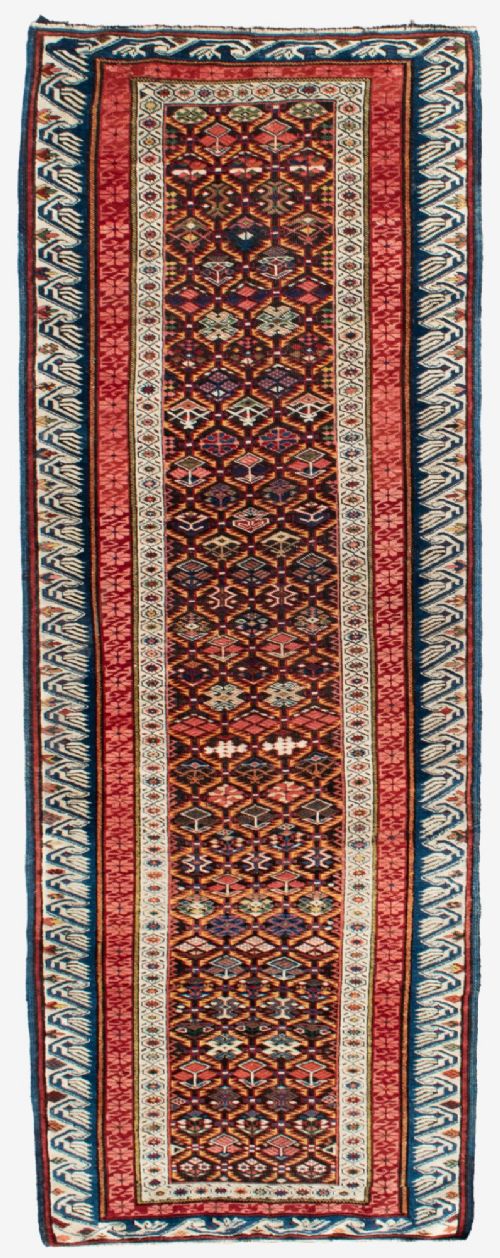
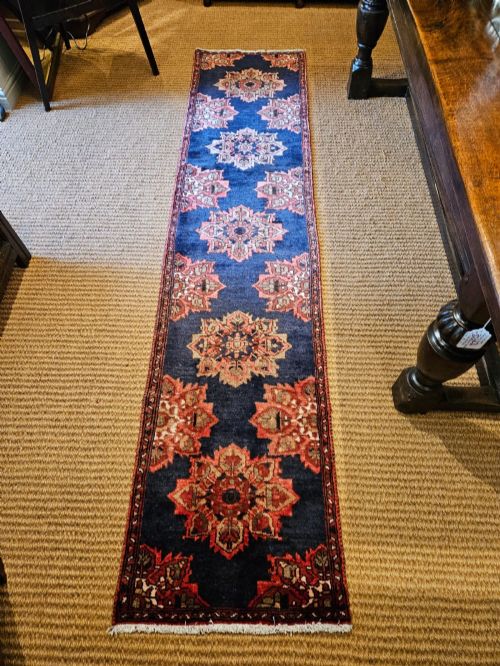
Long Wool Runner Rug
A long wool runner rug brings warmth and structure to a hallway, drawing the eye down narrow spaces with traditional patterns.
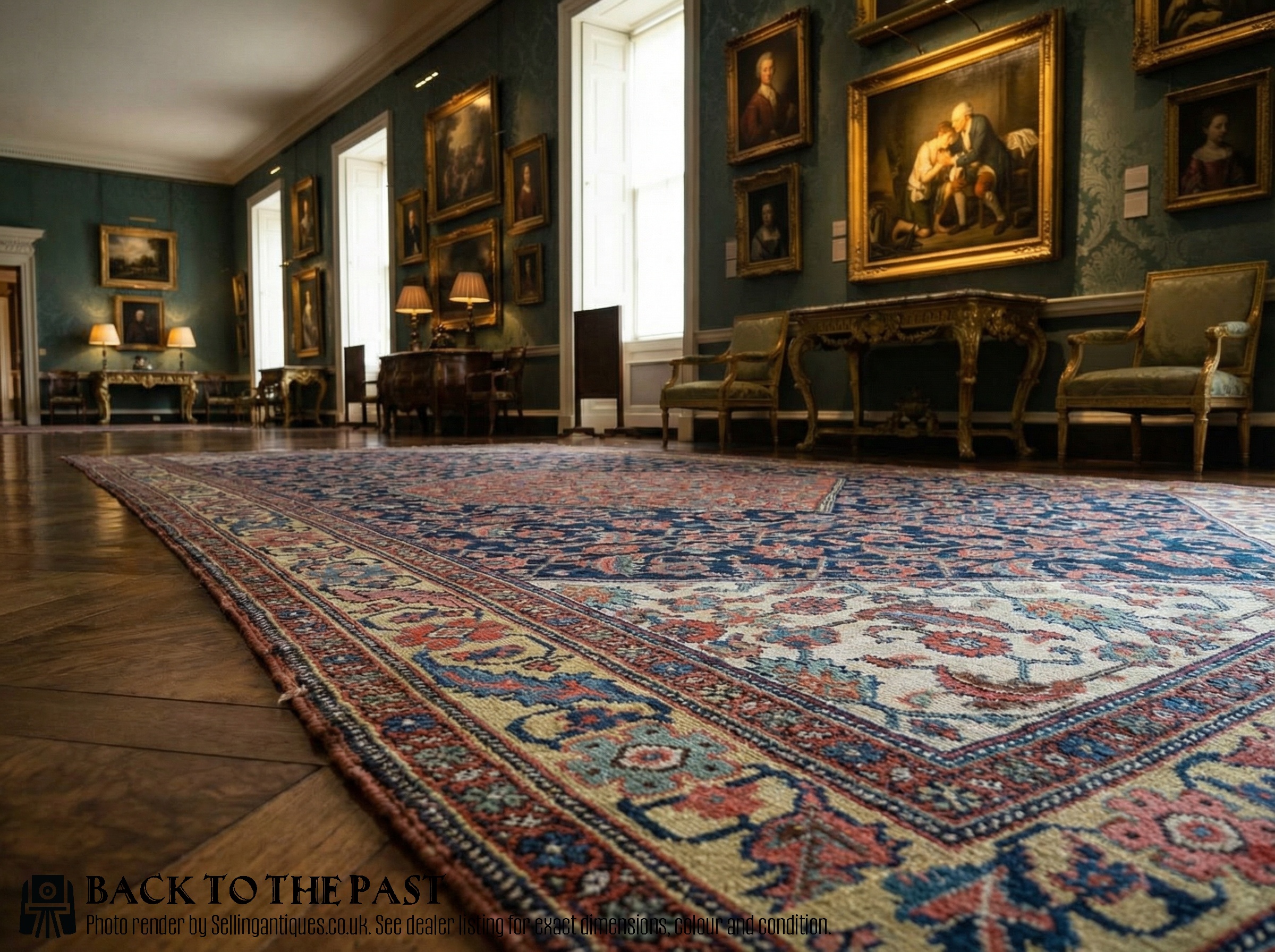
Long Wool Runner Rug
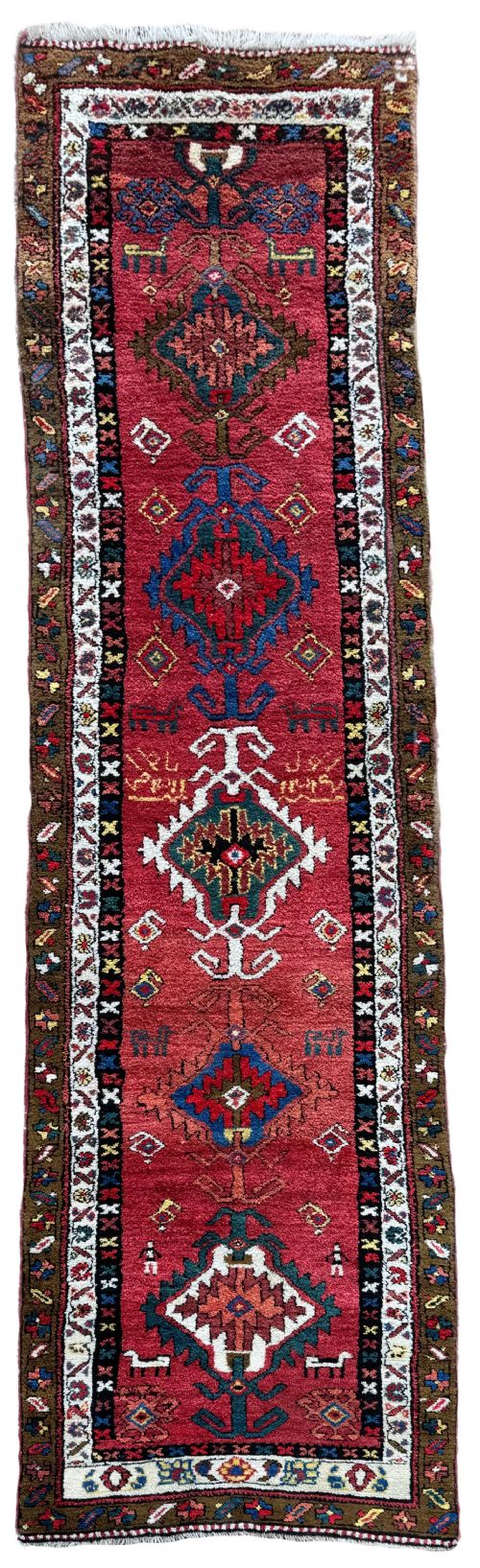
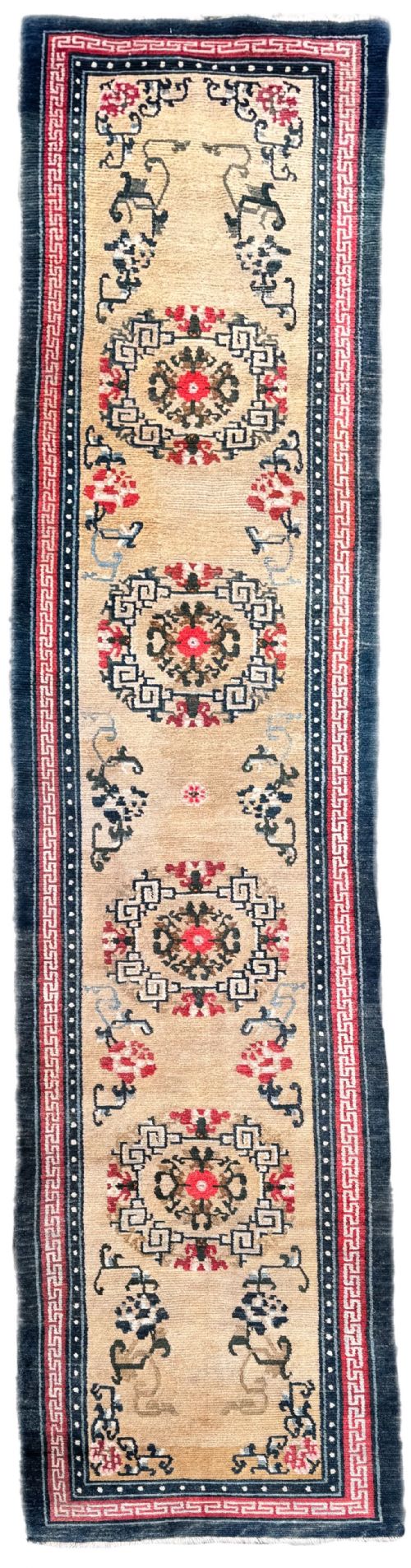
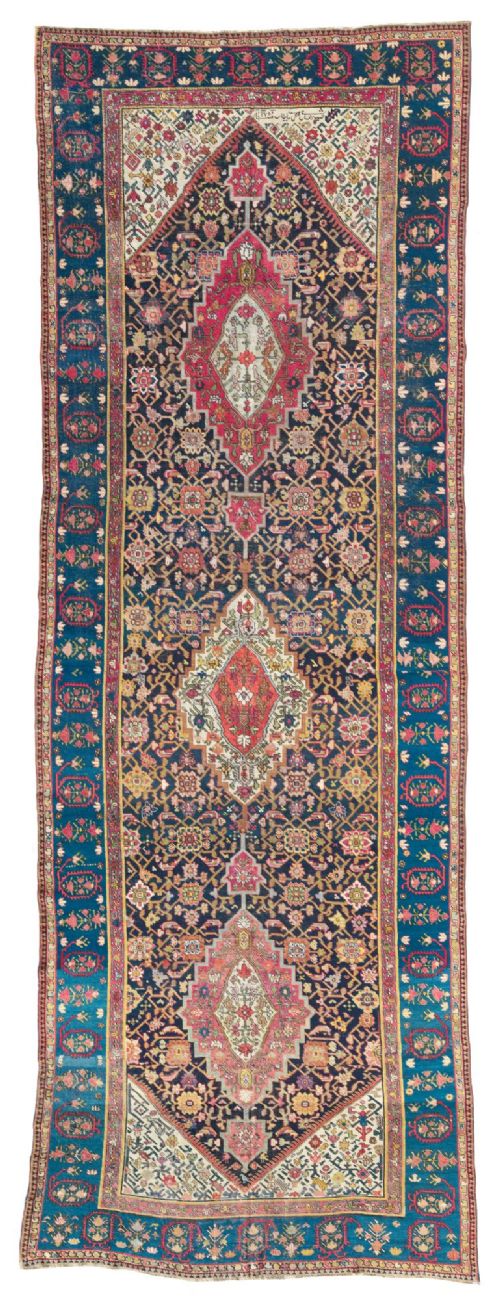
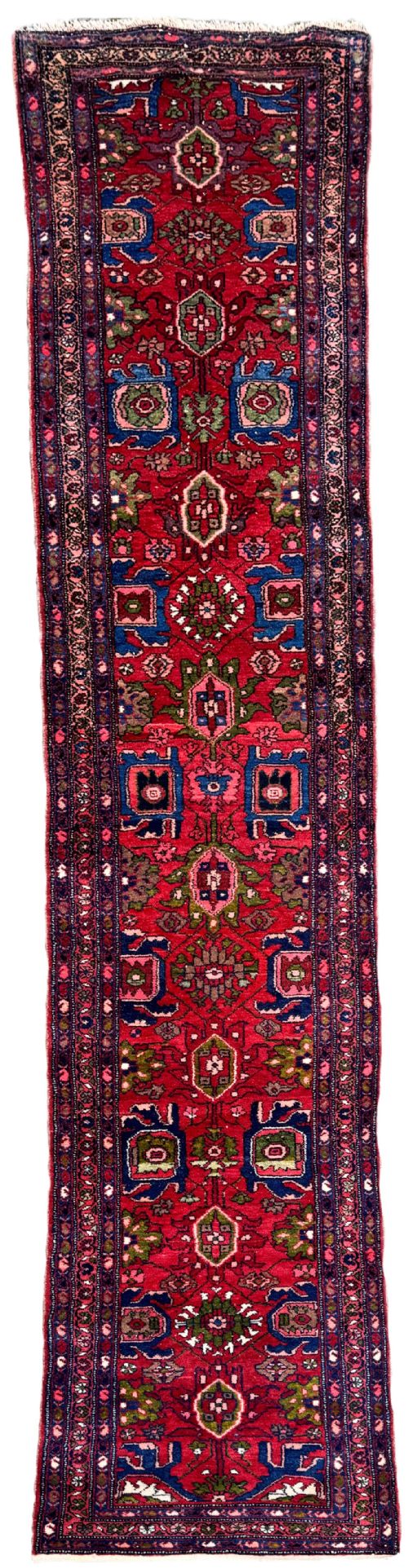
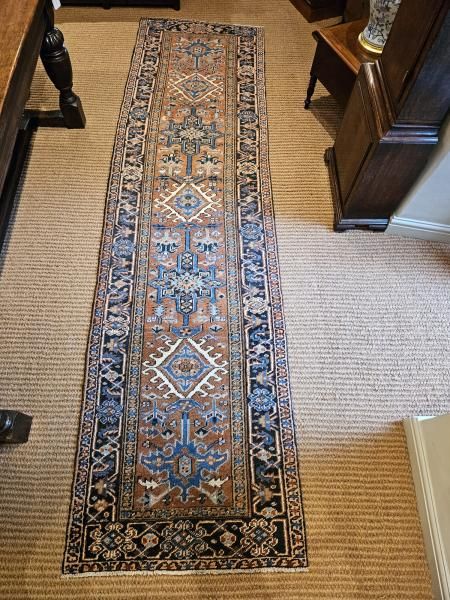
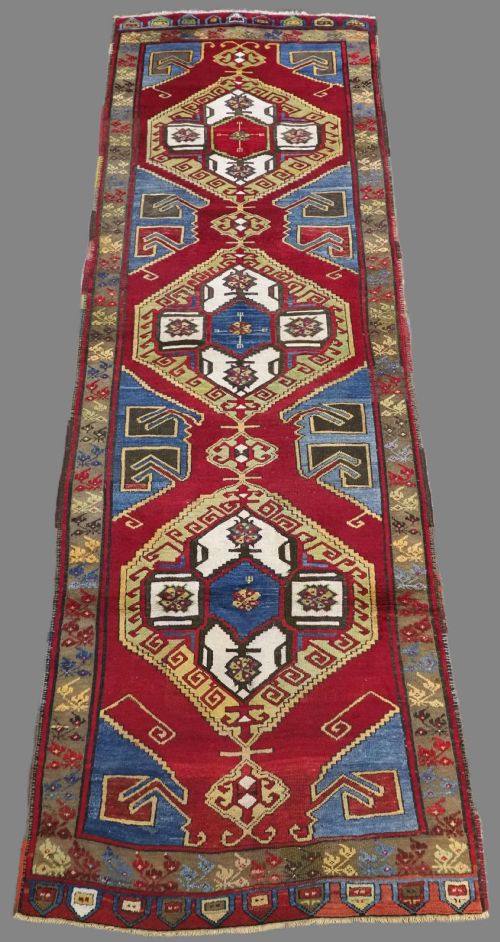
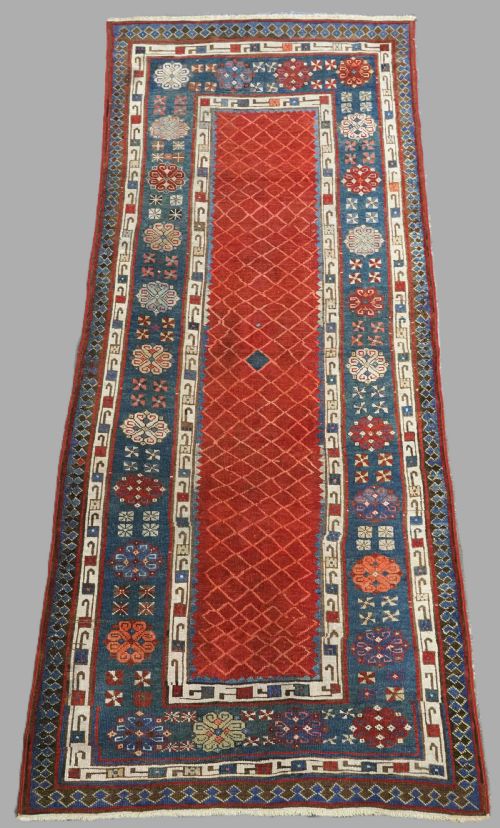
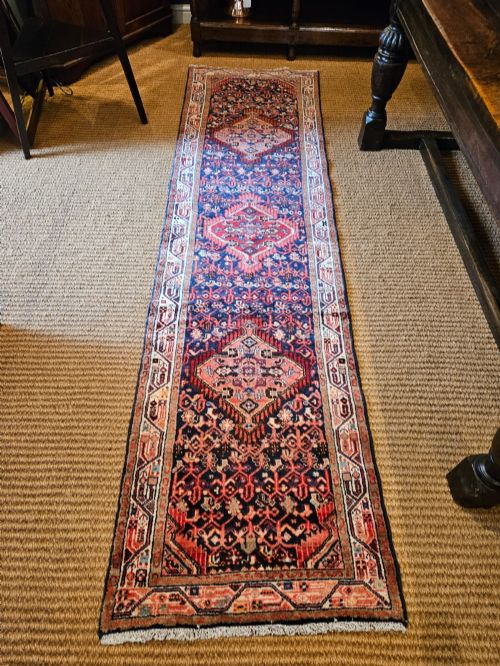
A long wool runner rug is typically selected to span hallways, landings, and long rooms where floor coverings need to be both narrow and enduring. The pieces gathered here span origins from Persian and Caucasian weaving regions to Anatolian and Kurdish workshops, stretching back from the nineteenth century into the twentieth.
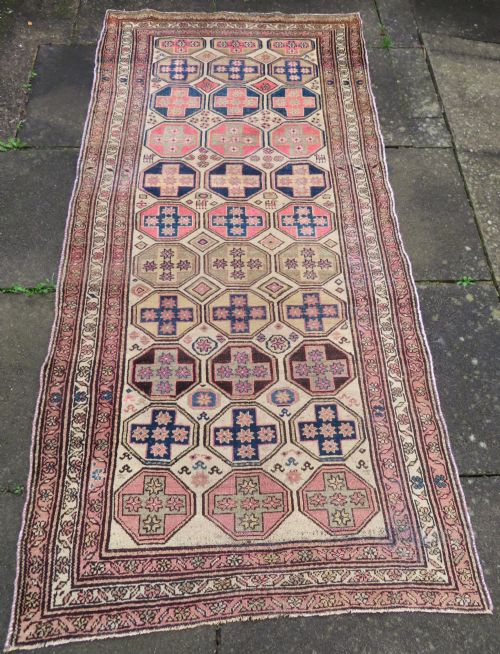
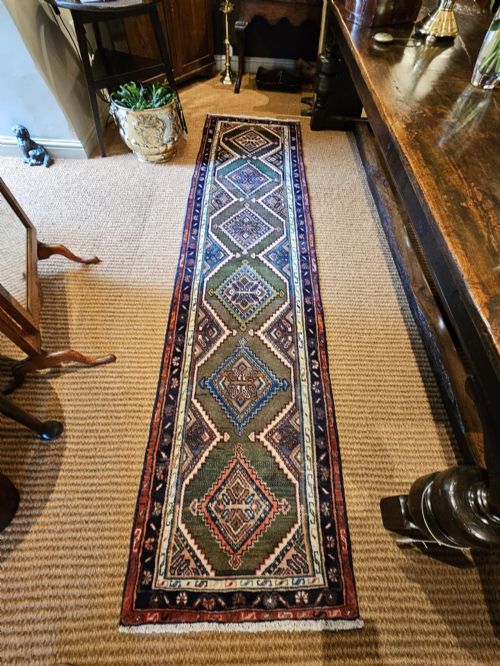
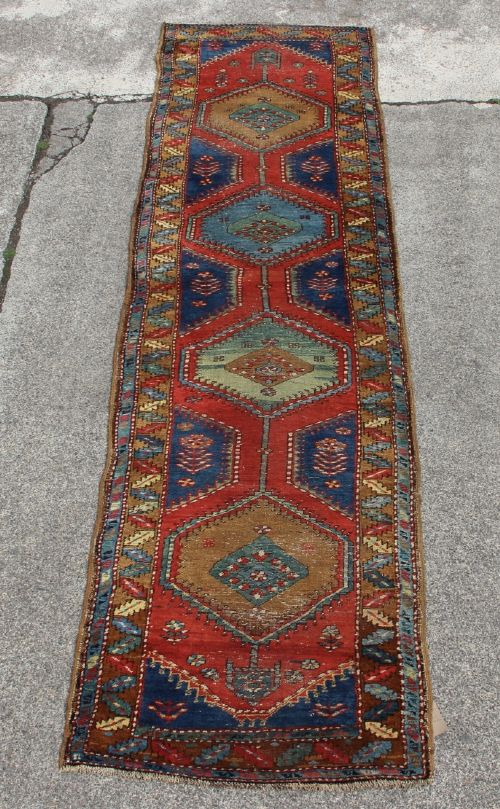
Most examples take the form of elongated rectangles, often measuring several metres in length while remaining relatively slender. Buyers encountering this selection will find traditional tribal designs alongside geometric medallions and lattice motifs, woven across villages and nomadic camps.
Materials and construction methods
These floor coverings rely primarily on wool and hand-spun wool, providing a resilient pile that withstands heavy foot traffic in domestic corridors. Cotton often serves as a foundation material for warps and wefts, offering structural stability beneath the wool surface.
Weaving techniques rely on traditional hand-knotting or flatweaving methods passed through generations in regions such as Heriz, Karabagh, and Oushak. Natural dyes supply the underlying palettes, yielding deep blues, greens, and reds that soften gradually over decades of use.
The listings span pieces from the mid-nineteenth century through to the mid-twentieth century, featuring wool and hand-spun wool across multiple traditions.
Distinctions in craftsmanship and condition
The distinction between standard examples and the finest pieces rests upon the tightness of the knotting and the precision of the geometric or floral layout. Finer wool yields a crispness to patterns like the Mina Khani or lattice designs, whereas looser weaves tend to display softer, broader transitions.
Preservation of the original pile depth and side cordings dictates much of the standing within this category. Pieces that retain their full length and uncompromised edges command greater attention from those seeking structural integrity alongside period character.
The Long Wool Runner Rug Glossary
- Runner
- A long, narrow carpet designed specifically for corridors, stairs, and narrow hallways. They guide movement through domestic spaces while protecting wooden floorboards.
- Kelleh
- A large format rug, often longer and broader than a standard runner, traditionally produced in Persian and Caucasian weaving traditions.
- Gul
- A repeating octagonal medallion motif frequently found in tribal weaving traditions, particularly associated with Turkmen and Anatolian pieces.
- Warp
- The vertical foundation threads stretched lengthwise on a loom, onto which the pile knots are tied. The exposed fringe at either end of a rug typically consists of these tensioned threads.
- Weft
- The horizontal threads passed back and forth across the warp threads to lock the knots securely in place. Together with the warp, they form the structural grid of the textile.
Long Wool Runner Rug: Frequently Asked Questions
Where should I place a runner?
These textiles find their natural home in long hallways, narrow landings, and staircases where foot traffic is frequent. Their elongated dimensions help define circulation routes while softening hard wooden or tiled floors.
In larger rooms, they can also serve to bridge separate seating areas or frame a long gallery space, bringing pattern and texture to neglected pathways.
How do I care for wool textiles?
Regular gentle vacuuming without a rotating brush roll prevents dust from settling deep into the wool pile. Turning the piece periodically ensures even wear across high-traffic zones.
Professional cleaning should be undertaken sparingly and entrusted to specialists familiar with historic textiles and traditional dyes.
What distinguishes Persian from Caucasian styles?
Persian pieces often incorporate fluid floral elements, Herati patterns, or medallion layouts reflecting established village and town workshops. Their colour palettes frequently rely on deep indigos, madder reds, and earthy tones.
Caucasian examples tend toward starker geometric precision, featuring hooked polygons, sharp stars, and diagonal lattice arrangements with contrasting primary colours.
How can I date an older textile?
Dating relies on assessing the structural materials, the chemical composition of the dyes, and the stylistic vocabulary of the design. Hand-spun wool and natural dye palettes generally point toward nineteenth-century or early twentieth-century origins.
Slight irregularities in the weave and minor wear patterns often confirm age and hand production over later machine-made replicas.