

Long Persian Hallway Carpet
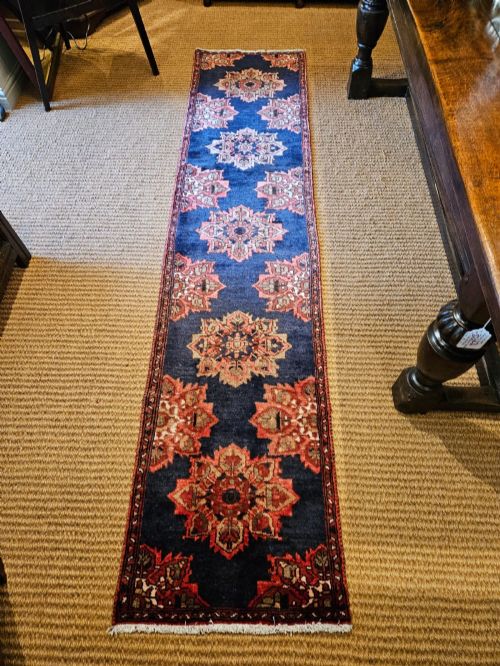
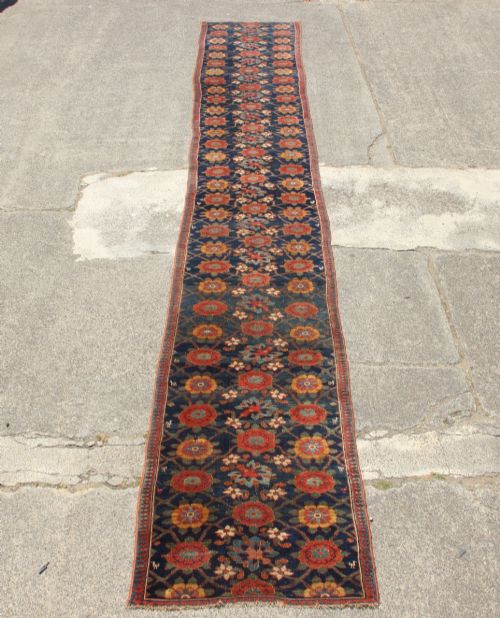
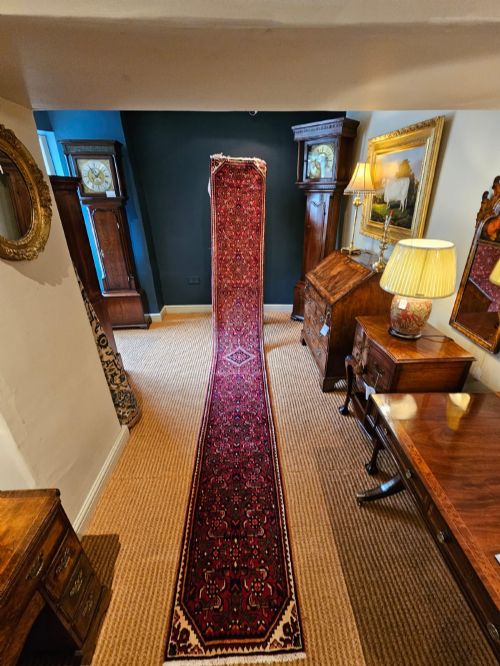
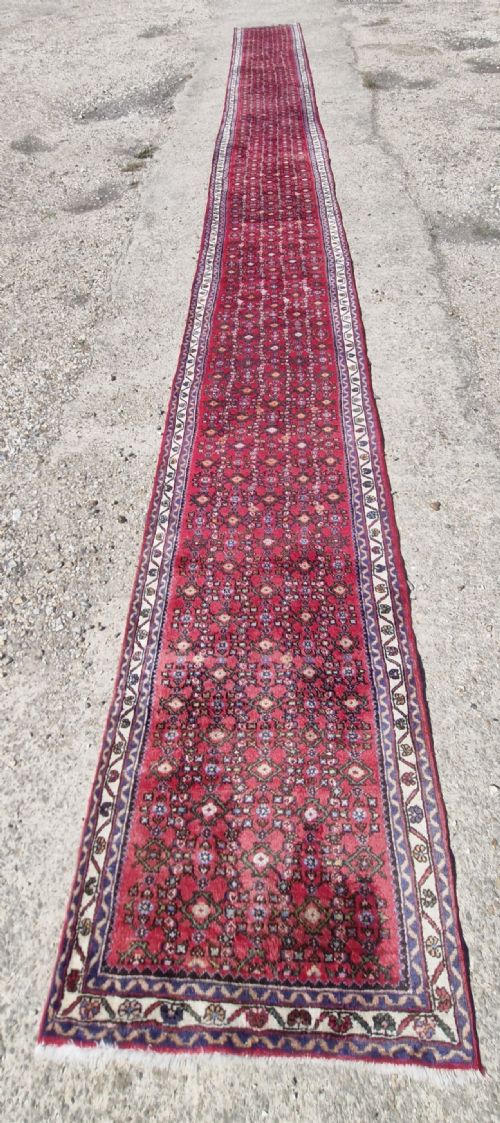
A long persian hallway carpet brings warmth and grounded character to corridors, drawing the eye down extended spaces with rich regional designs.
Long Persian Hallway Carpet
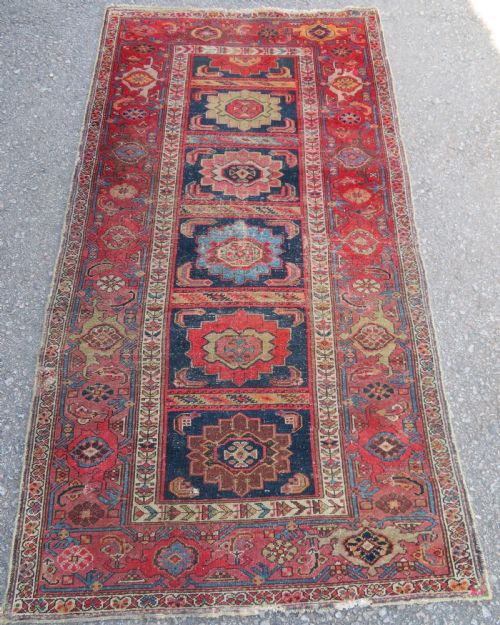
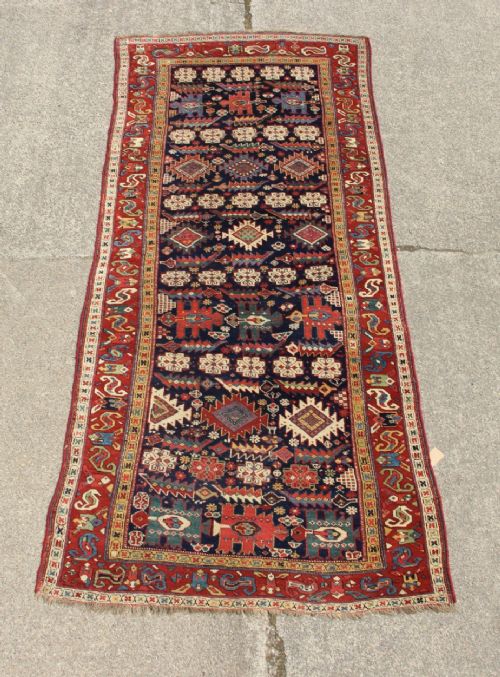
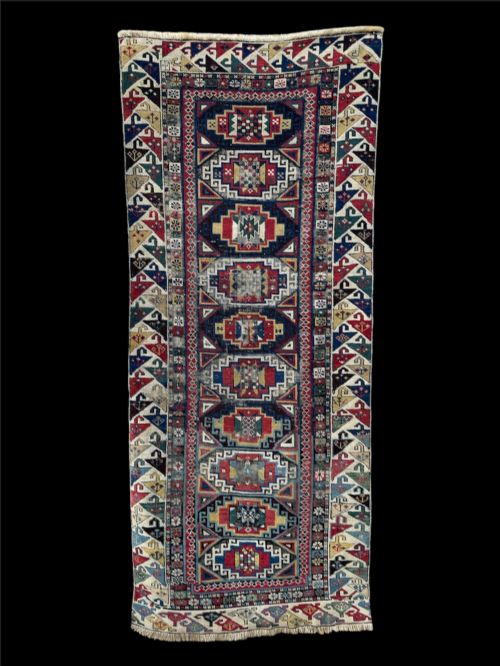
When you search for a long persian hallway carpet, you encounter narrow, extended floor coverings designed specifically for corridors, landings and narrow rooms. These textiles originate from various regions and tribal traditions across Persia and neighbouring areas, spanning the nineteenth and twentieth centuries.
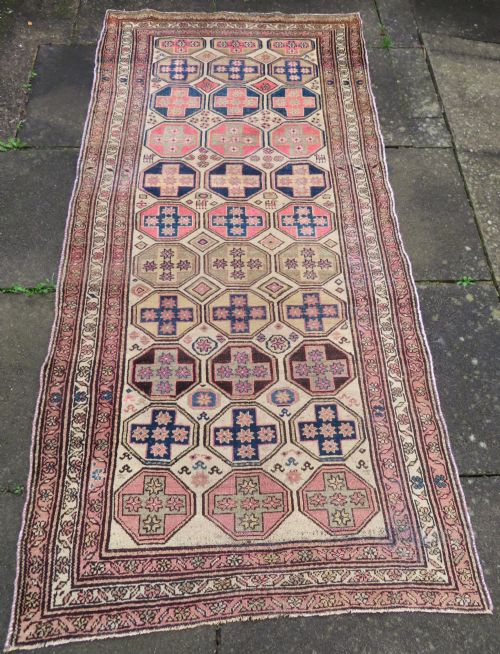
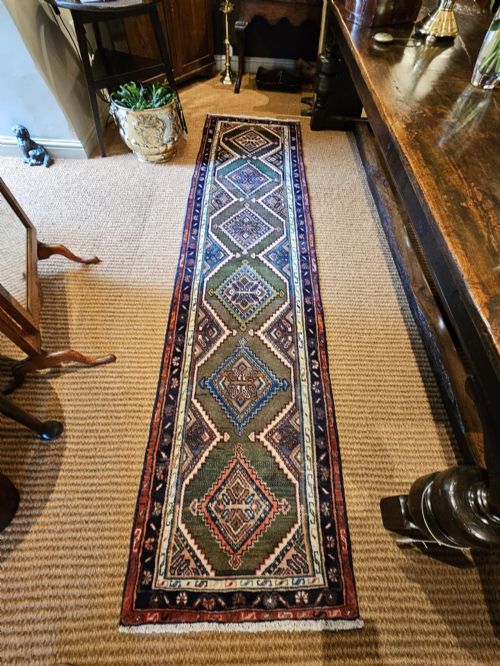
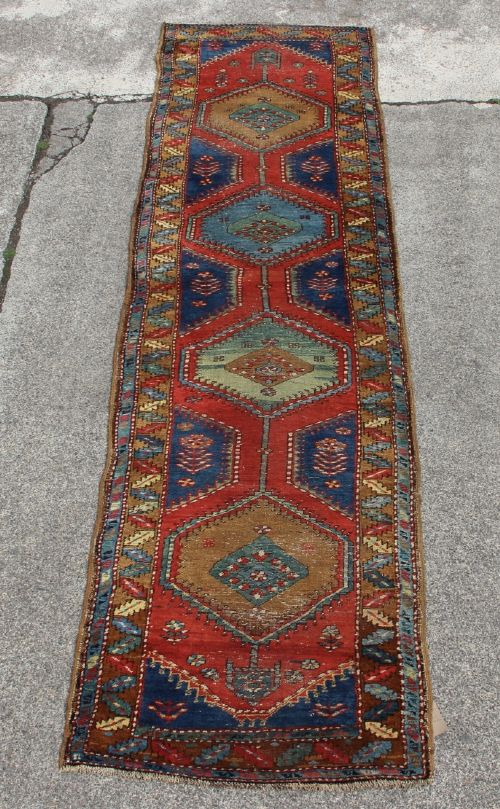
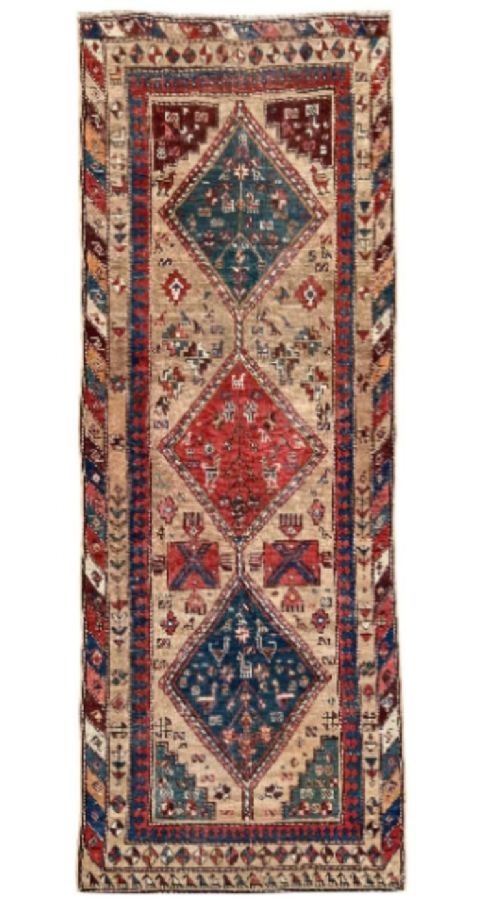
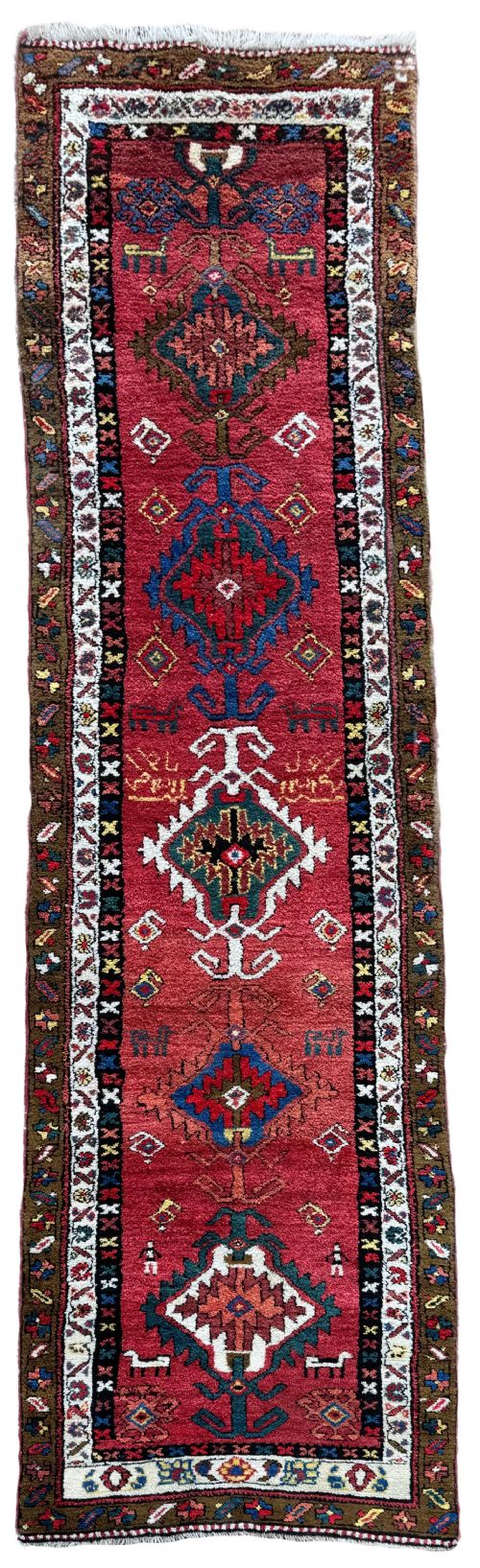
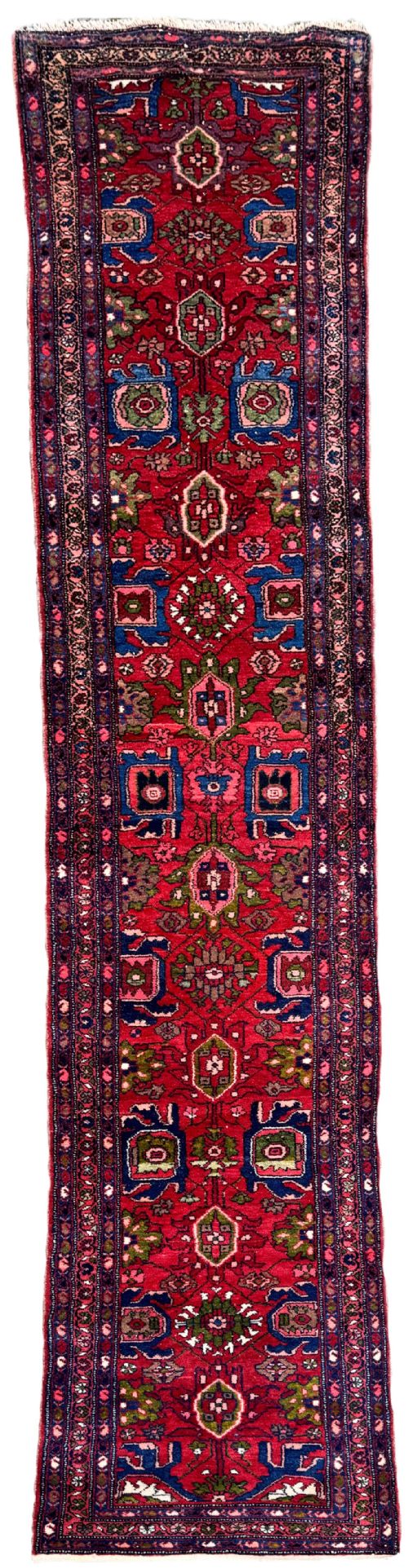
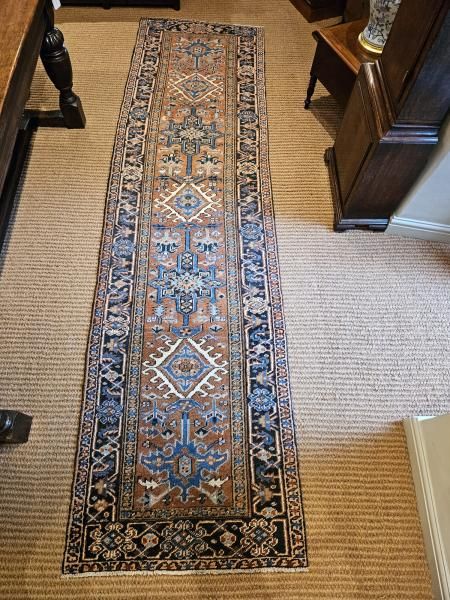
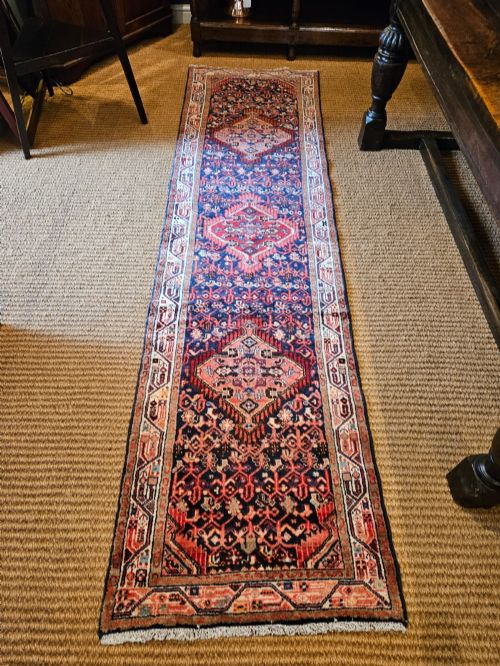
The most common formats on this page are runners and long rugs, often measuring several metres in length while maintaining a narrow width suited to hallways. Examples include pieces attributed to Kurdish, Heriz, Hamadan and Bakshaish origins, showcasing distinct regional patterns.
These carpets serve a practical function in heavy-traffic domestic spaces while offering intricate geometric or floral compositions. Their extended proportions require specific weaving techniques to maintain straight edges and uniform widths over long distances.
Materials and construction
The materials recorded in these pieces rely predominantly on wool and cotton, with hand-spun wool frequently utilised for the pile to provide resilience and depth of colour. Foundation threads in cotton or wool give the structure necessary stability for long, narrow formats.
Weavers knotted the pile by hand onto warp and weft foundations, creating dense surfaces designed to withstand generations of foot traffic in hallways. Natural dyeing traditions supplied the deep navy blues, olive greens and earthy tones seen across the inventory.
Some hallways clearly demanded endurance, featuring runners stretching up to thirty-two feet long to cover vast domestic corridors.
Distinguishing finer examples
Quality in these long carpets rests upon the tightness of the knotting and the precision of the geometry along extended lines. Finer pieces maintain a straight, uniform width from end to end without the bowing or warping that can affect long formats.
The handling of the material also dictates the character of the piece, with hand-spun wool offering a tactile richness and subtle variations in tone that flatter traditional regional designs.
Heriz·Hamadan·Bidjar·Bakshaish·Sarouk
The Long Persian Hallway Carpet Glossary
- Runner
- A long, narrow carpet format intended for hallways, corridors and stairs. These pieces measure significantly longer than they are wide.
- Kelleh
- A large, extended carpet format, often longer than standard room sizes but wider than a typical corridor runner.
- Warp
- The vertical threads stretched lengthwise on the loom before weaving begins. The foundation fringe typically emerges from these threads.
- Weft
- The horizontal threads passed through the warp threads alternately to hold the knots in place. This structure binds the woven fabric together.
- Pile
- The upright surface of yarn that forms the soft nap of the carpet. Hand-spun wool is frequently utilised for this component.
Long Persian Hallway Carpet: Frequently Asked Questions
How do I choose the right length?
Measure your hallway carefully, leaving an equal margin of exposed floor around the perimeter of the carpet. Long runners should ideally stop short of doorways to allow doors to swing freely.
Consider the traffic patterns in your corridor to determine whether you need a hard-wearing tribal weave or a finer city-workshop production.
Where were these carpets made?
These pieces originate from various regions in Persia, including Heriz, Hamadan, and Kurdish tribal areas. Each district developed distinct weaving methods and design vocabularies.
Local materials and tribal traditions heavily influenced the visual outcome of each piece, distinguishing North West Persian work from other regions.
How do I care for an old runner?
Use a quality underlay to prevent slipping and reduce friction between the back of the carpet and the floorboards. This protects the foundation threads from premature wear.
Vacuum gently without using a rotating brush roll that might catch the hand-spun wool pile or fringe.
What is a Mina Khani design?
It is a repeating floral pattern composed of interconnected geometric flowers and rosettes arranged in a continuous grid. This classic motif appears frequently in traditional Kurdish and Persian weaving.
The balanced layout creates a harmonious rhythm down the length of narrow hallway carpets.