



Light Oak Storage Chest
A light oak storage chest offers practical utility and pale timber warmth, ranging from Edwardian filing cabinets to Arts and Crafts coffers.
Light Oak Storage Chest
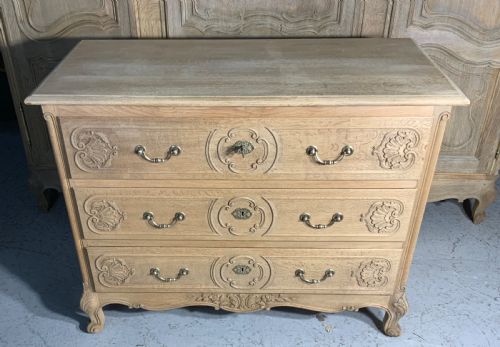
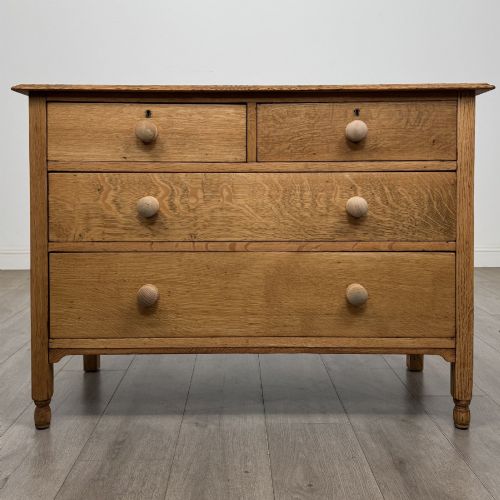
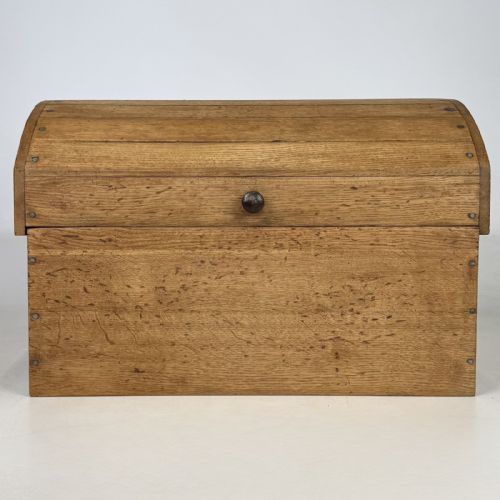
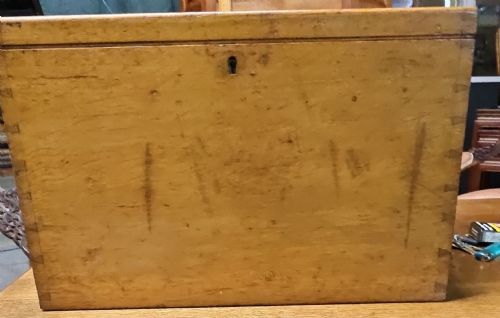
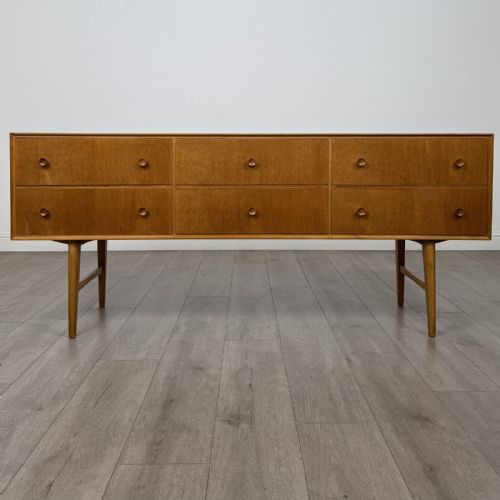
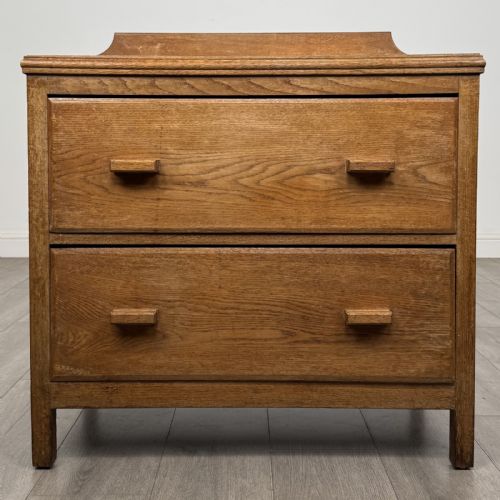
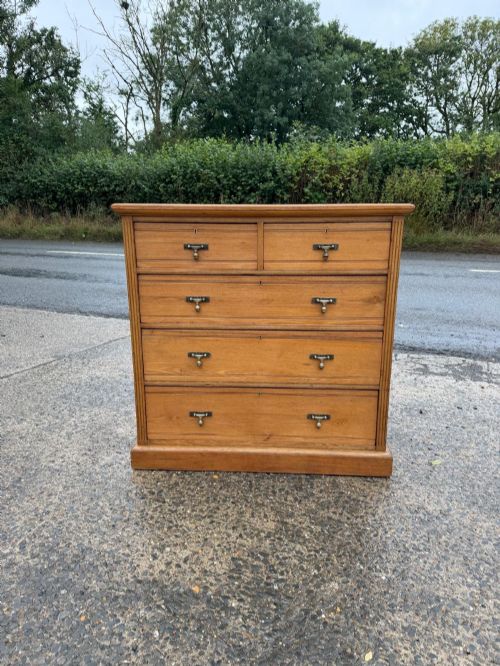
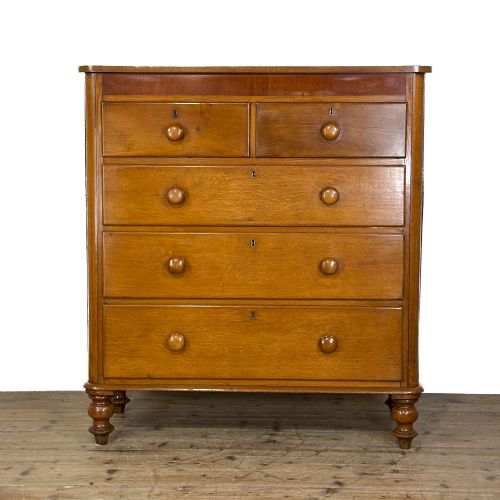
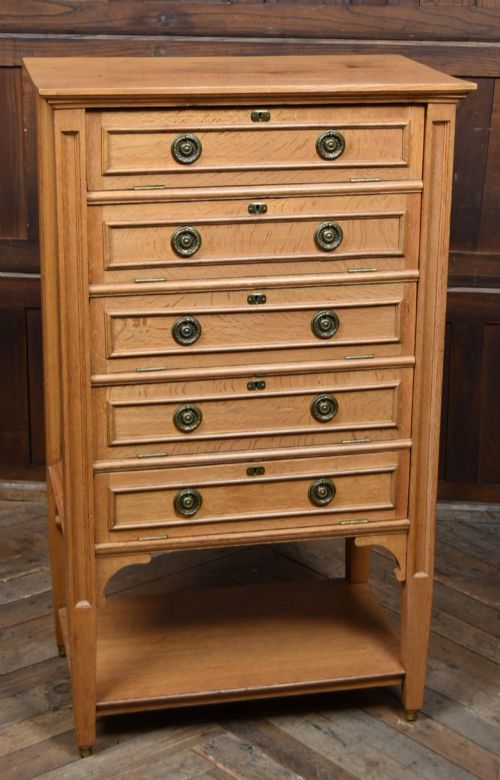
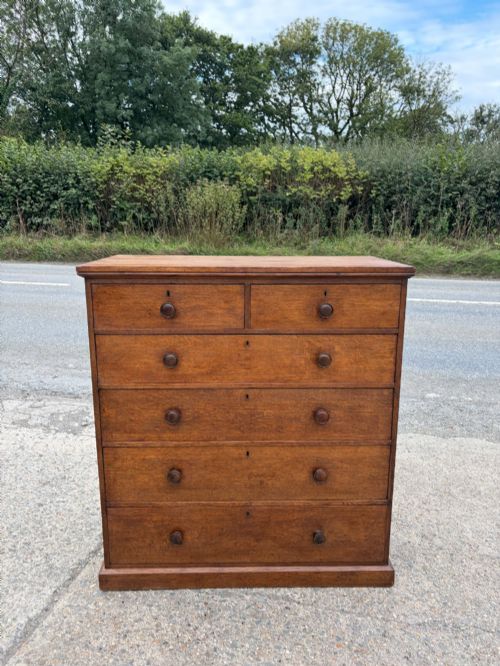
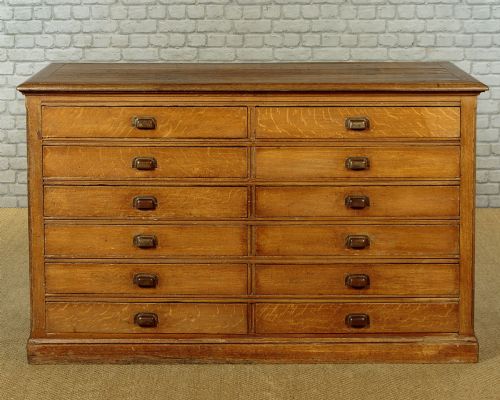
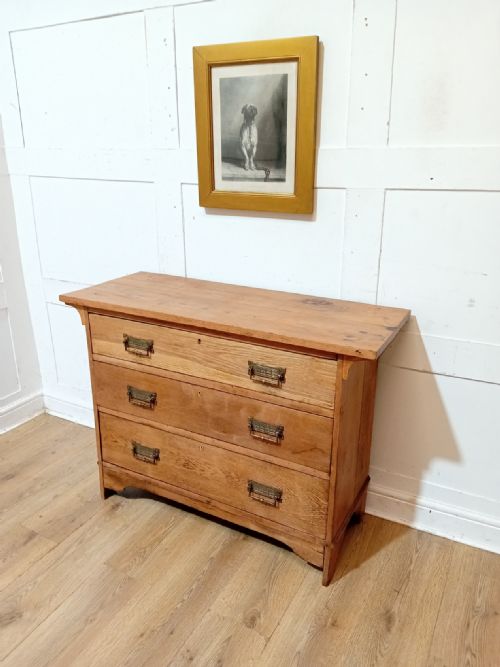
A light oak storage chest provides substantial interior space while maintaining a pale, neutral timber tone that suits modern and traditional interiors alike. When searching for a light oak storage chest, buyers encounter a diverse selection of forms including tall chests, plan chests, filing cabinets, and traditional coffers. These pieces span from the Georgian period through the Edwardian era into mid-century utility and nineteen-thirties designs.
The material palette centres primarily on solid oak, limed oak, and pale oak finishes, occasionally accented with brass, iron, or bakelite hardware. Stylistic influences vary widely across the selection, encompassing Arts and Crafts simplicity, French Provincial elegance, Art Deco geometry, and industrial utility. Buyers find formats ranging from banks of multiple drawers to traditional chests of three drawers and deep blanket boxes.
What Varies in Quality
The distinction between standard utility items and finer examples rests upon the refinement of the timber selection and the sophistication of the design. Pieces associated with specific design movements, such as the Cotswold School, exhibit superior hand-craftsmanship and thoughtful proportion compared to standard commercial office furniture.
Hardware integrity and the smoothness of drawer operation also separate ordinary storage pieces from exceptional ones. Original brass fittings, well-fitted panel work, and intact limed finishes indicate higher standards of original manufacture and careful preservation.
Light Oak Storage Chest Retail Price Guide 2026
Typical asking prices for light oak storage chest among the pieces listed under this phrase on Sellingantiques today, from the lower quarter to the upper quarter. They describe what is for sale here now, not the wider market.
One listed travelling silver chest comes complete with a military provenance from the Highland Light Infantry.
Elkington·Peter Waals
The Light Oak Storage Chest Glossary
- Limed oak
- Timber treated with a white pigment or lime to highlight the open grain and produce a pale, frosted appearance. This finish gained popularity during the early twentieth century.
- Plan chest
- A wide, shallow multi-drawer cabinet originally designed for storing architectural drawings and large maps. They provide generous surface area and shallow storage compartments.
- Coffer
- A heavy wooden chest with a hinged lid, traditionally used for storing valuables or household textiles. Many early examples feature carved panels and robust frame construction.
- Commode
- A European term for a low chest of drawers or cabinet. French regional examples frequently incorporate serpentine fronts and decorative mounts.
- Bank of drawers
- A multi-drawer cabinetry unit designed for filing or organisation. These pieces often feature numerous shallow or medium-depth drawers stacked vertically.
Light Oak Storage Chest: Frequently Asked Questions
How do I date a light oak chest?
Dating relies on examining construction techniques, hardware styles, and timber finishes. Edwardian and nineteen-thirties pieces often display limed surfaces or industrial drawer configurations.
Earlier pieces from the Georgian period or nineteenth century feature hand-cut dovetails and traditional timber patination that distinguishes them from later revival styles.
Are these chests suitable for modern bedrooms?
The pale timber tones and clean lines of light oak integrate easily into contemporary interior schemes. Pieces like tall chests and commodes provide functional clothes storage without overwhelming a room.
Their neutral grain ensures they complement both minimalist spaces and more eclectic, traditional interiors.
What is the difference between a coffer and a chest of drawers?
A coffer is a deep box with a lid opening from the top, primarily designed for bulky textiles or general storage. A chest of drawers utilises horizontal sliding compartments accessed via pulls or handles.
Both forms utilise solid oak timber but serve distinct organisational purposes within a home.
How should I care for limed oak surfaces?
Limed oak requires gentle cleaning with a dry or barely damp cloth to preserve the white pigment in the grain. Avoid harsh chemical cleaners or excessive moisture that can strip the pale finish.
Regular application of suitable wax maintains the timber's protection and natural sheen.