



Art Deco Oak Dresser
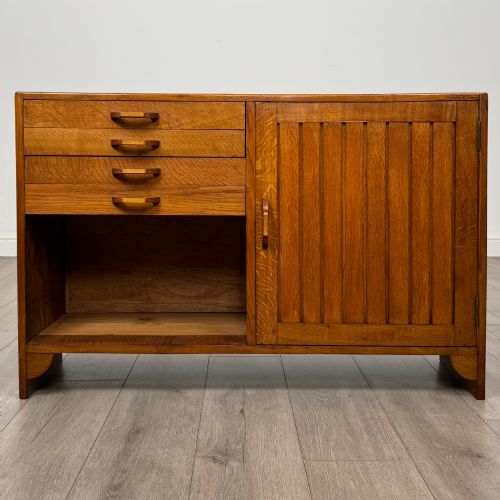
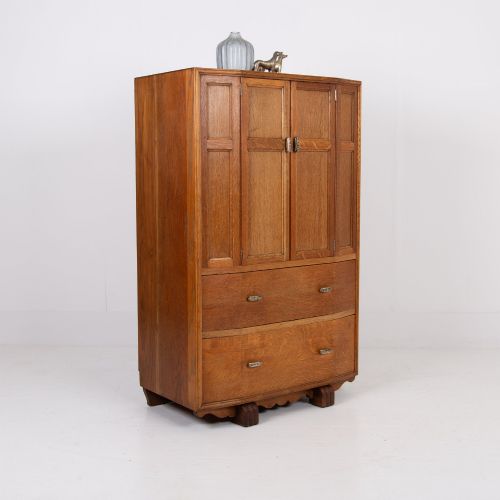
An art deco oak dresser brings robust twentieth-century grain and clean geometric lines straight into your dining room or hallway.
Art Deco Oak Dresser
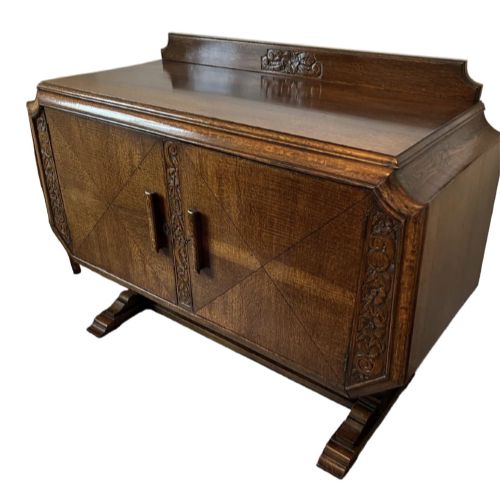
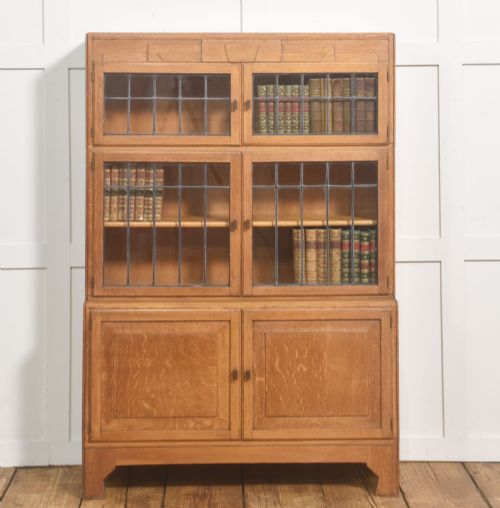
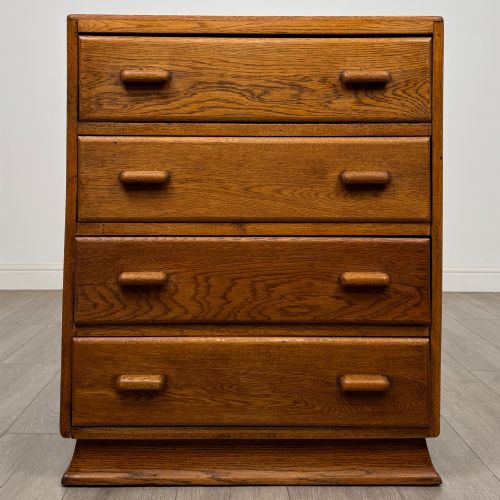
When you search for an art deco oak dresser, you are looking at substantial storage furniture built from timber during the early to mid-twentieth century. The selection spans distinct forms, including small sideboards, tallboys, bookcases with leaded glass, washstands, and traditional chests of drawers.
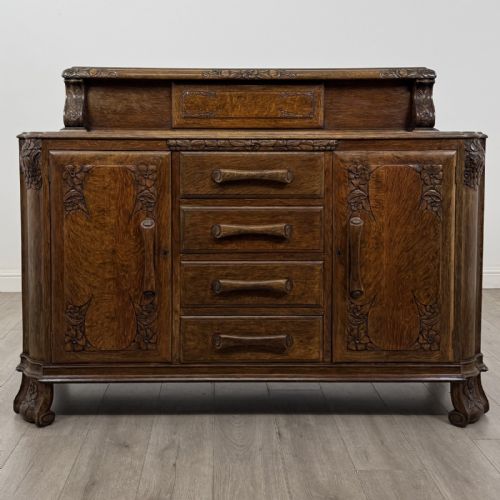
You are most likely to meet pieces originating from the nineteen-twenties and nineteen-thirties, alongside Edwardian examples executed in golden oak. French interpretations also appear, featuring carved details alongside standard British workshop production.
The primary forms combine cupboard doors with banks of drawers, designed to anchor a room while offering practical utility for household storage. Each piece reflects the transition from Edwardian tradition into bold twentieth-century modernism.
How they were made
Cabinet makers constructed these pieces primarily from solid oak and limed oak, utilising the natural grain to define the surface character. Golden oak finishes and specialised limed treatments highlight the timber figure across flat panels and drawer fronts.
Makers integrated contrasting materials directly into the wooden frames, incorporating leaded glass panels, brass hardware, and occasional marble tops. Bakelite handles and metal fittings complete the construction details typical of the period.
Art Deco Oak Dresser Retail Price Guide 2026
Typical asking prices for art deco oak dresser among the pieces listed under this phrase on Sellingantiques today, from the lower quarter to the upper quarter. They describe what is for sale here now, not the wider market.
The listings on this site feature oak as the primary material, alongside limed oak, glass, brass, marble, and metal elements.
What varies in quality
The distinction between standard production and finer execution lies in the treatment of the oak surface and the precision of the joinery. Limed finishes and golden tones applied with depth elevate the visual impact of the timber.
Design ambition separates basic utility pieces from high-end examples, such as those produced by notable makers with considered proportions and integrated leaded glass or carved ornamentation.
Heals of London
The Art Deco Oak Dresser Glossary
- Limed oak
- Timber treated with a special pickling finish that leaves a white pigment in the open grain, creating a pale, decorative surface popular in twentieth-century design.
- Leaded glass
- Small panes of glass held together by strips of lead cames, frequently seen in the cabinet doors of bookcases and display sections.
- Tallboy
- A tall chest of drawers or wardrobe standing vertically to maximise storage space while occupying a smaller floor footprint.
- Golden oak
- A warm, translucent honey-coloured finish applied to oak timber to enhance its natural figure and lighten the overall appearance.
Art Deco Oak Dresser: Frequently Asked Questions
What is an art deco oak dresser?
An art deco oak dresser is a sturdy twentieth-century storage unit built from oak, combining practical drawers or cupboards with the geometric styling of the period.
These items range from low sideboards and buffets to tall chests, serving as functional focal points in dining spaces and hallways.
How do I date an oak dresser?
Dating relies on examining the construction methods, handle materials, and overall stylistic markers such as leaded glass or limed oak finishes.
Pieces span from Edwardian golden oak designs through nineteen-twenties and thirties art deco forms to mid-century modern interpretations.
Where were these pieces used?
They were designed primarily for dining rooms and living spaces to store crockery, linen, and household items while displaying decorative objects on top.
Today, they adapt easily to modern hallways and bedrooms requiring substantial timber storage with period character.
Are all these dressers British made?
While many examples originate from British workshops, the selection also includes continental pieces such as French art deco washstands and cabinets.
Local craftsmanship styles vary, reflecting the regional preferences of the nineteen-twenties and thirties across Europe.